★★★★★
Heritage Exteriors is beyond exceptional. Very impressed with the timeliness, communication, and reasonable price of the whole project.
Scott Doyen
Sacramento, CA · Google
Sacramento, CA · Google

Heritage Exteriors · Updated October 2026
Everything a California homeowner needs to know about windows: how they work, what the state’s codes require, how to choose, buy and install them, and how to look after them.
This is our complete guide to windows for California homes. It is organized by where you are in the process, and every topic links to a full guide on its subject. When you want the work done, see our window replacement service or ask us for an estimate.
Start from your situation
What a window is made of, how its performance is measured, and how California’s climates, houses and codes change the answer.
A modern window is a frame fixed to the house, one or more sashes that hold the glass, and an insulated glass unit: two or three panes sealed around a spacer with a gas-filled gap between them. Nearly every performance claim you will read is about one of those three things. The frame decides how the window ages. The glass unit decides how much heat and sun get through. The way the frame is fastened and flashed into the wall decides whether it leaks.
Knowing the vocabulary is worth ten minutes, because quotes are written in it. A quote that says “retrofit, flush fin, dual pane, low-E, argon” has told you the installation method, the frame type and the glass package in six words.
Every new window sold in California should carry an NFRC label with certified ratings. Two of them matter most. U-factor is how readily heat conducts through the whole window; lower is better, and it matters most where winters are cold. Solar heat gain coefficient (SHGC) is the share of the sun’s heat that comes through the glass; lower blocks more, and it matters most where summers are hot. Visible transmittance tells you how much daylight you keep, and air leakage tells you how tightly the unit seals.
These are measured figures for a specific product and glass package. A brand name is not a rating, and “energy efficient” without the two numbers means nothing you can check.
The California Energy Commission divides the state into 16 building climate zones, and the right window in one is the wrong window in another. In the Central Valley (Sacramento is Zone 12, Fresno Zone 13) the load is summer sun, so a low SHGC on west and south glass does the most. On the coast (San Francisco and Oakland are Zone 3) there is little cooling load at all, and comfort is about drafts, fog and condensation. In the Sierra (Truckee and South Lake Tahoe are Zone 16) winters are long, and U-factor is what you are paying for.
The state’s energy code follows the same logic. Under the 2025 Energy Code, which applies to permits applied for on or after 1 January 2026, replacement windows may have a maximum U-factor of 0.27 in zones 1–5, 11–14 and 16, and 0.30 in zones 6–10 and 15. The maximum SHGC is 0.23 in zones 2, 4 and 6–15, and there is no SHGC limit in zones 1, 3, 5 and 16. Jobs replacing 75 square feet of glass or less may use a U-factor up to 0.40 and an SHGC up to 0.35. Our Title 24 guide cites the code and shows how to check a quote against it.
Find your climate zone
Enter a California ZIP code to see its Energy Commission climate zone and what a replacement window has to meet there.
Source: California Energy Commission, Building Climate Zones by ZIP Code. Where a ZIP code spans two zones, your building department decides, so confirm with the Commission’s address lookup tool before you order.
Most of a window’s performance is decided in the glass unit. Low-E coatings are microscopically thin metallic layers that reflect heat while passing visible light, and different coatings are tuned for different climates. The gap between panes is usually filled with argon. Tempered glass is heat-treated so it breaks into small pieces and is required by code in hazardous locations such as doors, next to doors, near floors and in bathrooms. Laminated glass sandwiches a plastic interlayer between two panes; it holds together when broken, which is why it is used for security and for noise.
Frame material is the biggest single driver of price and of how a window ages. Vinyl is the most common replacement frame in California: affordable, low-maintenance and a good insulator, though it moves with temperature and dark colors need the right formulation in inland heat. Fiberglass is stiffer and more stable. Aluminum allows the slimmest frames and suits modern houses, but it conducts heat unless it is thermally broken. Wood and clad wood are what older and higher-end homes often call for, and they need the most care. Composites sit between vinyl and wood.
How a window opens decides how it ventilates, how well it seals, how easy it is to clean and whether it can serve as a bedroom escape opening. Sliders and single-hungs are the most common replacement windows in California tract homes. Casements and awnings press shut against their weatherstripping and seal tightest. Picture windows do not open at all and are the most efficient per square foot. Bays, bows and garden windows project from the wall and are small structures in their own right.
California’s housing stock runs from San Francisco Victorians and Sacramento Craftsman bungalows to Spanish Revival, postwar ranch houses, Eichlers and stucco tract homes. Each has window proportions, divisions and frame depths that make it look right, and replacements that ignore them are the most common way a renovation cheapens a house. In historic districts and some planned neighborhoods the choice is also regulated.
Many people arrive at window replacement from a symptom. It is worth diagnosing first, because several common problems have a cheaper fix. Water on the room side of the glass is indoor humidity. Fog you cannot wipe off, sealed between the panes, is a failed glass unit, and often only the glass needs replacing. A drafty window may need weatherstripping. A window that will not stay up needs a balance. Rot in the frame, sashes that no longer operate and single-pane aluminum are the usual signs that the window itself is done.
Windows are covered by more safety rules than most parts of a house. Bedrooms need an emergency escape and rescue opening of a minimum size. Glass in hazardous locations must be safety glazing. Homes in mapped wildfire zones have their own glazing rules, which changed on 1 January 2026 when the California Wildland-Urban Interface Code took effect. In houses built before 1978, window replacement disturbs lead paint and must follow lead-safe work rules. Beyond code, the right glass and hardware change how a home handles noise, break-ins, wildfire smoke, earthquakes, sun damage and small children near upper-floor windows.
The decisions that set the scope and the price: installation method, brand, installer, and the approvals your project needs.
The installation method matters as much as the window. A retrofit window fits into the existing frame and leaves the surrounding wall alone. In California it usually means a flush-fin (Z-bar) vinyl window set over the old aluminum frame of a stucco house, which is why it became the default here. A full-frame or new-construction installation removes the old frame down to the rough opening and fastens the new window with a nail fin, which means cutting back and patching stucco or working with the siding. It costs more and disturbs more, and it is the right answer when the old frame is rotted or out of square, when the opening is changing, or when the siding is coming off anyway.
Two quotes for the same house that assume different methods are quotes for different jobs. Settle the method first.
Every major manufacturer sells entry-level and premium lines under the same name, so comparing brands only works line against line, using the NFRC figures and the written warranty. These guides cover specific manufacturers and series. Features and warranty terms are set by each manufacturer and change, so confirm the current terms for the exact product on your quote.
The same window can perform very differently depending on who installs it, and in California there are three broad routes: a licensed local contractor, a national in-home sales company, and a big-box store’s installed-sales program. They differ in who actually does the work, who holds the license and the permit, how the price is presented, and who you call when something is wrong. Whichever you choose, check the contractor’s license with the Contractors State License Board before you sign.
Where the house stands changes the specification. Near the coast, salt air attacks hardware and unprotected aluminum, and fog makes condensation the daily problem. In the Sacramento and San Joaquin valleys, west-facing glass in July is the problem, and the answer is solar control. In the Sierra, snow, cold and wildfire exposure all apply at once, and some communities add design review on top.
Replacement windows in California generally need a building permit, and the permit is where energy-code compliance is checked. Beyond the building department, a homeowners association can require architectural approval, a historic district can require design review, and an accessory dwelling unit is treated as new construction with its own requirements. Owners of rental property have separate duties for window locks and weather protection. Replacing windows like for like does not, in general, change a home’s assessed value for property tax.
Price, paperwork and the job itself, from the first quote to the final inspection.
What a window costs installed depends on the frame material, the size and style, the glass package and, more than anything, the installation method. We publish dated price ranges for Northern California rather than repeating them here, along with a method for putting three quotes onto one list so they can be compared. Utility rebate programs open and close, and the federal tax credit for windows ended for products placed in service after 31 December 2025, so check any incentive a salesperson quotes against the program’s own page.
California regulates home improvement contracts closely, and a window job is a home improvement contract. The law sets what the written contract must contain, limits how much a contractor may collect as a down payment, and gives you a right to cancel within a set number of business days after signing, with a longer period for homeowners aged 65 and over. Salespeople who sell in your home must be registered with the Contractors State License Board. Suppliers and subcontractors who are not paid can lien your house, which is why lien releases matter when you make payments.
None of this is obscure, and a reputable contractor’s paperwork already reflects it. It is most useful as a test: a contract that asks for a large deposit, omits the cancellation notice or pushes you to sign tonight is telling you something.
Replacement windows are made to order, so the sequence is fixed: a site measure, the order, a manufacturing wait, the permit, one or more installation days, and a final inspection. The wait for the windows is usually the longest part and the installation the shortest. Your part is small but real: clear access to each opening, take down window coverings, tell the alarm company, and walk every window with the installer before the crew leaves.
Keeping new windows working, and using the warranty if they do not.
Modern windows need little, but not nothing. Tracks and weep holes fill with dust and need clearing so the frame can drain. Moving hardware wants an occasional lubricant of the kind the manufacturer names. The exterior sealant around the frame is the part most likely to fail first and the cheapest to renew. Keep the paperwork: the warranty, the order confirmation and the NFRC labels are what a future claim, or a future buyer, will ask for.
A window comes with two warranties: the manufacturer’s, on the product, and the installer’s, on the workmanship. “Lifetime” usually means for as long as the original buyer owns and lives in the home, and what transfers to the next owner, whether labor is included, and what is excluded for coastal locations or dark colors varies from one manufacturer to the next. Read the document itself, and keep it with the order confirmation and the labels from the glass.
The same principles applied to other glazed openings, to multifamily and commercial property, and to real projects.
Glass doors and skylights are fenestration under the energy code just as windows are, and they are often replaced in the same project. A sliding patio door is the largest piece of glass in most California houses and always safety glazing. Multi-slide and folding door systems open a whole wall, with structural and water-management consequences to match. Skylights have their own ratings, flashing systems and glazing rules, and are best replaced when the roof is.
Replacing windows across an occupied building is mostly a planning problem: access, notice to residents, phasing, and an energy-code date that can change between phases. These guides are written for property managers, owners and boards.
Projects where the siding color and the window line were chosen together.
These guides explain the choices. A quote depends on the openings themselves: their size, the frame they sit in, and what we find when the old window comes out. We measure every opening, show the NFRC figures for the product we are quoting, and put the scope in writing before any price is agreed. See our window replacement guide for the service. We work across Sacramento, the Bay Area and Lake Tahoe.
Code figures on this page were checked against California Energy Commission sources on 7 October 2026. Codes, rebate programs and manufacturer terms change, and cities and counties can adopt stricter local rules, so confirm current requirements with your building department. Each linked guide lists its own sources. This page is general information, not legal advice.
What do replacement windows have to meet in California?
They must comply with the California Energy Code, Title 24 Part 6. For permits applied for on or after 1 January 2026, the prescriptive maximum U-factor for replacement windows is 0.27 in climate zones 1 to 5, 11 to 14 and 16, and 0.30 in zones 6 to 10 and 15. The maximum SHGC is 0.23 in zones 2, 4 and 6 to 15, with no SHGC limit in zones 1, 3, 5 and 16. Jobs replacing 75 square feet of glass or less may use a U-factor up to 0.40 and an SHGC up to 0.35.
Do I need a permit to replace windows in California?
In most California cities and counties, yes, including for retrofit windows installed in the existing frame. The permit is where energy code compliance, safety glazing and bedroom escape openings are checked. Your contractor normally pulls it. Requirements vary by jurisdiction, so check with your building department.
What is the difference between retrofit and full-frame window replacement?
A retrofit window is fitted into the existing frame, which leaves the surrounding stucco or siding and the interior trim largely undisturbed. A full-frame replacement removes the old frame down to the rough opening. Full-frame is the right call when the existing frame is damaged or out of square, when the opening is changing size, or when the wall is being opened anyway, for example during a siding replacement.
Which window frame material is best for California?
There is no single best material. Vinyl is the most common and the most affordable. Fiberglass is stiffer and more stable in heat. Wood has the look many older homes call for but needs upkeep. Aluminum allows slim frames but conducts heat unless it is thermally broken. The right choice depends on your climate zone, the style of the house and the budget.
Should I repair my windows or replace them?
It depends on what has failed. Condensation on the room side of the glass is usually a humidity problem. A window that will not stay open usually needs a new balance. Fog sealed between the panes means the glass unit has failed, and often the glass can be replaced without replacing the window. Rotted frames, sashes that will not operate and single-pane aluminum are the usual signs that replacement is the better answer.
Are triple-pane windows worth it in California?
In most of the state, a good dual-pane window with the right low-E coating is the better value, because the main load is summer sun rather than winter cold. Triple-pane glass earns its cost in the Sierra, in climate zone 16, and next to very large glass areas.
Is there a tax credit or rebate for new windows?
The federal energy efficient home improvement credit does not apply to windows placed in service after 31 December 2025. Utility rebate programs in California open, change and close, so check your utility’s current program page before counting on one, and get any pre-approval the program requires before the work starts.
How long do replacement windows take?
Replacement windows are made to order, so most of the time is the wait between the order and delivery, which varies by manufacturer, product and season. The installation itself is usually the shortest stage. Your contractor should give you the manufacturer’s current lead time in writing when you order.
Do you install windows in apartment buildings and HOAs?
Yes. Multifamily and commercial window replacement is a large part of our work. The multifamily section of this guide covers end-of-life signs, phasing in occupied buildings, retrofit versus full-frame on apartments, Title 24 timing for phased projects, and how per-unit costs are built.
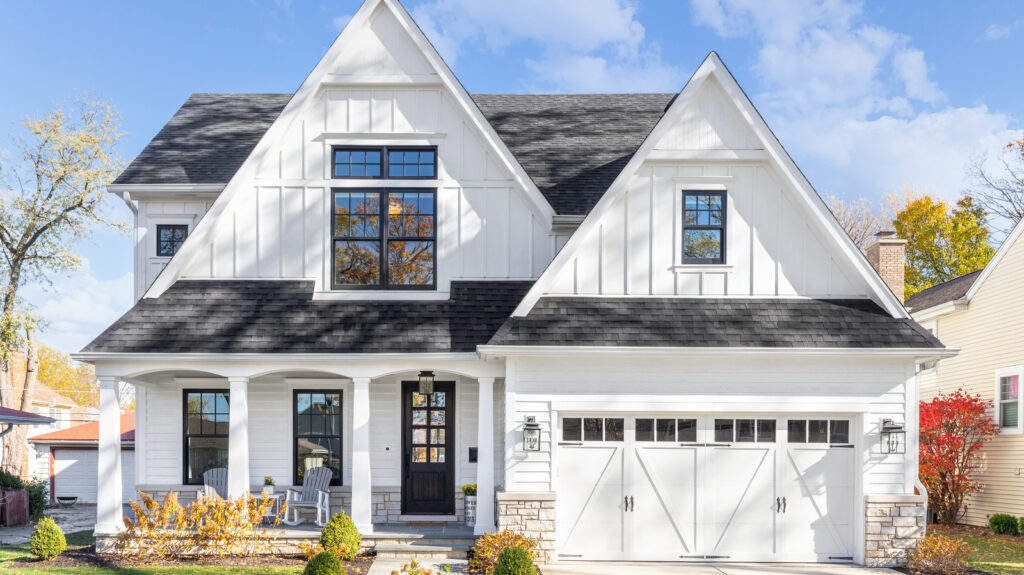
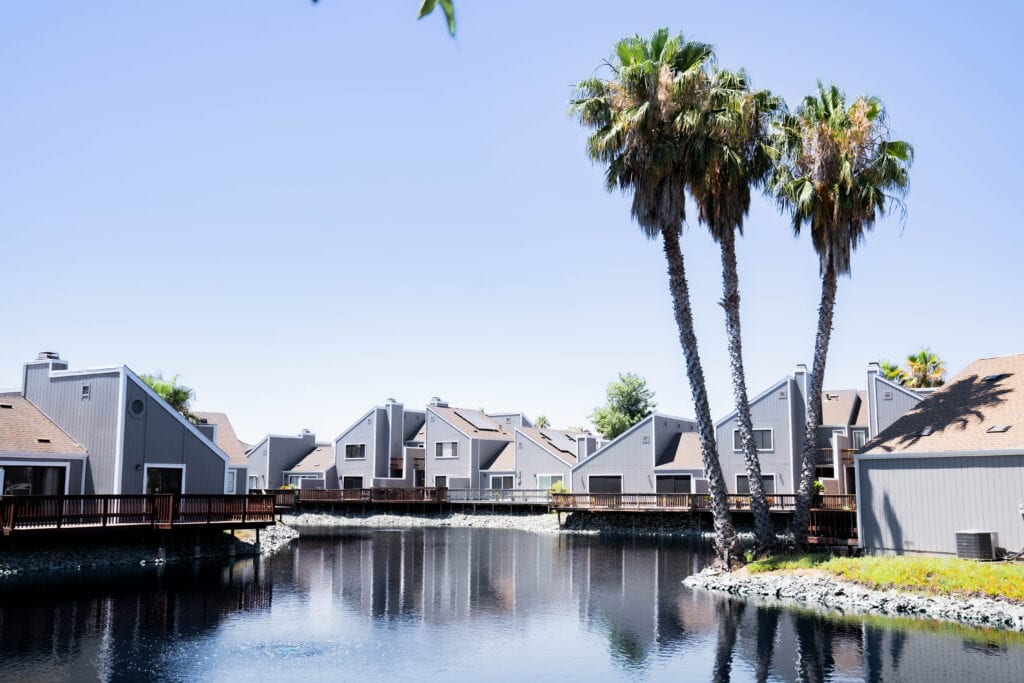
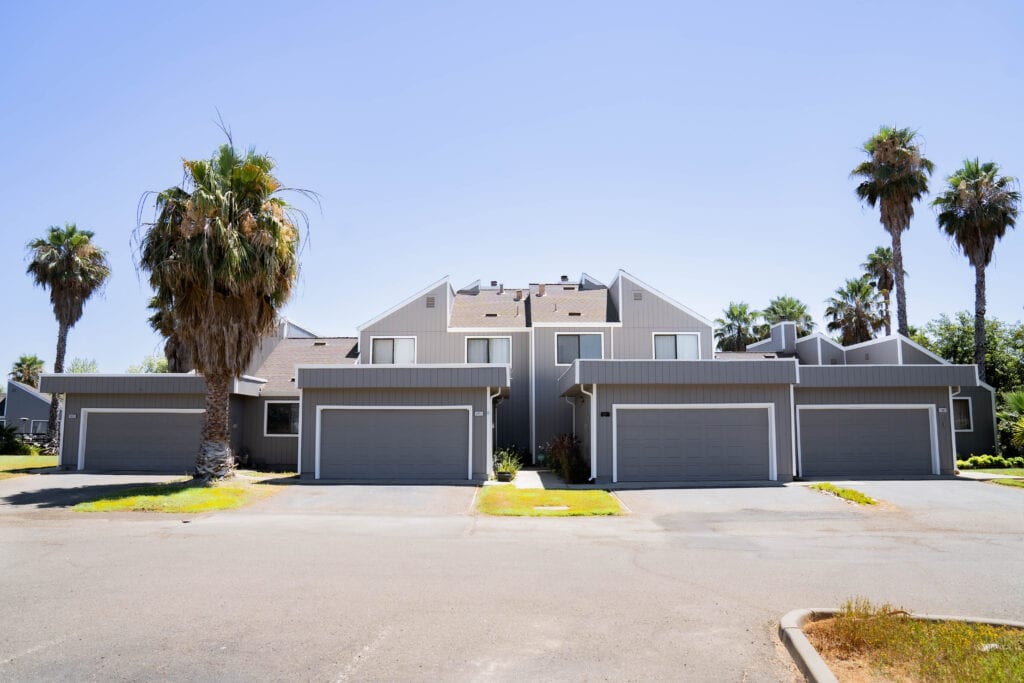
A look at homes we have re-sided and re-glazed across Sacramento, the Bay Area, and Lake Tahoe.
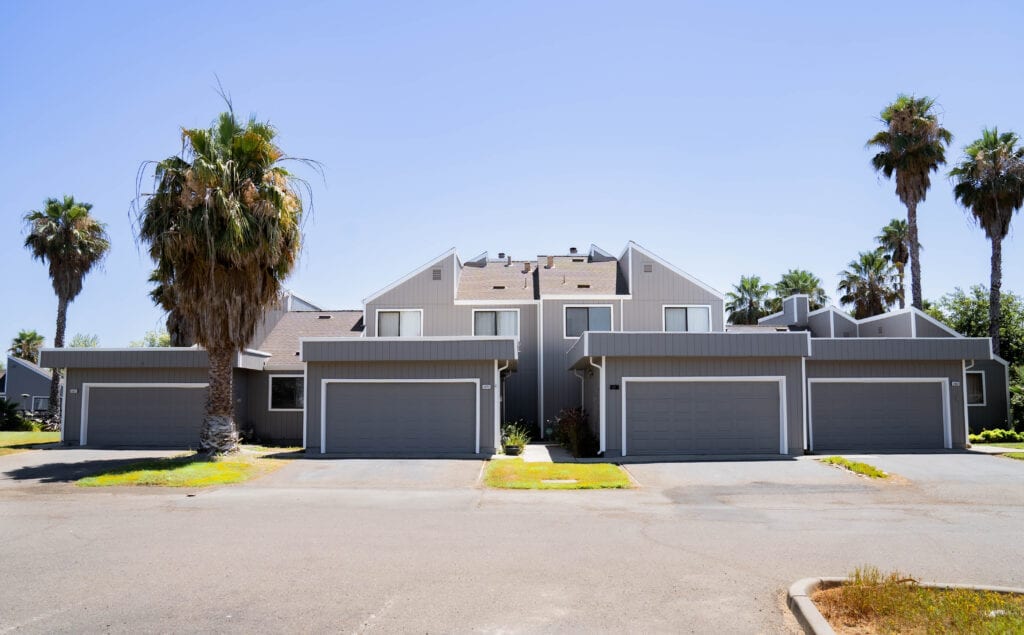
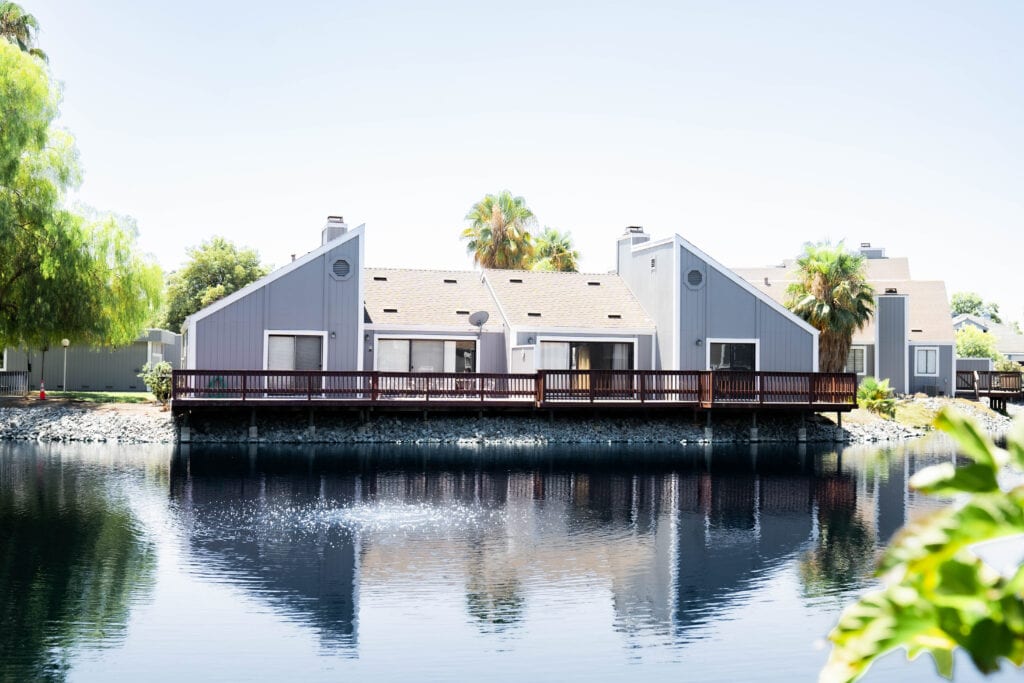
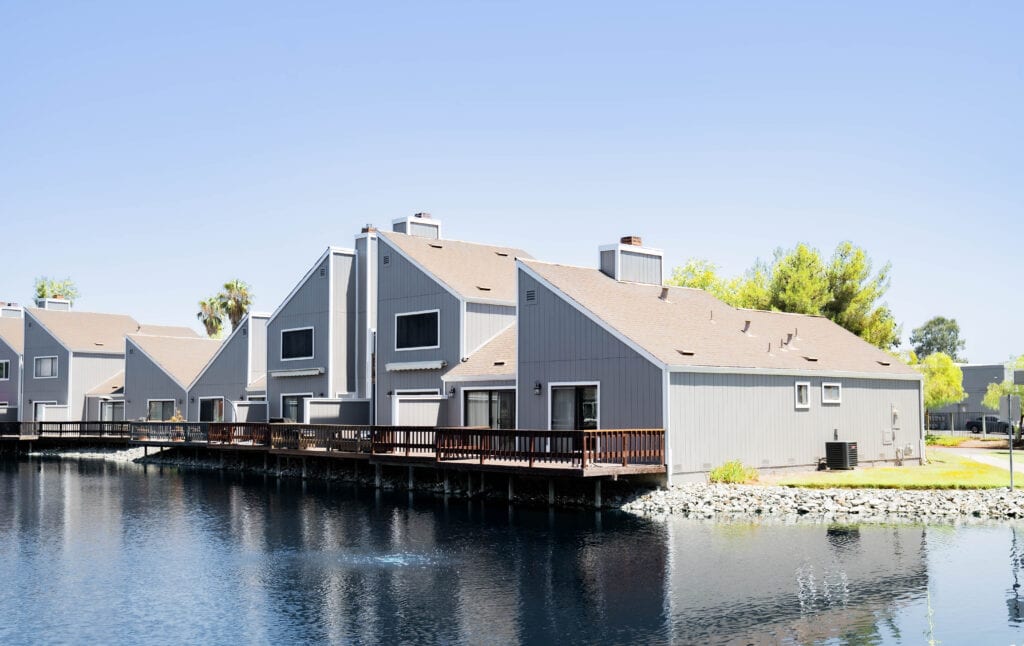
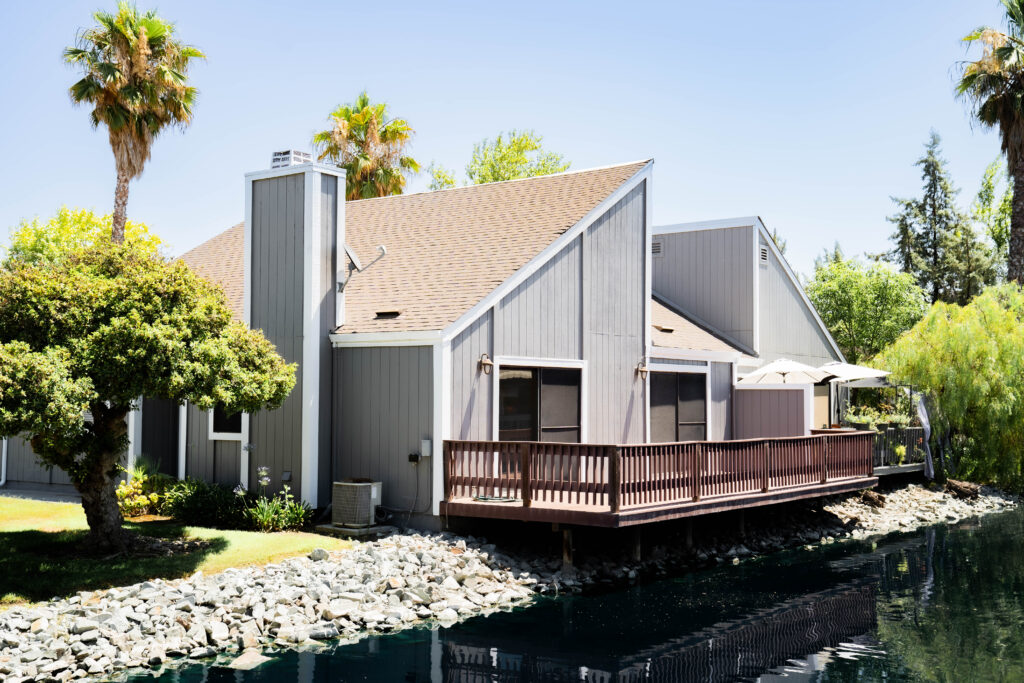

★★★★★ Rated 4.9 from 69 Google reviews
Heritage Exteriors is beyond exceptional. Very impressed with the timeliness, communication, and reasonable price of the whole project.
Heritage replaced my old crumbling wood siding and did a fantastic job. From the first interactions assessing the project and providing a quote, to the project itself, was all exceptional. My home looks brand new.
We recently had our house re-sided with Hardie product. We interviewed 3 companies, one of them being Heritage Exteriors. From our first meeting with David to the last day's work touching up paint, the experience was excellent.