★★★★★
Heritage Exteriors is beyond exceptional. Very impressed with the timeliness, communication, and reasonable price of the whole project.
Scott Doyen
Sacramento, CA · Google
Sacramento, CA · Google

Condensation on the inside surface of a window is a humidity problem. Condensation you cannot wipe off — because it is sealed between the two panes — is a different thing entirely, and it is the clearest single sign a window has reached the end of its service life.
Get a Free EstimateA window that has misted up between its panes is one of the few exterior faults that diagnoses itself. You cannot wipe it off because the moisture is inside a sealed assembly. What is worth understanding is what it predicts, because that decides whether you are dealing with one window or with all of them.
A double-glazed window is an insulated glass unit: two panes held apart by a spacer around the edge and bonded into a sealed cavity, usually filled with argon and containing a desiccant to absorb residual moisture. The seal is what makes it work.
Seals fail with age and with thermal cycling — glass expanding and contracting as it heats and cools, day after day, working the bond at the edges. Once the seal opens, humid air moves in and out of the cavity, the desiccant saturates, and moisture condenses on the interior surfaces of the glass when conditions are right.
In the Sacramento Valley, the driver is heat rather than cold: strong sun on west and south elevations puts glass through a large temperature swing every day of summer, which is precisely the stress that wears seals out.
A second sign of the same failure: a faint haze or streaking that does not clean off, or a visible mineral deposit at the bottom of the cavity where water has repeatedly evaporated. That staining is permanent.
Less in energy than it is often sold as, and more in appearance than people expect.
What it does not mean is water getting into your wall. That is a different fault with different signs — staining below the sill, damp drywall, soft trim — and it is more urgent.
Often possible and considerably cheaper than replacing the window. It depends on the frame system and the condition of the sash and hardware, and on older or discontinued windows a matching unit can be hard to source. Worth asking about first.
Drilling, drying, and fitting a small vent. It can improve appearance. It does not restore the gas fill or the sealed performance, and the unit continues to breathe. Reasonable as a stopgap; not a repair.
The right answer when the frame or hardware is also worn, when the unit cannot be sourced, or — most often — when several windows have fogged and more are the same age.
Not "how do I fix this window" but "how old are the rest". Insulated units fitted at the same time were manufactured at the same time and are exposed to the same cycling. One failure in a house full of same-age units is usually the first of several, and the failures tend to appear first where the sun is hardest — the west and south elevations.
If your windows are of an age where this is starting, it is worth counting them and looking at the whole picture before spending on individual replacements. Our page on how often windows should be replaced covers service life, and the Northern California window cost page gives dated installed ranges to budget against.
Whatever you replace with has to meet the current energy requirement for your climate zone — see what Title 24 requires of your new windows. If you are replacing only a few, the small-job exception described there may apply.
We will tell you whether a fogged window can have its glass unit replaced or whether the frame is done too, and we will say when the honest answer is to wait and plan a whole-house replacement rather than chase them one at a time. Licensed in California, CSLB #1055919. Call (916) 546-2991.
What does fogging between the panes actually mean?
The seal around the insulated glass unit has failed. A double-glazed window is two panes bonded around their edges with a sealed, dried gas space between them. When that seal fails, humid outside air gets in, and when the temperature drops the moisture condenses on the inner surfaces of the glass where you cannot reach it. The window has stopped being a sealed unit.
Can it be cleaned or fixed?
Not meaningfully. There are services that drill the unit, dry it and fit a vent, and they can improve the appearance. What they do not restore is the sealed gas fill or the insulating performance, and a vented unit continues to breathe humid air. For most people it is a cosmetic postponement rather than a repair.
Do I have to replace the whole window?
Often not. On many frames the insulated glass unit can be replaced while the frame and sash stay in place, which is considerably cheaper than a whole window. Whether that is available depends on the frame system and whether the sash is in good condition — and on older windows it can be hard to source a matching unit.
One window has fogged. Should I expect the rest to follow?
Frequently, yes, and this is the useful thing to know. Insulated units installed at the same time were made at the same time, and seal failure is largely an age-and-exposure phenomenon. If one has gone and the rest are the same age, expect more — particularly on the west and south elevations, which take the harshest heat cycling. That changes the arithmetic between replacing one unit and planning a whole-house replacement.
Is a fogged window actually costing me anything?
Some performance, though less dramatically than it is often sold. The insulating gas has gone, so the U-factor worsens, and the moisture inside can deposit mineral residue that permanently marks the glass. The larger practical costs are appearance and loss of view, which is what makes most people act.
Does it mean water is getting into my wall?
No — this is water inside the glass unit, not inside the wall. It is a window failure, not a leak. If you also have staining below the sill or damp on the interior wall, that is a separate and more urgent problem with the perimeter flashing. Call (916) 546-2991 if you are not sure which you are looking at.
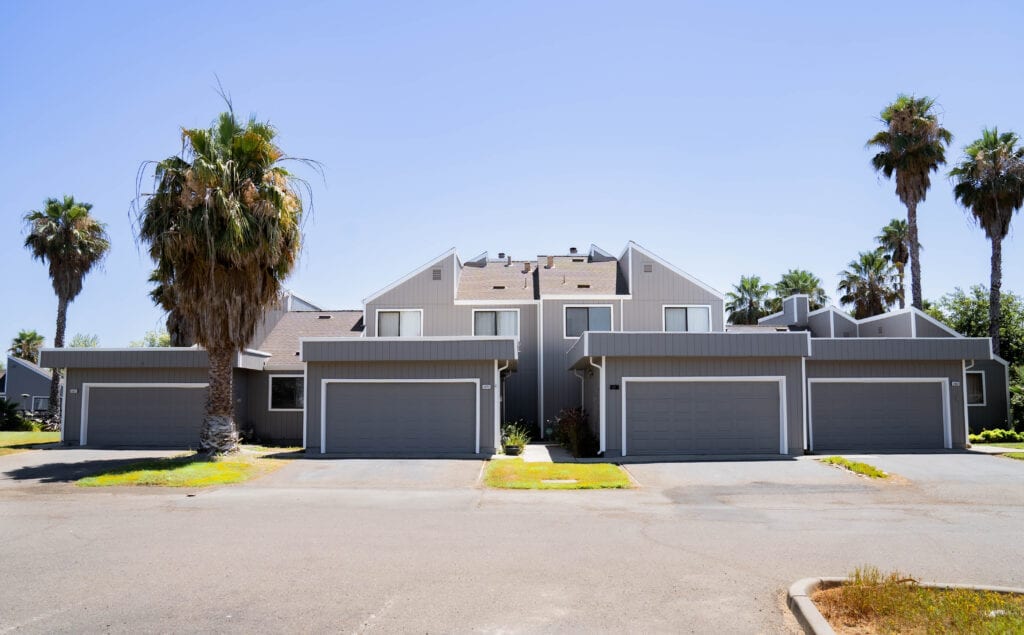
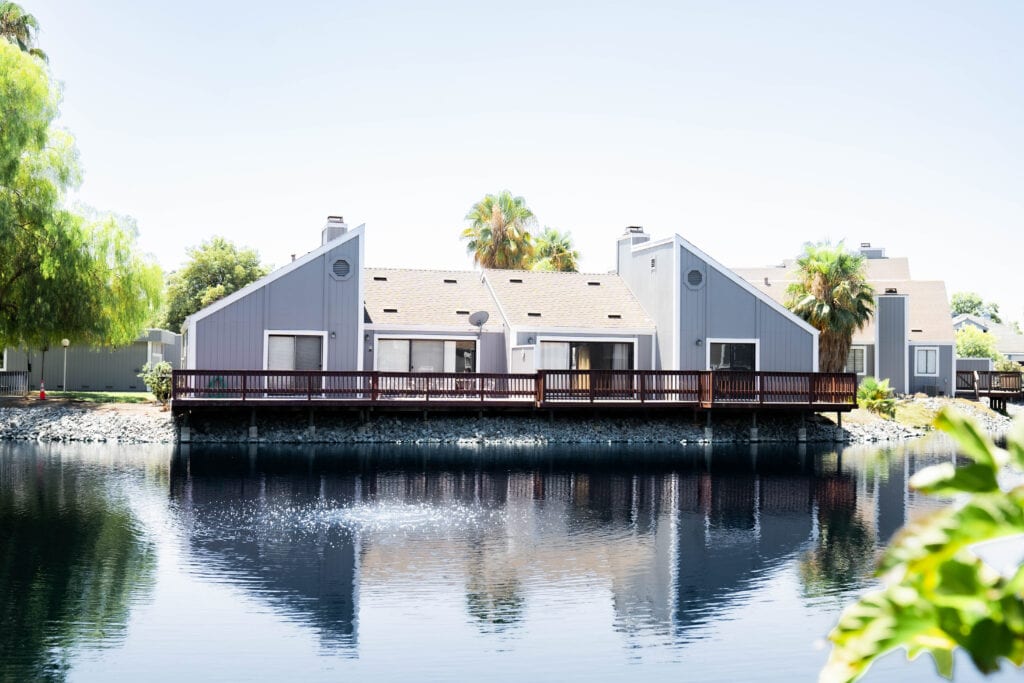
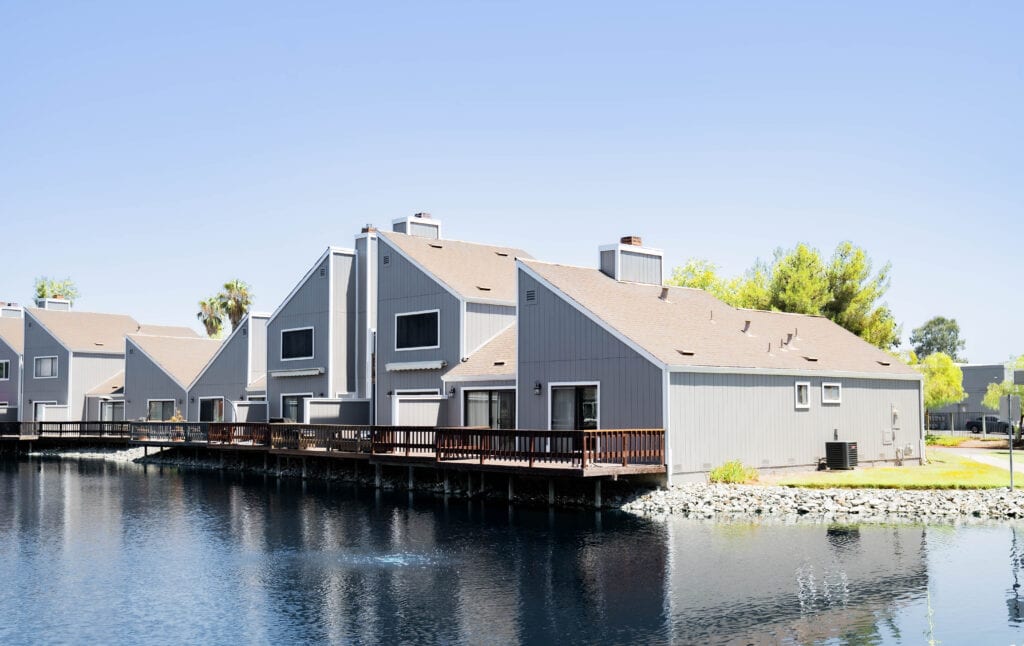
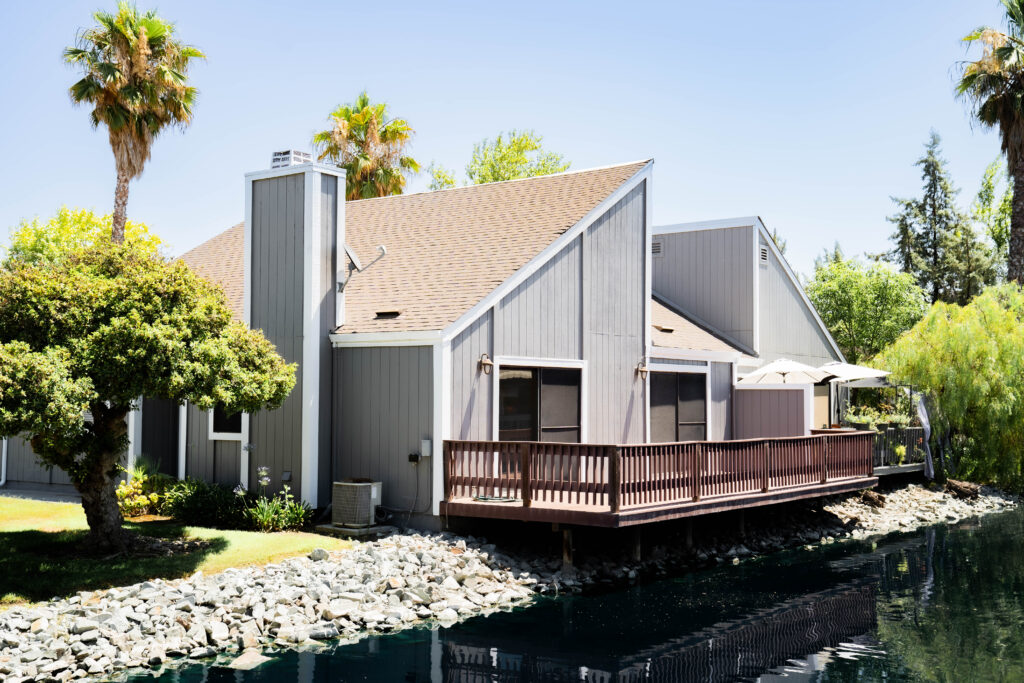
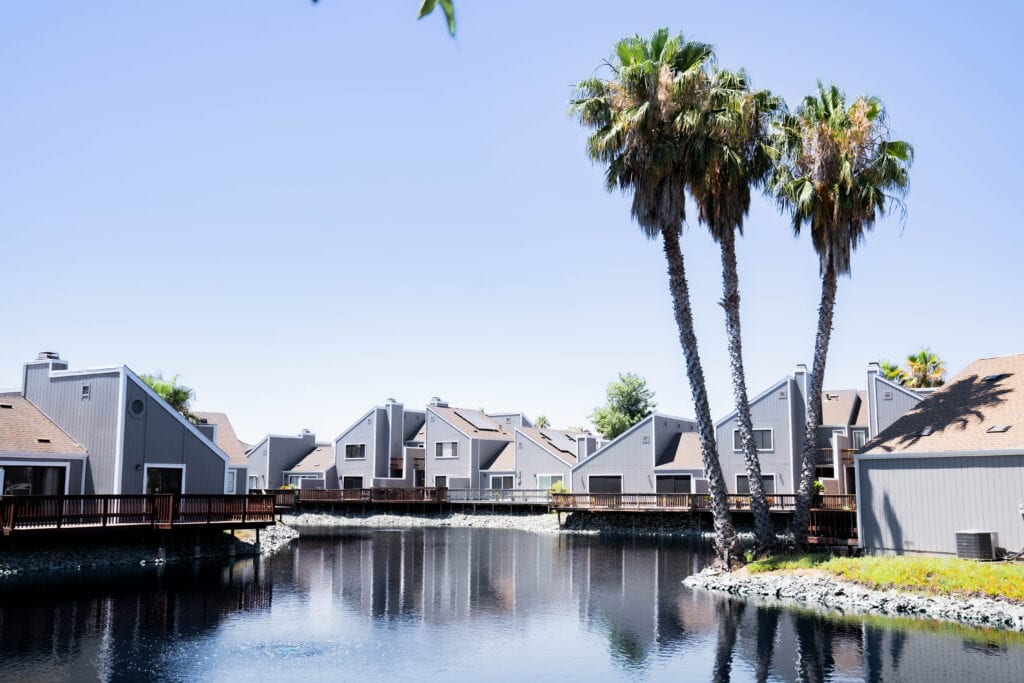
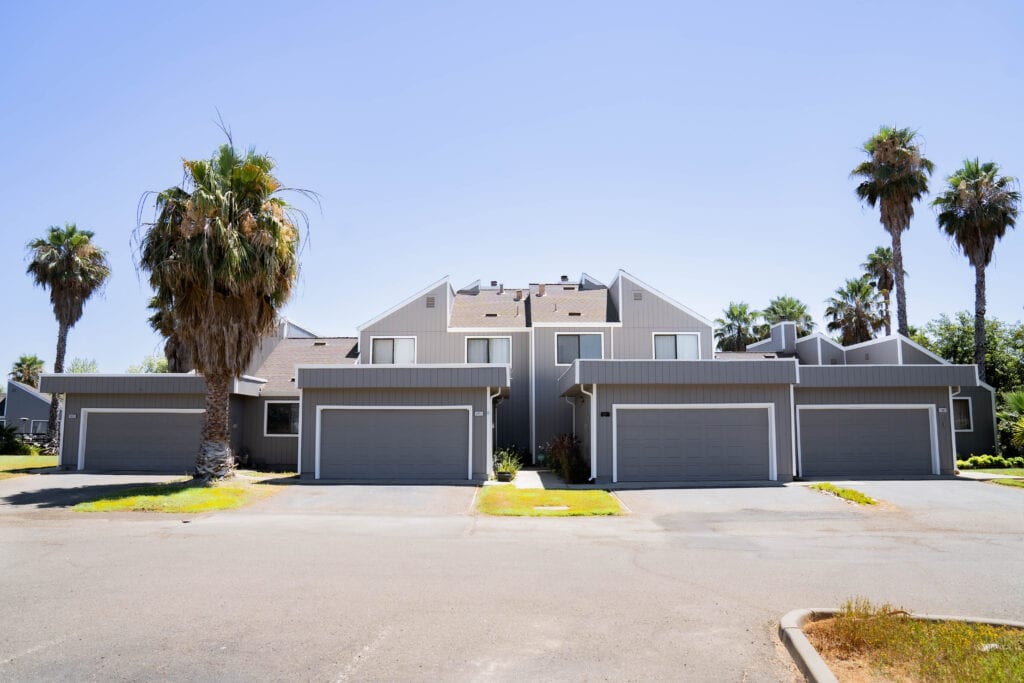
A look at homes we have re-sided and re-glazed across Sacramento, the Bay Area, and Lake Tahoe.


★★★★★ Rated 4.9 from 69 Google reviews
Heritage Exteriors is beyond exceptional. Very impressed with the timeliness, communication, and reasonable price of the whole project.
Heritage replaced my old crumbling wood siding and did a fantastic job. From the first interactions assessing the project and providing a quote, to the project itself, was all exceptional. My home looks brand new.
We recently had our house re-sided with Hardie product. We interviewed 3 companies, one of them being Heritage Exteriors. From our first meeting with David to the last day's work touching up paint, the experience was excellent.