★★★★★
Heritage Exteriors is beyond exceptional. Very impressed with the timeliness, communication, and reasonable price of the whole project.
Scott Doyen
Sacramento, CA · Google
Sacramento, CA · Google

Start from what you are seeing. Every Heritage Exteriors guide on siding damage, sorted by symptom, material and region.
Get a Free EstimateMost siding problems show up as a symptom first: a soft board, a stain, a panel that rattles. This page gathers every guide we have written on siding damage and sorts them by what you are seeing, so you can work out what is going on before you call anyone.
| What you are seeing | Where to start |
|---|---|
| Wood gives or crumbles when pressed | Soft spots and rot |
| Stains, streaks or water marks inside near an exterior wall | Leaks and water behind the siding |
| Green or black growth on the siding | Mold, mildew and plant growth |
| Boards cracked, wavy, bulging or rattling in wind | Cracks, warping, buckling and loose panels |
| Paint peeling, blistering, fading or chalky | Peeling paint, fading and stains |
| Rust streaks, white crust or popped nails | Peeling paint, fading and stains |
| Round holes, sawdust or mud tubes | Pests and woodpeckers |
| Dents, splits or missing pieces after a storm | Storm, hail, heat and fire exposure |
| Swollen edges on composite or hardboard siding | Repair by siding material |
Not sure what you are looking at? Start with these. For our repair service itself, see our siding repair guide.
Wood that gives under a screwdriver, crumbles at the edges, or has paint that will not stay on is the most common problem we find on older homes.
Water that gets behind the cladding does its damage out of sight. These explain how it gets in and how to stop it.
Boards that crack, wave, or move in the wind usually point to one of a few causes. The fix depends on which one.
Finish problems are sometimes cosmetic and sometimes the first visible sign of water in the wall.
Coverage depends on your policy and on the cause of the damage, so your insurer and your policy wording have the final say.
Each material fails in its own way and is repaired differently.
Valley sun, Bay Area fog and Sierra snow wear siding out in different ways.
Surface problems are often exactly that. But staining inside the house, wood that is soft to the touch, and damage that keeps coming back after a repair usually mean water is reaching the sheathing or framing behind the siding, and that cannot be judged from the outside. We open the wall where needed, show you what is there, and put the repair scope in writing before any work starts. See our siding repair service, published cost ranges, or ask for an inspection.
This page is an index of Heritage Exteriors’ siding repair guides. For costs, insurance and code questions, the linked guide, your policy, or your local building department has the specifics.
How do I know if siding damage is just cosmetic?
Cosmetic damage stays on the surface: faded color, light chalking, or a dent with firm material around it. Damage that is more than cosmetic usually shows as softness when you press the board, swelling at the edges, stains that return after cleaning, or signs of water inside the house. The symptom table above points to the guide for each.
Should I repair or replace my siding?
Repair makes sense when the damage is limited to a few boards or one area and the wall behind it is sound. Replacement becomes the better value when damage is spread across several walls, when the material is failing as a type (as hardboard siding often does), or when matching the existing siding is no longer possible. Our repair versus replacement guide explains how to tell.
Why can a siding repair quote change once work starts?
Because the condition of the sheathing and framing behind the siding cannot be seen until the siding is removed. A good quote says how that discovery will be handled, for example by pricing additional repair per board or per sheet in advance, so there are no open-ended surprises. Our guide on getting a real siding repair quote covers what to look for.
Does homeowner’s insurance cover siding damage?
It depends on your policy and on the cause. Sudden damage such as a storm or a fallen branch is treated differently from gradual wear, rot or pests. Our insurance guides explain the general rules, but your insurer and your policy wording decide any claim.
Can you repair siding without replacing the whole wall?
Often, yes. Individual boards and panels can usually be replaced and the new material matched for profile and color. Matching is easier with current products than with discontinued ones, and weathered siding may need the repaired area painted so it blends in. Our guide on matching replacement siding covers the details.
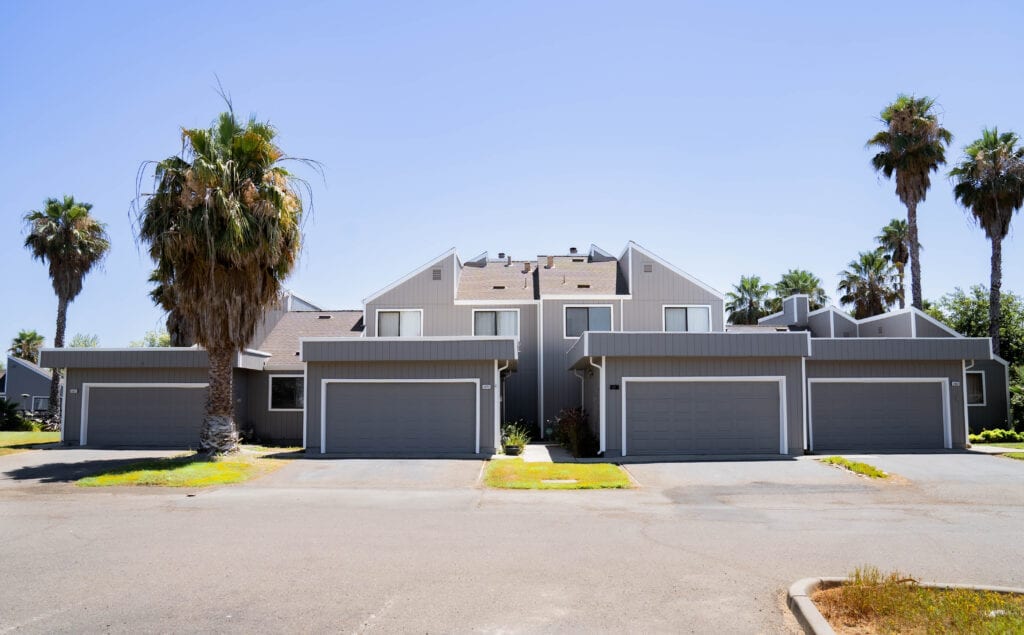
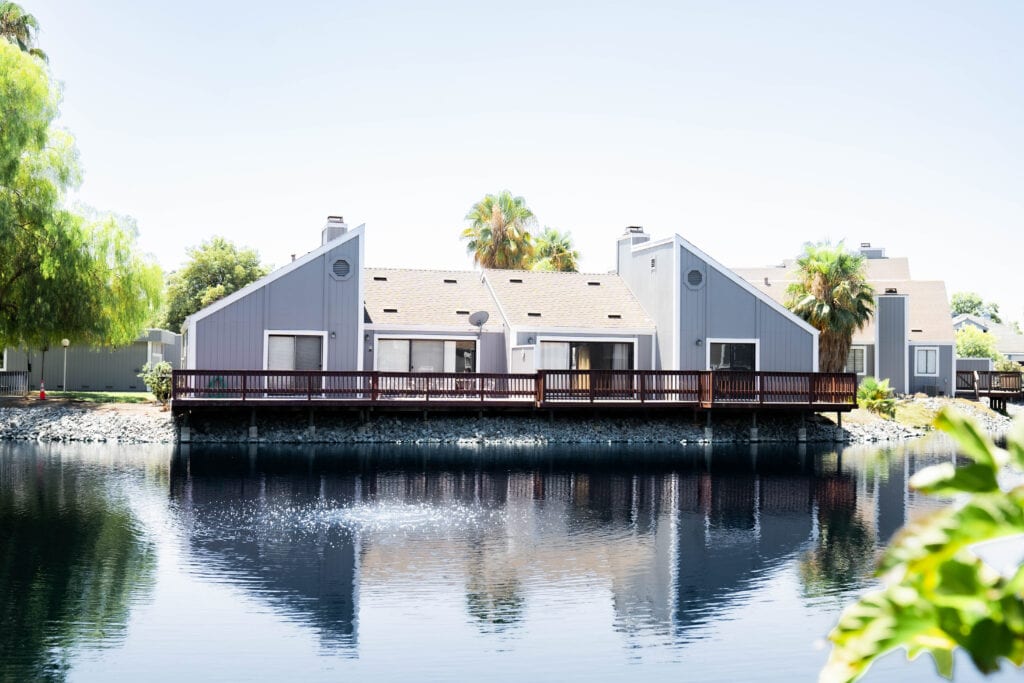
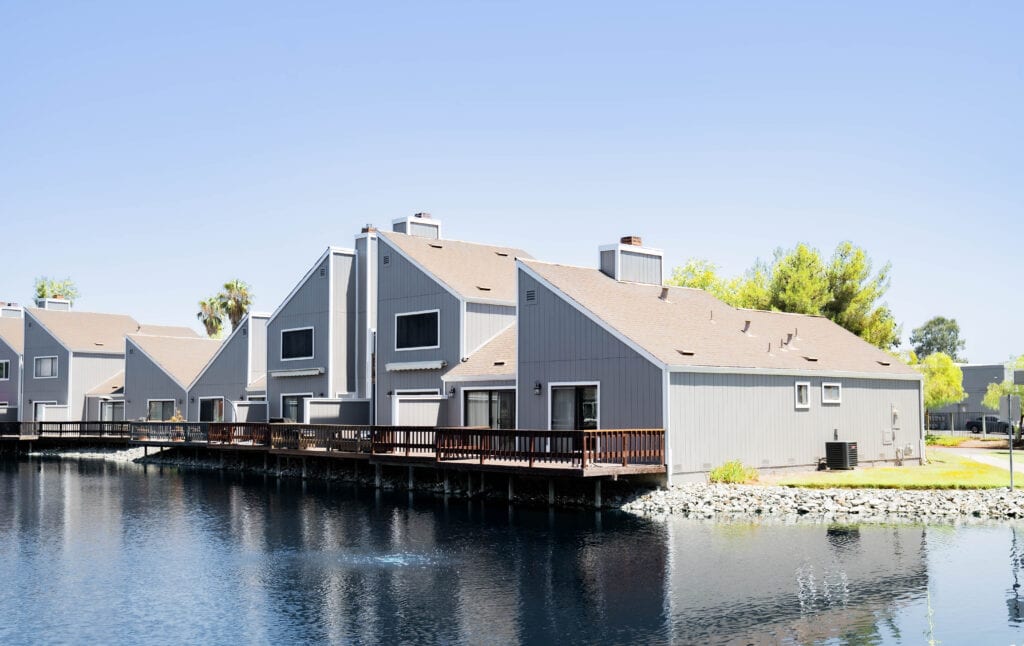
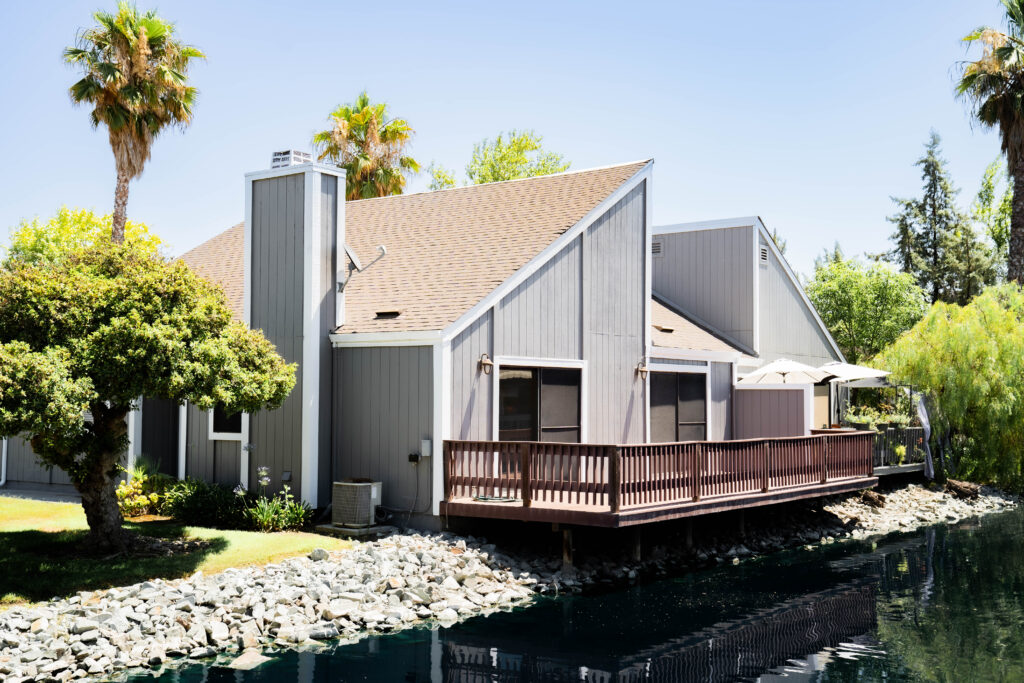
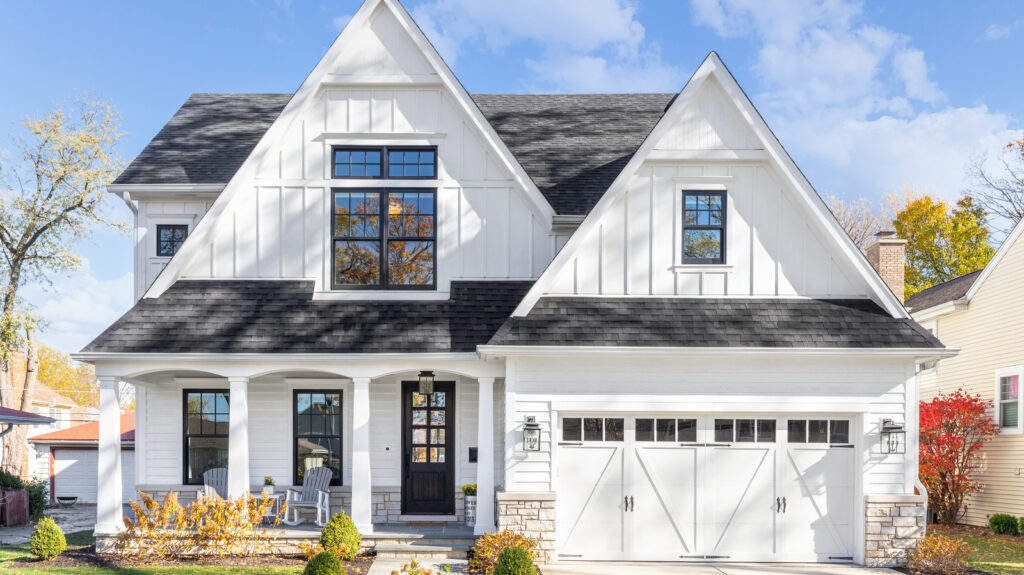
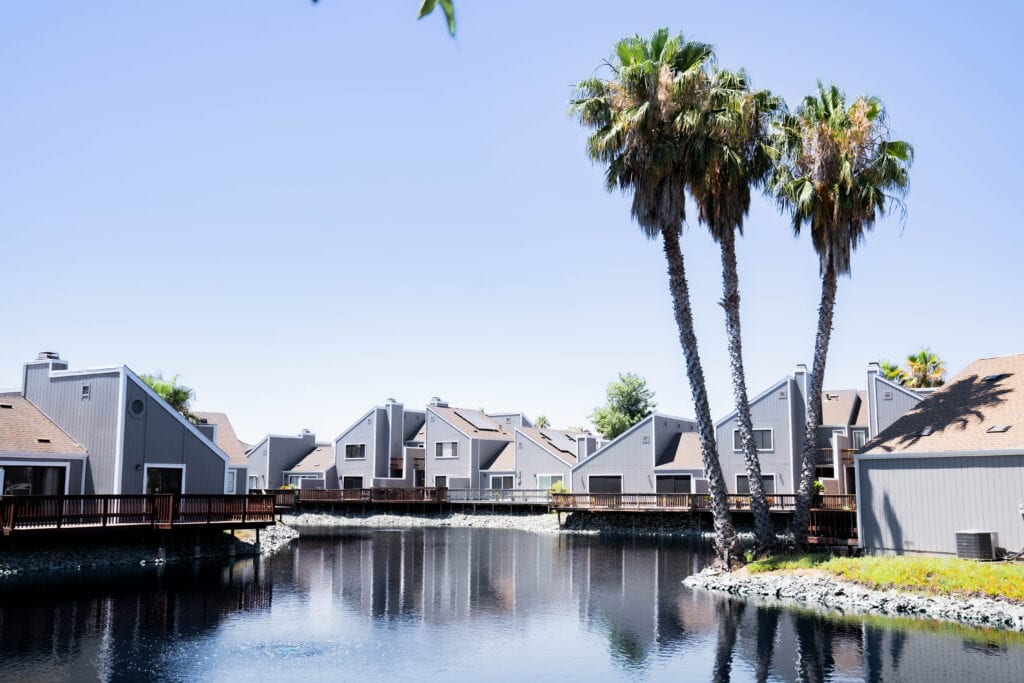
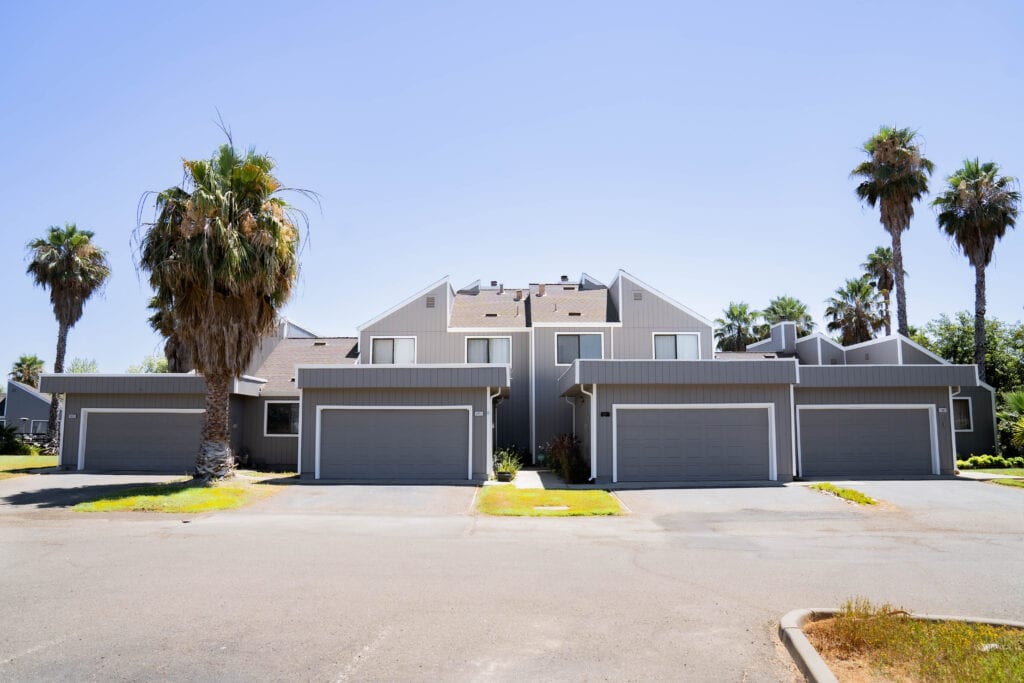
A look at homes we have re-sided and re-glazed across Sacramento, the Bay Area, and Lake Tahoe.

★★★★★ Rated 4.9 from 69 Google reviews
Heritage Exteriors is beyond exceptional. Very impressed with the timeliness, communication, and reasonable price of the whole project.
Heritage replaced my old crumbling wood siding and did a fantastic job. From the first interactions assessing the project and providing a quote, to the project itself, was all exceptional. My home looks brand new.
We recently had our house re-sided with Hardie product. We interviewed 3 companies, one of them being Heritage Exteriors. From our first meeting with David to the last day's work touching up paint, the experience was excellent.
From the blog
Siding Repair vs. Replacement: How to Know Which You Really Need
Read more →From the blog
Rust Streaks, White Chalk and Popped Nails: Reading Siding Stains
Read more →From the blog
How to Get a Real Siding Repair Quote
Read more →From the blog
Hardboard Siding Failures: Causes, Signs and What to Do
Read more →