★★★★★
Heritage Exteriors is beyond exceptional. Very impressed with the timeliness, communication, and reasonable price of the whole project.
Scott Doyen
Sacramento, CA · Google
Sacramento, CA · Google

Most window break-ins do not involve breaking glass. They involve an unlocked window, a slider lifted out of its track, or a latch that gives way to a pry bar. Here is what actually makes a window harder to get through, what the test standards mean, and where California law draws the line on bars.
Get a Free EstimateWindow security is usually sold as a product: a film, a bar, a "security window." It works better treated as a sequence. A burglar looking at a window wants it to open quickly and quietly, so the job is to remove the quick, quiet options one at a time, starting with the cheapest. This page goes through them in that order. It is part of our California window guide.
How a window locks depends on how it opens, and the types are not equal.
| Window type | How it locks | Typical weak point | Worth adding |
|---|---|---|---|
| Horizontal slider | A latch where the sash meets the frame or the fixed panel | Lifting the sash out of the track; forcing a small latch | Anti-lift block, secondary pin or track lock |
| Single-hung and double-hung | Cam (sash) lock at the meeting rail | Prying the sashes apart at the meeting rail; a single lock on a wide sash | Second sash lock on wide units; vent stops for locked ventilation |
| Casement | Lever-operated lock that pulls the sash into the frame, often at several points | Left on the crank but not locked | Usually nothing; lock it |
| Awning | Similar to a casement | Left open for ventilation | Usually nothing |
| Fixed (picture) | Does not open | The glass itself | Laminated glass where exposed |
| Jalousie (louvered) | Barely | Individual glass slats can be slid out | Replacement |
A casement with a multi-point lock is among the hardest common windows to pry, because the sash is clamped into the frame along its edge and there is no meeting rail to work at. A sliding window is among the easiest, which is why sliders get their own section below. If you are choosing styles, see how to choose a window style.
California is slider country. Millions of tract houses were built with aluminum horizontal sliding windows and sliding patio doors, and the design has a built-in weakness: the sash sits in a bottom track and is held in at the top only by a channel with enough clearance to let it be installed. If there is too much clearance, a closed and latched sash can be lifted until its bottom edge clears the track, then swung out.
The fixes are simple:
If you have original single-pane aluminum sliders, the latch, the track and the glass are all weak, and that is a fair reason to put those windows first in a replacement plan. Our page on sliding windows covers the current designs, and a separate guide covers sliding patio door replacement.
This is the most misunderstood point in window security.
Tempered glass is heat-treated to be stronger than ordinary annealed glass, and when it breaks it breaks completely, into small granular pieces. That is the purpose: it is safety glazing, intended to reduce cutting injuries, and the code requires it in specific hazardous locations such as doors, glass next to doors, and glass near the floor or a tub. But a broken tempered pane leaves nothing in the opening. A center punch defeats it in a second.
Laminated glass is two sheets of glass bonded to a plastic interlayer, like a car windshield. When it breaks, the fragments stay stuck to the interlayer and the pane stays in the frame. Getting through takes repeated blows, time and noise. That delay is what security is.
Both types can qualify as safety glazing. The 2025 California Residential Code, Section R324 (formerly R308), requires safety glazing in hazardous locations to meet the federal standard at 16 CFR 1201 or ANSI Z97.1, and laminated products are tested to the same standards. So laminated glass can go where tempered is required, if it carries the right marking. Our page on California tempered glass requirements lists the locations.
Laminated glass in an insulated window brings a side benefit: it is also one of the standard ways to cut noise (see types of soundproof windows). Its cost is weight and price, so most homeowners use it selectively: ground-floor windows out of sight, sidelights beside an entry door, and glass within reach of a door lock. Other glass options are at types of window glass.
If a window brochure mentions forced-entry resistance, it is referring to one of these.
The current forced-entry test for windows is ASTM F588, "Standard Test Methods for Measuring the Forced Entry Resistance of Window Assemblies, Excluding Glazing Impact." The current edition is F588-26. It simulates the methods of unskilled or opportunistic burglars, with loads and simple tools applied to the sash, frame and hardware, and it assigns a performance grade of 10, 20, 30 or 40, with 40 the most resistant.
Read the title again: excluding glazing impact. An F588 grade tells you the sash cannot easily be pried, lifted or manipulated open. It tells you nothing about what happens when someone hits the glass.
The North American Fenestration Standard (AAMA/WDMA/CSA 101/I.S.2/A440) is the general performance standard windows are certified to for air, water and structural load. It incorporates forced-entry testing, and operable windows certified to NAFS are typically tested to F588 at Grade 10 where the test applies. So most certified windows from reputable manufacturers have passed the basic grade. Few are tested higher, and a higher grade is worth asking about for a vulnerable opening.
You will still find AAMA 1302.5 and CAWM 301 cited on websites and in old spec sheets. Both are obsolete. A current product should point to ASTM F588 or to NAFS.
One practical note: a rating applies to the window as tested. It does not survive a poor installation. A frame that is not fastened properly into the opening can be forced as a unit, whatever its grade.
Security film is a thick polyester film applied to the inside face of existing glass. When the glass breaks, the film holds the pieces together and the pane tends to stay in place for a time.
Film makes sense on sound existing windows you are not replacing. If you are buying new windows, specify laminated glass instead.
Bars stop entry. They can also stop exit, and in a house fire that is the greater danger. California's rules exist for that reason.
The same principle applies to anything else across an escape window: a security screen, a fixed secondary lock that needs a key, or a window painted or screwed shut. Our page on egress window regulations covers the opening sizes; note that current code numbers these rules R319.
Security must also not defeat child safety. Devices that limit how far a window opens are covered in window fall prevention and child safety.
California Civil Code section 1941.3 has required landlords, since 1 July 1998, to install and maintain operable window security or locking devices on windows that are designed to be opened. Louvered and casement windows are excluded, as are windows more than 12 feet vertically or 6 feet horizontally from the ground, a roof or any other platform. The same section requires a deadbolt on each main swinging entry door. Tenants are responsible for telling the landlord when a lock is inoperable, and the landlord's liability turns on failing to fix it within a reasonable time after notice.
The owner's side of this is in landlord window obligations in California, and our work for owners is described on the property managers page.
A contact sensor tells you a window has been opened, and a glass-break sensor that it has been smashed. Neither makes the window harder to get through, but both shorten the time an intruder is willing to stay. Built-in and add-on options are described in smart glass and motorized windows.
Most houses get most of the benefit from the first three, which cost very little.
We will check the locks, tracks and glass on your existing windows and tell you which ones a secondary lock would fix and which are worth replacing. When we quote new windows for an exposed opening, we will price laminated glass as an option and tell you what forced-entry grade the manufacturer publishes for the product. Licensed in California, CSLB #1055919. Call (916) 546-2991.
Is tempered glass security glass?
No. Tempered glass is safety glass: it is stronger than ordinary glass against impact, and when it does break it crumbles into small particles that are less likely to cut you. Once broken, though, the whole pane falls away and leaves an open hole. Laminated glass is the type that resists entry, because the broken pieces stay bonded to a plastic interlayer.
What does a forced-entry rating on a window mean?
It means the assembled window was tested to ASTM F588, which measures resistance to the kind of attack an unskilled or opportunistic burglar makes: prying, lifting and manipulating the sash and hardware. Grades run from 10 to 40, with 40 the highest. The test deliberately excludes breaking the glass, so a rating says nothing about the glazing.
Are window security bars legal in California?
Yes, with a condition that matters. Bars, grilles or screens over a bedroom escape window must be releasable or removable from the inside without a key, a tool or unusual force, under Section R319.4.4 of the 2025 California Residential Code. Separately, Health and Safety Code section 13114.2 bars the sale and installation of burglar bars and release mechanisms that have not been approved by a testing laboratory recognized by the State Fire Marshal.
Does my landlord have to provide window locks?
In most cases, yes. Civil Code section 1941.3 requires landlords to install and maintain operable window security or locking devices on windows designed to be opened, with exceptions for louvered and casement windows and for windows more than 12 feet vertically or 6 feet horizontally from the ground, a roof or another accessible platform. You must tell the landlord if a lock is broken.
How do I stop a sliding window being lifted out?
Reduce the clearance above the sash so it cannot be raised far enough to clear the bottom track, and add a secondary lock or a bar in the track so it cannot slide. Many newer sliders have anti-lift blocks built in. On an older aluminum slider, a secondary pin lock and a properly fitted block in the upper track are inexpensive and effective.
Is security film as good as laminated glass?
No, though it helps. Film applied to existing glass holds the broken pieces together for a while and slows entry, especially if its edges are anchored to the frame. It is an add-on to glass that was not designed for it, and it can affect the glass warranty on insulated units. Factory laminated glass is the more robust answer when you are buying new windows anyway.
Which windows should I secure first?
The ones nobody can see: ground-floor windows at the side and back of the house, behind fences and shrubs, and any window reachable from a flat roof, a deck or a fence. Then sliding windows and doors of any age. Call (916) 546-2991 if you would like us to look at the hardware on your existing windows before deciding what to replace.
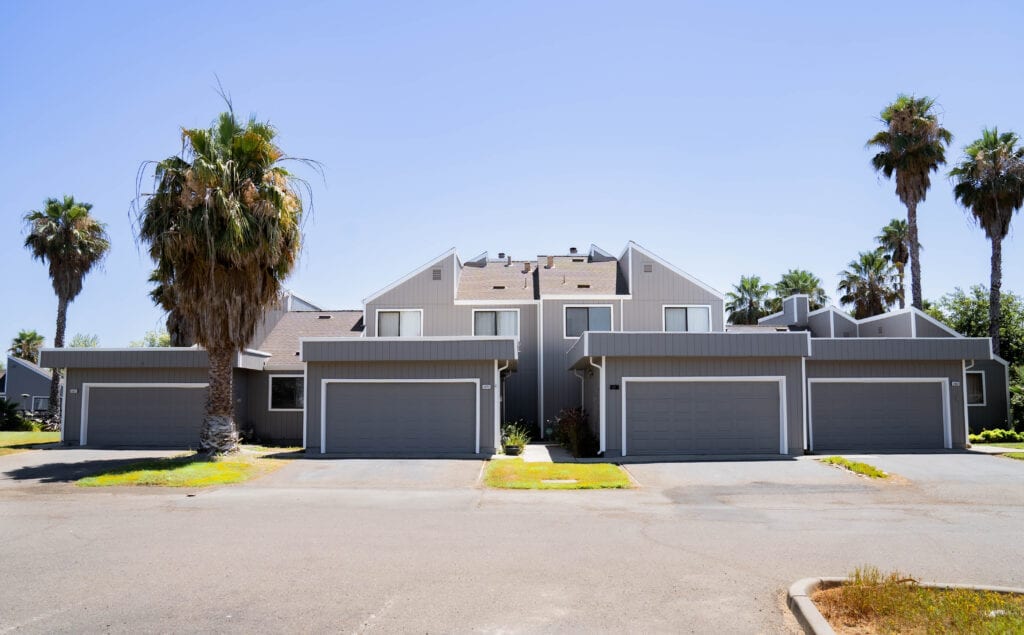
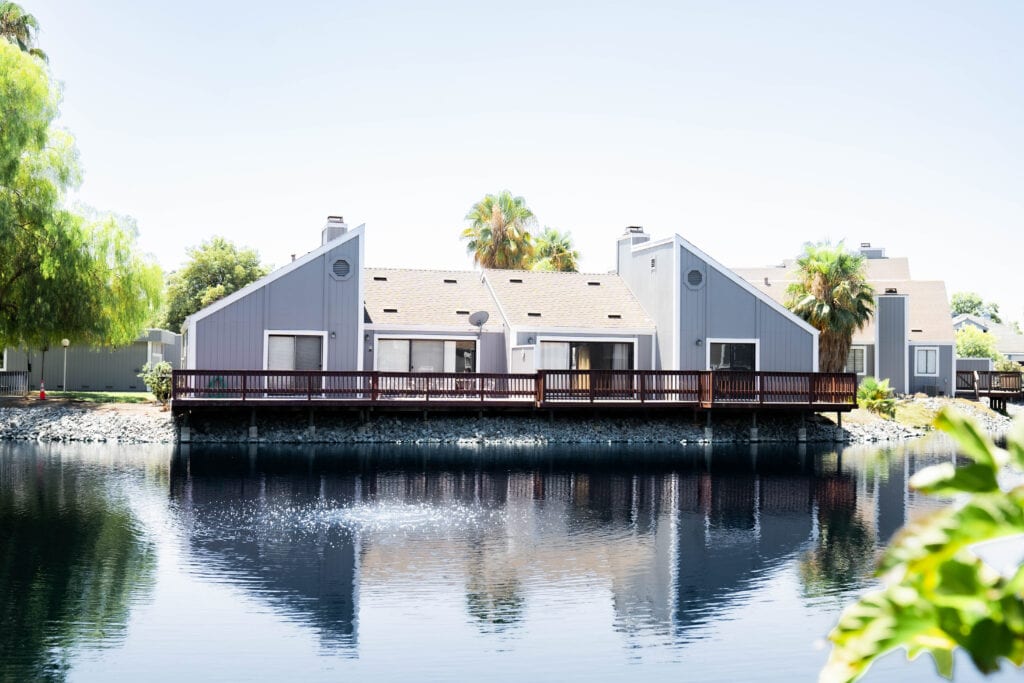
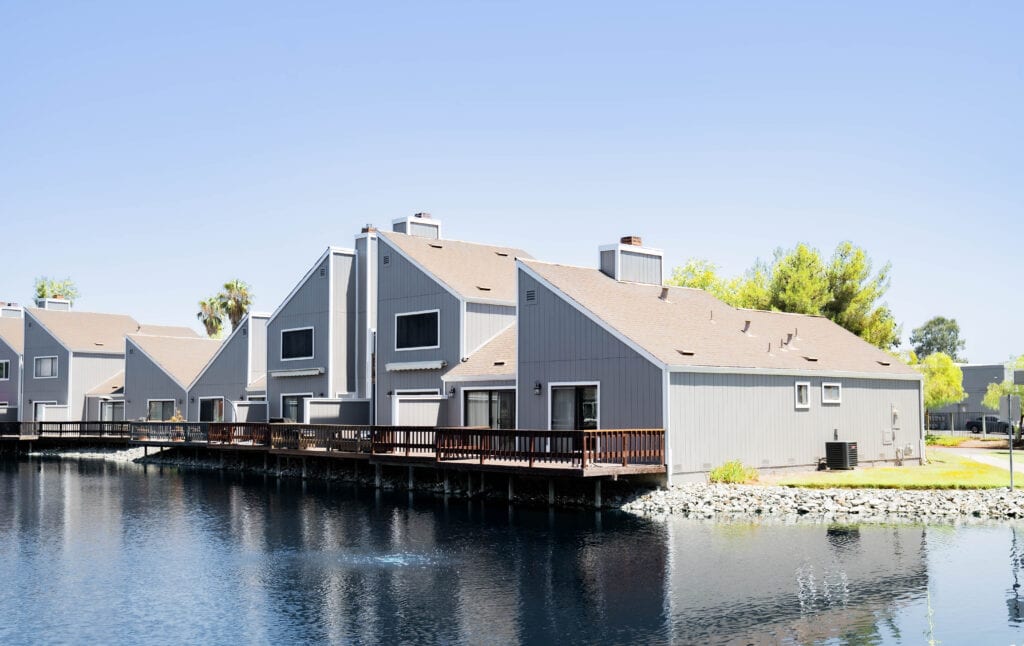
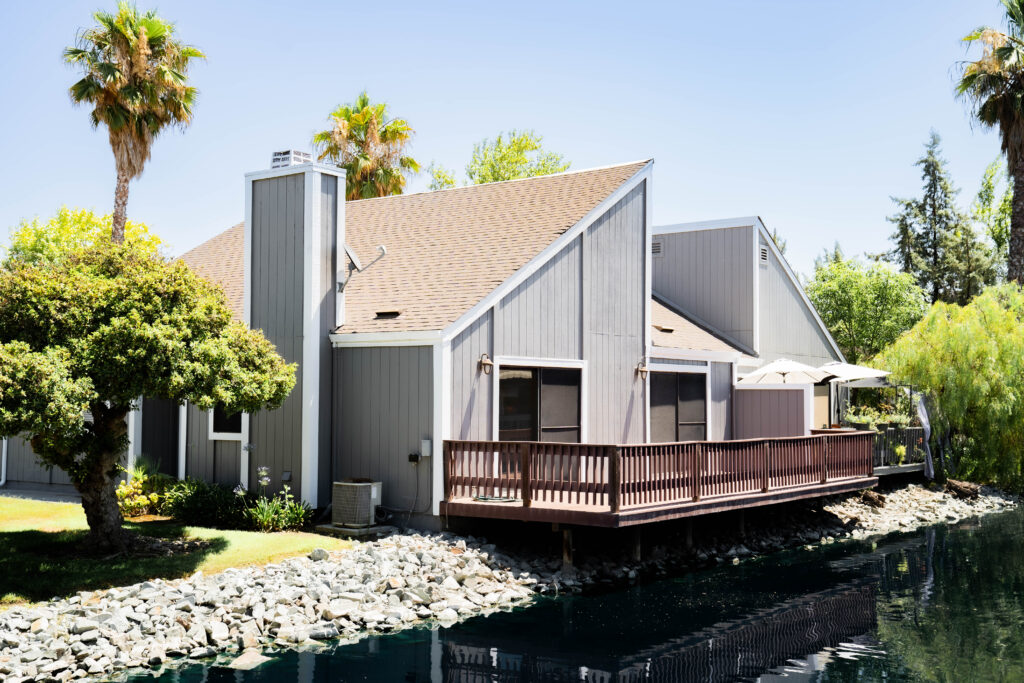
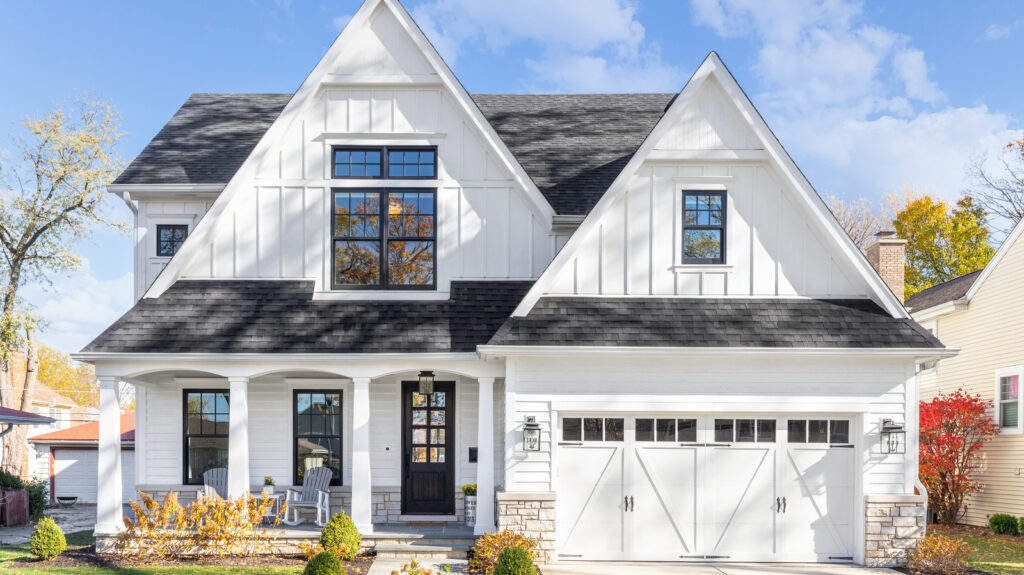
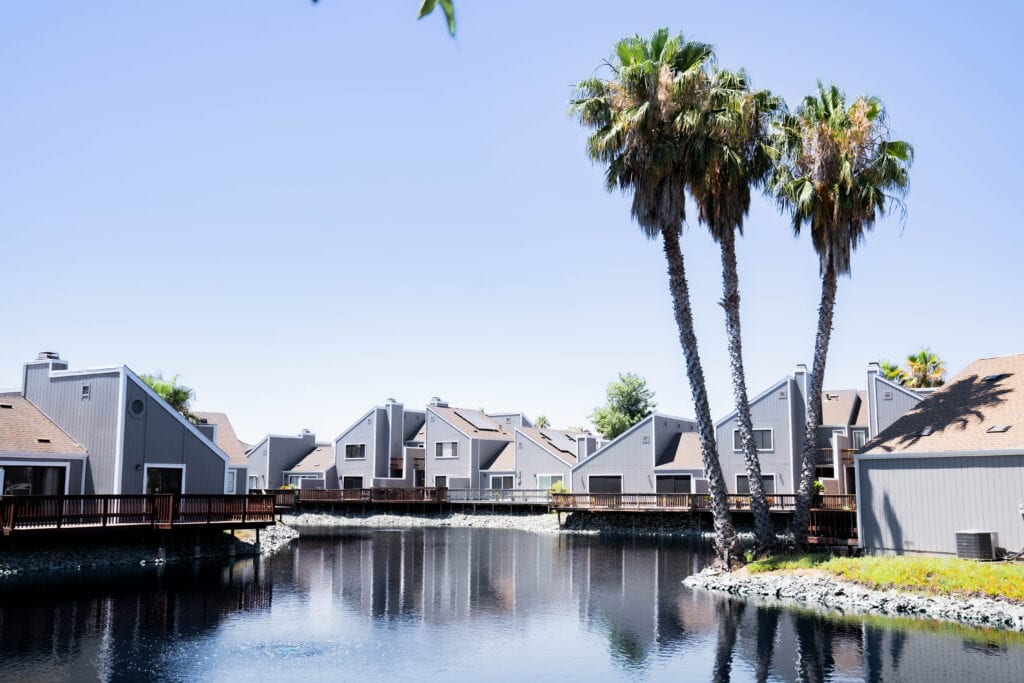
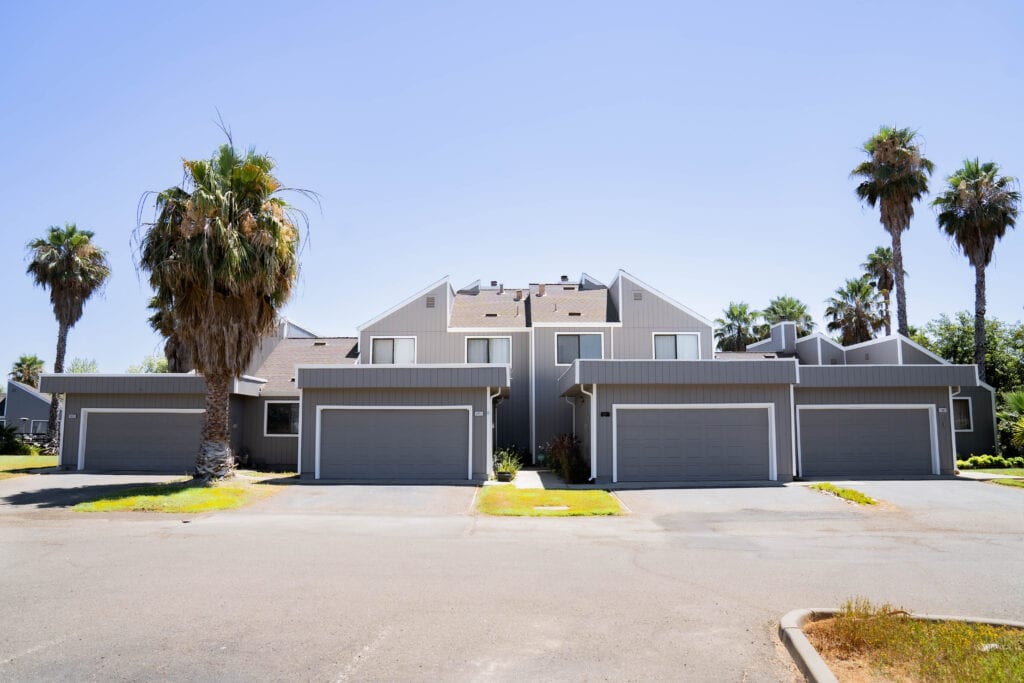
A look at homes we have re-sided and re-glazed across Sacramento, the Bay Area, and Lake Tahoe.

★★★★★ Rated 4.9 from 69 Google reviews
Heritage Exteriors is beyond exceptional. Very impressed with the timeliness, communication, and reasonable price of the whole project.
Heritage replaced my old crumbling wood siding and did a fantastic job. From the first interactions assessing the project and providing a quote, to the project itself, was all exceptional. My home looks brand new.
We recently had our house re-sided with Hardie product. We interviewed 3 companies, one of them being Heritage Exteriors. From our first meeting with David to the last day's work touching up paint, the experience was excellent.