★★★★★
Heritage Exteriors is beyond exceptional. Very impressed with the timeliness, communication, and reasonable price of the whole project.
Scott Doyen
Sacramento, CA · Google
Sacramento, CA · Google

A picture window is a fixed pane with no moving parts. It is the best-sealing, clearest-viewing window you can buy, and it is also the one most likely to run into the tempered glass rule, the egress rule and a west-facing heat problem.
Get a Free EstimateThe picture window became a feature of the California ranch house: one large fixed pane in the living room wall, facing the street or the back garden. It is still the right answer where the purpose of a window is to see out. It is the wrong answer where the purpose is to let air in or to let a person out.
This page is part of our California window guide. It covers what fixed glass does well, the code rules that apply to it, and how to combine it with windows that open.
A picture window is a fixed, non-operable unit: glass sealed directly into a frame. There is no sash to move, no lock, no rollers or hinges, and no insect screen. Manufacturers also call it a fixed window or a direct-set window.
There are two ways it can be built, and the difference shows when a fixed unit sits next to an operable one.
If you are putting a fixed unit between two operable ones, decide whether you want the glass lines to align across all three. Direct-set glass will be wider and taller than the glass in the units beside it, which some people like and some find untidy. Ask to see the combination drawn before you approve it.
No meeting rail, no center stile, no screen. Nothing else gives as much clear glass for the size of the hole in the wall.
Every operable window has a joint between a moving sash and a frame, and that joint is where air leaks. A fixed unit does not have one. Installed and flashed properly, it is the tightest window in the house.
Because a fixed frame is slimmer, more of the unit is glass, and the certified figures for a fixed unit are often slightly better than for the operable version in the same product line. Check the NFRC label for the exact unit instead of assuming it. Our guide to reading an NFRC label explains the figures.
With no hardware, there is nothing to adjust, lubricate or replace. What is left to look after is the glass and the sealant around the frame.
There is no single maximum size. Each manufacturer publishes limits for each product line, and several things set them:
When an opening is larger than one unit can be, it is filled with two or more units joined at a mullion. A structural mullion is rated for the wind load it has to carry, so this is a manufacturer's detail, not something improvised on site.
Picture windows meet the safety glazing rule more often than any other type, because they are large and often set low. Under the 2025 California Residential Code, Section R324.4.3 (formerly R308.4.3), glazing in a window is in a hazardous location, and must be safety glazing, when all four of these are true:
A pane 4 feet wide and 5 feet tall with its bottom edge a foot off the floor meets all four. The same pane with its bottom edge at 20 inches does not meet the second condition, so this rule alone does not require tempering it.
Other triggers apply regardless of size:
The code lists exceptions, including one for a protective rail in front of the glass. Our page on California's tempered glass requirements goes through the locations in detail. Two practical points: safety glazing has to be permanently marked by the manufacturer, so an inspector can see it, and tempered glass cannot be cut after tempering, so the size has to be right when it is ordered.
Tempered glass is a safety product. It breaks into small pieces to reduce injury. It is not a security product and does not stop someone getting in. If a large ground-floor pane worries you from that angle, laminated glass is the thing to ask about, and our window security guide explains the difference.
The 2025 California Residential Code, Section R319.1 (formerly R310.1), requires every sleeping room, along with basements and habitable attics, to have at least one operable emergency escape and rescue opening. The required opening is at least 5.7 square feet net clear, or 5 square feet at a grade floor, at least 24 inches high and 20 inches wide, with the bottom of the opening no more than 44 inches above the floor.
A picture window cannot meet this at any size, because it does not open. Three situations come up on real jobs:
The code allows a door that opens directly outside to serve instead of a window in some cases, and it has a specific allowance for like-for-like replacement windows in existing openings. Neither helps a fixed unit. The site's egress window page has the detail.
The usual answer to a picture window's weaknesses is to combine it with something that opens. The common arrangements:
| Combination | What you get | Watch for |
|---|---|---|
| Fixed center, casement each side | Best ventilation, and each casement can be hinged to catch the breeze | Open sashes project outside; check paths and patios |
| Fixed center, single-hung or double-hung each side | Traditional look; nothing projects | Each flanker opens only half its area |
| Fixed pane over an awning window | Low-level air even in light rain; clear view at eye height | The low glass may need tempering under R324.4.3 |
| Fixed pane beside a slider | Familiar on ranch houses; lowest cost of the four | Frame lines rarely align with the fixed pane |
See casement windows, awning windows and sliding windows for each type. Shaped fixed units, such as half-rounds and trapezoids above a main window, are covered on the special shapes page.
A large pane lets in a lot of daylight, and with it the ultraviolet and visible light that fade floors, rugs and upholstery. Low-E coatings reduce ultraviolet, and laminated glass reduces it further, but no clear glass stops fading altogether, because visible light does part of the damage. If the window faces south or west and the room has a wood floor or artwork, plan for shades as well as good glass.
The same pane works in both directions after dark: a lit room behind a street-facing picture window is on display. Decide how the window will be covered before you choose its size, because very large shades and drapes are their own expense. Where privacy matters more than view, a higher sill or a band of obscure glass in the lower portion is sometimes the better design.
A replacement picture window has to meet the same prescriptive figures as any other replacement window. Under the 2025 Energy Code, for permits applied for on or after 1 January 2026, that is a maximum U-factor of 0.27 in Sacramento, the inland Bay Area, San Francisco and the Sierra, with a maximum SHGC of 0.23 in the zones that have an SHGC requirement, which include Sacramento, Walnut Creek and Napa. San Francisco and Tahoe have no prescriptive SHGC limit. The full table and the small-job exception are on what Title 24 requires of replacement windows.
Meeting the code figure is the floor. For a large west-facing pane in the Valley, comfort depends on the SHGC of the glass and on shade outside it. An overhang, a tree or an exterior shade that stops the sun before it reaches the glass does more than any coating. Our page on the best windows for cooling covers the glass choices.
If you want a larger window than you have now, tell the contractor early. Under the 2025 Energy Code, replacing fenestration with the same total area and adding fenestration area are handled under different subsections of Section 150.2(b)1, and the added-area rules are stricter. It changes the permit paperwork, not just the framing.
We check every large fixed pane against the four tempered-glass conditions and every bedroom against the egress section before we order, and the quote says which panes are tempered and why. Where a room needs air as well as a view, we will draw the combination for you. Licensed in California, CSLB #1055919. Call (916) 546-2991.
Is a picture window more energy efficient than one that opens?
It usually leaks less air, because there is no sash joint to seal. Its U-factor and SHGC are often a little better too, since a fixed frame is slimmer and has more glass in proportion. But a large area of any glass gains and loses more heat than the insulated wall it replaced, so a very big picture window on a west wall can still make a room hotter. Efficiency per square foot and comfort in the room are different questions.
Does a picture window have to be tempered glass?
Only if it is in a location the code treats as hazardous. For an ordinary window, the 2025 California Residential Code, Section R324.4.3 (formerly R308.4.3), requires safety glazing when all four of these are true: the pane is larger than 9 square feet, its bottom edge is less than 18 inches above the floor, its top edge is more than 36 inches above the floor, and a walking surface is within 36 inches of it. Many floor-level picture windows meet all four. Glass next to doors, tubs, showers and stairs has separate triggers.
Can I put a picture window in a bedroom?
Yes, as long as the room still has an operable emergency escape and rescue opening somewhere else. A fixed window can never be that opening, whatever its size. If the window you want to replace is the only one in the bedroom that opens, a fixed unit there removes the room's escape route, and an inspector should not pass it.
How large can a picture window be?
It depends on the manufacturer and the product line. Each publishes maximum widths, heights and total areas for its fixed units, and the limits come from glass weight, wind load and what can be shipped and carried into place. Beyond a single unit's limit, the opening is divided into two or more units joined by a mullion. We cannot give one number that is true for every brand.
Does a picture window cost less than an operable window?
For the same size, generally yes, because there is no hardware, no second sash and no screen. Large sizes change the picture: tempered or laminated glass, thicker glass, extra labor to carry and set a heavy unit, and sometimes a new header all add cost. Our Northern California window cost page has dated installed ranges.
Can I add ventilation to an existing picture window later?
Not to the same unit. A fixed window cannot be converted to an operable one. What can be done is to replace it with a combination, such as a narrower fixed center with a casement each side, or a fixed pane with an awning window below, in the same rough opening. Call (916) 546-2991 and we will sketch the options against the opening you have.
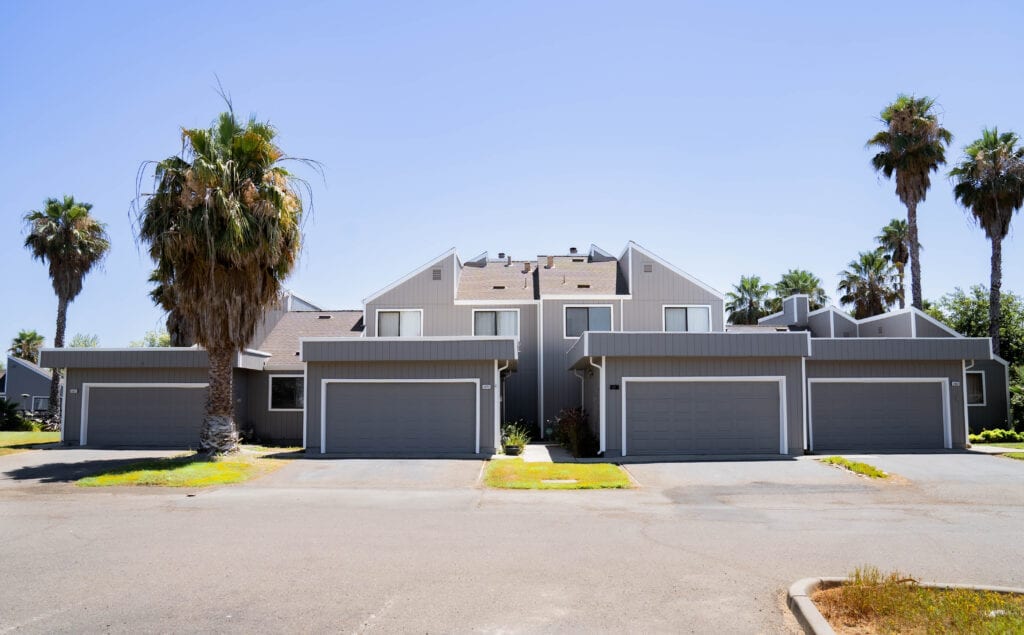
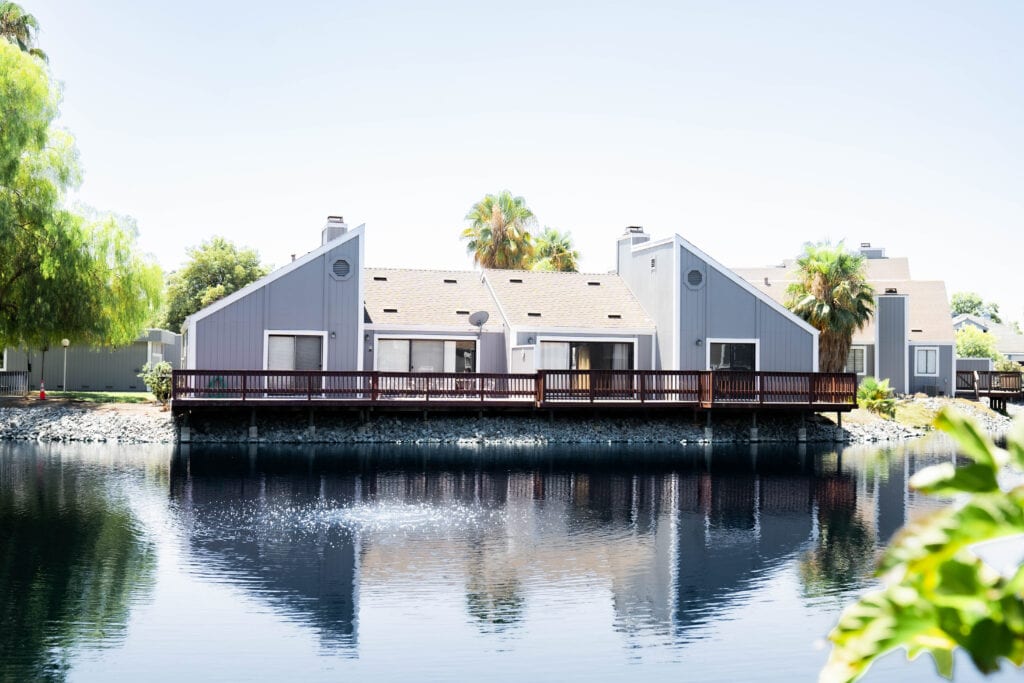
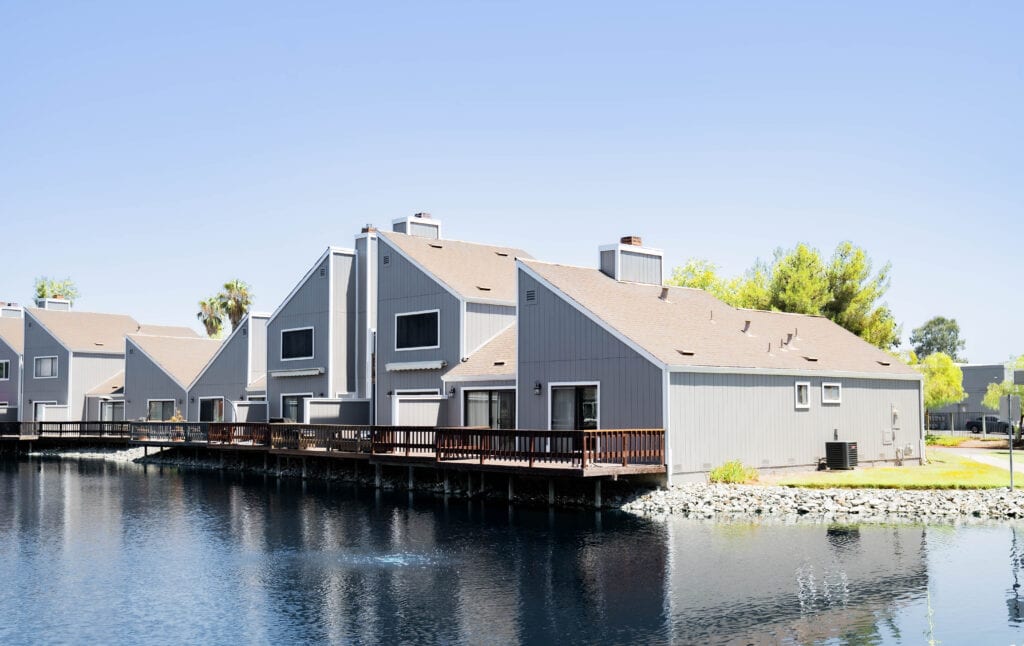
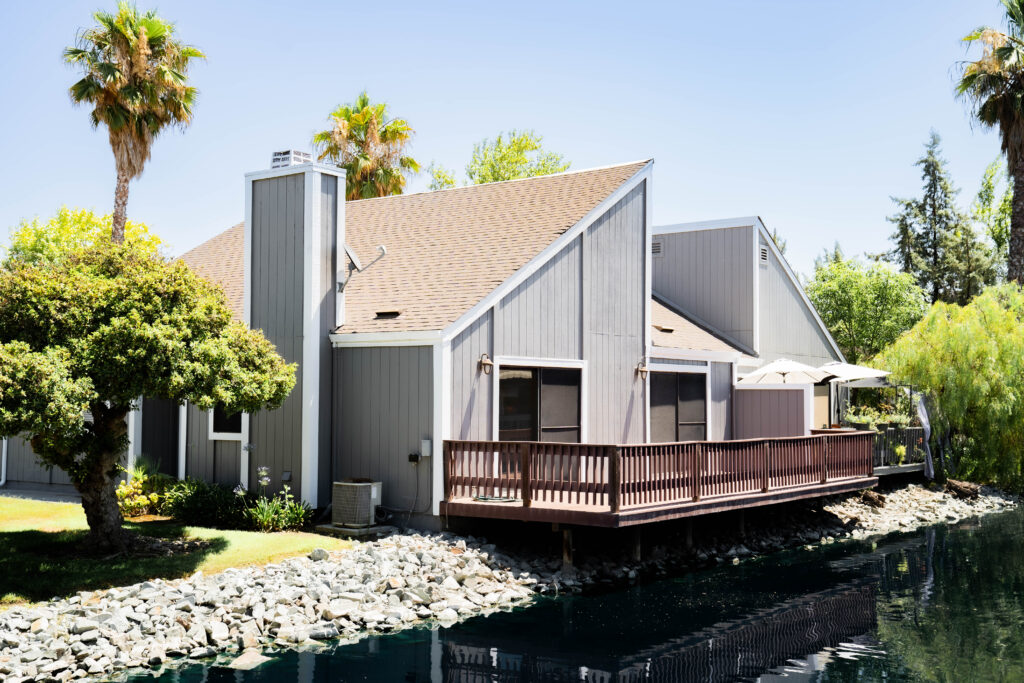
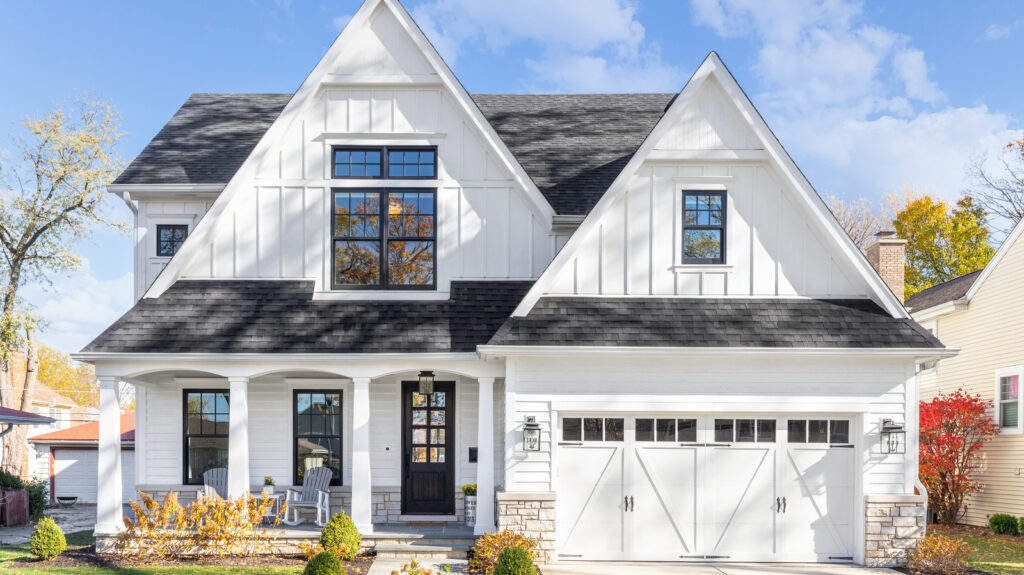
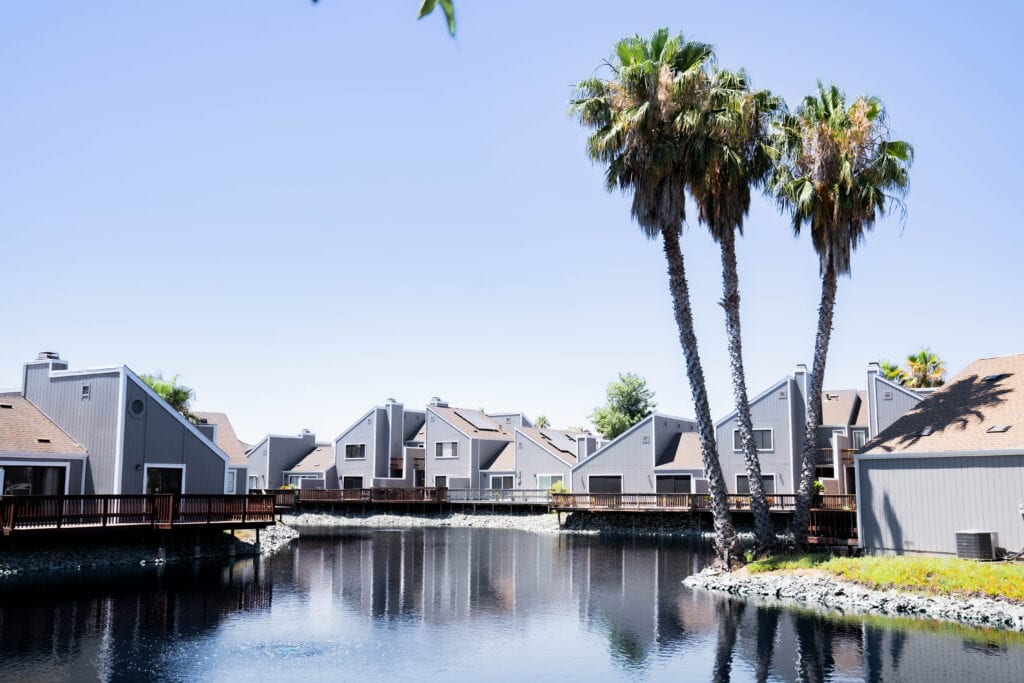
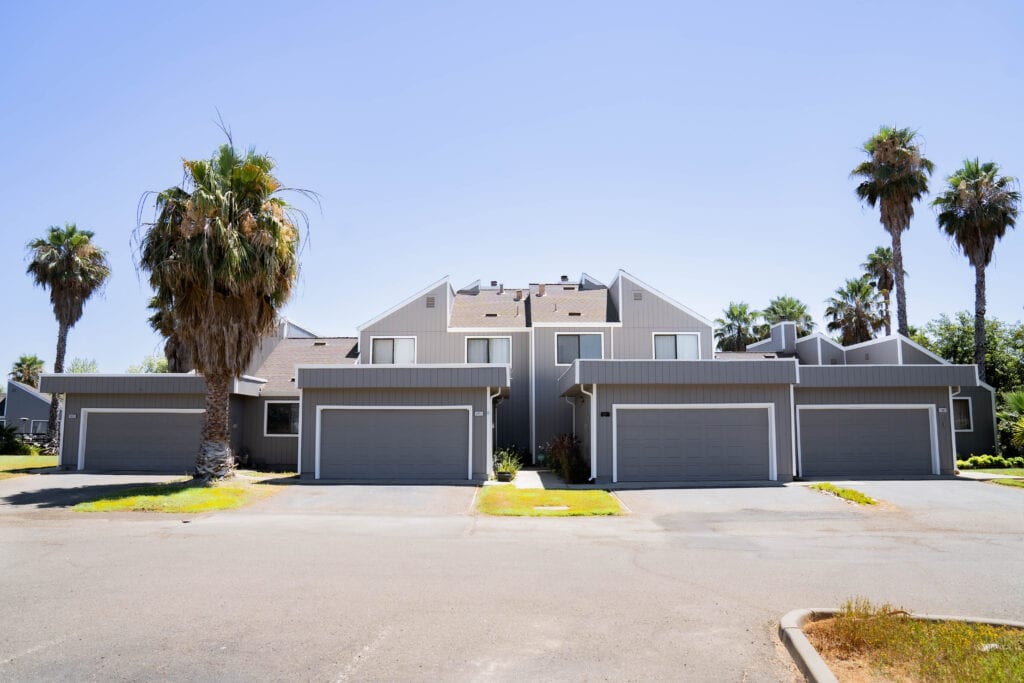
A look at homes we have re-sided and re-glazed across Sacramento, the Bay Area, and Lake Tahoe.

★★★★★ Rated 4.9 from 69 Google reviews
Heritage Exteriors is beyond exceptional. Very impressed with the timeliness, communication, and reasonable price of the whole project.
Heritage replaced my old crumbling wood siding and did a fantastic job. From the first interactions assessing the project and providing a quote, to the project itself, was all exceptional. My home looks brand new.
We recently had our house re-sided with Hardie product. We interviewed 3 companies, one of them being Heritage Exteriors. From our first meeting with David to the last day's work touching up paint, the experience was excellent.