★★★★★
Heritage Exteriors is beyond exceptional. Very impressed with the timeliness, communication, and reasonable price of the whole project.
Scott Doyen
Sacramento, CA · Google
Sacramento, CA · Google

A fogged, cracked, or broken pane does not always mean a new window. Often the glass unit or the sash can be replaced and the frame left alone. Whether that is the smart move depends on the frame, the age of the rest of the windows, and a line in the Energy Code most people never see.
Get a Free EstimateA window is a frame, one or more sashes that hold the glass, and the glass itself. In a modern window the glass is an insulated glass unit, or IGU: two or three panes sealed around a spacer. Any of those parts can fail on its own, and they can often be replaced on their own.
That gives you three levels of repair before you reach a new window. This page, part of our California window guide, covers when each is possible and when it is a false economy.
| Glass unit only | Sash replacement | Whole window | |
|---|---|---|---|
| What changes | The IGU inside the existing sash or frame | The moving panel, with new glass already in it | Frame, sashes, glass, hardware, weatherstripping |
| What stays | Frame, sash, hardware, weatherstrip | Frame, tracks, balances or rollers | Nothing (full-frame) or the old outer frame (retrofit) |
| Fixes fogging or a crack | Yes | Yes | Yes |
| Fixes drafts, sticking, worn hardware | No | Partly | Yes |
| Energy Code treatment | Repair, if at least equivalent to the original | Repair, if at least equivalent to the original | Alteration: must meet current U-factor and SHGC |
| Disruption | Lowest | Low | Highest |
It works when the glass is the only thing wrong. The common cases:
And it works when the window is built to be reglazed. Most vinyl, fiberglass, and aluminum windows hold the IGU in with removable glazing beads or stops, and a glazier can take the old unit out and set a new one. Fixed picture windows are usually the easiest. Operable sashes take more care, and some are built so that swapping the whole sash is simpler than reglazing it.
This is the part most articles get wrong or skip. Replacing a window in an existing California house is an alteration under Title 24, Part 6, and the new window has to meet the current prescriptive U-factor and SHGC for your climate zone. Those numbers are on our page on what Title 24 requires of replacement windows.
Replacing only the glass is treated differently, and the code says so directly. In the 2025 Building Energy Efficiency Standards, Section 150.2(b)1B covers replacement fenestration in existing single-family homes. Immediately under its exceptions is this note:
"Glass replaced in an existing sash and frame or sashes replaced in an existing frame are considered repairs, provided that the replacement is at least equivalent to the original in performance."
The code's definitions back that up. A "fenestration repair" is the reconstruction or renewal of a fenestration product, component, or system for maintenance, and it must not increase the preexisting energy consumption of the repaired product. A "fenestration alteration" is a change to an existing building's fenestration product that is not a repair.
What that means in plain terms:
Two cautions. First, this is the Energy Code's treatment. Whether your city wants a permit for a given repair is the building department's call, so ask. Our page on permits for retrofit windows covers the replacement side. Second, the performance figures on an NFRC label describe a whole factory-built window. A new glass unit in an old sash does not come with a new label, so do not expect certified numbers for the result.
A repair is not exempt from the safety rules. The 2025 California Existing Building Code, Section 402.1, states that replacement glazing in hazardous locations shall comply with the safety glazing requirements of the California Building Code or California Residential Code as applicable.
The hazardous locations are listed in CRC Section R324.4 (formerly R308.4). In summary they include:
Each of those has exceptions, and the full list is on our page on California tempered glass requirements. The practical points for a glass replacement:
A replaced unit sits next to original ones, and differences show. Here is what to match and how realistic a match is:
| Feature | Why it matters | How close you can usually get |
|---|---|---|
| Low-E coating | Coatings have a slight tint and reflectivity that vary by product and era | Close, rarely identical; most visible from outside |
| Overall unit thickness | Must fit the sash's glazing pocket | Must be exact |
| Spacer color and type | The strip visible at the glass edge | Color usually matchable; system may differ |
| Grids between the glass | Pattern, bar width, profile, and color | Common patterns yes; obsolete profiles are difficult |
| Obscure or patterned glass | Bathroom and entry glass patterns | Common patterns yes; older ones may be discontinued |
| Tint | Bronze and gray tints from past decades | Usually available; shade may differ slightly |
A good glazier measures the old unit, identifies the coating and which glass surface it is on, and notes the spacer and grid details before ordering. Glass types are explained on our page on window glass types.
The work happens in two visits. On the first, the glazier measures the existing unit: width, height, overall thickness, the thickness of each pane, the spacer, the coating and which surface it is on, and any grids, tint, or pattern. If the opening is one of the hazardous locations above, the order is for tempered or laminated glass. The unit is then made to order, so there is a wait between visits that depends on the glass.
On the second visit the glazing beads or stops are removed, the old unit is cut free of its sealant or glazing tape and lifted out, the pocket is cleaned, and the new unit is set on setting blocks and sealed in. The beads go back on. Until the new glass arrives, a cracked pane can be taped and a broken one boarded.
Services exist that drill a fogged unit, dry it out, and fit small vents. The glass may look clearer afterward. The unit is no longer sealed, any gas fill is gone, and it can fog again. Treat it as a cosmetic stopgap on a window you plan to replace later, not as a repair.
For a small number of failed units in good frames, replace the glass. For an aging set of windows where failures have started on the sun-facing walls, repair the worst ones only if you need time, and plan the replacement. Other repairs that can extend a window's life are on our common window repairs page.
We are a window replacement contractor, so we have a reason to tell you to replace. We would still rather you fix one fogged unit in a sound frame than buy windows you do not need, and we will tell you which situation we think you are in. Licensed in California, CSLB #1055919. Call (916) 546-2991.
Does replacing only the glass have to meet Title 24?
Not the replacement-window numbers. A NOTE under Section 150.2(b)1B of the 2025 Energy Code says glass replaced in an existing sash and frame, or sashes replaced in an existing frame, are considered repairs, provided the replacement is at least equivalent to the original in performance. So the new glass cannot be a downgrade, but it does not have to hit the U-factor and SHGC required of a whole new window.
Can I upgrade to low-E glass in my old frames?
Often, yes, and it is usually worth doing if the unit is being replaced anyway. The new glass has to fit the same thickness the sash was built for, which limits the options. Keep in mind that the frame, the spacer system, and the weatherstripping stay the same, so the window as a whole will not perform like a new one even with better glass.
Is a new glass unit covered by my window warranty?
If the window is still under the manufacturer's warranty, start there before paying anyone. Seal failure is the kind of defect glass warranties are written for, and the manufacturer or its dealer may supply the unit. Milgard, for example, tells owners to start with a local dealer for product and service questions. If a third party has already replaced the glass, the original warranty on that unit may no longer apply, so check first.
Can a cracked pane be replaced with ordinary glass?
Only if the location does not call for safety glazing. The California Existing Building Code, Section 402.1, says replacement glazing in hazardous locations must comply with the safety glazing requirements of the building or residential code. Glass in doors, next to doors, near the floor in large panes, around tubs and showers, and beside stairs falls in that group under CRC Section R324.
Why does my new pane look a different color from the others?
Low-E coatings carry a faint tint, and it differs by coating type, manufacturer, and era. A new unit next to older ones can look slightly greener, grayer, or more reflective, especially from outside at an angle. Ask the glass supplier to match the coating as closely as possible and expect a small difference on at least some units.
How many failed panes before I should replace all the windows?
There is no fixed number. The useful question is whether the failures are isolated or the start of a pattern. One fogged unit on the west wall of a house whose windows are all the same age is usually the first of several. If you are on the third glass replacement in a few years, add up what the next ten would cost against new windows. Call (916) 546-2991 and we will give you both numbers.
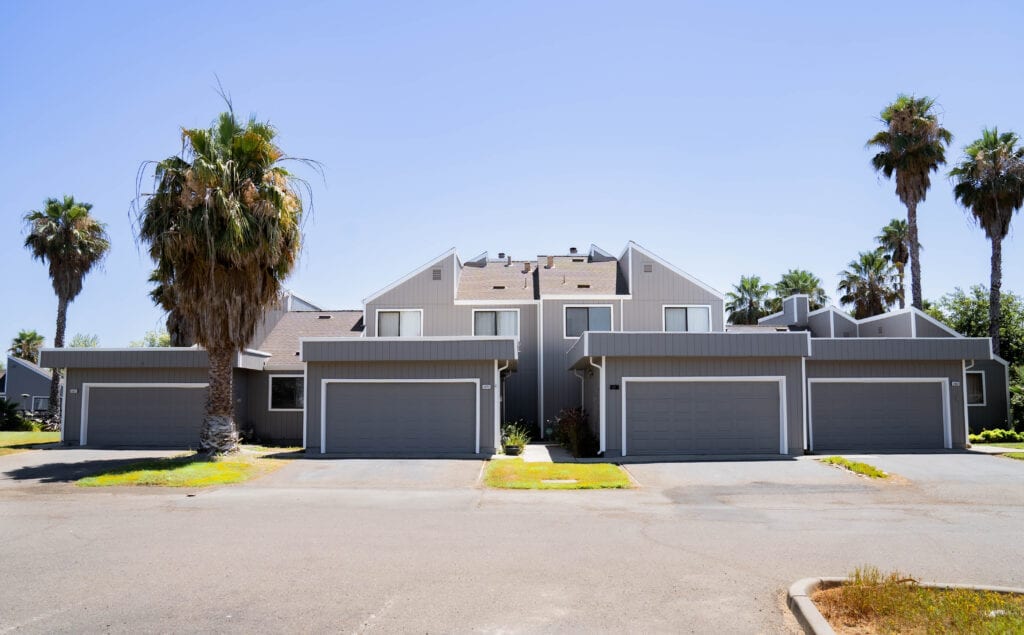
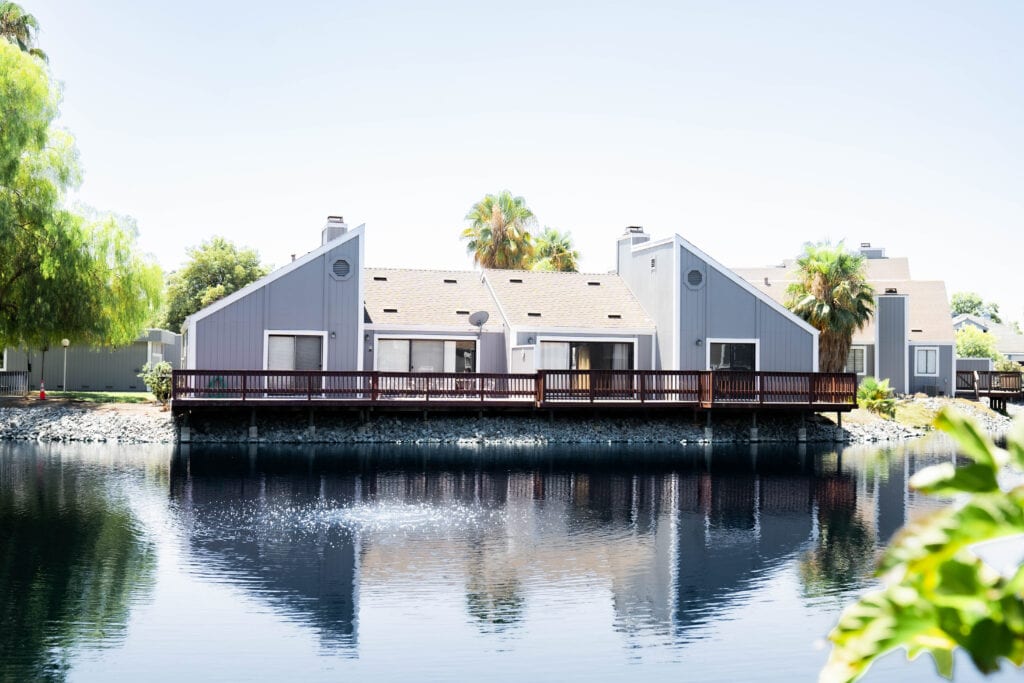
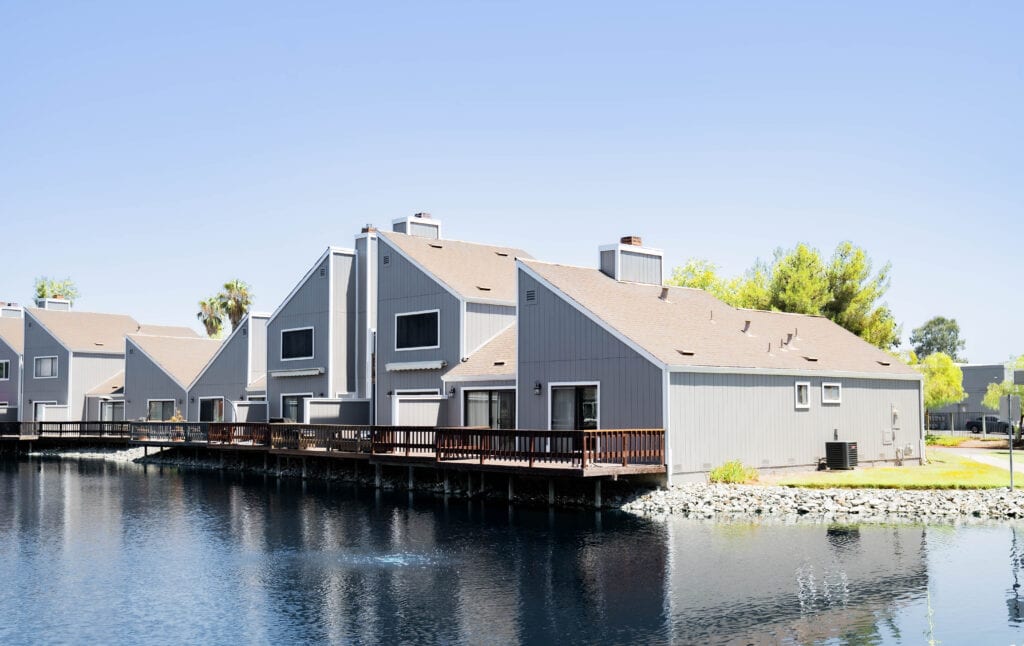
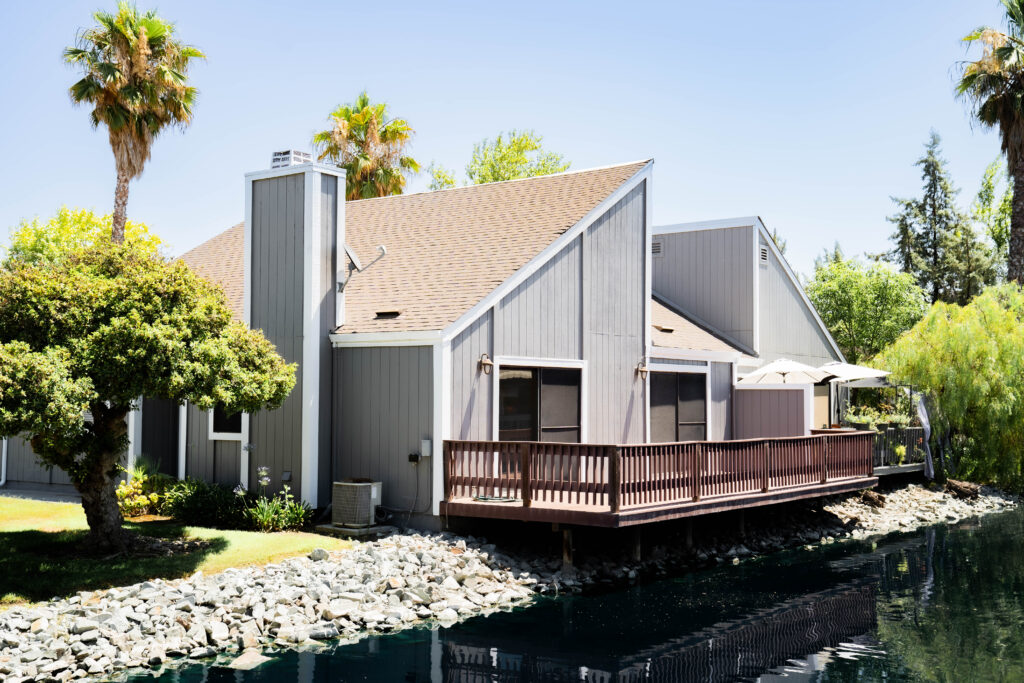
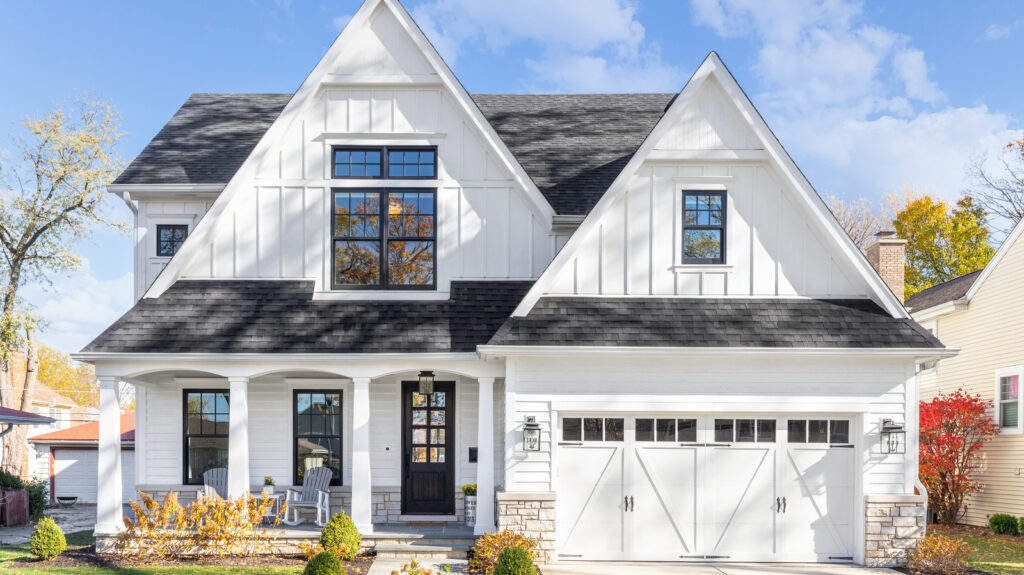
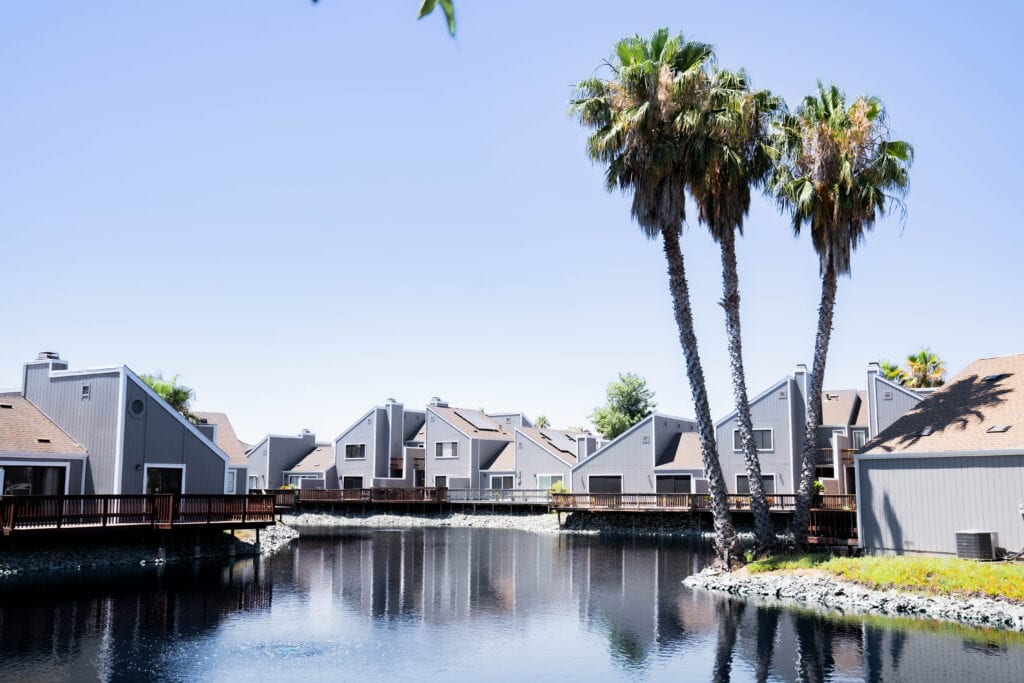
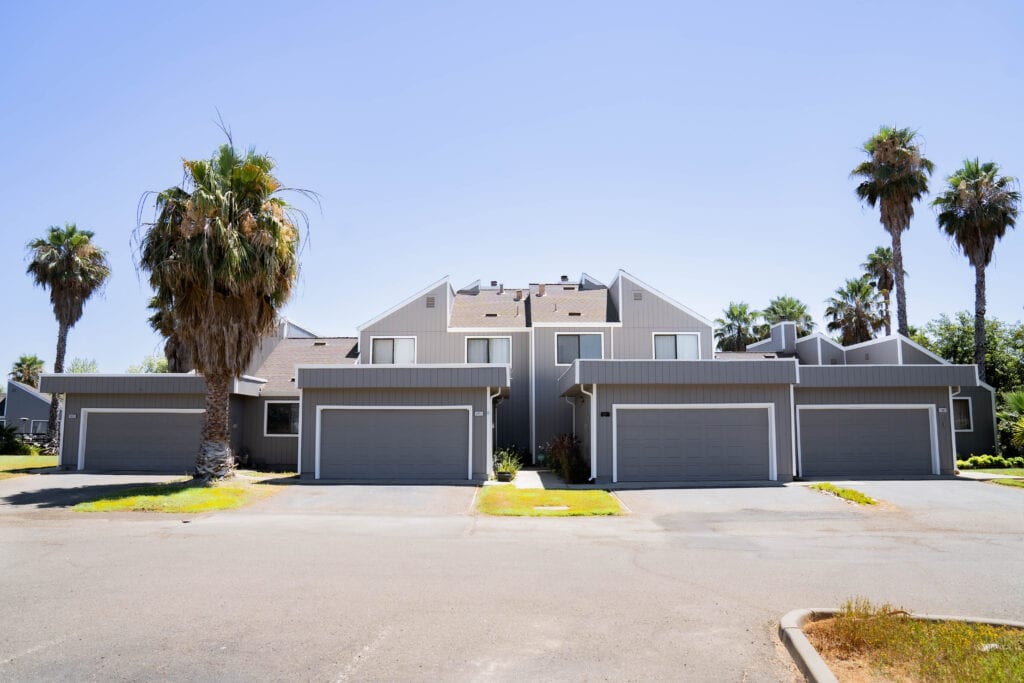
A look at homes we have re-sided and re-glazed across Sacramento, the Bay Area, and Lake Tahoe.

★★★★★ Rated 4.9 from 69 Google reviews
Heritage Exteriors is beyond exceptional. Very impressed with the timeliness, communication, and reasonable price of the whole project.
Heritage replaced my old crumbling wood siding and did a fantastic job. From the first interactions assessing the project and providing a quote, to the project itself, was all exceptional. My home looks brand new.
We recently had our house re-sided with Hardie product. We interviewed 3 companies, one of them being Heritage Exteriors. From our first meeting with David to the last day's work touching up paint, the experience was excellent.