★★★★★
Heritage Exteriors is beyond exceptional. Very impressed with the timeliness, communication, and reasonable price of the whole project.
Scott Doyen
Sacramento, CA · Google
Sacramento, CA · Google

California is divided into 16 building climate zones, and the right window in Eureka is the wrong one in Palm Springs. Here is every zone, the cities in it, what the climate asks of the glass, and the Energy Code figure a replacement window has to meet there.
Get a Free EstimateWindow advice written for the whole country sorts the United States into a handful of bands and puts all of California in two of them. The state's own Energy Code is much finer than that. It divides California into 16 climate zones, and the figure a replacement window has to meet depends on which one your house is in. This page is the statewide map in words. It is part of our California window guide.
The California Energy Commission (CEC) describes the zones as a response to the state's "diversity of climates," with boundaries fixed by geographic description. Several parts of the Energy Code, including the requirements for windows, change with the zone a building is in.
Two points that save confusion:
The authoritative answer comes from the CEC's EZ Building Climate Zone Search Tool. Type the street address and it shows where the property falls against the zone boundaries.
The CEC also publishes a spreadsheet of zone assignments by ZIP code. It is quick, and for most addresses it gives the right answer, but the Commission offers it "for the convenience of local jurisdictions." ZIP codes do not follow climate boundaries. Where one ZIP takes in more than one zone, the local jurisdiction may designate a single zone for the whole ZIP. So if the ZIP list and the address tool disagree, ask your building department which it uses. In the foothills east of Sacramento and around the edges of the Bay Area, that question is worth asking.
The cities below are from the CEC's ZIP code list. The two right-hand columns are the prescriptive maximums for replacement windows in an existing home under the 2025 Energy Code, which applies to permit applications submitted on or after 1 January 2026.
| Zone | Representative cities | The climate, in a line | Max U-factor | Max SHGC |
|---|---|---|---|---|
| 1 | Arcata, Eureka, Crescent City | Cool, damp north coast; heating nearly all year, almost no cooling | 0.27 | No requirement |
| 2 | Napa, Santa Rosa, Ukiah | North Bay and north coast valleys; warm dry summers, cool winters | 0.27 | 0.23 |
| 3 | San Francisco, Oakland, Berkeley, Hayward, Salinas, Monterey | Bay and Monterey coast; mild, foggy, little cooling | 0.27 | No requirement |
| 4 | San Jose, Palo Alto | South Bay and inland central coast valleys; warmer summers than Zone 3 | 0.27 | 0.23 |
| 5 | Santa Maria, San Luis Obispo | Central coast; mild and marine | 0.27 | No requirement |
| 6 | Santa Monica, Long Beach, Torrance, Santa Barbara, Ventura, Oxnard, Huntington Beach, San Clemente | Southern California beach cities; mild year-round | 0.30 | 0.23 |
| 7 | San Diego | San Diego coast; the mildest in the state | 0.30 | 0.23 |
| 8 | Anaheim, Irvine, Fullerton, Santa Ana | Inland Orange County; warm summers, mild winters | 0.30 | 0.23 |
| 9 | Burbank, Pasadena, downtown Los Angeles, Glendale, Van Nuys, Pomona | Los Angeles basin and valleys; hot summers | 0.30 | 0.23 |
| 10 | Riverside, San Bernardino, Temecula (also Escondido and El Cajon) | Inland Empire and inland San Diego County; hot, dry summers | 0.30 | 0.23 |
| 11 | Red Bluff, Redding, Roseville, Chico, Yuba City, Auburn, Grass Valley | Northern Sacramento Valley and lower foothills; very hot summers, cool wet winters | 0.27 | 0.23 |
| 12 | Sacramento, Stockton, Modesto, Davis, Merced, Concord, Walnut Creek, Livermore, Placerville | Central Valley, Delta and inland East Bay; hot summers, cool foggy winters | 0.27 | 0.23 |
| 13 | Fresno, Bakersfield, Visalia | Southern San Joaquin Valley; long, very hot summers | 0.27 | 0.23 |
| 14 | Barstow, Lancaster, Palmdale, Victorville | High desert; hot summers, cold winter nights, wide daily swings | 0.27 | 0.23 |
| 15 | Palm Springs, El Centro, Indio, Blythe | Low desert; the most extreme summer heat in the state | 0.30 | 0.23 |
| 16 | Truckee, South Lake Tahoe, Mammoth Lakes, Bishop, Big Bear, Susanville, Yreka | Mountains and high country; cold, snowy winters | 0.27 | No requirement |
The one-line climate descriptions are ours, written to orient you. The CEC is careful to say the zones are based on energy use, temperature, weather and other factors rather than being simple labels like "desert" or "alpine," and the city lists are examples, not boundaries. Note the surprises: Escondido and El Cajon are Zone 10 while the city of San Diego is Zone 7, and Concord, Walnut Creek and Livermore share a zone with Sacramento, not with Oakland.
U-factor measures how readily heat passes through the whole window. Lower is better, and it matters whenever there is a temperature difference between inside and outside: cold mornings, and also a 105-degree afternoon with the air conditioning on.
SHGC, the solar heat gain coefficient, measures how much of the sun's heat comes through the glass. Lower blocks more. It matters when the sun is on the window and you are paying to cool the house.
You can read the state's judgment about each climate straight off the table:
On the coast the window's job is mostly to hold heat in and keep condensation off the glass on foggy mornings. A low U-factor does both. Solar gain is not the enemy it is inland, and in Zones 1, 3 and 5 the prescriptive standard sets no SHGC limit, which leaves you free to choose glass that lets more winter sun in if you want it. Many coastal homeowners still pick a standard low solar gain package because it is what is stocked and it cuts fading and glare; that is a reasonable choice, not a required one.
The coast's bigger window problem is not on the label at all: salt air and constant damp are hard on hardware and finishes. That is covered in windows for coastal salt air and fog.
This is where we do most of our work, and it is the two-season climate: weeks of triple-digit afternoons, then cold, foggy winter mornings. Both numbers matter and both are set at their strictest. For most Sacramento Valley houses the glass package that makes the biggest difference to comfort is a dual-pane unit with a low solar gain Low-E coating, because the cooling season is long and the west sun is brutal. Our page on the best windows for cooling goes into the glass options, and the best energy-efficient windows for Sacramento applies them locally.
Triple-pane glass is rarely needed to meet the standard in these zones. Whether it is worth having for comfort or noise is a separate question, answered in are triple-pane windows worth it in Sacramento.
Mild winters and hot summers put the weight on SHGC. The U-factor maximum is the more relaxed 0.30, but solar gain is capped at the same 0.23 as the Central Valley. West and south glass with no shade is where low solar gain glass does the most.
The high desert (Zone 14) has the valley's problem with more extreme swings: hot days, cold nights, and winter cold that makes insulation count. It gets the stricter 0.27. The low desert (Zone 15) is about solar control first; winters are mild enough that the U-factor maximum is 0.30.
Truckee, South Lake Tahoe, Mammoth and the rest of the high country are heating climates. There is no prescriptive SHGC limit, and winter sun through south glass is useful. U-factor is the number to push, and this is the one California climate where triple-pane glass is commonly worth pricing. Mountain houses also face snow load, ice at the sills and, in most of the zone, wildfire exposure; see our page on Tahoe and mountain homes.
The prescriptive figures for replacement windows are the same for every wall of the house. The sun is not. A few rules of thumb that hold across California:
None of that changes what the permit requires. It changes where an upgrade beyond the minimum pays you back in comfort.
The figures in the table are the prescriptive route for alterations, which is how nearly all residential replacement projects comply. Three things to know, each explained in full on our page about what Title 24 requires of your replacement windows:
Whether your project needs a permit at all is covered in do you need a permit to install retrofit windows in California.
We work from the Bay Area to the Sacramento Valley and Lake Tahoe, which covers climate zones 2, 3, 4, 11, 12 and 16, and a quote from us states the NFRC U-factor and SHGC of the window quoted so you can check it against the table yourself. If your address sits near a zone boundary, ask us to confirm the zone before anything is ordered. Licensed in California, CSLB #1055919. Call (916) 546-2991.
How do I find my California climate zone?
Use the California Energy Commission’s EZ Building Climate Zone Search Tool, which places a street address against the official zone boundaries. The Commission also publishes a list of zones by ZIP code, but it describes that list as a convenience for local jurisdictions. Where a ZIP code straddles two zones, the address tool or your building department is the answer.
Are the 16 climate zones the same as USDA or Sunset garden zones?
No. They are also not the same as the national model energy code’s climate zones or the ENERGY STAR climate zones printed on window marketing. The 16 zones are specific to the California Energy Code and are the only ones that decide what your replacement windows must meet for a permit.
Which California climate zones have no SHGC requirement for replacement windows?
Zones 1, 3, 5 and 16: the north coast, the San Francisco Bay coast, the central coast around San Luis Obispo and Santa Maria, and the mountains. Cooling loads there are low enough that the prescriptive standard sets no solar heat gain limit. Every other zone has a maximum SHGC of 0.23 for replacement windows.
Sacramento and Roseville are next to each other. Are they the same zone?
No. Sacramento, Davis, Folsom and Walnut Creek are Zone 12. Roseville, Auburn, Chico and Redding are Zone 11. For replacement windows the prescriptive figures happen to be identical in both, a maximum U-factor of 0.27 and a maximum SHGC of 0.23, so the difference rarely changes a window order.
Do I need different glass on different sides of the house?
The prescriptive Energy Code figures for replacement windows do not vary by orientation, so one compliant glass package on every side is the simple route. Some homeowners in mild coastal zones choose glass with higher solar gain where there is no SHGC limit, because winter sun is welcome there. In the hot inland zones, low solar gain glass on every side is the norm, and west-facing glass is where it earns its keep.
Does a higher zone number mean a hotter climate?
No. The numbers are labels, not a scale. Zone 15 is the low desert and Zone 16 is the snow country of the Sierra and the other high mountains. Zone 3 is San Francisco and Zone 13 is Fresno. Look up the zone and read what it requires rather than inferring anything from the number.
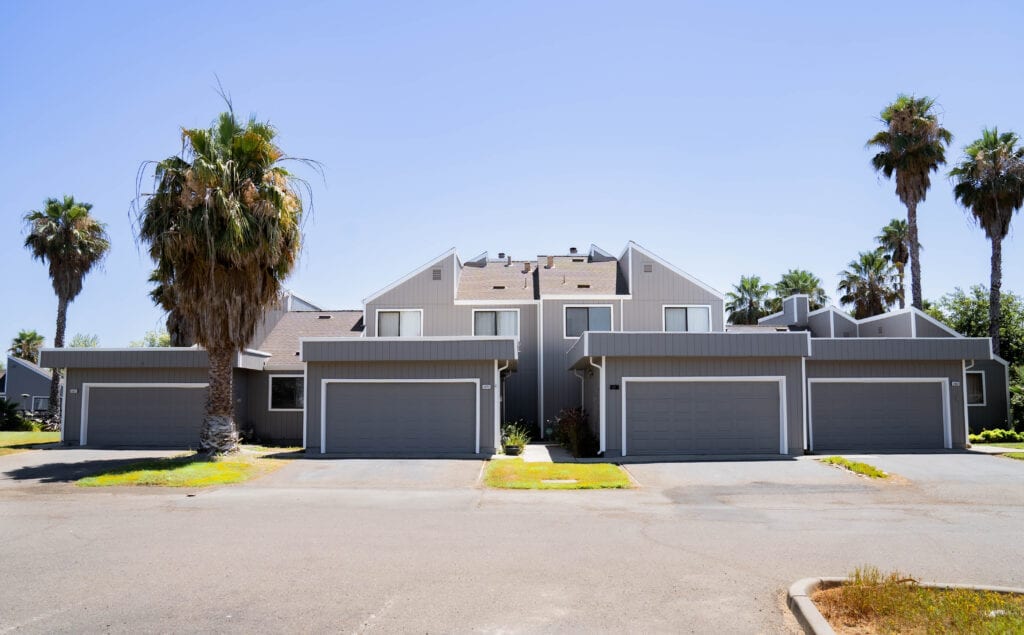
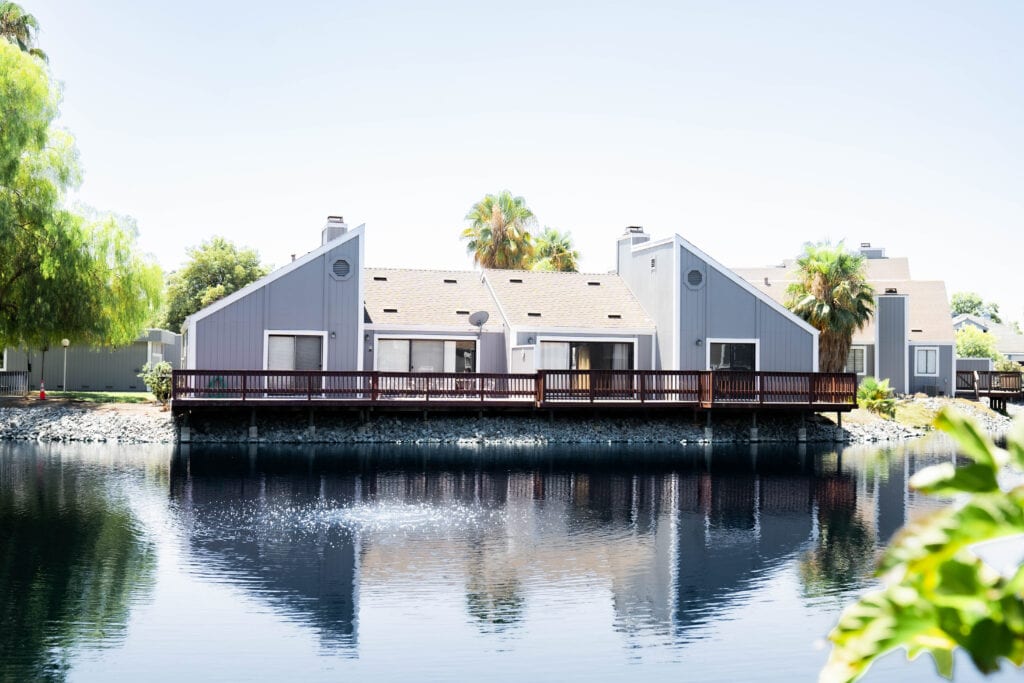
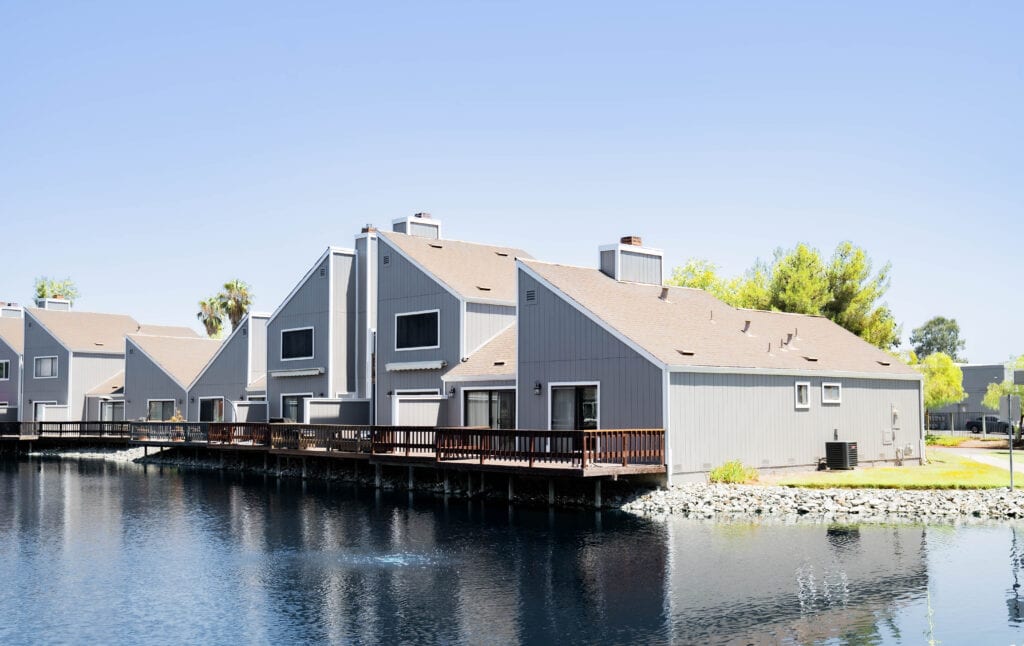
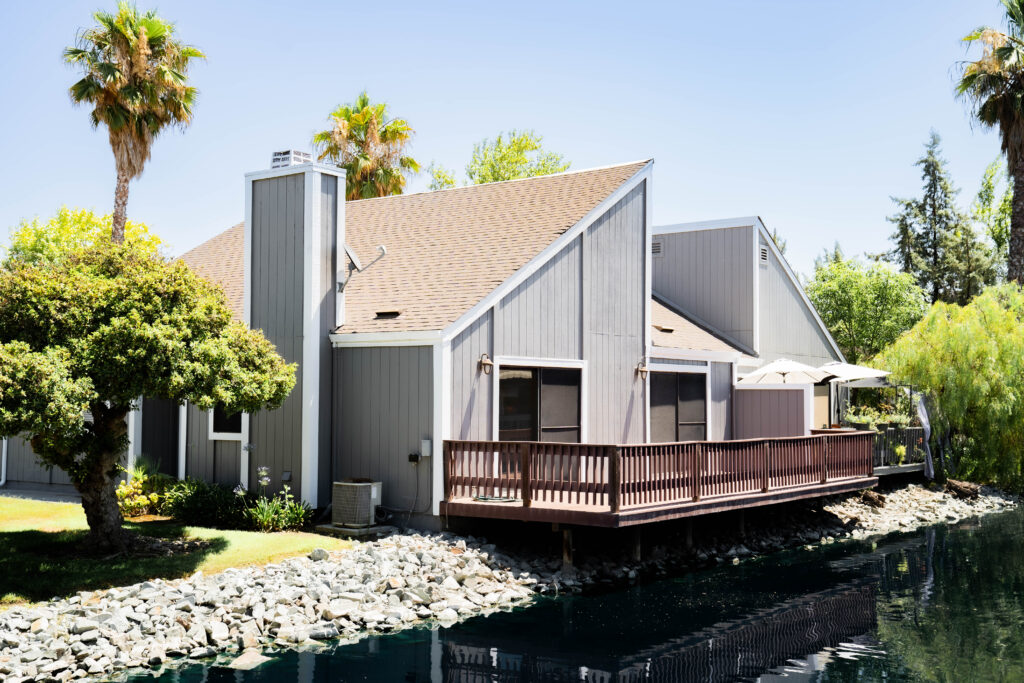
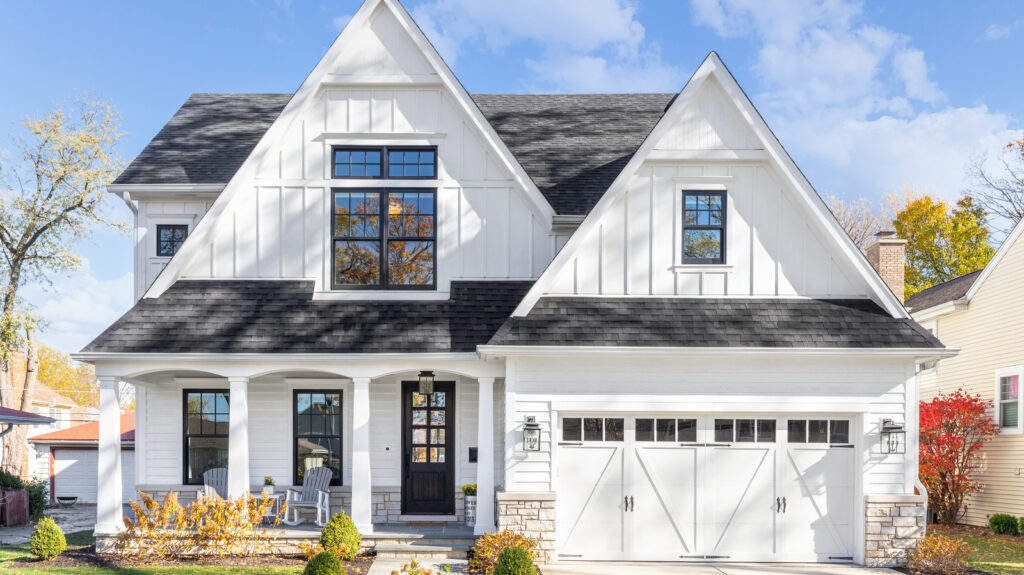
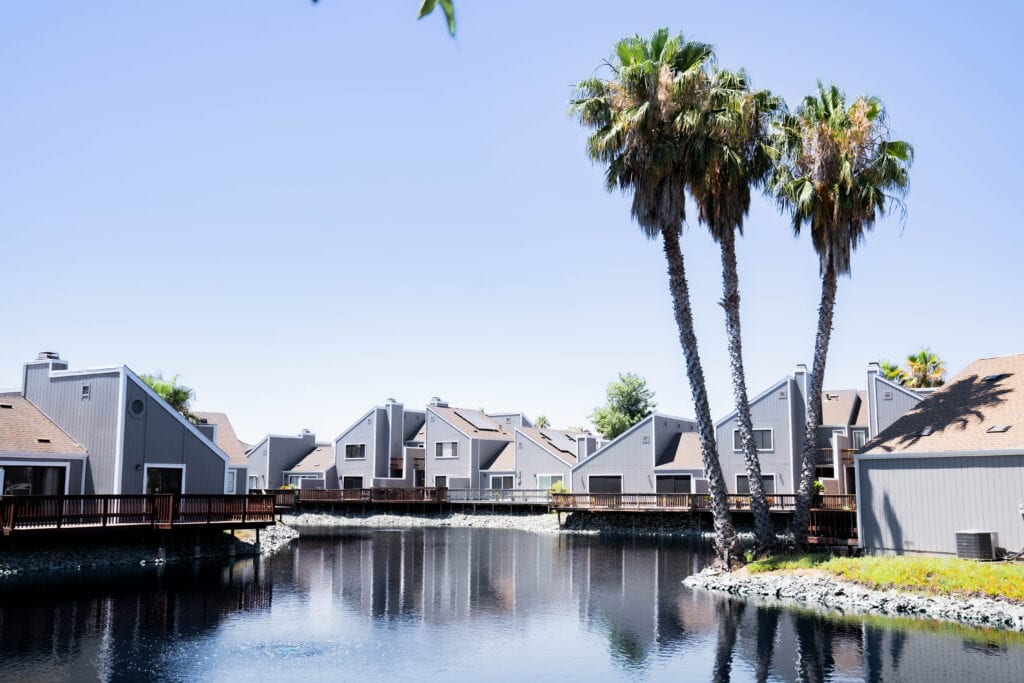
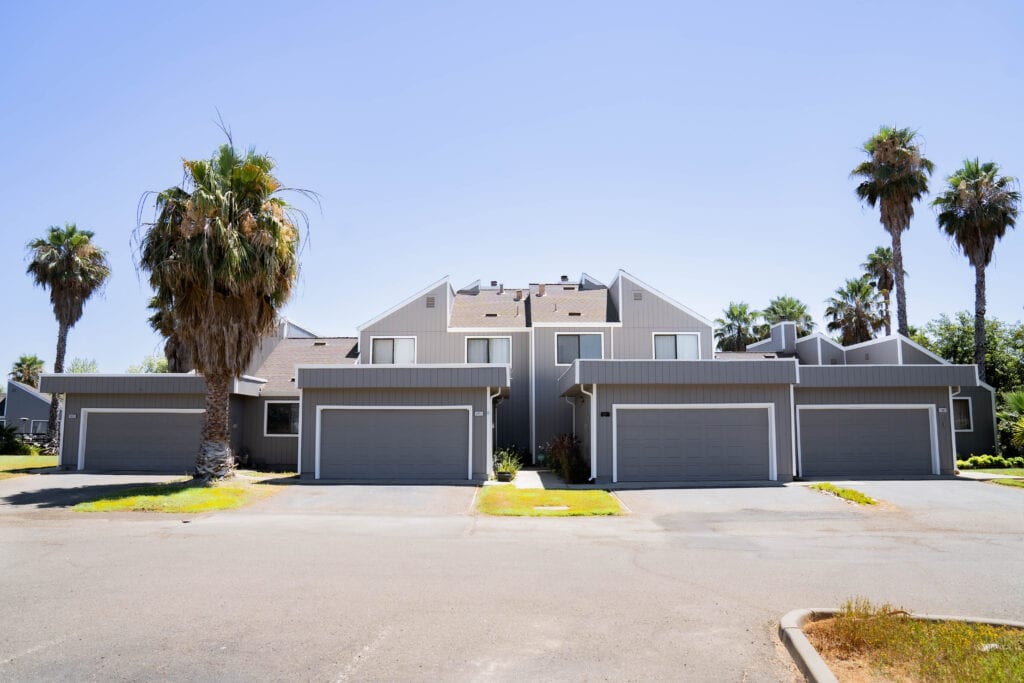
A look at homes we have re-sided and re-glazed across Sacramento, the Bay Area, and Lake Tahoe.

★★★★★ Rated 4.9 from 69 Google reviews
Heritage Exteriors is beyond exceptional. Very impressed with the timeliness, communication, and reasonable price of the whole project.
Heritage replaced my old crumbling wood siding and did a fantastic job. From the first interactions assessing the project and providing a quote, to the project itself, was all exceptional. My home looks brand new.
We recently had our house re-sided with Hardie product. We interviewed 3 companies, one of them being Heritage Exteriors. From our first meeting with David to the last day's work touching up paint, the experience was excellent.