★★★★★
Heritage Exteriors is beyond exceptional. Very impressed with the timeliness, communication, and reasonable price of the whole project.
Scott Doyen
Sacramento, CA · Google
Sacramento, CA · Google

If your house was built before 1978, the window frames and trim may carry lead-based paint, and removing them is one of the dustiest jobs in renovation. Federal law requires the work to be done a specific way. Here is what that looks like and how to check that your contractor is doing it.
Get a Free EstimateLead-based paint was banned for residential use in the United States in 1978. Houses built before then may still have it, usually under later coats of paint. It is not a hazard while it is intact and undisturbed. Windows are a part of the house where it tends to be neither.
This page is part of our California window guide. It is general information, not legal or medical advice. If you are worried about exposure, especially for a young child or during pregnancy, talk to your doctor and your county's lead poisoning prevention program.
Two reasons, and they apply at different times.
The U.S. Department of Housing and Urban Development's guidelines on lead-based paint hazards single out friction surfaces, which are painted surfaces subject to abrasion that may generate leaded dust. HUD's first example is the window: the parts that are rubbed when the window is opened and closed, including the jamb, the stop bead and the parting strip, and sometimes the sash.
Every time an old painted wood sash slides in its track, it grinds a little paint into dust. The dust settles on the sill inside and in the trough between the sash and the storm or screen. HUD and EPA set dust-lead standards specifically for windowsills and window troughs for that reason.
Impact surfaces are the other category. They are surfaces that get knocked. A sash dropping onto a sill and a casement banging its stop both qualify.
HUD's guidance notes that where a component is deteriorated, replacing it can be more cost-effective than trying to treat its friction surfaces. That is one reason window replacement shows up so often in lead hazard work. Done properly, it removes the source.
Taking a window out means prying off painted stops and casing, cutting or breaking painted frames, and sometimes cutting back painted siding or plaster. EPA names replacing windows among the common renovation activities that can disturb lead-based paint and create hazardous dust and chips.
So the same job that removes a long-term dust source can spread a large amount of dust in an afternoon if it is done carelessly. That is what the federal rule is for.
EPA's Lead Renovation, Repair and Painting rule is at 40 CFR Part 745, Subpart E. It applies to renovation performed for compensation in homes, child care facilities and kindergartens built before 1978.
The rule defines "renovation" as modification of an existing structure that results in the disturbance of painted surfaces, and its list of examples includes the removal of building components such as windows.
There is an exemption for minor repair and maintenance: work that disrupts 6 square feet or less of painted surface per room for interior work, or 20 square feet or less for exterior work. But the definition in 40 CFR 745.83 limits that exemption to work that "does not involve window replacement or demolition of painted surface areas."
The result is simple. In a pre-1978 house, replacing even one window is a renovation under the rule, whatever the area of paint involved.
EPA requires renovation firms to be certified, and individual renovators to be trained by an EPA-accredited training provider in lead-safe work practices. A firm applies to EPA for certification. EPA runs a public search tool where you can look up lead-safe certified firms near you.
Under 40 CFR 745.84, the firm must give the owner EPA's pamphlet, "Renovate Right: Important Lead Hazard Information for Families, Child Care Providers and Schools", no more than 60 days before the renovation begins, and either get a signed acknowledgment or obtain a certificate of mailing at least seven days before the work.
In a rental, the pamphlet also goes to an adult occupant of the unit. If you have not been handed this pamphlet and asked to sign for it before work on a pre-1978 house, the firm is not following the rule.
The work practice standards are in 40 CFR 745.85. For a window job they apply both inside and outside, since the work is done from both sides.
| Requirement | Interior work | Exterior work |
|---|---|---|
| Warning signs | Posted to define the work area and keep occupants out, and left up until cleaning is verified | |
| Plastic sheeting | Floor covered at least 6 feet beyond the surfaces being renovated, or farther if needed to contain dust | Ground covered at least 10 feet beyond the surfaces being renovated, or far enough to collect falling debris |
| Openings | Windows and doors in the work area closed, doors covered with plastic, heating and cooling ducts closed and covered | All doors and windows within 20 feet of the work closed |
| Belongings | Removed from the work area or covered with sealed plastic | Not applicable |
| Near a property line | Not applicable | Vertical containment or equivalent precautions if work is within 10 feet of the line |
Waste must be contained before it leaves the work area and stored and transported so dust is not released. Protective sheeting is misted before it is folded. The work area is then cleaned until no dust, debris or residue remains, using a HEPA vacuum and wet wiping, working from higher surfaces to lower ones.
Then comes cleaning verification. A certified renovator inspects the area visually. For interior work, the renovator wipes each windowsill in the work area with a damp disposable cleaning cloth and compares it with a cleaning verification card. If the cloth is darker than the card, that surface is cleaned again and re-tested. Floors and countertops are checked the same way in sections.
The rule allows dust clearance sampling by a certified inspector, risk assessor or dust sampling technician in place of the cloth test, where a contract or another law calls for it.
California has lead rules of its own, and they apply alongside the federal ones.
In short, California's rules on containment and cleanup do not depend on who is doing the work or whether they are paid. A homeowner exempt from the federal rule is still not free to spread lead dust.
The installation method changes how much paint is disturbed.
Neither is automatically right. Retrofit creates less dust during the job but can leave old painted frame parts in place behind the new window. Full-frame takes everything out and is the only way to deal with rot or failed flashing. See retrofit versus new-construction installation for the full comparison. Either way the rule applies.
A contractor who says "your house is fine, we do not need to do all that" about a pre-1978 home is telling you they intend to skip a legal requirement. If the paint has been tested by a certified inspector and found not to be lead-based, ask for the report and keep it.
The same rules apply to exterior cladding work. See lead-safe siding work on pre-1978 homes. If you own rental property, landlord window obligations in California covers the disclosure and tenant-notice side.
If your house was built before 1978, raise it when we quote, and we will explain how lead-safe work practices apply to your job and how they are reflected in the scope. Ask any contractor you are considering, us included, for their EPA firm certification before you sign. Licensed in California, CSLB #1055919. Call (916) 546-2991.
Does the lead-safe rule apply to replacing just one window?
Yes. The federal rule exempts minor repair and maintenance that disturbs 6 square feet or less of painted surface per room inside, or 20 square feet or less outside. But the definition of that exemption says it applies only where the work does not involve window replacement. One window in a pre-1978 house is a covered renovation.
My old windows are aluminum, not painted wood. Does the rule still apply?
The rule is triggered by disturbing painted surfaces in pre-1978 housing. Bare aluminum frames are not painted, but the wood trim, sill, stool and casing around them often are, and so is the wall finish at the opening. Whether a given job disturbs paint depends on the installation method and what has to come off. Ask the contractor to say in writing how they are treating it.
Is retrofit installation safer for lead than full-frame replacement?
It usually disturbs less. A retrofit installation leaves the existing frame and most of the surrounding trim in place, while full-frame replacement removes the frame, the interior casing and often some exterior finish. Less demolition means less dust. It does not take the job outside the rule. Both are window replacement, and both need lead-safe practices in a pre-1978 home.
Can I replace my own windows without following the rule?
EPA says the rule generally does not apply to homeowners doing work in their own home. It does apply if you rent out all or part of the home, operate a child care center in it, or are renovating a house to sell for profit. Being exempt from the rule does not make the dust safe, so EPA publishes lead-safe guidance for people doing their own work.
What paperwork should I receive?
Before work starts, the Renovate Right pamphlet, and a form asking you to acknowledge that you received it. The pamphlet must be given no more than 60 days before the renovation begins. You can also ask for the firm's lead-safe certification and the name of the certified renovator assigned to your job. Keep copies with your house records.
How do I know the cleanup was good enough?
The rule requires cleaning verification by a certified renovator. After a visual check for dust and debris, the renovator wipes each windowsill and section of floor in the work area with a damp disposable cloth and compares it with a cleaning verification card. A cloth that is darker than the card means that surface is cleaned again. You can ask to watch, and you can hire a certified professional to take dust samples if you want a laboratory result.
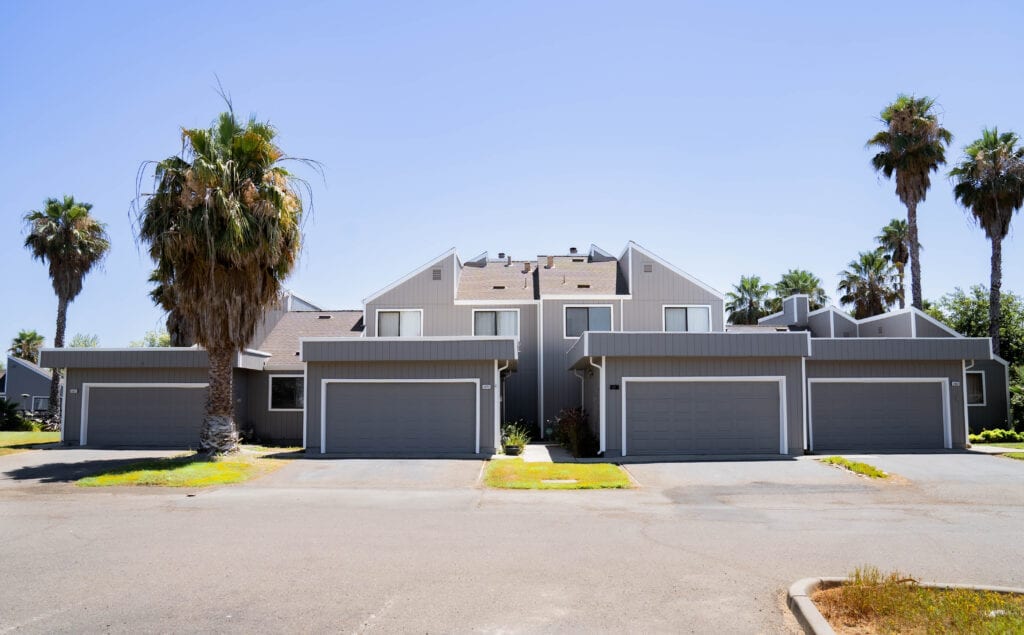
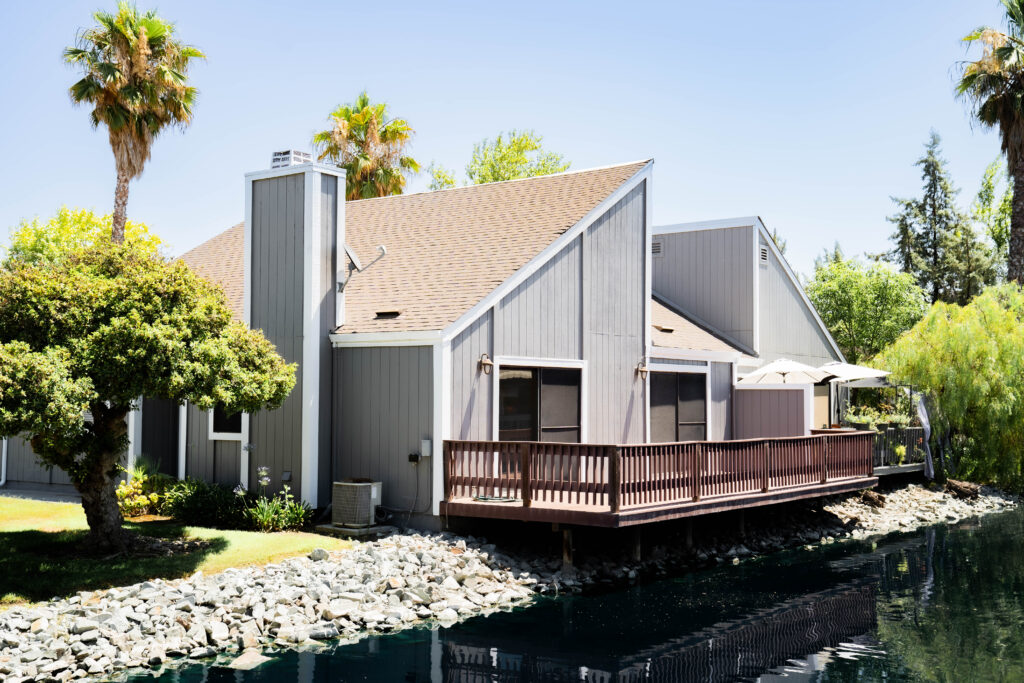
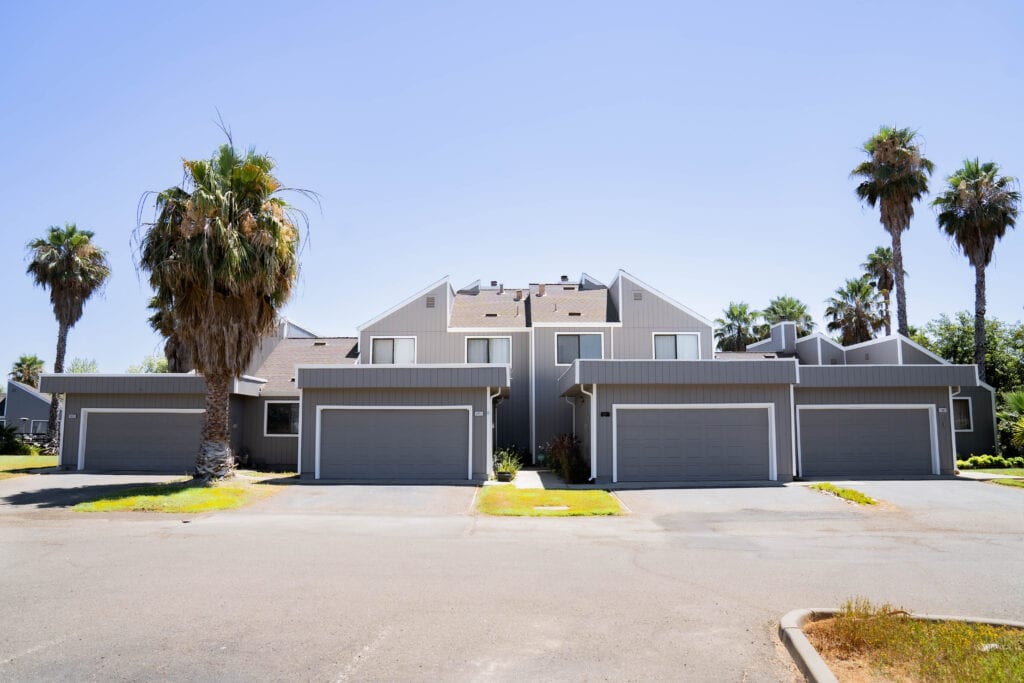
A look at homes we have re-sided and re-glazed across Sacramento, the Bay Area, and Lake Tahoe.





★★★★★ Rated 4.9 from 69 Google reviews
Heritage Exteriors is beyond exceptional. Very impressed with the timeliness, communication, and reasonable price of the whole project.
Heritage replaced my old crumbling wood siding and did a fantastic job. From the first interactions assessing the project and providing a quote, to the project itself, was all exceptional. My home looks brand new.
We recently had our house re-sided with Hardie product. We interviewed 3 companies, one of them being Heritage Exteriors. From our first meeting with David to the last day's work touching up paint, the experience was excellent.