★★★★★
Heritage Exteriors is beyond exceptional. Very impressed with the timeliness, communication, and reasonable price of the whole project.
Scott Doyen
Sacramento, CA · Google
Sacramento, CA · Google

Black windows are the look of the decade, and Sacramento, Fresno and the Inland Empire are hard places to own them. Dark frames absorb more of the sun’s heat. Whether that matters depends on what the frame is made of and how the color was put on.
Get a Free EstimateDark frames suit a great many California houses: black against white stucco, dark bronze on a ranch, charcoal on a modern farmhouse. The catch is physical. A dark surface absorbs more of the sun's energy than a light one, and a window frame on a west wall in the Central Valley spends summer afternoons in full sun with hot air around it. Pella puts it plainly in its own buying advice: dark frames absorb more solar heat, making material selection especially important in warmer climates.
This page explains what that heat does, how manufacturers deal with it, and what to check before you order. It is part of our California window guide.
Every frame material expands when it warms and shrinks when it cools. A window is a set of long, thin parts joined at the corners and sealed to a sheet of glass that moves at its own rate. When the frame moves a lot, three things can follow:
The third is specific to vinyl. PVC softens as it heats. Milgard's own handling guidance warns that vinyl left in direct sun can pass 150 degrees Fahrenheit in under an hour and that temperatures above that can cause distortion, bubbling and shrinkage. That warning is about stored product, not installed windows, but it tells you where the material's limit is. Ply Gem, another large vinyl manufacturer, says directly that black and other dark colors absorb heat, which can cause warping in vinyl windows.
So the question with a dark window is never just "what color." It is "what is under the color, and how was the color applied."
A reputable dark vinyl window is not dark vinyl all the way through. It is a light-colored structural profile with a dark, heat-managing skin. There are three ways to do it.
A thin layer of a second material, typically acrylic, is fused to the vinyl as the profile is extruded. The cap carries the color and takes the weather; the vinyl beneath is the usual white. Because the two are formed together, the color is part of the profile, not a coating that can peel.
A colored film is bonded to the finished white profile. Simonton describes its exterior laminate as a PVDF top layer over an acrylic base with heat-reducing technology built in. Pella's 250 Series vinyl windows list dual-color frames, white inside with black or brown outside, and the product specification describes the frame and sash as having a solar reflective coating that exceeds a named industry test standard (AAMA 307).
A factory-applied paint formulated with pigments that look dark to the eye but reflect a good share of the sun's invisible heat. Anlin, for instance, markets a solar reflective coating on its exterior colors. This is a different thing from painting a window on site, which no vinyl manufacturer we know of supports.
All three work on the same principle: keep the structural vinyl cooler than a solid dark profile would be. None of them changes the fact that vinyl is the least heat-tolerant frame material. They move a dark vinyl window from "do not" to "fine, in a product built and warranted for it."
Fiberglass does not soften at the temperatures a window sees, and it expands very little. Milgard says its fiberglass frames expand and contract at approximately the same rate as the insulated glass they hold, and offers its Ultra series in dark finishes. A dark fiberglass frame gets just as hot as a dark vinyl one; it simply does not care as much. It is our usual recommendation for black frames on exposed inland walls.
Andersen builds its 100 Series from Fibrex, a wood fiber and polymer composite, and offers it in black and dark bronze. Andersen's claim is that the material retains stability and rigidity in all climates, and it promotes the line's finish for durable dark colors that hold up in hot climates. Those are the manufacturer's statements, not independent tests, but dark color is central to how the product is sold, which matters at warranty time.
Metal has no softening problem at all. Black and dark bronze have been standard aluminum finishes for generations, and aluminum-clad wood windows are routinely ordered dark. With aluminum the concerns are different: use a thermally broken frame so the window can meet the Energy Code, and expect the metal to be hot to the touch in direct sun.
The full seven-way comparison, including steel, is in window frame materials compared, and vinyl against fiberglass in particular at fiberglass versus vinyl windows.
A dark frame is only stressed when the sun is on it. That makes the risk very uneven around one house.
| Exposure | What the frame sees | Our view |
|---|---|---|
| West wall, unshaded | Low, direct sun through the hottest part of a summer afternoon | The hardest case. Prefer fiberglass, composite, clad wood or aluminum, especially for large units. |
| South wall, unshaded | Long hours of sun; high summer angle helps if there is an overhang | Demanding. Engineered dark vinyl is reasonable on standard sizes. |
| East wall | Morning sun while the air is still cool | Moderate. Most dark products are comfortable here. |
| North wall, or under a deep porch | Little or no direct sun | Easy. Material choice is about looks and budget. |
Size multiplies it. Thermal movement grows with length, so a wide sliding door or a tall fixed unit moves more than a bathroom window in the same material. If you are ordering a multi-panel door in black for a west-facing patio in Roseville or Folsom, that is the opening to spend the money on.
Two site conditions make things worse, and both are easy to miss:
For the sun's effect on the rest of the exterior, see our page on UV-resistant siding and windows.
With dark frames the finish terms are the ones that matter, and they are frequently different from the headline warranty.
A separate guide, window warranties explained, goes through how these documents are structured.
Barely, and you do not have to guess. The U-factor and SHGC on the NFRC label are certified for the product, and the glass package is what drives them. A dark-framed window still has to meet the Title 24 maximums for your climate zone, 0.27 U-factor and 0.23 SHGC across the Sacramento Valley, and it does that with the same low solar gain glass as a white one. See what Title 24 requires and the best windows for cooling.
One last point on timing. A dark finish can be a made-to-order item with a longer lead time than the same unit in white. If the project has a deadline, ask about lead time for the color before you sign, and see how to compare window replacement quotes for the other lines worth checking.
When someone asks us for black windows we walk the house and note which openings take afternoon sun before we talk about product, because the answer for a shaded north wall and a bare west wall is not the same. We will tell you where engineered dark vinyl is a sound choice and where we would not install it. Licensed in California, CSLB #1055919. Call (916) 546-2991.
Do black window frames make the house hotter?
Not noticeably. The frame is a small share of the window and the glass does nearly all the work of keeping solar heat out. The SHGC on the NFRC label is a whole-window figure for the product as built, so compare that number between a dark and a light version if you are concerned. The real issue with dark frames is what the heat does to the frame itself.
Can I paint my existing white vinyl windows black?
We advise against it. Ordinary vinyl profiles are formulated for light colors, and a dark coat makes them absorb far more heat than they were designed for. Manufacturers also treat it as a warranty matter: Milgard states that painting its vinyl voids the warranty. If you want black, buy a window made black at the factory.
Is black vinyl safe in Sacramento or Fresno heat?
It can be, if it is a product engineered for dark color, with a capstock, laminate or heat-reflective coating over a light-colored core, from a manufacturer that warrants it in your climate. A cheap vinyl window that is simply dark all the way through is the one to avoid. On large west-facing units we would still rather install fiberglass, composite or aluminum.
What is capstock?
A thin layer of a different, more weatherable material, usually acrylic, fused over a vinyl profile as it is extruded. The dark color is in the cap and the vinyl underneath stays white. Anlin describes capstock as a thin layer of acrylic applied over vinyl extrusions, and Milgard describes its version as an acrylic layer extruded together with the vinyl profile.
Do dark frames fade?
All exterior colors change with enough California sun, and dark ones show it most. This is why the finish warranty deserves as much attention as the frame warranty. Finish coverage is often shorter than the coverage on the window itself and is written in terms of non-uniform color change, so read the actual document for the product line you are buying.
Can I have black outside and white inside?
Usually, yes. Many dark vinyl products are offered that way, because the color is a layer on the exterior over a white profile. Pella’s 250 Series, for example, lists dual-color frames with white inside and black or brown outside. Others, including Anlin’s Designer Black and Milgard’s Trinsic, are offered black on both faces.
Which rooms should worry me most?
West and south walls with no shade, large fixed units and wide sliding doors. A dark frame on a north wall or under a deep porch has an easy life. If only part of the house takes hard sun, it is reasonable to choose the material for the worst wall and use it throughout. Call (916) 546-2991 and we will look at the exposures with you.
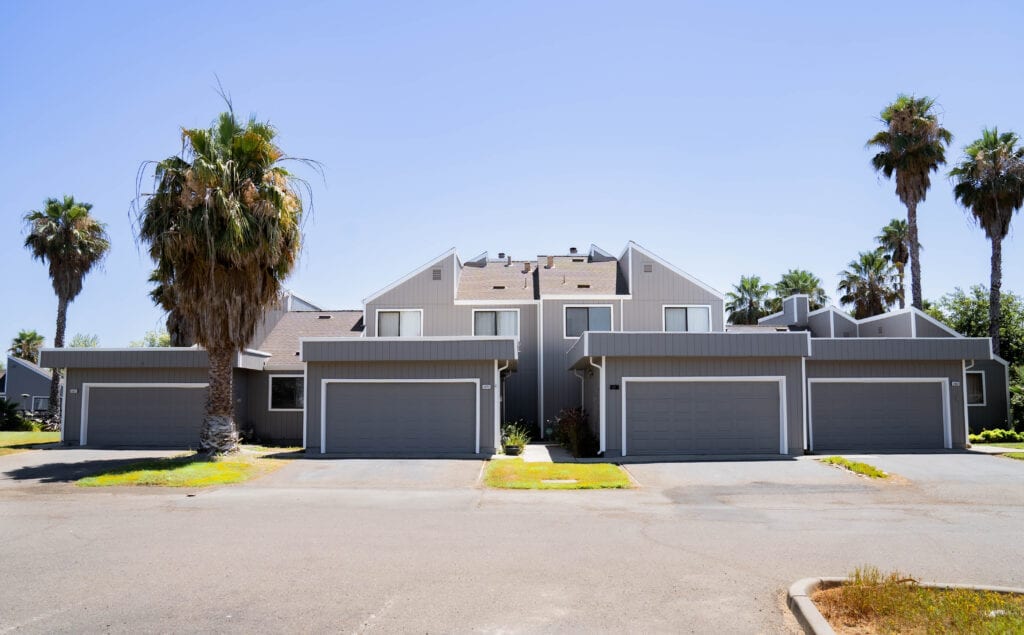
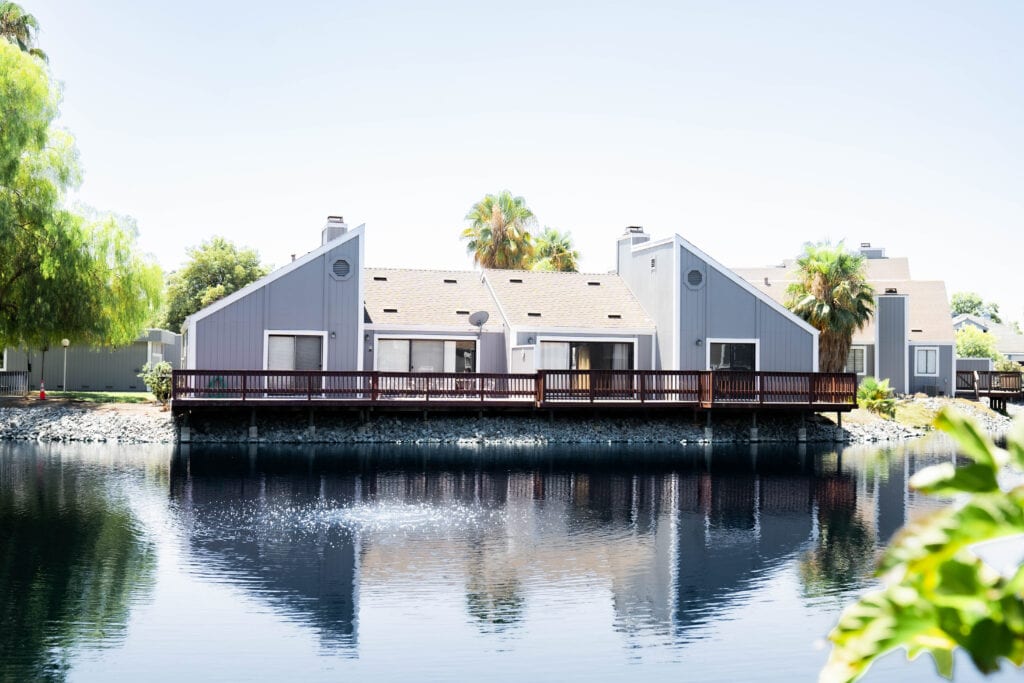
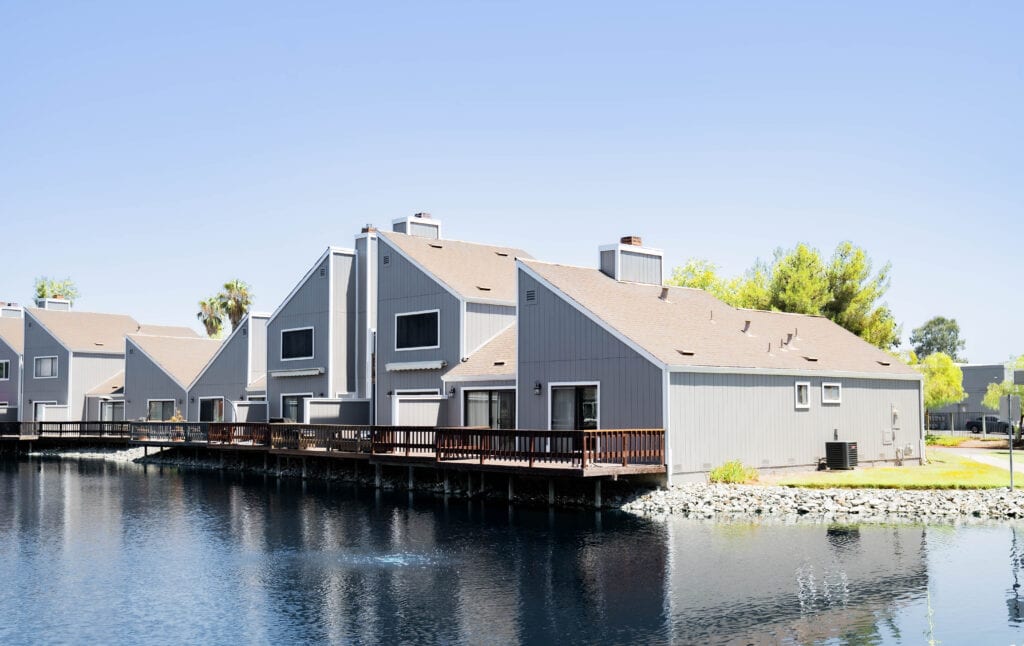
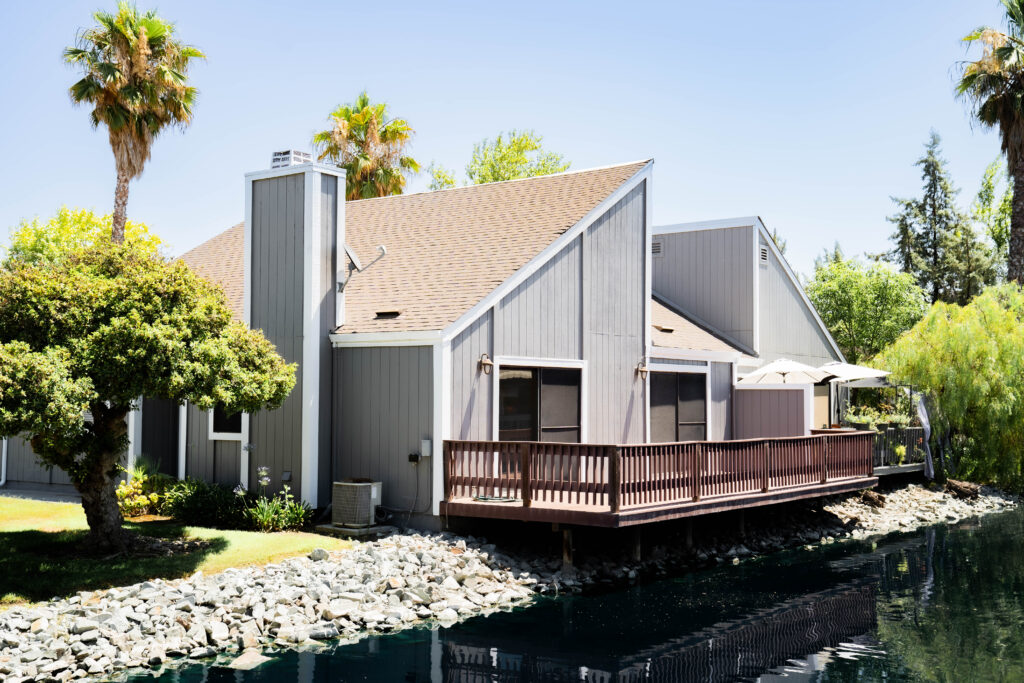
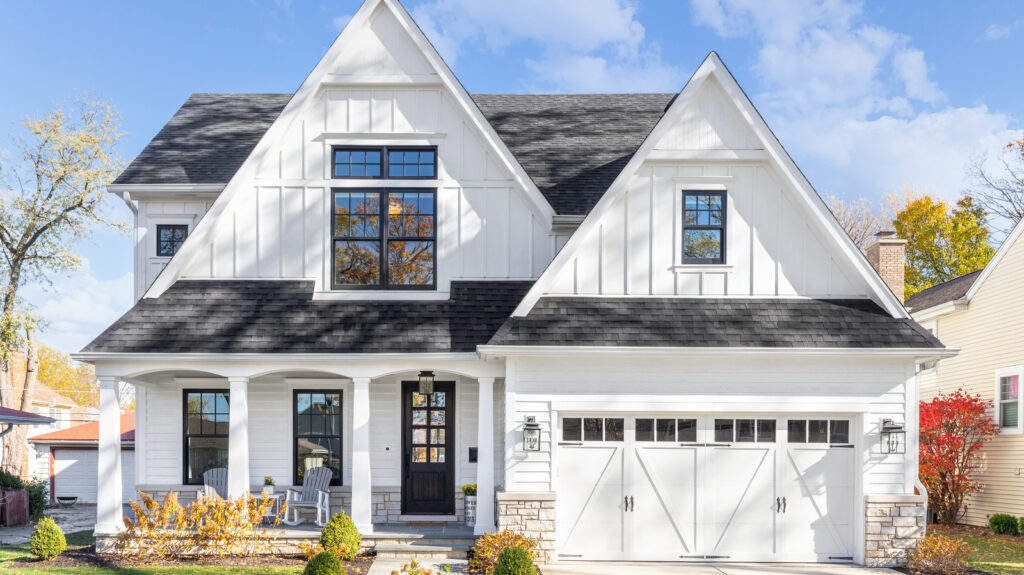
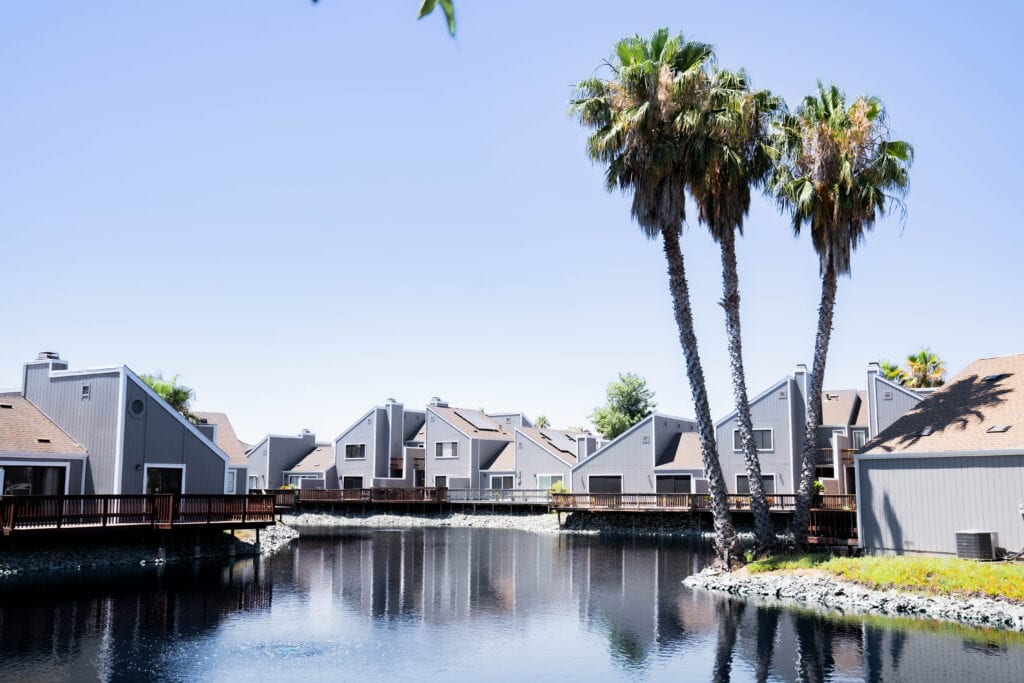
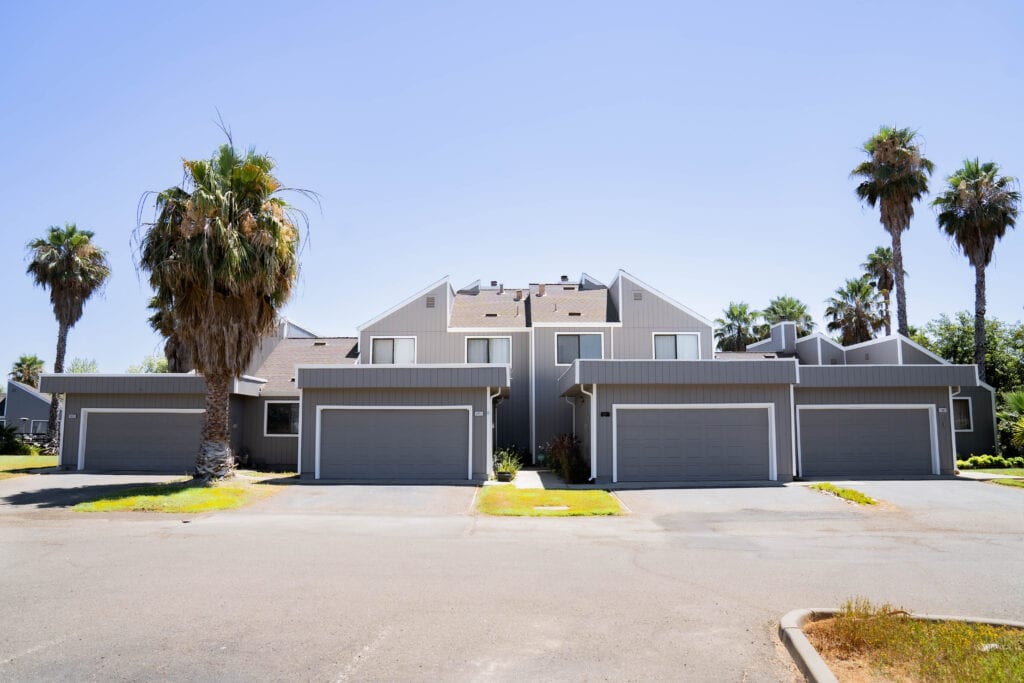
A look at homes we have re-sided and re-glazed across Sacramento, the Bay Area, and Lake Tahoe.

★★★★★ Rated 4.9 from 69 Google reviews
Heritage Exteriors is beyond exceptional. Very impressed with the timeliness, communication, and reasonable price of the whole project.
Heritage replaced my old crumbling wood siding and did a fantastic job. From the first interactions assessing the project and providing a quote, to the project itself, was all exceptional. My home looks brand new.
We recently had our house re-sided with Hardie product. We interviewed 3 companies, one of them being Heritage Exteriors. From our first meeting with David to the last day's work touching up paint, the experience was excellent.