★★★★★
Heritage Exteriors is beyond exceptional. Very impressed with the timeliness, communication, and reasonable price of the whole project.
Scott Doyen
Sacramento, CA · Google
Sacramento, CA · Google

A casement is hinged on one side and swings outward on a crank. That one difference from a slider changes how much of the opening you can use, how the window seals, where the screen goes, and what can go wrong with it.
Get a Free EstimateMost California houses built since the 1960s were given sliding or single-hung windows, because they were inexpensive and suited the builder. Casements are the type people ask about when they replace those windows and want something that ventilates better, seals tighter or simply looks less like a tract house.
This page is part of our California window guide. It covers how a casement works, what it does well, where it is the wrong choice, and what to check before you order one.
A casement sash is hinged along one vertical edge. Turning a crank on the inside sill drives an arm that pushes the sash outward, and the hinges slide in short tracks at the top and bottom of the frame so the sash both swings and shifts sideways as it opens. A lever on the side jamb pulls the sash tight against the frame, on most current windows at more than one point along its height.
Three things follow from that design:
Some lines offer a push-out casement, which has a handle and a friction stay instead of a crank. It suits traditional houses and has fewer gears to wear, but it does not hold a partly open position against wind as firmly.
A casement ventilates better than a slider of the same size for two reasons. The first is simple area: all of the opening is open. The second is that an open sash sticks out from the wall like a small door, and air moving along the wall is turned into the room by it.
That matters in the places we work. On summer evenings in Sacramento, cooler marine air is drawn inland through the Carquinez Strait, and a house that can take that air in quickly can shed a day of stored heat without running the air conditioner as long. Around the Bay, where many houses have no air conditioning at all, windows are the cooling system.
To make use of it, think about which way the sash is hinged. A casement hinged on the side away from the prevailing breeze opens its face toward the wind and scoops air in. Hinged the other way, the same sash shelters the opening. On a wall the breeze runs along, pairing a left-hinged and a right-hinged unit gives you one that catches and one that exhausts. Ask for the hinge side to be drawn on the quote for each opening. It costs nothing to choose and it is permanent once ordered.
Cross-ventilation still needs an exit. One good casement on the windward side and nothing open on the other side of the house moves much less air than two modest openings on opposite walls.
When you lock a casement, the lock pulls the sash into a continuous gasket around the frame. A sliding sash cannot be squeezed against its seal in the same way, because it has to be free to move along the track. Wind pressure on a closed casement also pushes the sash harder into its gasket, where on a slider it works against the seal.
The practical result is that a well-made casement is usually among the tighter operable windows a manufacturer sells. Do not take that on faith for a particular product. Air leakage is a rated figure, and some manufacturers list it on the NFRC label or the product's performance sheet. Our guide to reading an NFRC label shows where to look. A lower air leakage number is better.
Operating type does not change what California requires of the glass and frame. A replacement casement has to meet the same U-factor and SHGC limits for your climate zone as any other window, and those are covered on our page about what Title 24 requires of replacement windows.
Every sleeping room needs at least one emergency escape and rescue opening. Under the 2025 California Residential Code, Section R319 (formerly R310), that opening needs:
The dimensions are measured with the window opened in the normal way. That is where sliding and hung windows lose out: only one panel opens, so a window has to be roughly twice as big as the opening it provides. A casement gives back most of its frame size, which is why it is often the type that makes a small or narrow bedroom opening work.
Two cautions. First, the opening is not the full frame. The sash, when open, still takes up some of the width at the hinge side, and standard hinges on a narrow unit can leave less than 20 inches clear. Some product lines offer hinges designed to swing the sash further out of the way for exactly this reason. Second, the crank handle must not need removing to get out. Ask for the net clear opening of the specific unit in writing.
When you are replacing an existing bedroom window in the same opening, the code has a specific allowance. Section R319.5 exempts a replacement from the size requirements if it is the manufacturer's largest standard size that fits the existing frame or rough opening and it is the same operating style as the old window or a style that gives an equal or greater opening. Swapping a slider for a casement normally increases the opening, so it sits comfortably inside that rule. Going the other way may not. The site's egress window page covers the basics in more detail, and your building department has the final say.
Because the sash swings out, the screen goes on the room side. People who have only lived with sliders are sometimes surprised by this, so it is worth knowing before you order.
If a screen is torn or the frame is bent, it can be replaced without touching the window. See window screen replacement.
Over a kitchen sink, a crank is easier to reach than a sash you have to push sideways or lift. Flanking a fixed picture window, a pair of casements gives a wide view with ventilation at each end. In a narrow bedroom wall, a casement can satisfy egress where a slider of the same size cannot.
Stylistically, casements are original to several California house types. Spanish Colonial Revival and Mediterranean houses commonly had wood or steel casements set deep in the stucco. Tudor and storybook cottages used them with divided lites. Mid-century and contemporary houses use them as plain single lites with no grilles at all. On a Craftsman bungalow or a Victorian they are usually the wrong window for the street elevation, where double-hung sash belongs. Our guide to windows for California home styles goes through each type, and casement versus double-hung compares the two directly.
In wildfire-prone areas the glazing and screening requirements come from the California Wildland-Urban Interface Code, not from the window type. See wildfire-resistant exteriors.
Casement hardware is reliable when it is kept clean and never forced. Most early failures come from one of four habits.
For lubrication, follow the window manufacturer's care instructions for that product line. They differ on what to use and where, and using the wrong product can void the hardware warranty. If the handle spins without moving the sash, the gears in the operator are stripped. That is a part replacement on most current windows, not a reason to replace the unit.
California Civil Code section 1941.3 requires landlords to install and maintain operable locking devices on windows designed to be opened, and it lists casement windows among the exceptions. That is a statement about what the statute demands, not about what is sensible: a casement's own multi-point lock is a real lock, and it should work. Our window security guide covers the statute and the test standards.
For budgeting, see the Northern California window replacement cost page. If you are still choosing between operating types, how to choose a window style is the place to start.
We draw the hinge side and the open swing of every casement on the quote, and we check the net clear opening of bedroom units against the egress section before anything is ordered. If a slider is the better window for a particular opening, we will say so. Licensed in California, CSLB #1055919. Call (916) 546-2991.
Do casement windows open in or out?
In North American residential lines, almost always out. The sash swings to the exterior on hinges at the top and bottom of one side, driven by a crank or a push-out handle on the inside. That is why the insect screen sits on the room side of the window. Inswing casements exist, mostly in European-style product lines, and they trade the exterior clearance problem for an interior one.
Can a casement window be a bedroom egress window?
Often yes, and it is frequently the easiest type to make comply in a narrow opening, because nearly the whole sash area opens. The 2025 California Residential Code, Section R319 (formerly R310), asks for a net clear opening of at least 5.7 square feet (5 square feet at a grade floor), at least 24 inches high and 20 inches wide, with the bottom of the opening no more than 44 inches above the floor. Have the installer confirm the net clear opening of the specific unit, since hinges and the sash itself take up some of the frame width.
Why is the screen on the inside?
Because the sash swings outward, an exterior screen would be in its way. The screen sits in the interior side of the frame instead, where it is protected from sun and weather and easy to lift out for cleaning. The trade-off is that you see the screen mesh from inside before you see the glass, and anything you set on the sill sits against it.
Are casement windows more expensive than sliders?
Generally yes for the same opening, because there is more hardware in them: an operator, hinges, and usually a multi-point lock. We do not publish per-window prices on this page. Our Northern California window cost page gives dated installed ranges, and a quote that prices the same opening both ways is the honest comparison.
Can I put a window air conditioner in a casement?
Not a standard one. Window units are built for the opening a hung or sliding window leaves. A casement opening is tall, narrow and has a crank in the way. If a room depends on a window unit, either keep a sliding or hung window there or plan a different way to cool the room before you change the window type.
How long does the crank mechanism last?
It depends on use, exposure and care, and no honest contractor will give you a number of years. Operators fail early when a sash is forced against a locked or painted-shut position, when the hinge track fills with grit, or when the window is left open in strong wind. Operators and hinges are replaceable parts on most current product lines, so a stripped crank does not usually mean a new window. Call (916) 546-2991 if you are not sure which you are looking at.
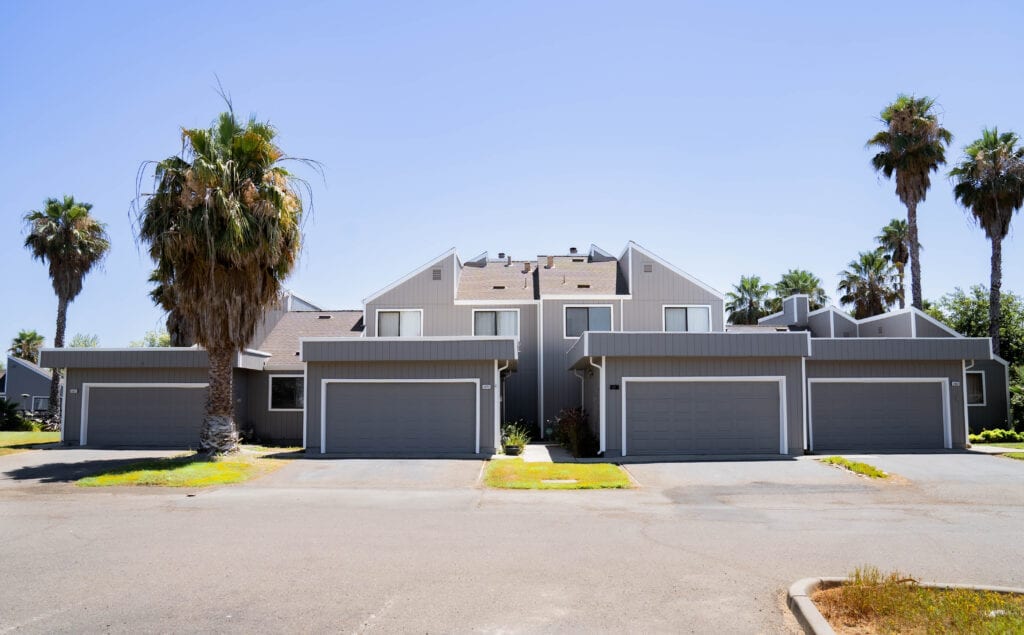
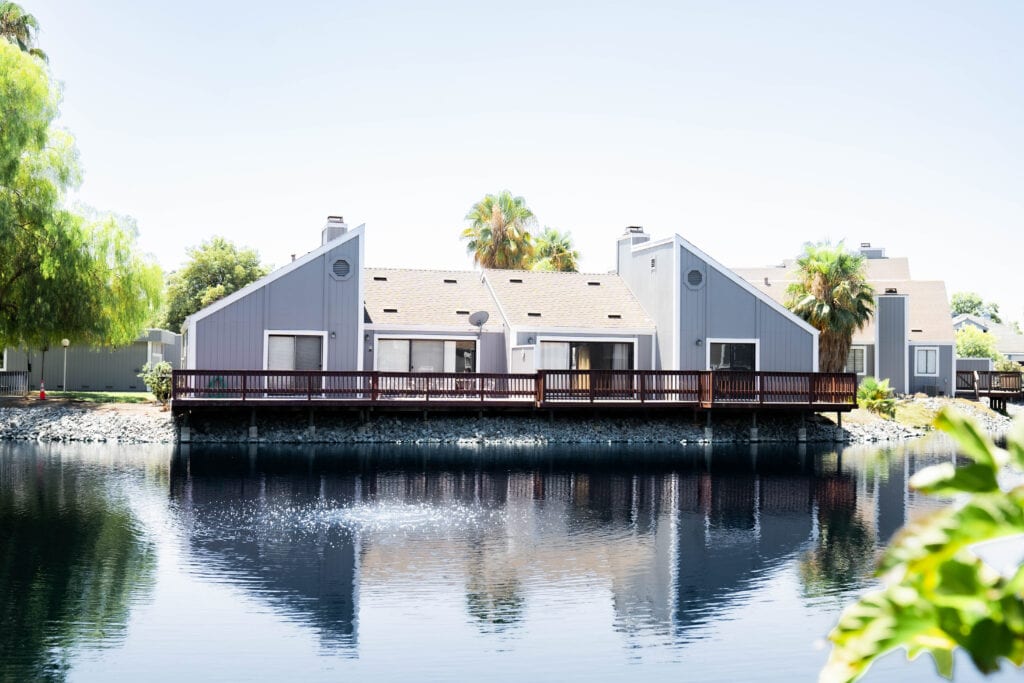
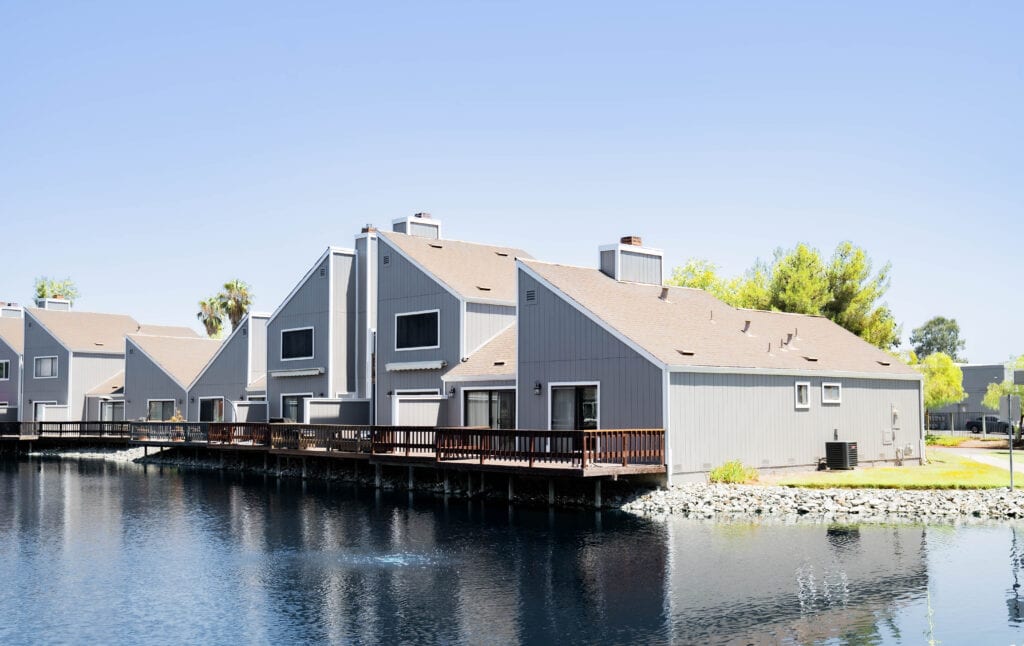
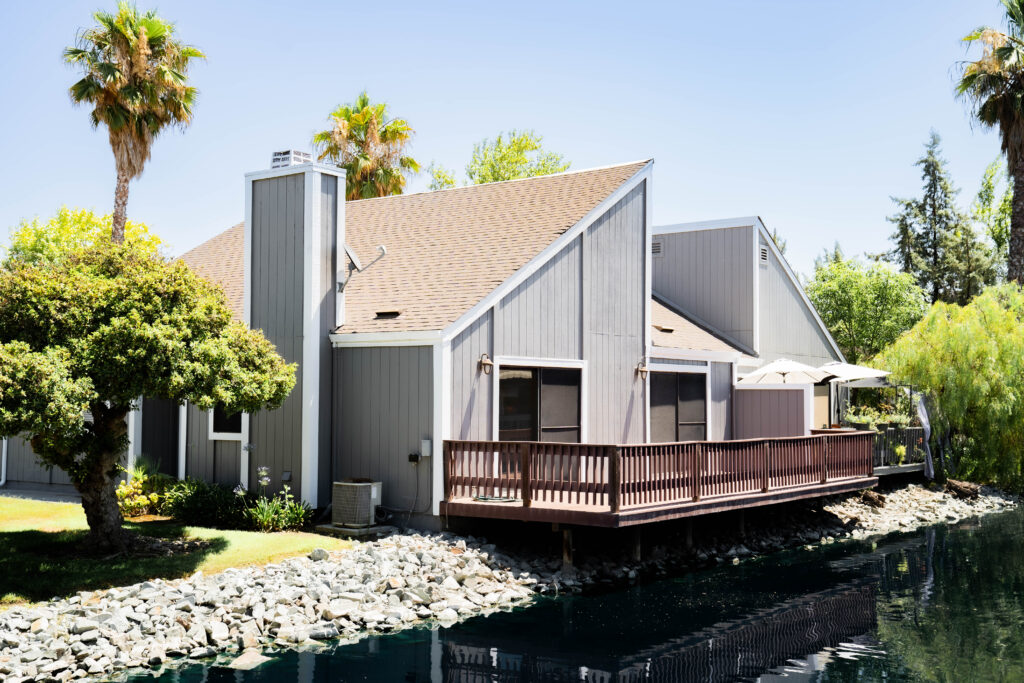
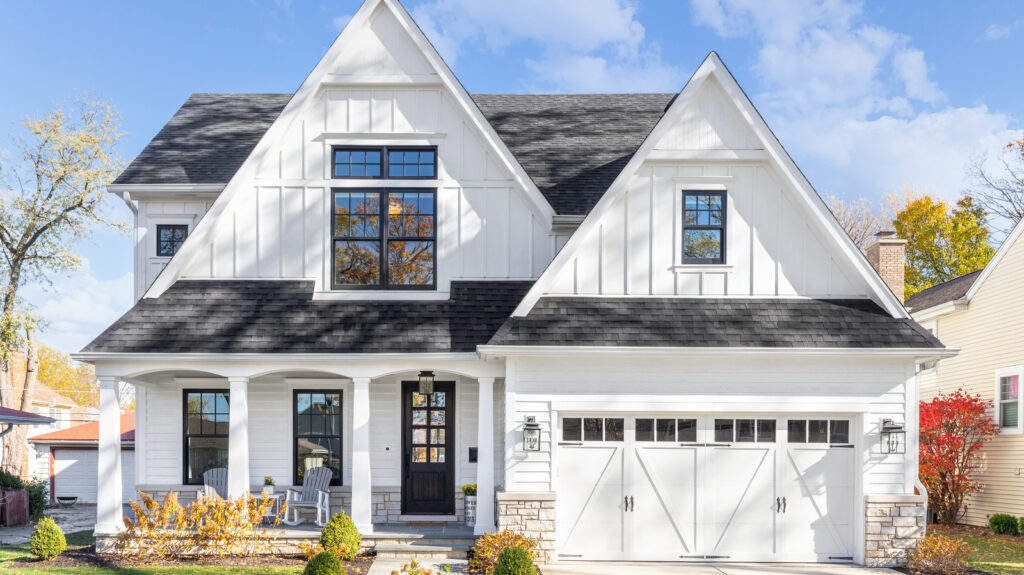
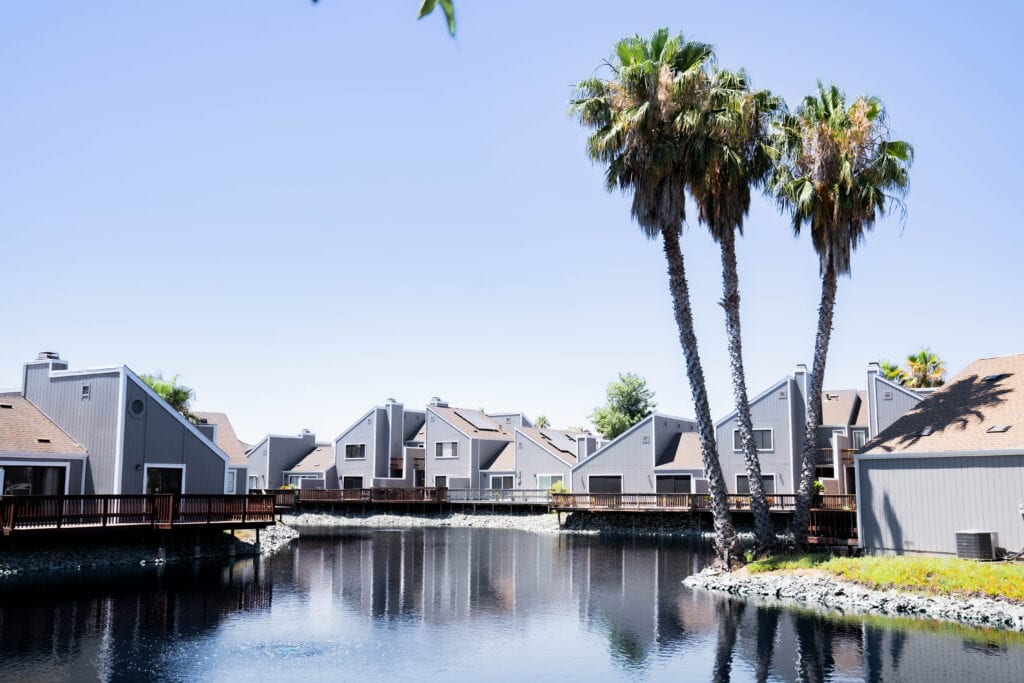
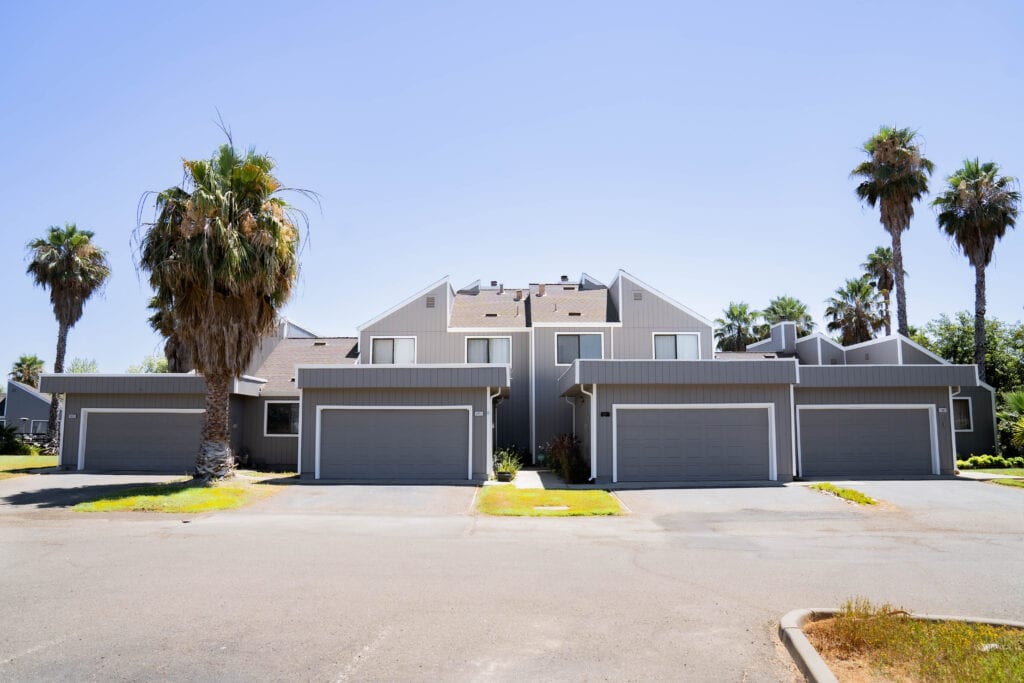
A look at homes we have re-sided and re-glazed across Sacramento, the Bay Area, and Lake Tahoe.

★★★★★ Rated 4.9 from 69 Google reviews
Heritage Exteriors is beyond exceptional. Very impressed with the timeliness, communication, and reasonable price of the whole project.
Heritage replaced my old crumbling wood siding and did a fantastic job. From the first interactions assessing the project and providing a quote, to the project itself, was all exceptional. My home looks brand new.
We recently had our house re-sided with Hardie product. We interviewed 3 companies, one of them being Heritage Exteriors. From our first meeting with David to the last day's work touching up paint, the experience was excellent.