★★★★★
Heritage Exteriors is beyond exceptional. Very impressed with the timeliness, communication, and reasonable price of the whole project.
Scott Doyen
Sacramento, CA · Google
Sacramento, CA · Google

Millions of California tract homes built from the 1960s through the 1980s still have their original mill-finish aluminum sliders. Replacing them usually means choosing between vinyl and a modern thermally broken aluminum frame. Here is how the two actually differ.
Get a Free EstimateIf your house was built in California between about 1960 and the late 1980s, there is a good chance it came with aluminum sliding windows: thin silver or bronze frames, a single pane of glass, and a track that fills with water every winter. They were cheap, fast to install in a stucco wall, and they suited a state where energy was not yet regulated the way it is now.
They are also the most commonly replaced windows in the state. This page is part of our California window guide, and it covers the decision most owners of those houses face: go to vinyl like most of the neighborhood, or stay with aluminum in its modern form.
A lot of confusion comes from mixing up two questions.
Most of what follows is about the second question, because that is the real choice at the time of purchase. Our existing page on the advantages and disadvantages of aluminum windows covers the material on its own.
Aluminum is an excellent conductor of heat. The Efficient Windows Collaborative, a program of the National Fenestration Rating Council, puts it plainly: the biggest disadvantage of aluminum as a frame material is its high thermal conductance, which raises the overall U-factor of the window.
The fix is a thermal break. The frame is split into an interior piece and an exterior piece, and the two are joined with a material that conducts far less heat. Milgard, for example, describes a polyurethane channel in its aluminum frames for this purpose. According to the Efficient Windows Collaborative, standard thermal breaks have cut aluminum frame U-factors roughly in half, from about 2.0 to about 1.0. The same source puts wood frames at roughly 0.3 to 0.5 and describes vinyl as comparable with wood.
Those are frame-only figures, not the number on the label, but they explain the pattern you will see when you compare products: with the same glass, the vinyl window will post a lower whole-window U-factor than the aluminum one. The frame and sash are a meaningful share of the total window area, so the frame material shows up in the result.
One caveat from the same source matters in much of California. In hot climates, where solar gain through the glass often matters more than conduction through the frame, improving the frame can be less important than choosing a better glazing package. In Sacramento in July, the low-E coating is doing more work than the frame is. See the best windows for cooling for that side of the decision.
Ask the owner of a 1970s house what is wrong with the windows and the answer is rarely "my U-factor is high." It is water. Beads on the glass, a wet track, black staining on the sill and the drywall below it.
The cause is simple. Condensation forms when the inside surface of the window is colder than the dew point of the room air. A bare aluminum frame and a single pane are both about as cold as the outdoors on a January morning in the Central Valley or on a foggy night in the Bay Area, so indoor moisture condenses on them. The Efficient Windows Collaborative notes that the condensation problem, even more than heat loss, is what pushed the industry to develop better-insulating aluminum frames.
Vinyl frames and insulated glass keep the room-side surface warmer, so condensation is much less likely. A thermally broken aluminum frame is far better than what you have, but it will still run colder than vinyl. If condensation is your main complaint, vinyl is the safer choice. If you are comparing specific products, look for the Condensation Resistance figure where the NFRC label reports it: it runs from 1 to 100 and higher is better.
New windows do not lower the humidity in the house. If moisture is high, read how to fight condensation on the inside of windows before assuming a frame change will solve it.
California's Energy Code sets a maximum U-factor for replacement windows, and since 1 January 2026 the prescriptive figure is 0.27 in climate zones 1 to 5, 11 to 14 and 16, which covers Sacramento, the Bay Area, the North Coast, the Central Valley and the Sierra. It is 0.30 in zones 6 to 10 and 15, which covers much of coastal and inland Southern California. A solar heat gain limit of 0.23 also applies in most zones. The full table and the small-job exception are on our page about what Title 24 requires of replacement windows.
Here is what that means for this decision:
Whatever material you choose, the check is the same: read the NFRC label, not the brochure.
Aluminum is strong for its weight, so the frame can be thin. That is the reason it still exists as a residential product. Milgard's own description of its aluminum line leads with the narrow frame placing the focus on the glass, and with sealed, mechanically joined corners that stay square.
Vinyl is less stiff, so the frame sections are deeper and wider. On a retrofit, where the new window sits inside the old aluminum frame, you lose a little more glass on every side.
Whether this matters depends on the house.
The old mill-finish frame is bare aluminum. It oxidizes to a dull, chalky gray and pits over the decades. That look is not a preview of a new aluminum window. Current frames are anodized or carry a factory-baked finish; the residential aluminum series on Milgard's site is offered in clear anodized and bronze anodized.
Vinyl's color runs through the material, so there is no coating to scratch off. White and tan are the long-standing standards. Dark colors are available now through co-extruded capstock layers and factory-applied finishes, and they come with their own warranty terms and heat considerations, which our sibling guide on dark window frames and heat covers.
Neither material needs painting. Both need the tracks and weep holes kept clear, and both have rollers, locks and weatherstripping that wear.
Within reach of salt air, from Pacifica to Bodega Bay and along the whole Southern California coast, the material question changes.
Vinyl does not corrode. Aluminum does, and salt is what drives it: you will see pitting and white oxide on old frames, and on new ones the risk concentrates at cut ends, fastener holes and anywhere the finish is damaged. Contact with other materials matters too. Milgard's current replacement warranty, for example, excludes damage from aluminum components in direct contact with concrete, steel, or copper-treated wood.
Read the warranty for coastal terms whatever you buy. As examples from current documents: Milgard's excludes corrosion and "otherwise abnormal environments" other than a one-year term on stainless steel hardware; Anlin's excludes corrosion from a salt-air environment and loss of hardware function in buildings within two miles of the ocean or a body of salt water; Andersen's excludes damage from airborne pollutants "such as salt." None of this means windows fail at the coast. It means the maintenance, mostly rinsing with fresh water, is on you. Our sibling guide to windows for salt air and fog covers finishes and hardware in detail.
| Vinyl | Thermally broken aluminum | Your old mill-finish aluminum | |
|---|---|---|---|
| Frame insulation | Comparable with wood | Much better than old aluminum, still below vinyl | Poor; no thermal break |
| Condensation risk | Low | Moderate | High |
| Meeting the Title 24 prescriptive U-factor | Usually straightforward; verify the label | Product-specific; verify the label | Not applicable |
| Frame width | Wider | Narrow | Narrow |
| Corrosion | Frame does not corrode | Finish-dependent; needs rinsing near salt air | Oxidizes and pits |
| Best fit | Most tract, ranch and stucco houses | Modern designs, large spans, slim-frame priorities | — |
Most of these houses are stucco, and the old aluminum frame has a nailing fin buried behind it. Tearing that out means breaking and patching stucco around every opening. So the common method is a retrofit: the old sashes and center bars come out, the old frame stays in the wall, and a new window with an exterior flange is set into it and sealed. It is fast, it leaves the stucco alone, and done properly it is weathertight.
It is not always the right method. If there is water damage in the wall, if the old frame is out of square, or if you are re-stuccoing or re-siding anyway, a full-frame replacement with new flashing is the better job. See retrofit windows, retrofit versus new construction windows, and our sibling guides on replacing windows in stucco homes and nail fin, flush fin and block frame windows.
The installation method does not change the energy requirement, and replacement windows generally need a permit. Our page on permits for retrofit windows explains the process.
For most California tract and ranch houses, vinyl is the right replacement for old aluminum. It solves the condensation, it meets the energy standard without drama, it does not corrode, and it is the lower-cost route. That is why most of the street has already done it.
Choose thermally broken aluminum when the thin frame is the reason: a mid-century or contemporary design, a very large opening, or a wall of glass where vinyl would look heavy. Go in knowing you are trading some insulation for the look, and verify the label against your climate zone before ordering.
And consider a third option before deciding. Fiberglass sits between the two on frame width and matches or beats vinyl on stability; fiberglass versus vinyl covers it. For cost, see window replacement cost in Sacramento and the Bay Area.
We replace original aluminum windows in stucco and wood-sided houses across Sacramento, the Bay Area and Lake Tahoe, in vinyl, fiberglass and thermally broken aluminum, and we quote with the NFRC figures for your climate zone written down rather than a blanket compliance claim. If we think your house needs a full-frame job instead of a retrofit, we will say so and show you why. Licensed in California, CSLB #1055919. Call (916) 546-2991.
Are my old aluminum windows the same thing as the aluminum windows sold today?
No. A typical original tract-home slider is a single extrusion of bare or anodized aluminum, usually around a single pane of glass, with nothing to interrupt heat moving through the metal. A current residential aluminum window sold for a California house is normally thermally broken, meaning the frame is split into an inside and an outside piece joined by a less conductive material, and it carries insulated low-E glass. Comparing vinyl against your old windows and comparing vinyl against new aluminum are two different comparisons.
Can a new aluminum window meet Title 24?
It depends on the specific product and where you live, and the only way to know is the NFRC label. The prescriptive maximum U-factor for replacement windows is 0.27 in most of Northern California and the Central Valley and 0.30 in much of coastal and inland Southern California. Aluminum is the frame material where that number is hardest to reach, so ask for the certified U-factor of the exact configuration before you fall in love with a profile. There is also a performance compliance path if one product misses the prescriptive figure.
Will vinyl windows stop the water running down my glass in winter?
They usually reduce it a great deal, because both the frame and the glass stay warmer on the room side. They will not fix a house with very high indoor humidity. If you see condensation on new dual-pane vinyl windows, the cause is almost always moisture in the house: unvented cooking and showers, a clothes dryer venting indoors, or a crawl space problem. No manufacturer warranty we have read covers interior condensation.
Do vinyl windows look bulky compared with aluminum?
Vinyl frames are thicker than aluminum ones, and on a retrofit the new frame sits inside the old one, so the glass area shrinks a little more. How much it bothers you depends on the house. On a ranch house with modest openings most people stop noticing within a week. On a mid-century modern house with floor-to-ceiling glass the frame is the architecture, and that is where a slim-profile vinyl series or thermally broken aluminum earns its place.
Is aluminum a bad idea near the ocean?
Not automatically, but it needs the right finish and regular rinsing, and you should read the warranty for coastal language before ordering any material. Several manufacturers exclude corrosion from salt air, and some limit hardware coverage within a stated distance of salt water. Vinyl frames do not corrode, although the steel and zinc hardware inside any window still can.
Can I keep my aluminum frames and just change the glass?
Sometimes a glass shop can fit a thin insulated unit into an old aluminum sash, but the frame is still the weak point and the result will not meet the current energy standard for a permitted replacement. It can be a sensible stopgap for one broken pane. For a whole house it rarely pencils out against a proper replacement, and our sibling guide on glass-only replacement goes through when it does.
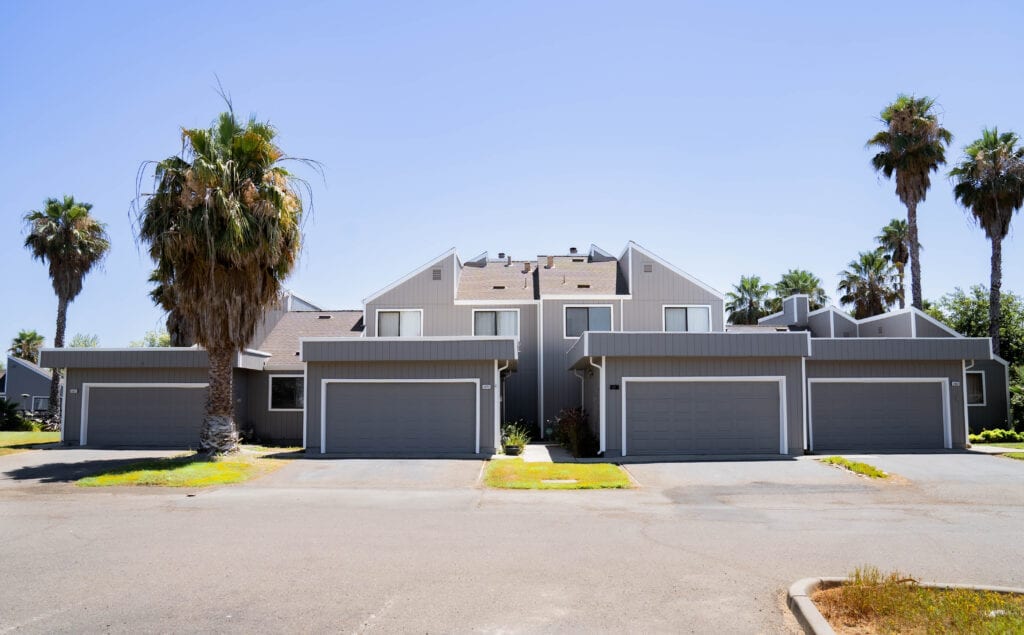
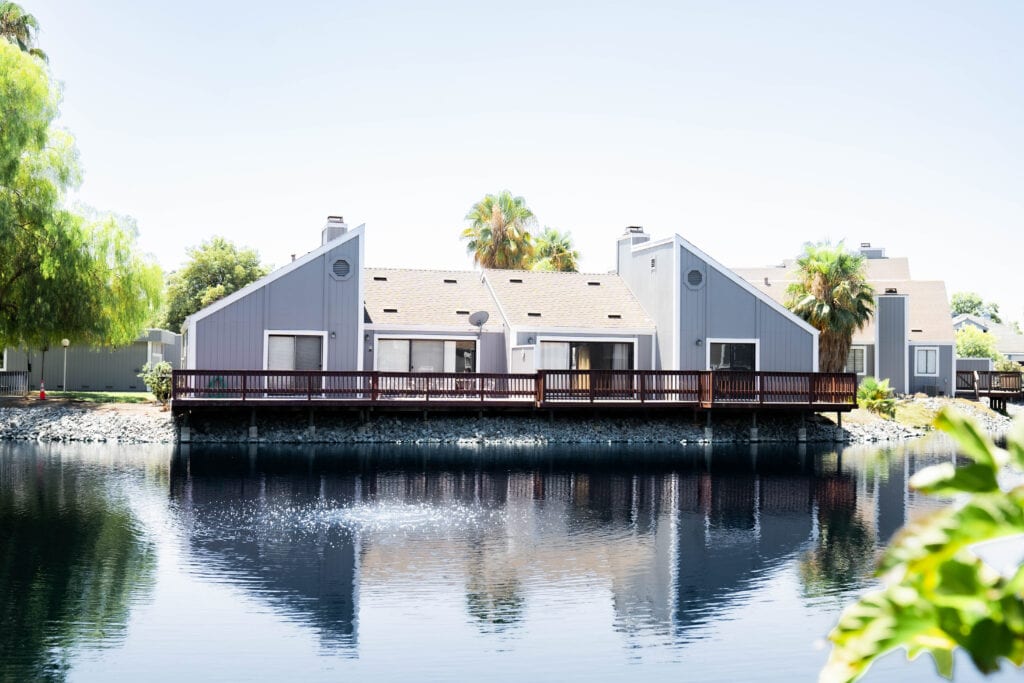
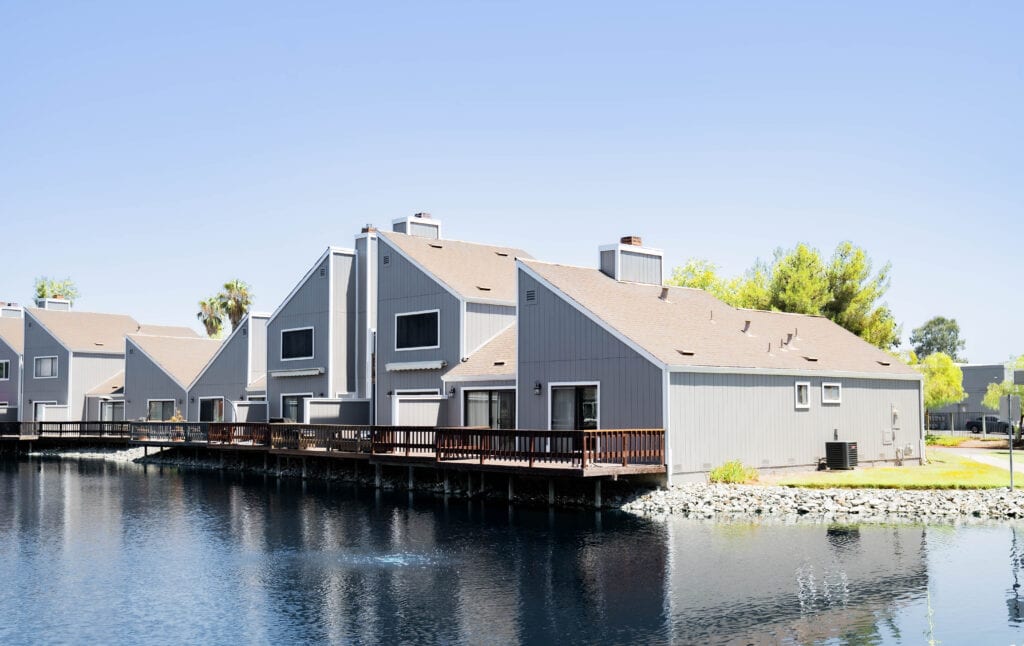
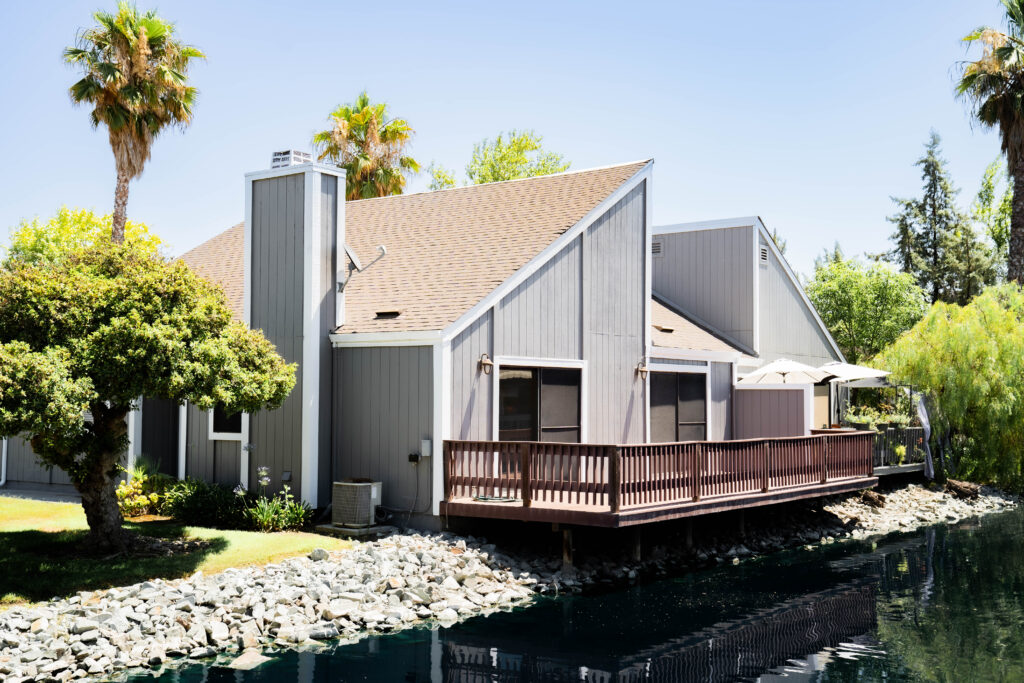
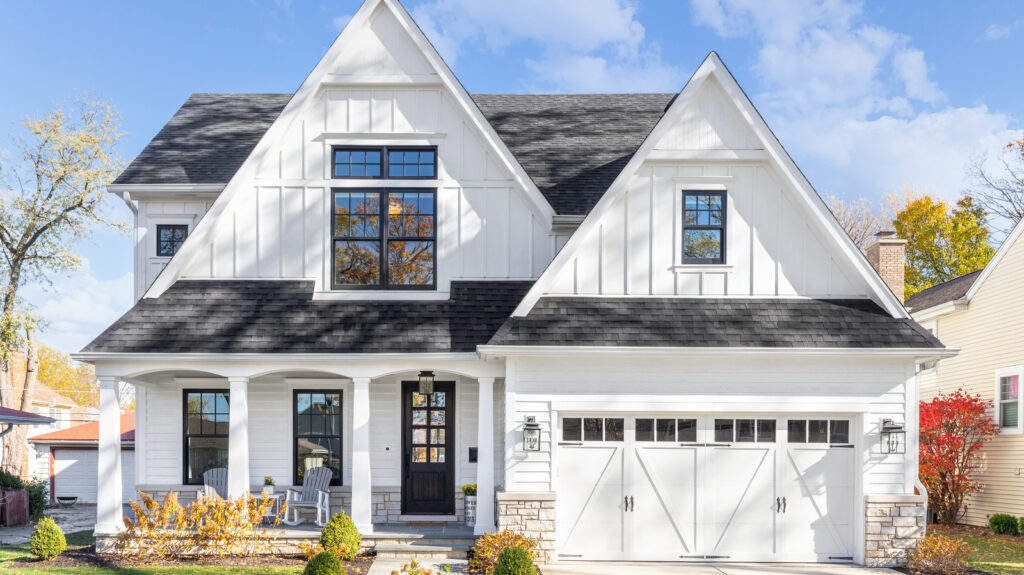
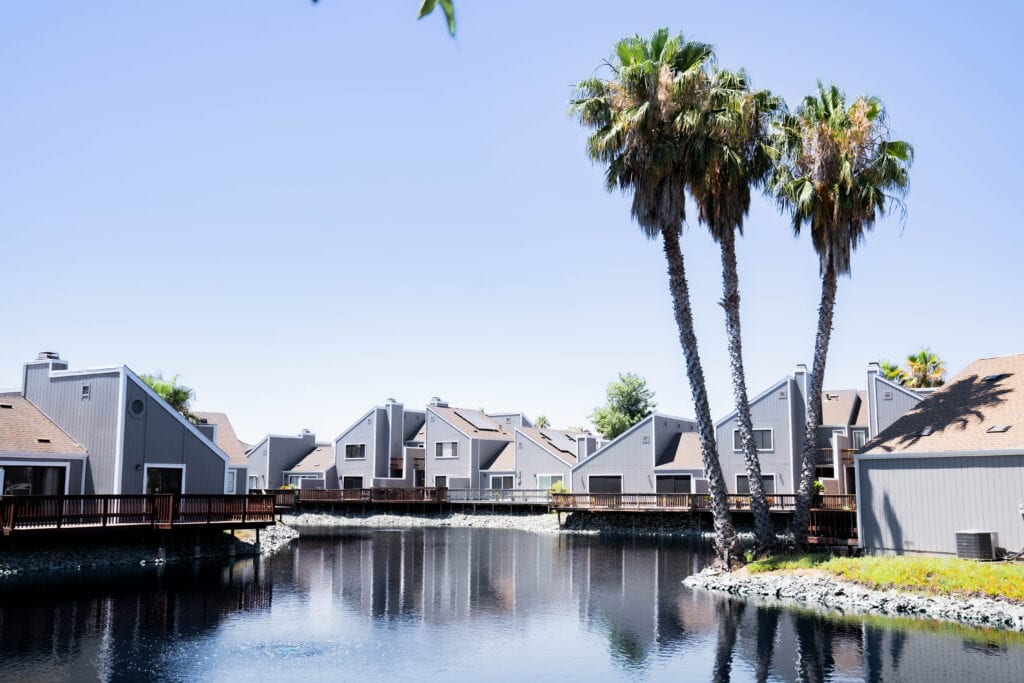
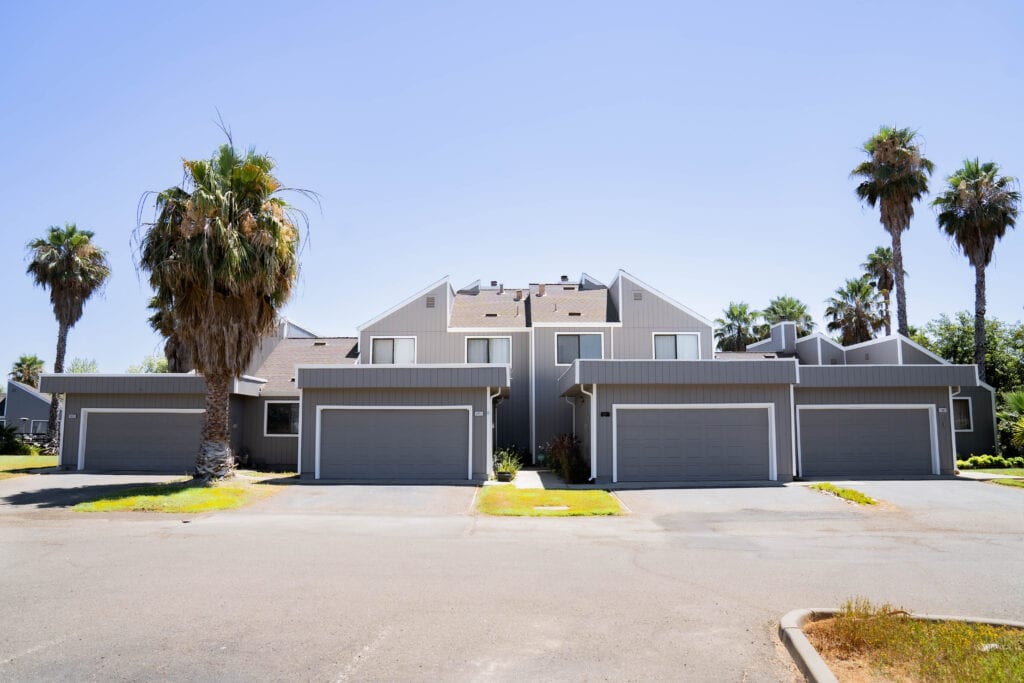
A look at homes we have re-sided and re-glazed across Sacramento, the Bay Area, and Lake Tahoe.

★★★★★ Rated 4.9 from 69 Google reviews
Heritage Exteriors is beyond exceptional. Very impressed with the timeliness, communication, and reasonable price of the whole project.
Heritage replaced my old crumbling wood siding and did a fantastic job. From the first interactions assessing the project and providing a quote, to the project itself, was all exceptional. My home looks brand new.
We recently had our house re-sided with Hardie product. We interviewed 3 companies, one of them being Heritage Exteriors. From our first meeting with David to the last day's work touching up paint, the experience was excellent.