★★★★★
Heritage Exteriors is beyond exceptional. Very impressed with the timeliness, communication, and reasonable price of the whole project.
Scott Doyen
Sacramento, CA · Google
Sacramento, CA · Google

What the 2026 rules actually require, with sources, and our guides to fire-resistant siding, windows and rebuilding.
Get a Free EstimateMuch of the Sierra foothills, the Tahoe Basin and the hills around the Bay Area sit in mapped wildfire hazard zones. This page explains what California’s wildfire construction rules actually require in 2026, with sources, and gathers our guides on fire-resistant siding, windows and rebuilding. For mountain homes generally, see our Tahoe and foothill guides.
California’s wildfire construction rules changed on 1 January 2026, and much of what is published online still describes the old ones. This is the short version, with its sources. Rules change and local departments add their own, so treat this as orientation and confirm with your building department before you buy materials. Checked against the sources below on 25 September 2026.
Wildfire-resistant construction is now governed by the 2025 California Wildland-Urban Interface Code (Title 24, Part 7), Chapter 5, in effect since 1 January 2026. It replaced Chapter 7A of the California Building Code and Section R337 of the Residential Code, which now just point to it. (BSC, 2025 Part 2 Chapters 5, 7, 7A and 8; California Building Standards Commission, 2025 Title 24 code changes.)
The code applies to new buildings in State Responsibility Areas, in areas the State Fire Marshal identifies as High or Very High Fire Hazard Severity Zones in local responsibility areas, and in areas a city or county designates itself. Local agencies can add areas, and some do: the Town of Truckee, for example, is treated in full as a Very High zone. You can look up an address in the State Fire Marshal’s hazard zone viewer; the State Fire Marshal released updated local-area maps in 2025, and each city or county adopts them by ordinance. (BSC emergency rulemaking SFM EF 01/25; Office of the State Fire Marshal, Fire Hazard Severity Zones; Town of Truckee 2025 WUI Code conformance checklist.)
This is the question most homeowners actually have, and the honest answer is that your local building department decides. The state code’s application section covers new buildings; a general rule for alterations to existing buildings has been proposed but, as of 25 September 2026, not adopted. Re-roofing is the one alteration the state code explicitly covers. The old exemption for remodels of homes built before July 2008 was removed on 1 January 2026, and many departments now specify fire-zone materials on re-siding permits. In practice, a re-side in a hazard zone is usually specified to the same standard as new construction. (BSC emergency rulemaking SFM EF 01/25.)
For new construction, exterior wall coverings must be noncombustible or ignition-resistant material, exterior-rated fire-retardant-treated wood, or part of a wall assembly that has passed the required fire tests. Paints, coatings and stains do not count as protection. Fiber cement siding such as James Hardie is noncombustible when tested to ASTM E136, and James Hardie products are listed by the State Fire Marshal for exterior walls. Vinyl is combustible and generally qualifies only as part of a tested assembly. (OSFM Building Materials Listing; ICC-ES evaluation report ESR-2290.)
Windows and glazed doors must have multiple panes with at least one tempered pane, or be glass block, 20-minute fire-rated glazing, or glazing that meets the State Fire Marshal’s test standard. A change requiring the inner pane to be the tempered one has been proposed but was not in effect as of 25 September 2026. Vents must be ember- and flame-resistant vents listed by the State Fire Marshal or tested to ASTM E2886; the familiar 1/16 to 1/8 inch mesh specification is the rule for certain roof vents and an insurance-discount criterion, not the general vent requirement. Eaves and fascias have their own material list.
State law requires 100 feet of defensible space in state responsibility areas and in Very High zones, including a 5-foot ember-resistant zone once the Board of Forestry’s regulations take effect. The Board adopted those regulations on 19 August 2026, but as of 25 September 2026 they were not yet in effect. For existing homes, the adopted text would phase in, with some items required immediately and others over three to five years. It governs vegetation, mulch, fences and stored material near the house, not the siding itself. Keeping the first five feet clear is CAL FIRE’s guidance today regardless. (Public Resources Code §4291; Government Code §51182; Board of Forestry, Zone 0 rulemaking.)
The Tahoe Regional Planning Agency exempts replacing siding and windows from its own review, but on houses visible from scenic travel routes and designated recreation areas, siding and paint must be subdued earth tones. The county or city building department still handles the permit. (TRPA Code of Ordinances §2.3.2.C and §36.6.1.D.)
California’s Safer from Wildfires regulation requires insurers that rate for wildfire risk to recognize specific mitigation measures, including a Class A roof, ember-resistant vents, enclosed eaves, upgraded windows and 6 inches of noncombustible material at the base of exterior walls. These are insurance criteria, not building code, and each insurer files its own discounts. The IBHS Wildfire Prepared Home program offers a separate third-party designation. (California Department of Insurance, Safer from Wildfires; IBHS Wildfire Prepared Home.)
Our main guides to choosing siding for a wildfire zone.
Hazard maps, local amendments and building departments differ from county to county.
We check your address against the hazard maps and your building department’s current requirements before we specify anything, and we put the materials and the permit path in writing. Ask us for an estimate, or read our glossary for the terms above.
Rules summarized on this page were checked against the linked primary sources on 25 September 2026. Codes, maps and regulations change, and cities, counties and fire districts can adopt stricter local rules, so confirm current requirements with your building department and fire district. This page is general information, not legal advice.
Is Chapter 7A still the California wildfire building code?
No. Since 1 January 2026, wildfire-resistant construction in California is governed by the 2025 California Wildland-Urban Interface Code, Title 24 Part 7, Chapter 5. It replaced Chapter 7A of the Building Code and Section R337 of the Residential Code, which now refer to it.
Do I have to use fire-resistant siding if I re-side my existing house?
It depends on your local building department. The state code applies to new buildings, and a general statewide rule for alterations to existing buildings had been proposed but not adopted as of September 2026. Many departments specify fire-zone materials on re-siding permits in hazard zones, so check with yours before choosing materials.
Is James Hardie siding approved for wildfire zones?
James Hardie fiber cement siding is noncombustible when tested to ASTM E136, which makes it an acceptable wall covering under the California Wildland-Urban Interface Code, and several James Hardie siding products are listed by the State Fire Marshal. Your building official still approves the product for your permit.
What do wildfire-zone windows need?
For new construction, multiple panes with at least one tempered pane, or glass block, 20-minute fire-rated glazing, or glazing that meets the State Fire Marshal test standard. A proposal to require the inner pane to be the tempered one was pending as of September 2026.
Is Zone 0 law yet?
Not as of 25 September 2026. The Board of Forestry adopted Zone 0 regulations for the 5 feet around a house on 19 August 2026, but they had not taken effect. Once in effect, they phase in for existing homes, with some items immediate and others over three to five years. Keeping that area clear of combustible material is already CAL FIRE guidance.
How do I find out whether my home is in a fire hazard zone?
Enter your address in the State Fire Marshal’s Fire Hazard Severity Zone viewer, linked on this page, and check with your city or county, which adopts the local maps by ordinance and may designate additional areas.
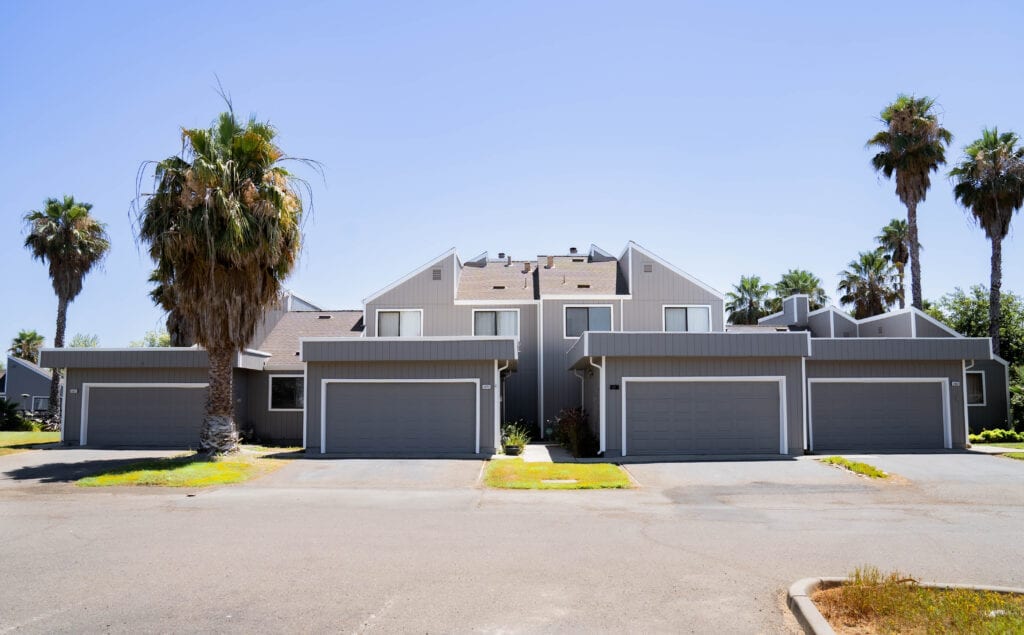
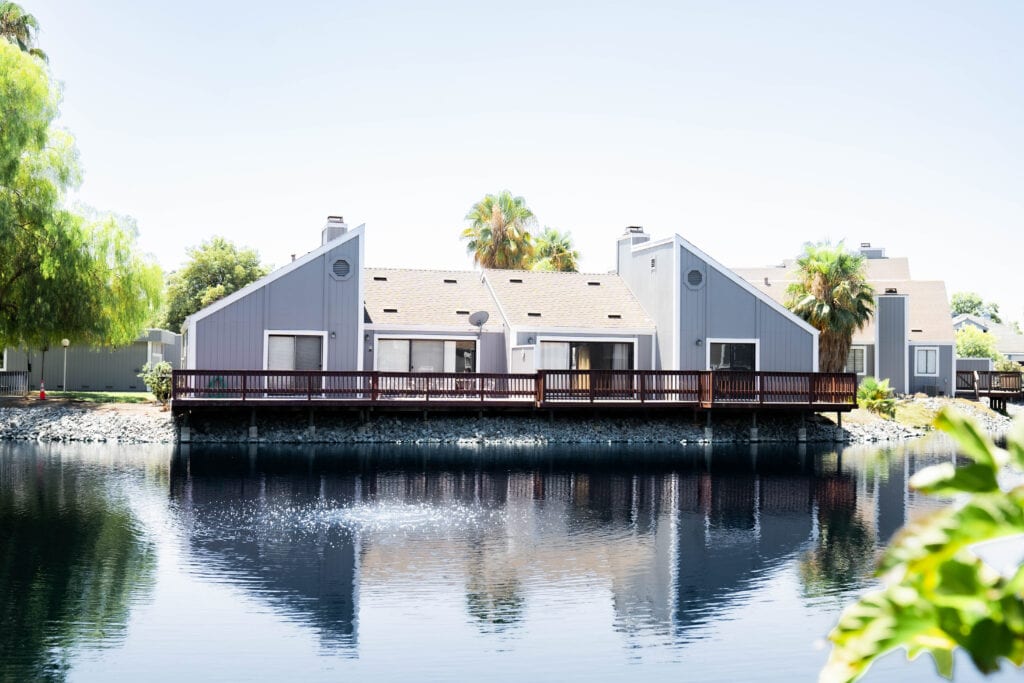
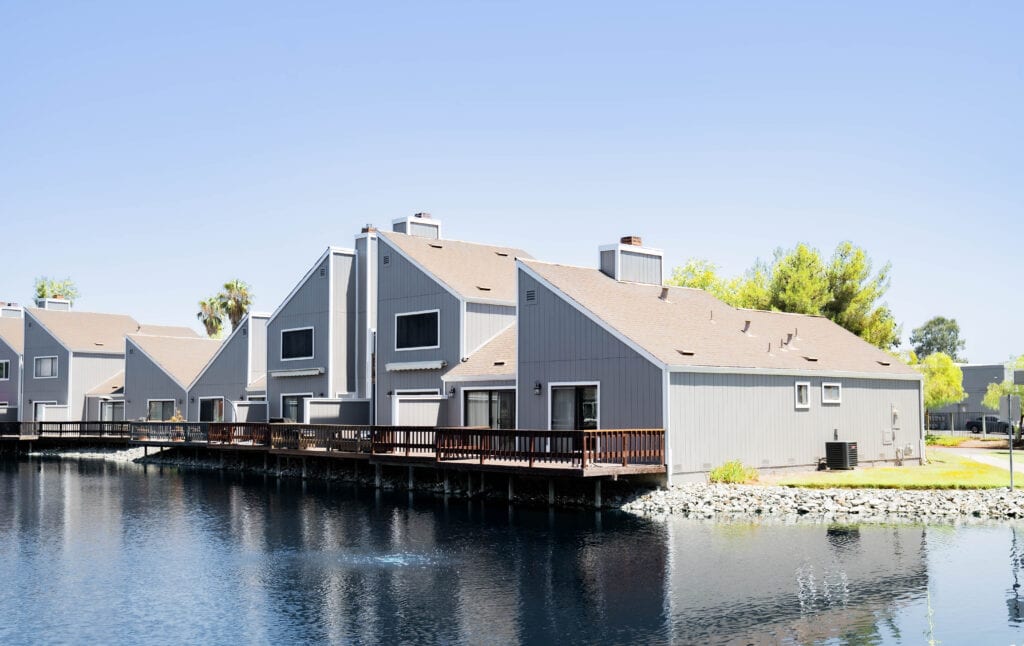
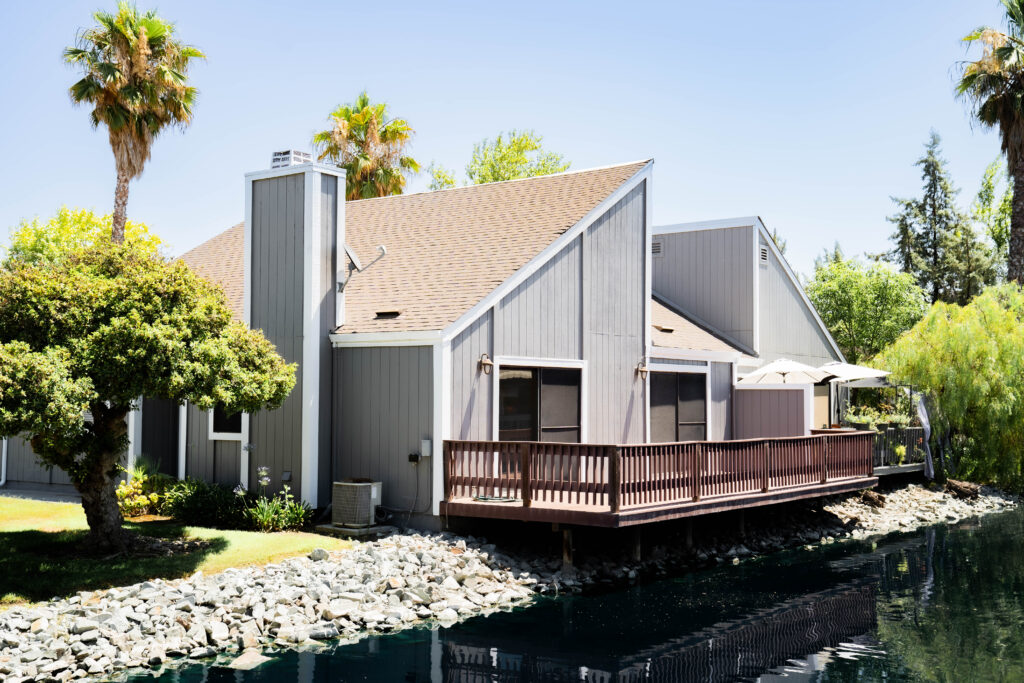
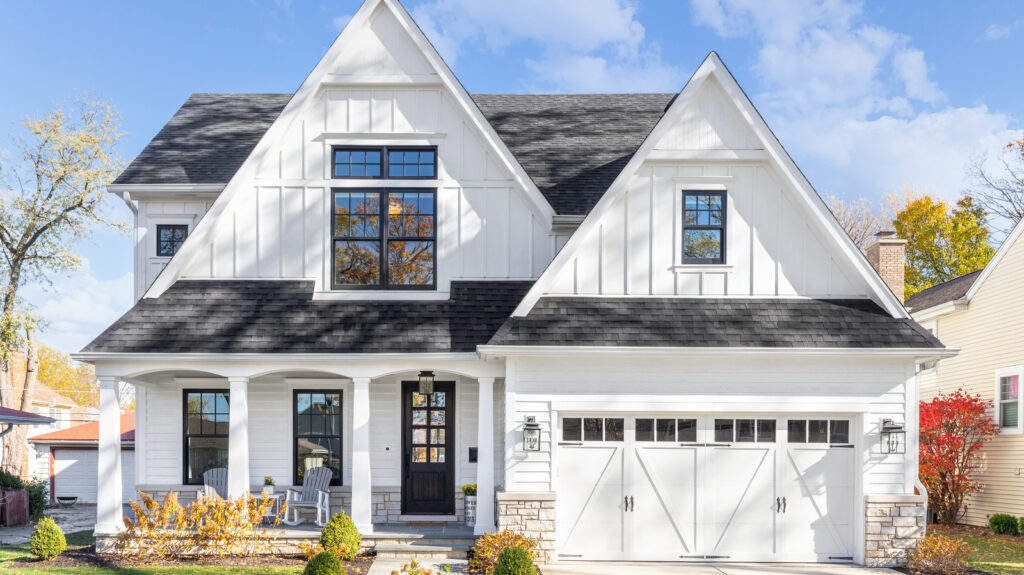
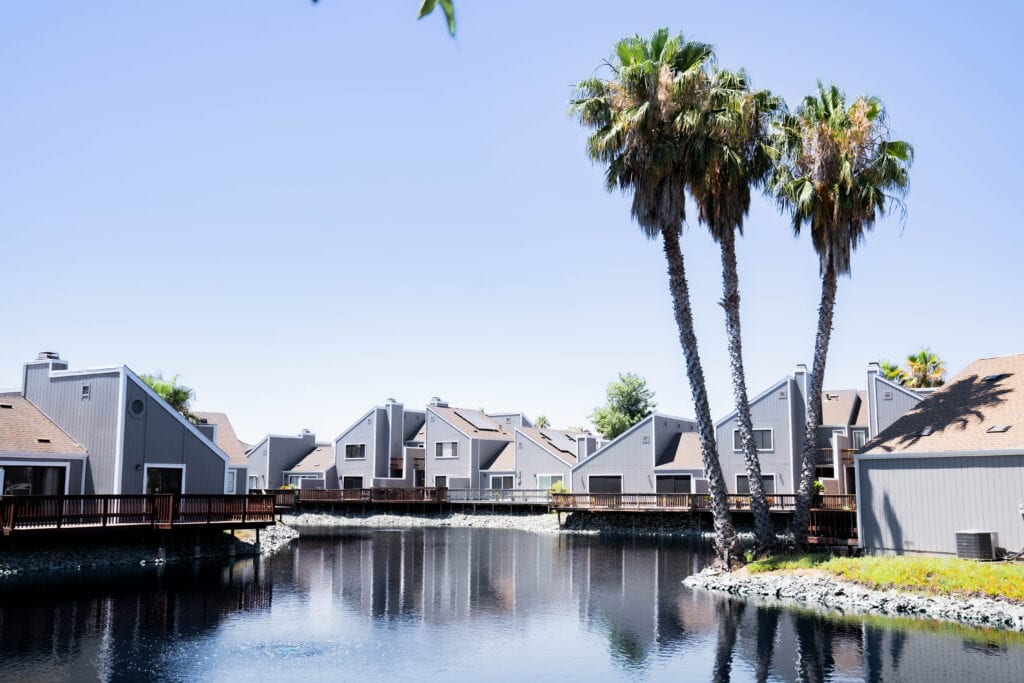
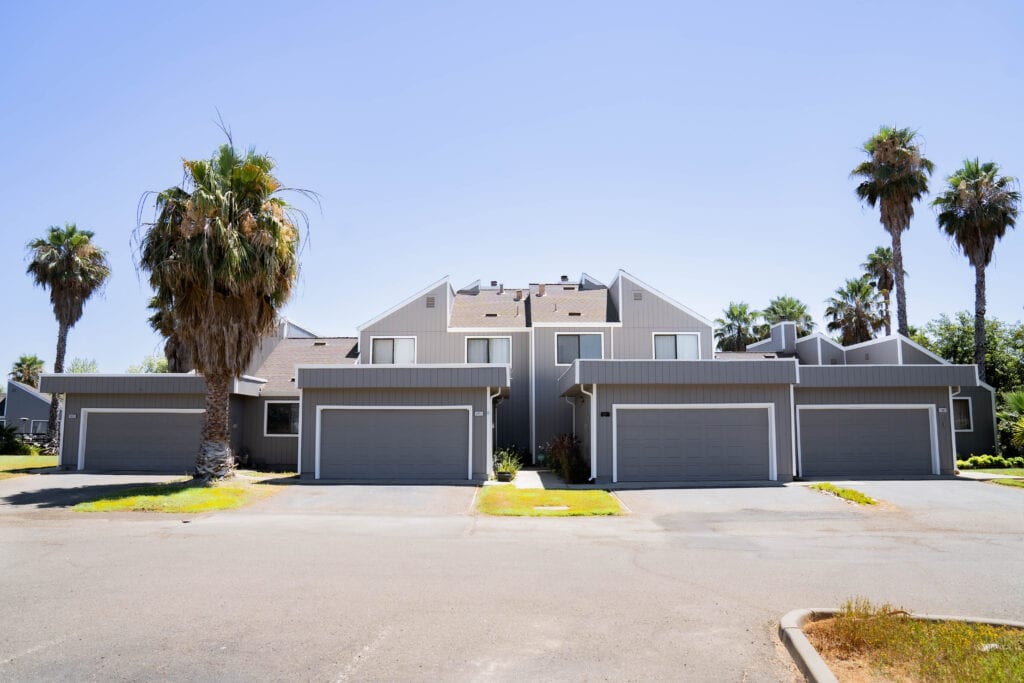
A look at homes we have re-sided and re-glazed across Sacramento, the Bay Area, and Lake Tahoe.

★★★★★ Rated 4.9 from 69 Google reviews
Heritage Exteriors is beyond exceptional. Very impressed with the timeliness, communication, and reasonable price of the whole project.
Heritage replaced my old crumbling wood siding and did a fantastic job. From the first interactions assessing the project and providing a quote, to the project itself, was all exceptional. My home looks brand new.
We recently had our house re-sided with Hardie product. We interviewed 3 companies, one of them being Heritage Exteriors. From our first meeting with David to the last day's work touching up paint, the experience was excellent.
From the blog
Best Siding for California Wildfire Zones: What Tahoe, El Dorado & Foothill Homeowners Need to Know (2026)
Read more →From the blog
Is James Hardie Siding Fire-Resistant? A Complete Safety Guide
Read more →From the blog
Best Fire-Resistant Siding for Tahoe Basin Homes
Read more →From the blog
How Siding Impacts Home Insurance Rates in Fire-Prone Areas
Read more →