★★★★★
Heritage Exteriors is beyond exceptional. Very impressed with the timeliness, communication, and reasonable price of the whole project.
Scott Doyen
Sacramento, CA · Google
Sacramento, CA · Google

Most window complaints are a failed part, not a failed window. A sash that will not stay up, a slider that drags, a crank that spins: each has a specific cause and usually a specific fix. The skill is knowing which problems are parts and which are the window telling you it is done.
Get a Free EstimateWindows are assemblies of parts, and the parts wear at different rates. The glass and frame of a decent window can outlast its balances, rollers, and weatherstripping several times over. Replacing those parts is ordinary maintenance, and it is far cheaper than a new window.
This page goes through the common repairs one at a time: what has failed, how it is fixed, and whether it is a job for you or for a professional. It ends with how to tell when repair stops making sense. It is part of our California window guide. If the names of the parts are unfamiliar, start with parts of a window.
| Problem | Likely cause | Typical fix | DIY or pro? |
|---|---|---|---|
| Hung sash will not stay up, or slams shut | Broken or disconnected balance | Replace the balance | Capable DIY on tilt sashes; pro for large or heavy sashes |
| Old wood sash will not stay up | Broken sash cord | Re-cord the sash | Skilled DIY; pro if pre-1978 paint is involved |
| Casement crank spins or will not close tight | Stripped handle or worn operator | Tighten or replace handle; replace operator | DIY for the handle; either for the operator |
| Slider drags, grinds, or jumps the track | Dirty track; worn rollers | Clean; adjust or replace rollers | DIY for small sashes; pro for large or heavy panels |
| Lock will not engage or is broken | Misalignment; broken latch | Adjust keeper; replace lock | DIY |
| Draft around a closed sash | Worn weatherstripping | Replace weatherstrip | DIY if the part is available |
| Soft or rotted wood sill | Water and failed finish | Epoxy repair or sill replacement | Pro, unless the damage is small and shallow |
| Fog between the panes | Failed insulated glass seal | Replace the glass unit or sash | Pro |
| Cracked or broken glass | Impact or stress | Replace the glass, with safety glazing where required | Pro |
| Water staining on the wall near the window | Flashing or sealant failure | Investigate; re-seal or re-flash | Pro |
On a single-hung or double-hung window, the sash is held up by a balance in each side jamb. Modern windows use spring balances in a few common designs: block-and-tackle (a spring and cord in a metal channel), spiral (a spring-loaded rod in a tube), and constant-force (a coiled steel ribbon). When one fails, the sash drops on that side, sits crooked, or will not stay open.
Before assuming a balance has failed, check the simple things. Milgard notes that when the top sash of a double-hung window slowly slides down, it is often because the sash was not pushed completely into place, and that raising it fully solves it. A tilt sash that has come off its pivot shoe will also behave like a broken balance.
The fix: balances are replaced, not repaired, and in pairs. The replacement has to match the old one's type, length, and weight rating, which is usually stamped on the balance itself. On a tilt-in sash, the sash comes out, the old balance unhooks from the jamb, and the new one goes in.
DIY or pro: a careful homeowner can do this on a small tilt sash. The springs are under tension, so wear eye protection and follow the manufacturer's instructions. Large sashes with heavy glass, and windows where the frame has to be partly disassembled, are for a professional.
Older wood double-hung windows use a different system: a cast-iron weight on each side, hidden in a pocket in the frame, connected to the sash by a cord running over a pulley. When the cord breaks, the weight drops into the pocket and the sash loses its counterbalance.
The fix: the interior stop is removed, the sash is taken out, the weight pocket is opened, the weight is retrieved, and new cord is run over the pulley and tied to the weight and the sash. The work is simple in principle and fiddly in practice, because old stops are brittle and layers of paint have glued everything together.
The lead issue: these windows are, almost by definition, in houses built before 1978, and their painted sashes rub against painted stops every time they move. The EPA specifically identifies surfaces subject to constant friction, like doors and window sills, as a source of lead chips and dust, and its regulatory definition of renovation includes window repair. A contractor paid to do this work in a pre-1978 home must be lead-safe certified. If you do it yourself, the rule generally does not apply, but the EPA recommends lead-safe work practices. See lead-safe work on pre-1978 homes.
Whether to restore old wood windows or replace them is its own decision, covered in historic window repair or replacement.
Casement and awning windows open with a crank handle that drives a geared operator, which pushes an arm attached to the sash.
The fix: operators are replaced as a unit. They are specific to the brand, the series, the hand (left or right), and sometimes the sash width, so identify the window before ordering.
DIY or pro: replacing a handle is a two-minute job. Replacing an operator is within reach of a handy homeowner once the right part is in hand. A sagging sash or bent hinge is better left to someone who does it regularly.
A horizontal slider rides on small rollers or glides at the bottom of the moving sash. When it gets hard to slide, the cause is, in order of likelihood:
The fix: lift the sash out of the frame, swap the rollers for matching ones, and reinstall.
DIY or pro: small window sashes are manageable for one person. Large sashes and patio door panels are heavy and awkward, and dropped glass is dangerous. Get help or hire it out. Whatever you do, do not spray an oily lubricant into the track to make it slide; it collects more grit. See our window maintenance guide for what manufacturers recommend.
A lock that will not engage is usually not a broken lock. It is a sash that is not sitting where it should, so the latch and its keeper no longer line up. Check for debris in the track, a sash not fully closed, or a keeper that has shifted. Many keepers are slotted for adjustment.
A lock that is physically broken, with a snapped lever or a cam that no longer turns, is replaced. Most are held by two screws. Milgard publishes a guide for replacing the lock snib on its products. Match the screw spacing and the latch style, and use the manufacturer's part where you can.
DIY or pro: DIY. Do not put it off. A window that does not lock is a security problem, and on some windows the lock is also what pulls the sash tight against the weatherstripping. For more on window security, see window security in California.
Weatherstripping flattens, tears, and shrinks with age. The signs are drafts, rattling, dust on the sill, and more outside noise than there used to be.
The fix: pull the old strip from its groove and press or slide in a new one of the same profile. The hard part is the part itself: there are many profiles (pile, bulb, fin, leaf), and the right one is specific to the window. Take a short piece of the old strip with you or send a photo to the supplier.
DIY or pro: DIY if you can get the right strip. Stick-on foam tape from a hardware store is a temporary measure, not a repair; it compresses quickly and can stop a sash from closing and locking properly.
Wood rots where water sits and the finish has failed, which means the sill, the bottom rail of the sash, and the lower corners of the frame.
Always ask why it rotted. Peeling paint is the easy cause. Water getting in behind the trim or under the sill because of failed flashing is the other, and filling the rot without fixing that guarantees it returns. Our window flashing and waterproofing page explains what to look for.
DIY or pro: a small epoxy repair is a reasonable DIY job, with lead-safe precautions on pre-1978 homes. Anything structural, or anything where the source of the water is unclear, needs a professional.
Fog, haze, or water droplets between the panes mean the edge seal of the insulated glass unit has failed. It cannot be cleaned and it does not get better. The unit can usually be replaced in the existing sash or frame, or the sash can be replaced.
California's Energy Code treats this as a repair, not as a window replacement: a note under Section 150.2(b)1B says glass replaced in an existing sash and frame, or sashes replaced in an existing frame, are considered repairs provided the replacement is at least equivalent to the original in performance. The full picture, including matching and when it is not worth doing, is on our page on glass-only replacement versus a new window, and the causes are covered in why windows fog between the panes.
DIY or pro: pro. Insulated units are made to order, heavy, and easy to damage, and check your warranty before paying anyone.
Deal with broken glass promptly. Tape a crack on both sides to hold it, keep people away from it, and board the opening if the pane is out.
The rule that matters here is about what goes back in. The 2025 California Existing Building Code, Section 402.1, states that replacement glazing in hazardous locations shall comply with the safety glazing requirements of the California Building Code or California Residential Code as applicable. In a house, those locations are defined in CRC Section R324.4 (formerly R308.4) and include:
So an old patio door or bathroom window with ordinary glass does not get ordinary glass back. It gets tempered or laminated safety glass, permanently marked as R324.1 requires. Exceptions and details are on our page on California tempered glass requirements.
DIY or pro: pro. A glazier will know whether the location requires safety glazing, will order the right unit, and will handle the broken glass safely. Single panes in old wood sashes set in putty are a traditional DIY job, with lead-paint precautions and only where safety glazing is not required.
Stop repairing and start planning a replacement when:
Service life by material and the signs that a set of windows is at the end are on our page on how often windows should be replaced. For budgeting, see window replacement costs in Sacramento and the Bay Area.
We replace windows; we are not a parts-and-repair shop, and we will say so if a repair is what you need and point you toward the right kind of trade. When repair has run out, we will show you why on your own windows before talking about new ones. Licensed in California, CSLB #1055919. Call (916) 546-2991.
Is it worth repairing old windows or should I just replace them?
Repair when the frame is sound and the problem is a part: a balance, a roller, a lock, weatherstripping, or one glass unit. Replace when the frame itself is failing, when parts are no longer made, when several different things are wrong at once, or when the window never performed well, as with single-pane aluminum. A repair that restores a good window is money well spent. A repair on a window you will replace in two years usually is not.
How do I find parts for my windows?
Identify the manufacturer and product first. Look for a name or logo on the lock, the hardware, or etched in a corner of the glass, and for a label in the head or jamb of the frame when the sash is open. Andersen and Milgard both run parts and service channels that start with identifying the product. For older or discontinued windows, specialty window hardware suppliers match parts from the old piece.
Do I need a licensed contractor for window repairs?
According to the Contractors State License Board, a license is required for work valued at $1,000 or more in combined labor and materials, and for any project that needs a building permit or uses employees. Small repairs below that can legally be done by an unlicensed person. For anything involving glass in a door, structural rot, or a second-story window, hire someone licensed and insured regardless of the price.
Does replacing a broken pane require tempered glass?
If the pane is in a location the code treats as hazardous, yes. The 2025 California Existing Building Code, Section 402.1, requires replacement glazing in hazardous locations to meet the safety glazing requirements of the current building or residential code. That covers glass in doors, next to doors, around tubs and showers, beside stairs, and large panes near the floor.
Is lead paint a concern when repairing old windows?
In a home built before 1978, yes. The EPA notes that painted surfaces subject to constant friction, like doors and window sills, can produce lead chips and dust, and its definition of renovation includes window repair. Anyone you pay to do work that disturbs paint must be lead-safe certified. If you do it yourself, the rule generally does not apply to you, but the EPA urges you to use lead-safe work practices.
Can a window that leaks be repaired?
It depends where the water is coming from. A clogged weep hole or a failed bead of sealant is a simple repair. Water coming through the wall around the window is a flashing problem, and fixing it properly means opening the wall at that window. Staining on the drywall below the corners is the sign to take seriously. Call (916) 546-2991 and we will help you work out which you have.
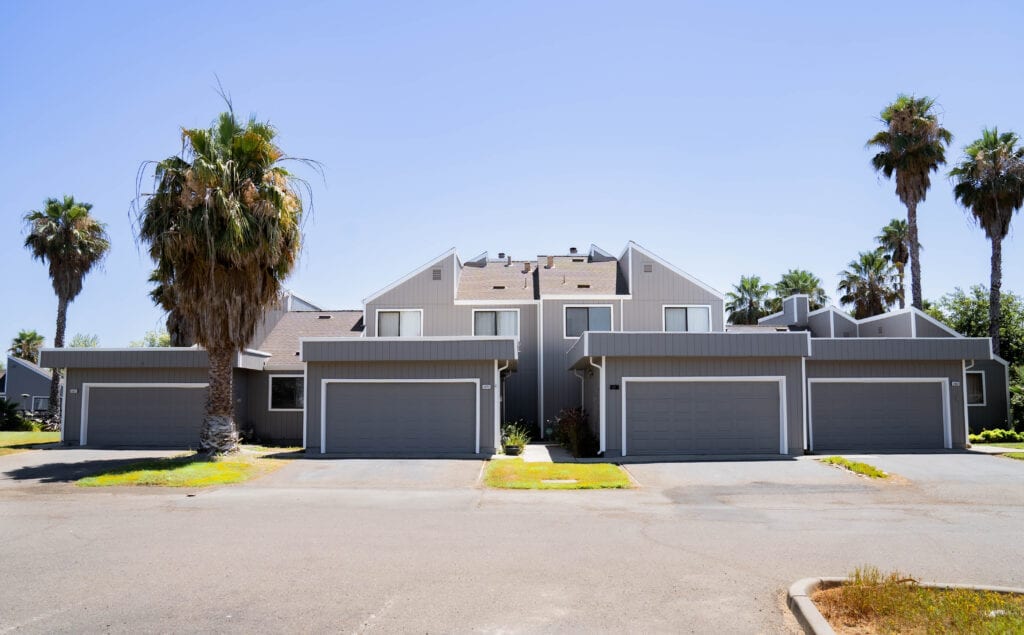
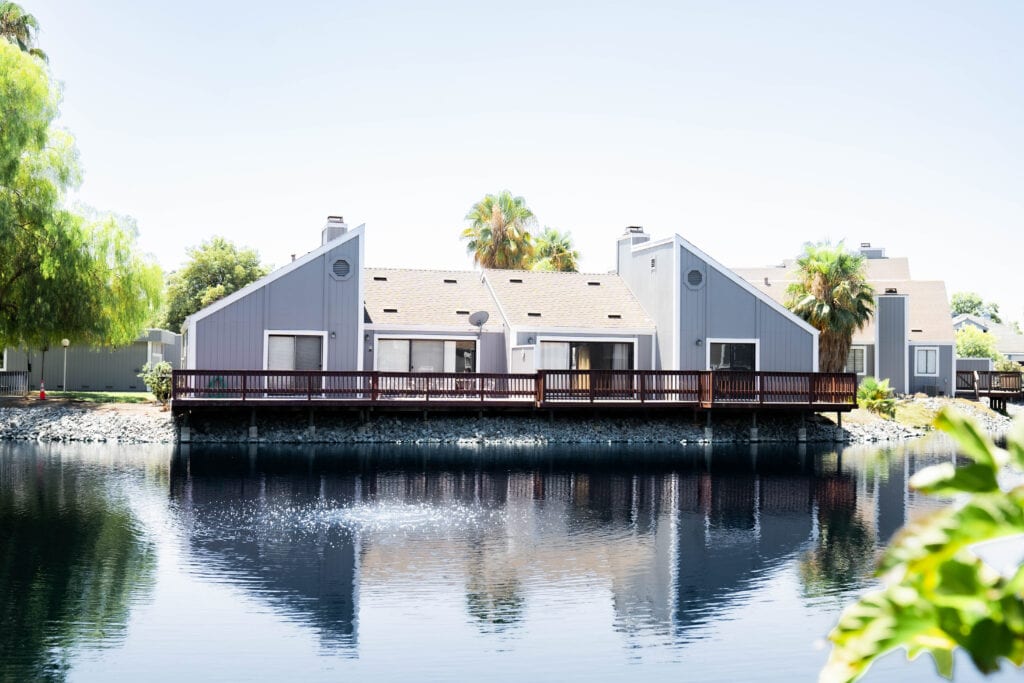
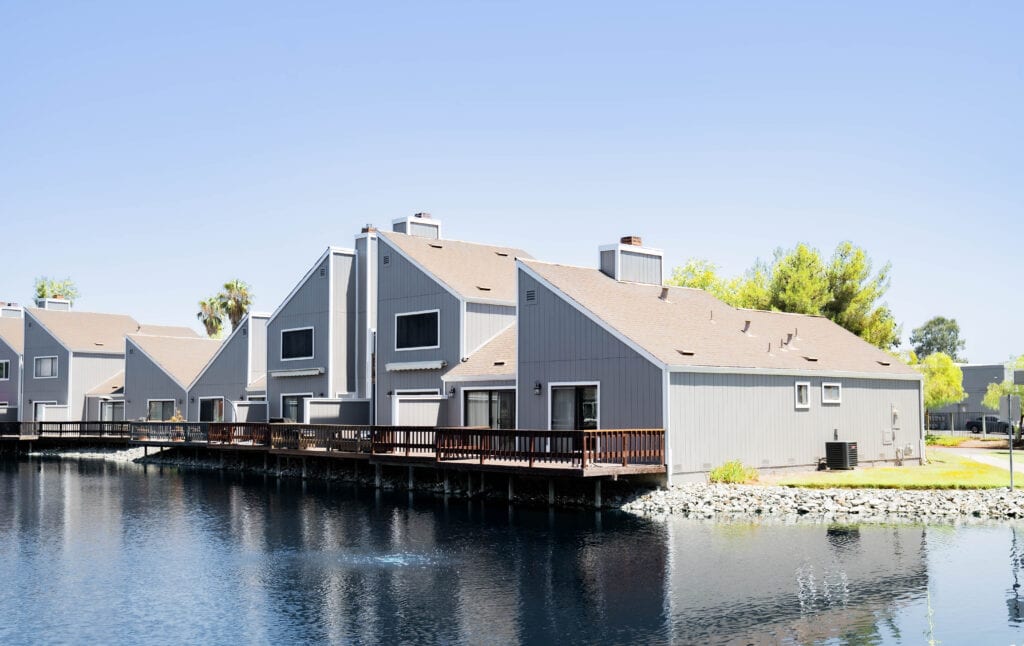
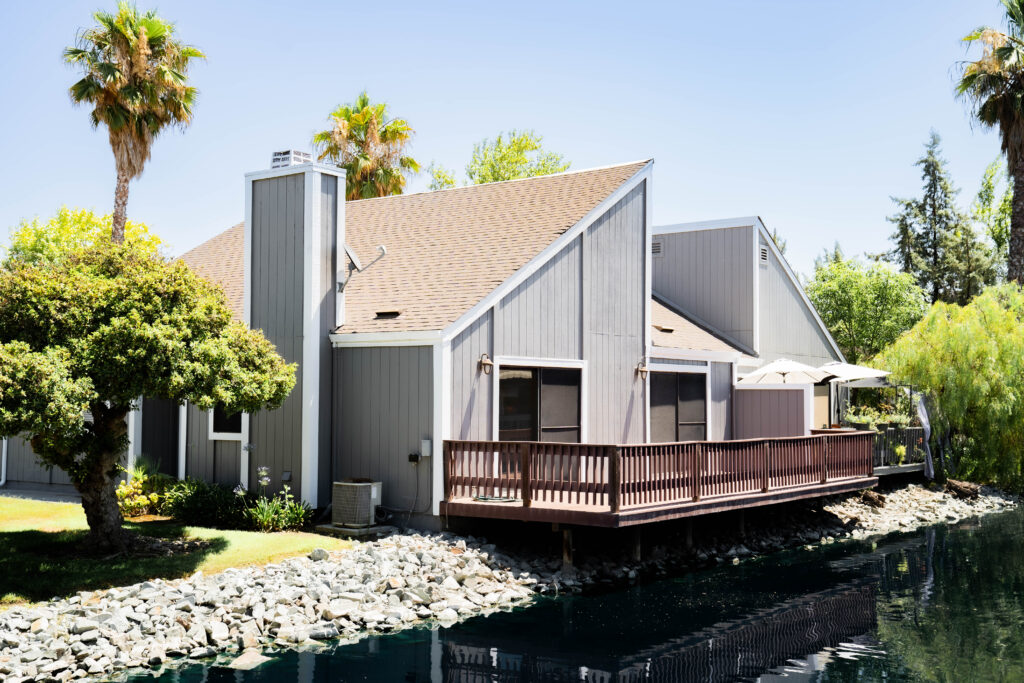
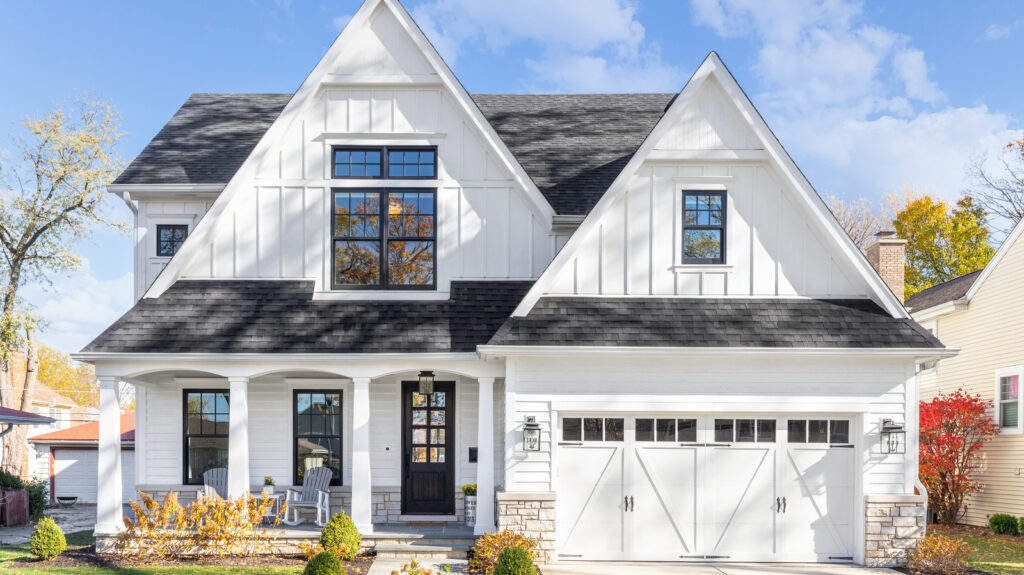
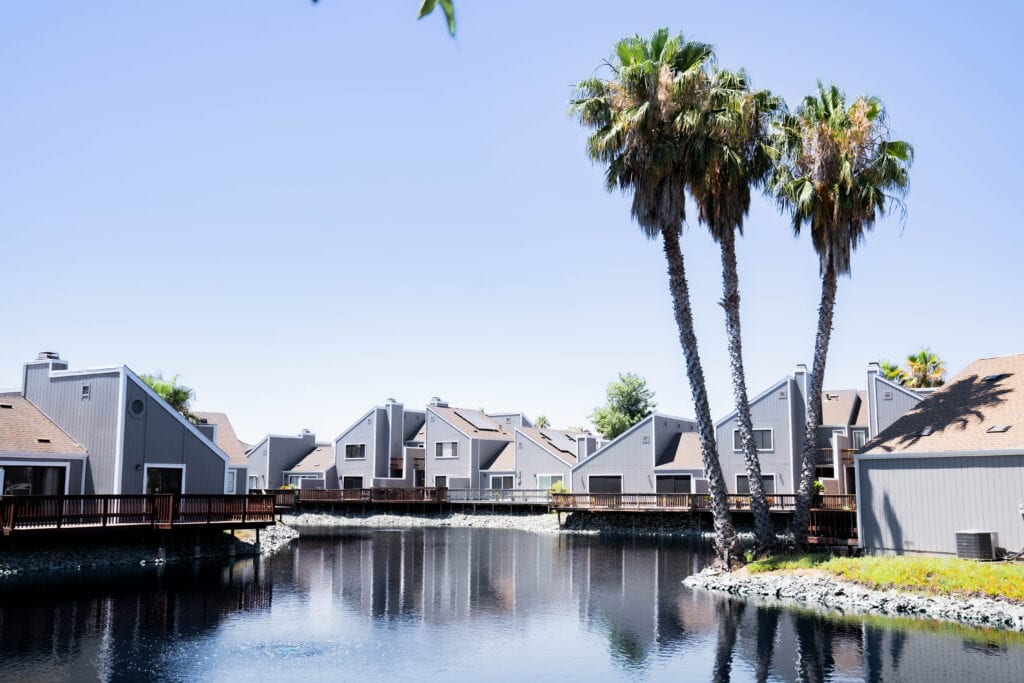
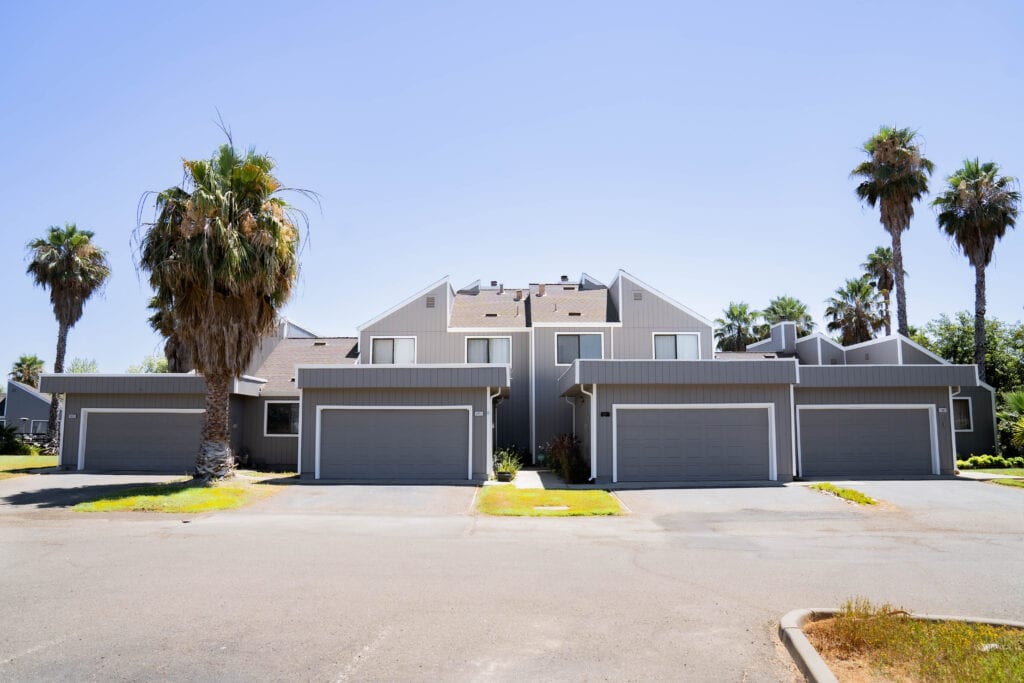
A look at homes we have re-sided and re-glazed across Sacramento, the Bay Area, and Lake Tahoe.

★★★★★ Rated 4.9 from 69 Google reviews
Heritage Exteriors is beyond exceptional. Very impressed with the timeliness, communication, and reasonable price of the whole project.
Heritage replaced my old crumbling wood siding and did a fantastic job. From the first interactions assessing the project and providing a quote, to the project itself, was all exceptional. My home looks brand new.
We recently had our house re-sided with Hardie product. We interviewed 3 companies, one of them being Heritage Exteriors. From our first meeting with David to the last day's work touching up paint, the experience was excellent.