★★★★★
Heritage Exteriors is beyond exceptional. Very impressed with the timeliness, communication, and reasonable price of the whole project.
Scott Doyen
Sacramento, CA · Google
Sacramento, CA · Google

The installation is the short part. Most of a window project is spent waiting for windows to be built, and most delays come from decisions made late or a permit applied for late. Here is the sequence and where the time goes.
Get a Free EstimateA window replacement has eight stages. Homeowners tend to picture the fifth one, installation day, and plan around it. The schedule is really set by the stages before it.
This page walks through each stage in order, what happens in it, and what you can do to keep it from stalling. It is part of our California window guide. The on-site steps themselves are described on our window installation process page.
| Stage | What happens | Who drives it | What slows it down |
|---|---|---|---|
| 1. Consult and quote | Walk-through, options, written quote | You | Comparing quotes that are not for the same job |
| 2. Contract | Scope, products, price, and schedule signed | You and the contractor | Undecided selections; financing; HOA approval |
| 3. Final measure | Installer measures every opening for the order | Contractor | Scheduling access; discoveries at the openings |
| 4. Order and manufacturing | Windows are built to order and shipped | Manufacturer | Custom colors, shapes, glass; busy season |
| 5. Permit | Application, review, issuance | Contractor and building department | Applying late; plan check; HOA or historic review |
| 6. Installation | Old windows out, new windows in | Contractor | Weather; hidden damage; stucco or trim work |
| 7. Inspection | Building department final | Building department | Inspector availability; missing labels or alarms |
| 8. Punch list and closeout | Adjustments, touch-ups, documents, final payment | You and the contractor | Reordered parts; unfinished patches |
A contractor visits, looks at each opening inside and out, talks through frame materials, glass, styles, and installation method, and gives you a written quote. Milgard recommends starting to plan and look at windows around three to six months before your preferred installation date, which gives you time to compare options and choose a contractor before the busy season.
You can shorten this stage by doing two things first. Make a list of your windows with rough sizes, as described in how to measure windows for replacement. And decide what you are trying to fix: heat, noise, operation, appearance, or all of them. Then get quotes for the same scope and compare them using our guide to comparing window quotes.
The contract fixes the scope: which openings, which product line, which frame type for each opening, glass, color, what interior and exterior finish work is included, the price, and the payment schedule. California has specific requirements for home improvement contracts, covered on our page on California window contract requirements.
Two things outside the contractor's control belong here:
After signing, the installing company measures every opening for the actual order. This is separate from the sales measurement. The tech measures width and height at three points each, checks for square, level, and plumb, confirms the frame type for each opening, and checks the items that depend on size, such as bedroom escape openings and where tempered glass is required.
The final measure sometimes changes the plan. An opening that looked fine from a distance turns out to have water damage, or to be too far out of square for a retrofit. Better to find it now than on installation day. Expect a call if anything changes the scope or price, and ask for a copy of the final order schedule to review before it is placed.
This is the long stage, and it is the one nobody on site controls. Replacement windows are built to order for each opening. Milgard describes its replacement windows as custom-made for a precise fit.
Lead times vary, and we are not going to give you a number here, because any number would be wrong for some product at some time of year. What we can tell you is what moves it:
What to do about it: ask for the manufacturer's current lead time in writing when you get the quote, ask again when the order is placed, and ask whether any single item is longer than the rest. If one specialty window is weeks behind the others, you can decide whether to wait or install in two visits.
The permit stage should overlap the manufacturing stage, not follow it. Whether your project needs a permit, and what the application involves, is covered on our page on permits for retrofit windows in California. Some building departments issue like-for-like window replacement permits quickly, over the counter or online; others take longer. Projects that change opening sizes, involve structural work, or sit in a historic district take longer.
The application date matters. The 2025 Building Energy Efficiency Standards apply to permit applications submitted on or after 1 January 2026, and the prescriptive U-factor and SHGC your windows must meet come from the code in effect on that date. The figures are on our page on Title 24 window replacement requirements. The windows should be specified to the right standard before they are ordered, which is one more reason the permit and the order should be planned together.
If your home was built before 1978, the contractor also has lead-safe obligations under the EPA's Renovation, Repair and Painting Rule. See lead paint and window replacement in pre-1978 homes.
Once the windows have arrived and been checked against the order, the crew is scheduled. How long they are on site depends on the number of openings, the installation method, access, and what they find.
For a sense of pace, Milgard's published guidance says a basic replacement typically takes 30 to 60 minutes per window and a full-frame replacement might take two to three hours each, with weather, unexpected repairs, custom work, and cleanup adding time. Those are a manufacturer's general figures, not a promise for your house. In practical terms:
Hidden damage is the main wildcard. If an old window comes out and the framing below it is rotted, that opening stops until the repair is agreed and done. A unit rate for repairs in the contract keeps that from becoming a negotiation.
How to get the house ready is on our installation day preparation checklist.
If the job was permitted, the building department inspects it. Depending on the jurisdiction and the scope, there may be an inspection of flashing before it is covered on full-frame work, and there is a final.
Three things commonly hold up a final:
Walk the job with the contractor before the final payment. Operate every window, check the sealant and trim, and list anything that needs adjusting. Our window installation inspection checklist gives you the full list of what to check and which documents to collect.
Closeout is finished when the punch list is done, the permit is finaled, and you have your paperwork: the contract, the order schedule, warranty documents, and the permit record.
California lets you install windows in any month, which is not true everywhere. Each season still has a catch. Our page on the best time to replace windows goes into this in detail. The short version:
Because the manufacturing stage is the long one, the season you sign in is not the season you install in. If you want windows in before summer heat, the decision has to be made well before it arrives.
Ask us for the manufacturer's current lead time when we quote, and for where the permit stands while your windows are being built. If a date slips, we would rather you hear it from us early than on installation morning. Licensed in California, CSLB #1055919. Call (916) 546-2991.
How long does window replacement take from start to finish?
It depends mostly on the manufacturing lead time for the product you choose, and that varies by manufacturer, product line, options, and season. Ask for the current lead time in writing when you get your quote. The on-site work is usually the shortest stage of the whole project.
Can I speed up the manufacturing lead time?
Not much once the order is placed, but your choices before ordering affect it. Standard colors and common glass packages generally move faster than custom colors, specialty shapes, and unusual glass. Ask your contractor which of your selections is driving the lead time. Sometimes one specialty window is holding up the whole order and can be split out.
Will my house be open to the weather overnight?
It should not be. Crews normally remove and replace one opening or one room at a time, so each window that comes out is replaced the same day. Milgard notes that installers can work room by room to manage the temperature inside. Ask your installer to confirm that no opening will be left uncovered overnight.
When is the permit applied for?
Before installation, and ideally right after the final measure, because the permit application lists what is being installed. The date matters for another reason: the 2025 Energy Code applies to permit applications submitted on or after 1 January 2026, so the application date decides which energy requirement your windows have to meet.
Do I have to be home for the inspection?
Usually someone has to let the inspector in, because the inspector needs to see windows from inside, check labels, and often look at smoke and carbon monoxide alarms. Many contractors meet the inspector for you. Ask who is handling it and what the inspector will need access to.
What if a window arrives damaged or wrong?
It gets reordered, and that one opening waits for a second lead time. A good contractor inspects the delivery before scheduling the crew, so a problem is found in the warehouse and not on your lawn. The rest of the job can usually go ahead while the replacement is built. Call (916) 546-2991 if you want to talk through scheduling.
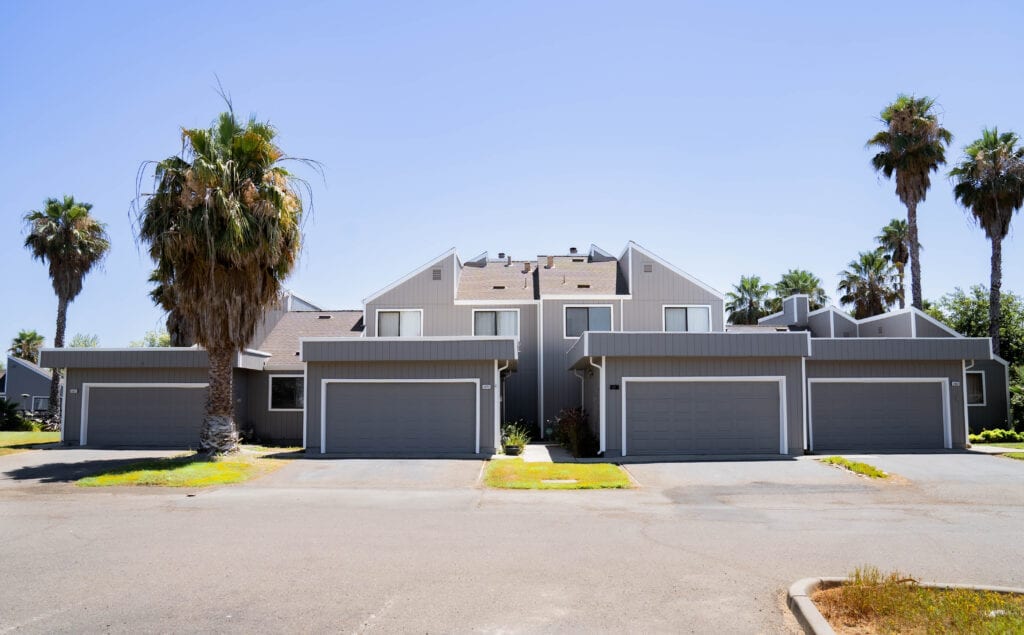
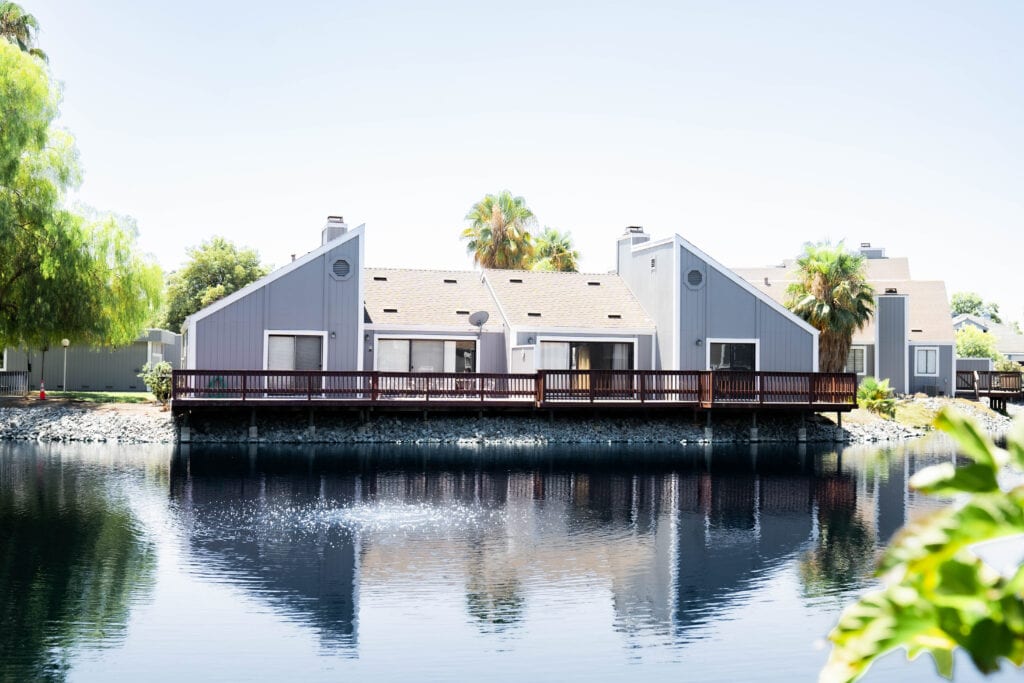
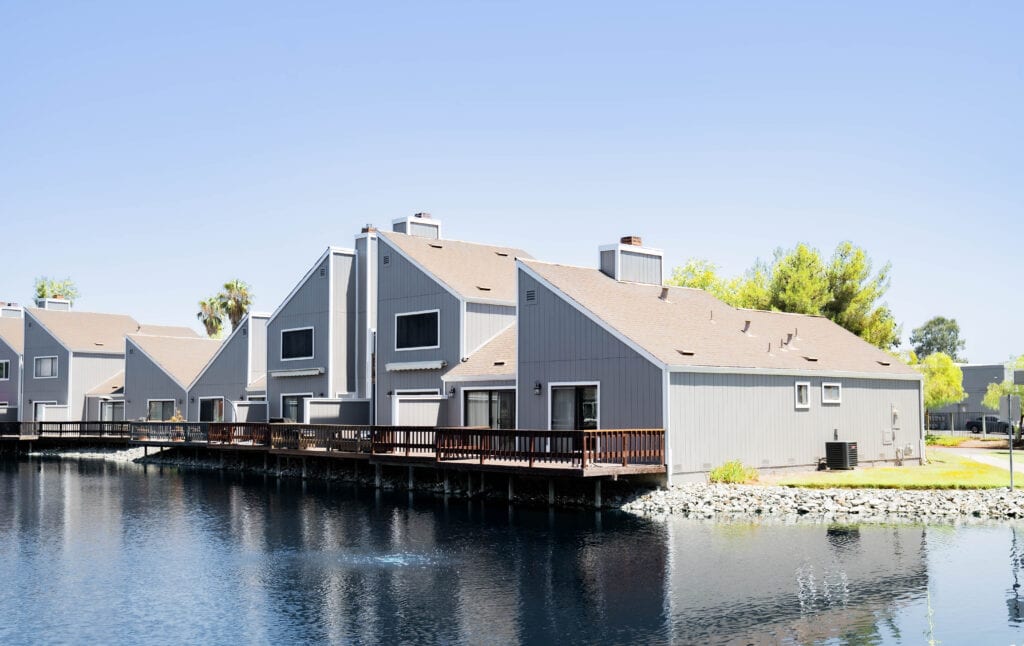
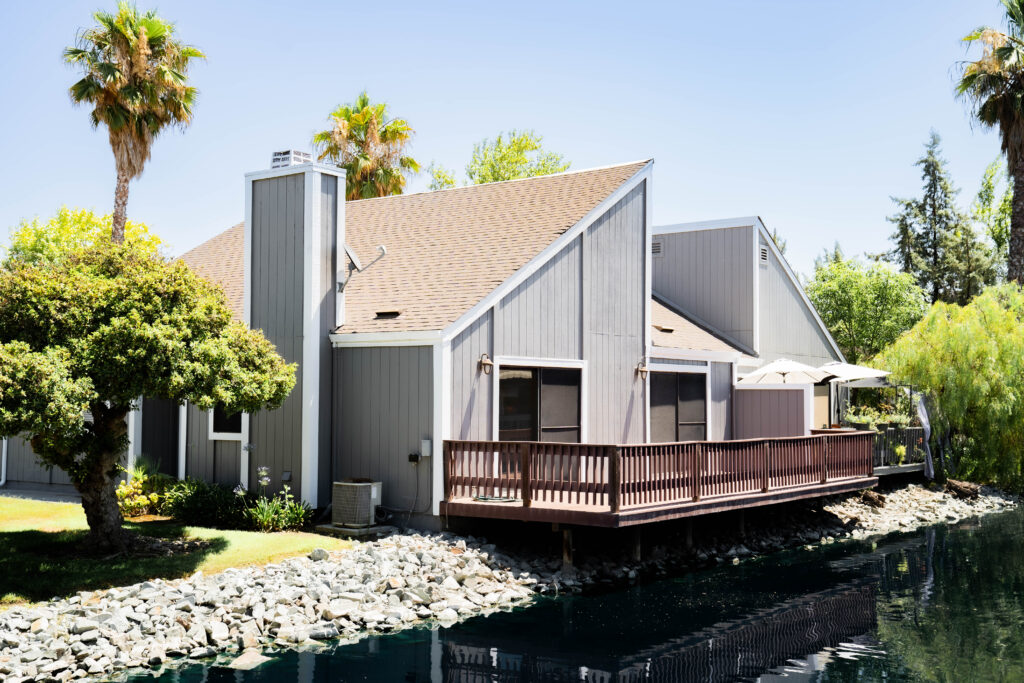
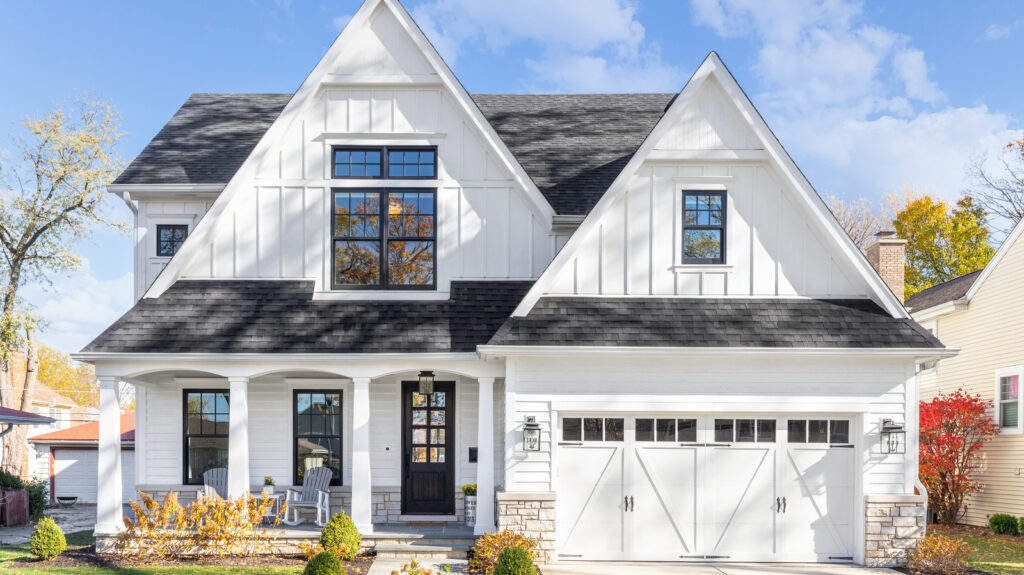
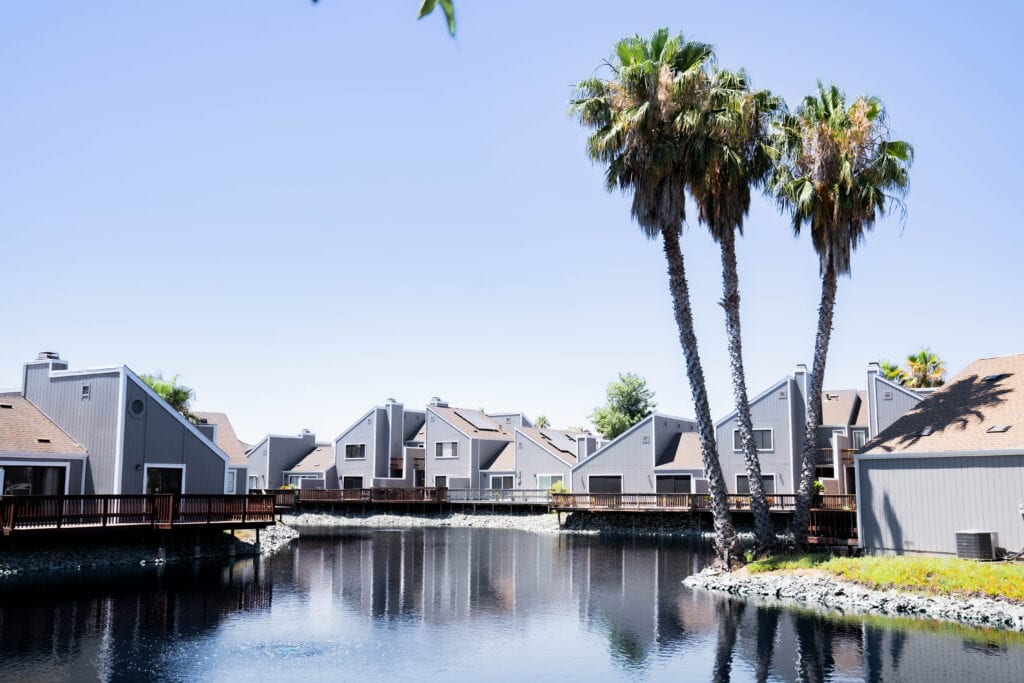
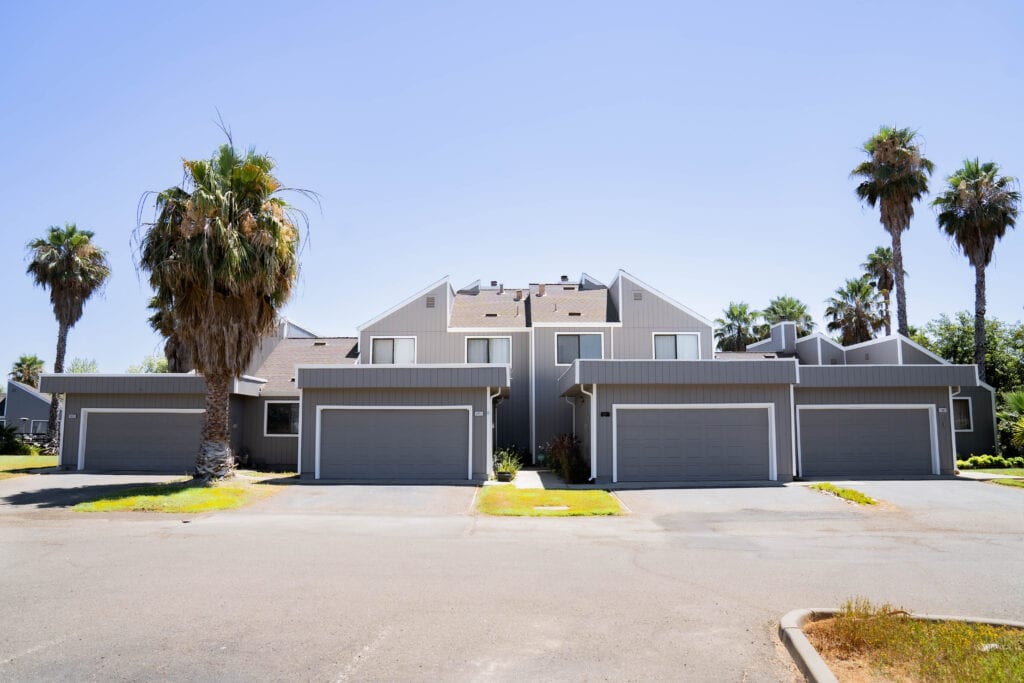
A look at homes we have re-sided and re-glazed across Sacramento, the Bay Area, and Lake Tahoe.

★★★★★ Rated 4.9 from 69 Google reviews
Heritage Exteriors is beyond exceptional. Very impressed with the timeliness, communication, and reasonable price of the whole project.
Heritage replaced my old crumbling wood siding and did a fantastic job. From the first interactions assessing the project and providing a quote, to the project itself, was all exceptional. My home looks brand new.
We recently had our house re-sided with Hardie product. We interviewed 3 companies, one of them being Heritage Exteriors. From our first meeting with David to the last day's work touching up paint, the experience was excellent.