★★★★★
Heritage Exteriors is beyond exceptional. Very impressed with the timeliness, communication, and reasonable price of the whole project.
Scott Doyen
Sacramento, CA · Google
Sacramento, CA · Google

If your house is old, the first question is whether the windows need replacing at all. If it is designated historic, the second is whether you are allowed to. The answers depend on the condition of the wood, the status of the building and the city you are in.
Get a Free EstimateOriginal windows are a large part of what makes an old house look the way it does: the wavy glass, the thin muntins, the depth of the sash in the wall. They are also drafty when neglected, painted shut more often than not, and coated in lead paint. Both things are true, and the right course is rarely to replace everything or to touch nothing.
This page is part of our California window guide. It is written for owners of older houses, whether formally designated or not.
Three questions shape everything else.
The National Park Service's Preservation Brief 9, the standard reference on historic wood windows, sorts repair into three classes of increasing effort.
The brief's position is that retaining and repairing original windows is desirable wherever possible, and that there is a point at which condition clearly indicates replacement. When it does, it advises starting not with a catalog of replacement products but with the window being replaced: the pattern and size of the openings, the proportions of frame and sash, the configuration of panes, the muntin profiles, the type of wood, and the characteristics of the glass.
San Francisco's Planning Department makes the practical case. Deterioration usually starts on horizontal surfaces and at joints where water collects. Many wood windows from the late nineteenth and early twentieth centuries still perform well because they were made of dense heartwood. And an owner should survey all the windows before deciding, because often only some need replacing. The department notes that windows on east and north elevations often last longer than those facing south or west.
Most of the heat lost through an old window goes through gaps, not glass. Sacramento's historic district standards say so directly: most heat loss related to older windows is the result of air leakage through gaps that have developed because of a lack of maintenance, and they recommend repairing single-pane windows so they are tight fitting and considering weatherstripping or glazing film instead of replacing them with double-pane units.
The options, roughly in order of cost:
Under the 2025 Energy Code, glass replaced in an existing sash and frame, or sashes replaced in an existing frame, are treated as repairs, provided the replacement is at least equivalent to the original in performance. That is helpful for owners who want to keep the frames and improve the glass.
The California Historical Building Code is Part 8 of Title 24. It exists so that historic buildings can be repaired and altered using alternatives to the regular code where strict compliance would damage what makes them significant.
It applies to a qualified historical building or structure, which Health and Safety Code section 18955 defines as any structure or property deemed of importance to the history, architecture or culture of an area by an appropriate local or state governmental jurisdiction, including buildings on existing or future national, state or local historical registers or official inventories. City and county registers and designated historic districts count.
For a private owner dealing with a city building department, Section 8-102 of the code provides that the agency applies it to permitted repairs and alterations when the owner elects to use it. So you may need to ask for it by name.
For windows, two consequences matter.
Preservation is administered locally, and the rules differ in every city. Two examples from where we work show the range. Both describe the position in 2026. A state law that takes effect on 1 January 2027, covered in the next section, limits local review of like-for-like window replacement on buildings that are not designated historic resources.
The Planning Department's Standards and Recommendations for Window Replacement, dated May 2025, begins with a rule that surprises people: all window replacement projects in San Francisco require a building permit, wherever the window is on the building.
Every property falls into one of four categories:
| Category | What it means | Window replacement |
|---|---|---|
| A* | City Landmarks and buildings in Landmark or Conservation Districts under Articles 10 and 11 of the Planning Code | Needs a preservation entitlement (an Administrative Certificate of Appropriateness or a Minor Permit to Alter). Not eligible for over-the-counter approval. Where the original window was wood, the replacement must be wood. |
| A | Listed on or eligible for the California or National Register, or identified as a historic resource in an adopted survey | Visible replacements must match the originals as closely as possible in size, glazing, operation, material, finish, exterior profiles, details and arrangement. |
| B | More than 45 years old and not yet evaluated | The department may not control frame or sash material. Distinctive windows may get extra attention on operation and design. |
| C | Not a historic resource | The department may not control frame or sash material. |
The material rule for Categories B and C comes from Planning Code Section 136.2, passed in May 2025, which provides that the Planning Department shall impose no restrictions related to the replacement material of any window frame or sash that replaces an existing one. The document states that the legislation does not apply to historic buildings in Category A or A*, or to enlarging openings or adding new ones.
For Category A buildings the standards include a matrix. In outline: an original wood double-hung is replaced with a wood double-hung or single-hung, or aluminum-clad wood if the original has already been replaced; an original wood casement with a wood or aluminum-clad wood casement; and original thin-profiled aluminum with aluminum, or in some cases fiberglass. Windows not visible from a public right-of-way can be of any material and operation. The standards also say that existing wood windows with ogee lugs, the small curved horns at the bottom of the upper sash, must be replaced with integral lugs, not snap-on ones.
The department is clear about one thing: talk to it before you buy. It may be unable to approve windows that have already been purchased or installed.
Sacramento reviews work on Landmarks and on Contributing Resources in its historic districts, including Midtown and the older central city neighborhoods and, since 2024, the South Land Park Hills Eichler district. The city's standards are based on the Secretary of the Interior's Standards for the Treatment of Historic Properties.
The city's form for windows and doors on historic properties, CDD-0033, states that proposals to replace, as opposed to repair or retrofit, existing original windows on a Landmark or Contributing structure require a Preservation Application. It lists work that is exempt from site plan and design review where openings, trim and sills are unchanged, including:
The form defines matching in kind as matching design, dimensions, placement, materials and finishes. The citywide historic district standards add two blunt instructions: avoid the use of vinyl windows and false divided lites, and where non-original aluminum or vinyl windows replaced wooden hung windows, it is appropriate to put the wood ones back.
Other California cities run their own programs with their own forms. The pattern is consistent: repair is preferred, visible replacements must match, and you ask before you order.
Senate Bill 908, signed in September 2026, adds Government Code section 65850.73, operative 1 January 2027. It changes local review of window replacement across the state, and its historic exclusions decide which side of the line your house is on.
The section covers a residential window replacement project: one that only replaces existing windows in a single-family or multifamily residential building with windows of the same size and in the same location, involves no physical alterations beyond those necessary to install them, and complies with all applicable provisions of Title 24, including the Residential Code, Building Code, Fire Code, Wildland-Urban Interface Code and Energy Code.
For such a project, a city or county:
The Legislature declared the subject a matter of statewide concern, so the section applies to charter cities too. A separate subdivision addresses a local government that is both a city and a county, which in practice means San Francisco, and windows proposed in housing development projects there.
The section does not apply to:
There is an exception to the second exclusion: it does not cover a building designated on a local register based primarily on its age.
A building permit and compliance with Title 24 are still required, because compliance is part of the definition. And being entitled to approval is not a reason to throw away repairable original windows.
The same bill adds Civil Code section 4754, which limits what homeowners associations can require. See HOA window replacement approval.
The Mills Act is the state law that lets cities and counties contract with owners of qualified historic properties: the owner agrees to restore, maintain and protect the property, and in return receives property tax relief. The California Office of Historic Preservation calls it the single most important economic incentive program in California for historic buildings in private ownership.
The points that affect window decisions:
If your house has a Mills Act contract, the contract is the first document to read before any exterior work. Our sibling page on window replacement and property taxes covers the tax side for ordinary houses.
A good replacement for a historic wood window is recognizable by a few things, drawn from the San Francisco and National Park Service guidance:
Wood and aluminum-clad wood windows are covered on wooden windows and our sibling page on wood versus vinyl windows.
Assume original windows in a pre-1978 house carry lead paint. The EPA's Renovation, Repair and Painting rule requires firms paid to do work that disturbs painted surfaces in homes built before 1978 to be certified and to follow lead-safe work practices. Windows are a particular concern because the sashes rub in their tracks and the sills collect the dust. This applies to repair as much as to replacement. See lead paint and window replacement in pre-1978 homes and lead-safe exterior work.
Windows are one part of the exterior. For the walls around them, see siding solutions for historic homes. For matching windows to architecture generally, see windows for California home styles.
We are a replacement contractor, not a sash restoration shop, and when your windows are repairable we will tell you so and suggest you find a restorer. When replacement is the right answer on an older house, we will help you put the product sheets together for the planning counter before anything is ordered. Licensed in California, CSLB #1055919. Call (916) 546-2991.
How do I find out whether my house is historic?
Ask your city or county planning department, which keeps the local register and the maps of historic districts. San Francisco shows each property's category on its online Property Information Map. Sacramento lists Landmarks and Contributing Resources in the Sacramento Register. A house can also be on the National Register or the California Register. An old house that is not listed anywhere may still be flagged for review because of its age in some cities.
Are old wood windows worth repairing?
Often, yes. Windows made before the Second World War were typically built from dense old-growth wood that resists rot better than most new lumber, and they were designed to be taken apart and repaired. Peeling paint, broken cords, cracked putty and sticking sashes are maintenance items. Replacement becomes reasonable when the joints have failed, the wood is rotted through, or the sashes are beyond economic repair.
Can I use vinyl windows on a historic house in San Francisco?
On a property the city classifies as a historic resource (Category A or A*), not on elevations visible from the street. The Planning Department's standards require visible replacements on those buildings to match the originals as closely as possible, including material. On other properties, Planning Code Section 136.2, passed in May 2025, bars the department from restricting the frame or sash material of a replacement window. A building permit is required either way, and from 1 January 2027 Government Code section 65850.73 further limits local review of like-for-like replacement on buildings that are not designated.
Does a Mills Act contract stop me replacing my windows?
It does not forbid it outright, but it commits you to restoring, maintaining and protecting the property under the preservation standards and conditions written into the contract, and local officials inspect periodically. Replacing original windows with something inappropriate could put you in breach. Read your contract and talk to the city's preservation staff before any exterior work.
Do historic houses have to meet Title 24 when windows are replaced?
Qualified historic buildings regulated under the California Historical Building Code are excepted from the general scope of the 2025 Energy Code. Whether your building qualifies is determined locally. Many owners of historic houses still choose insulated glass in wood sash where the city allows it, because comfort matters whatever the code says. For a house that is old but not designated, the normal Title 24 figures apply.
Is lead paint a concern?
Yes, in any house built before 1978, and almost certainly on original windows in a pre-war house. Federal rules require firms paid to disturb paint in pre-1978 homes to be certified and to use lead-safe work practices. Window sashes and sills rub and shed paint dust, so both repair and replacement have to be done with containment and cleanup. Call (916) 546-2991 if you want to talk through how we handle it.
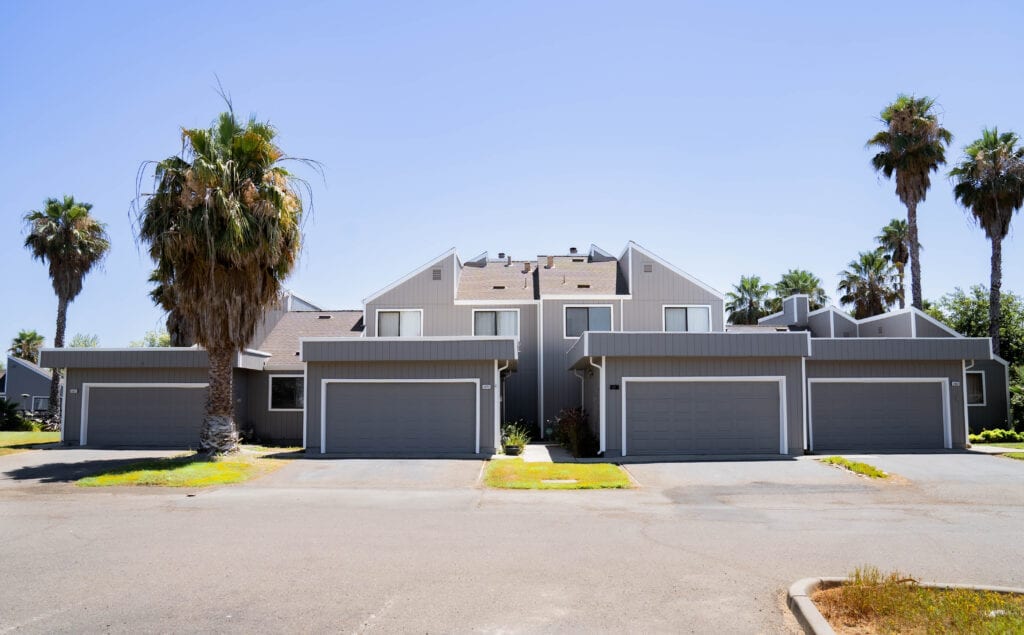
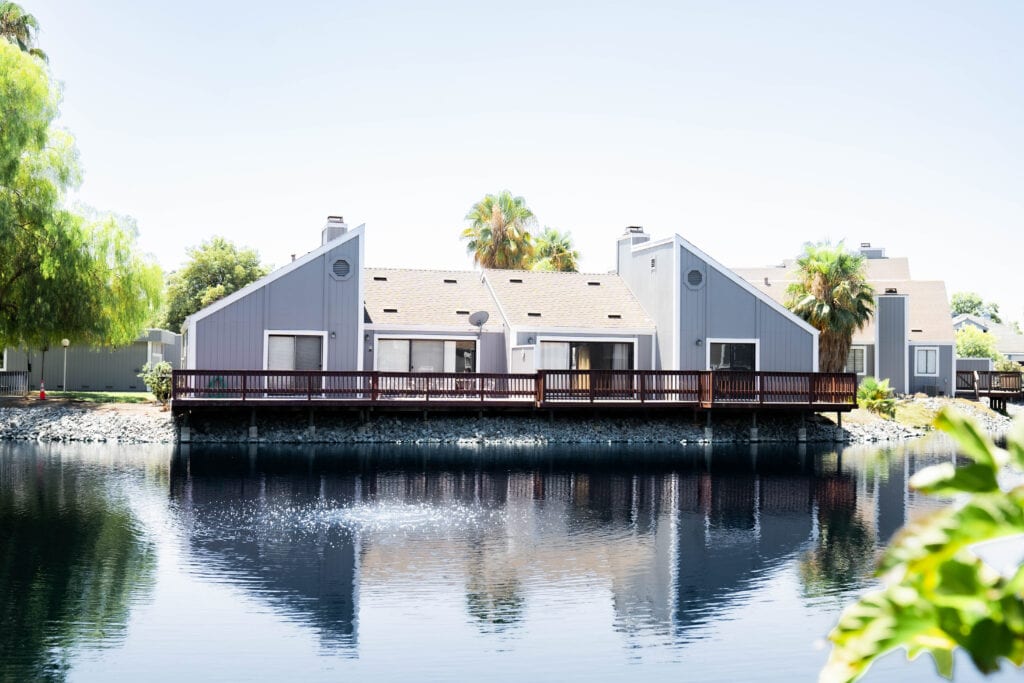
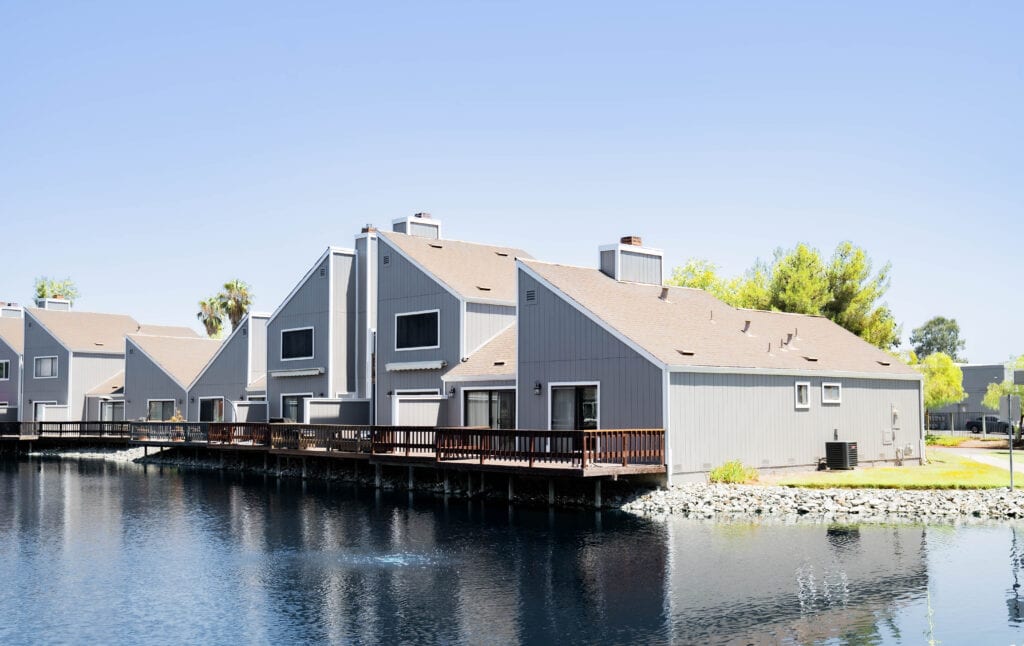
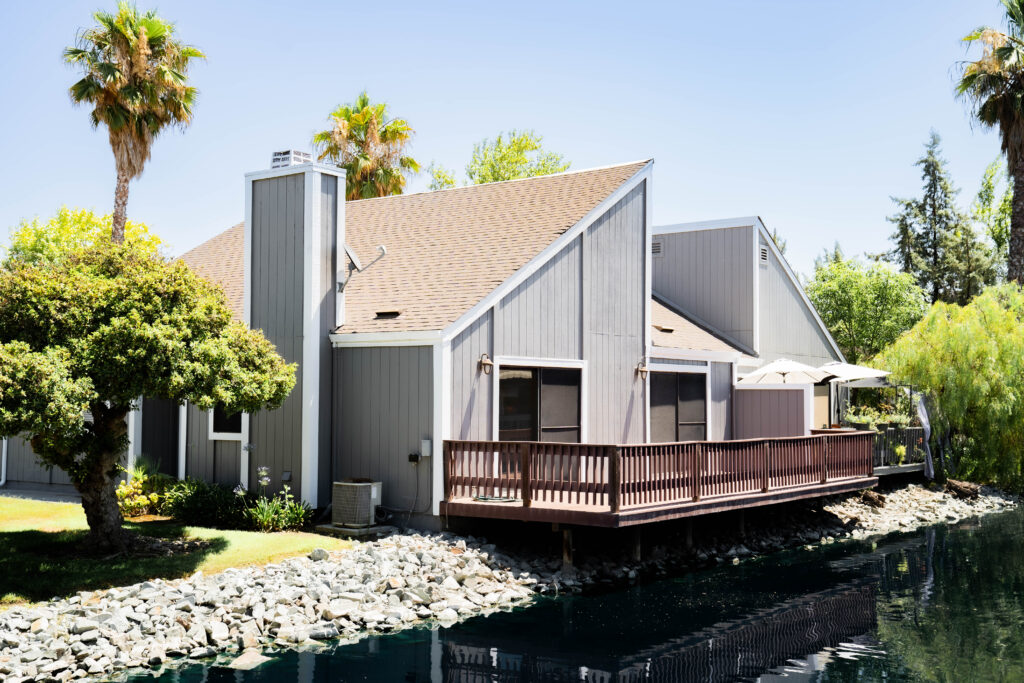
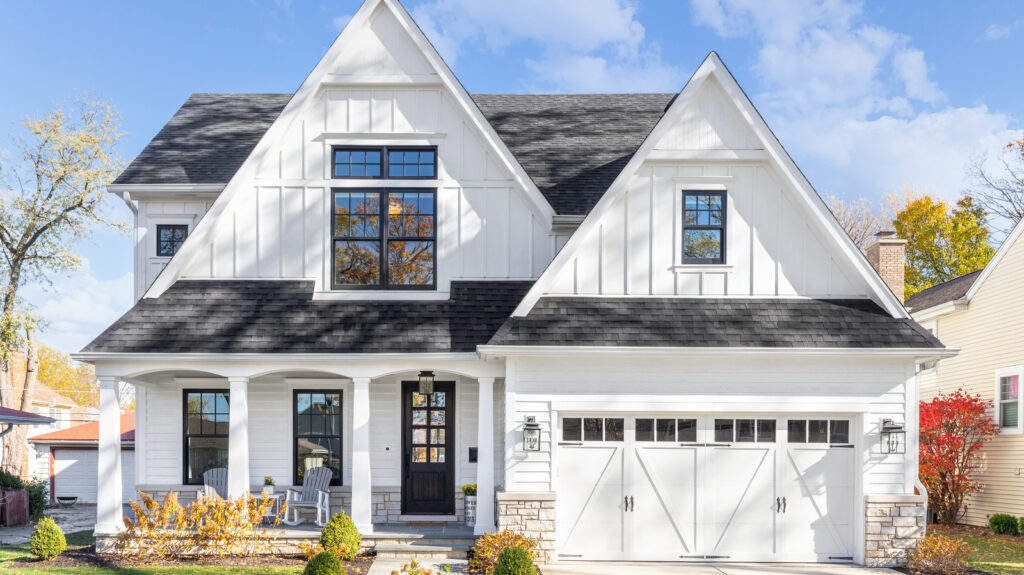
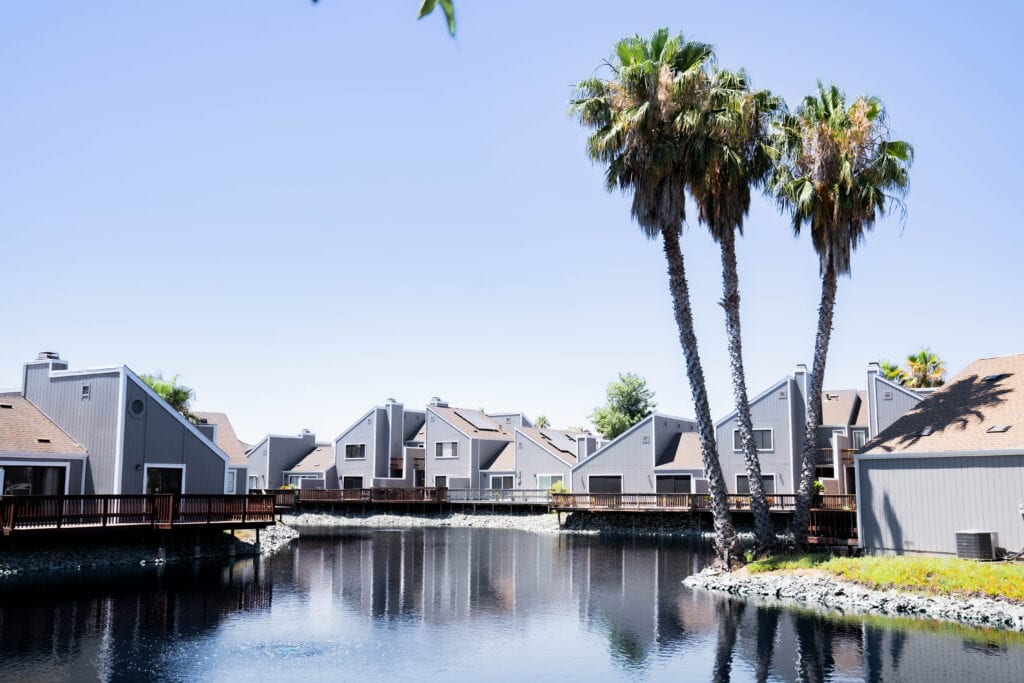
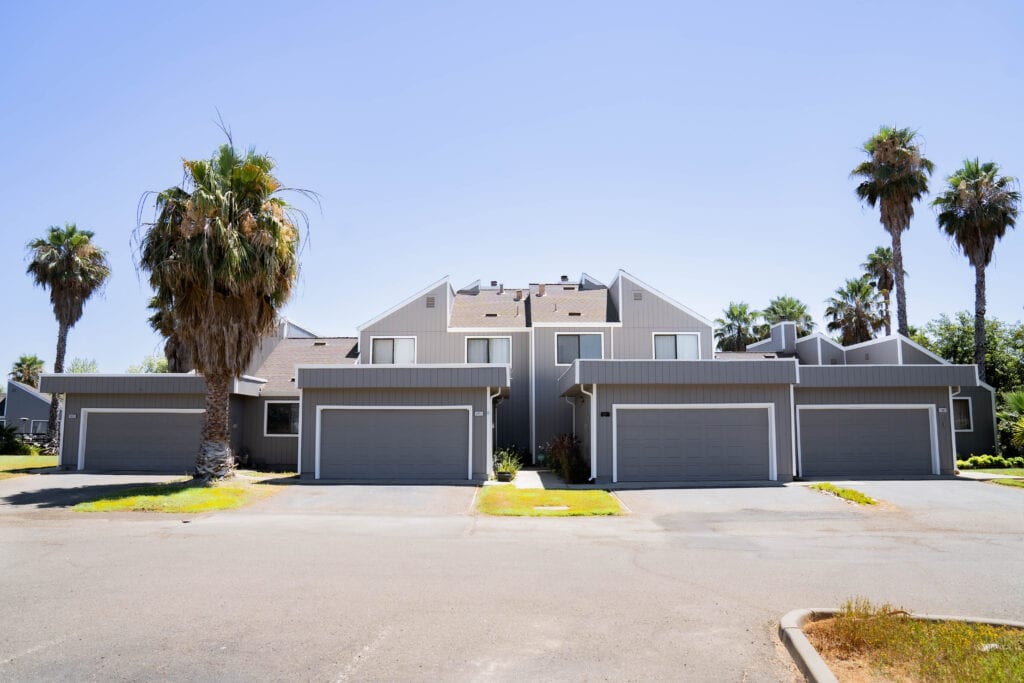
A look at homes we have re-sided and re-glazed across Sacramento, the Bay Area, and Lake Tahoe.

★★★★★ Rated 4.9 from 69 Google reviews
Heritage Exteriors is beyond exceptional. Very impressed with the timeliness, communication, and reasonable price of the whole project.
Heritage replaced my old crumbling wood siding and did a fantastic job. From the first interactions assessing the project and providing a quote, to the project itself, was all exceptional. My home looks brand new.
We recently had our house re-sided with Hardie product. We interviewed 3 companies, one of them being Heritage Exteriors. From our first meeting with David to the last day's work touching up paint, the experience was excellent.