★★★★★
Heritage Exteriors is beyond exceptional. Very impressed with the timeliness, communication, and reasonable price of the whole project.
Scott Doyen
Sacramento, CA · Google
Sacramento, CA · Google

Bathroom windows, entry sidelights, and any window a few feet from the neighbor’s wall all raise the same question: how do you get daylight without the view working both ways? Obscure glazing is the answer, and the choice is wider — and more consequential for how a room feels — than most people realize.
Get a Free EstimateObscure glazing solves a specific problem: you want the daylight, you do not want the view, and a blind you must remember to close is not a real solution. This guide covers the patterns available, how much privacy each actually delivers, and the code question that frequently applies to the very same windows.
| Type | How it is made | Privacy | Look |
|---|---|---|---|
| Satin / acid-etched | Surface etched to an even matte finish | High and uniform | Smooth, contemporary, no pattern to date |
| Glue chip | Textured to a crystalline, frost-like pattern | Highest | Decorative; suits traditional and craftsman homes |
| Rolled patterns | Texture rolled into the glass at manufacture | Moderate to high, depending on depth | Wide range; some read strongly of their era |
| Reeded / fluted | Parallel vertical ribs formed in the glass | Moderate — shapes and movement remain visible | Currently very popular; strong design statement |
| Applied film | Adhesive film on existing glass | Varies widely by product | Retrofit option; least durable, and check your warranty |
One consistent piece of advice: judge a sample in person, backlit, at the distance you would actually stand. Catalog photographs are shot to flatter the pattern and reliably overstate how much it conceals.
This is the point worth being precise about, because the two get treated as one and they are not.
They overlap constantly. A window above a bath is very often both a privacy location and a code-designated safety location, so it needs obscure and tempered glass — two specifications on one unit. Confirm what your specific openings require with your local building department, and see our page on tempered glass requirements in California.
We deliberately do not list the code trigger dimensions here. They are set by the code edition in force when you permit and they are revised between cycles; a figure copied into an article ages badly. Your building department and your contractor should confirm them against your drawings.
Obscure treatments reduce Visible Transmittance, the NFRC rating for how much visible light passes through. The good news is that most obscure glass scatters light rather than absorbing it, so a room can stay pleasantly lit while losing the view entirely — the light arrives diffused rather than directional.
Heavier textures and tinted films cut more. In a room that is already dim, ask for the Visible Transmittance figure of the exact glass rather than choosing from a picture. Our NFRC label guide explains where to find it and how it trades against solar control.
The test: would you ever actually look out of this window? If the honest answer is no, privacy glass beats a blind, because it works permanently without anyone remembering to operate it.
If the windows are otherwise sound, you have two routes. Privacy film on the existing glass is cheap, quick, and reversible — but check your window warranty before applying it, as aftermarket film can affect coverage and, on some glass, raise thermal-stress risk. Our comparison of window film versus replacement covers that in detail.
Alternatively the sealed unit itself can sometimes be swapped within the existing frame, giving a permanent factory obscure finish without a whole new window. Whether that is possible depends on how the window is built, so it needs assessing on site.
If windows are being replaced anyway, specify obscure glazing at order time. It is a modest addition on a new unit and a much larger job to change afterwards.
Heritage Exteriors (CSLB #1055919) installs replacement windows across Sacramento, the Bay Area, and Lake Tahoe. We will walk the openings with you, flag which ones the code will treat as safety locations, and show you obscure samples in daylight rather than from a brochure. Request a free estimate or call (916) 546-2991.
Reviewed August 2026. Safety-glazing requirements are set by the building code edition in force at permit and vary by location — confirm with your local building department.
What is obscure glass?
Obscure glass is glazing treated or formed so that light passes through but a clear image does not. It is achieved several ways: rolling a pattern into the glass during manufacture, acid-etching or sandblasting the surface to a satin finish, or applying a film. Factory-patterned and etched glass are part of the unit and are permanent; film is applied afterwards and can be removed, but it is also the least durable option.
How much privacy do the different patterns give?
It varies considerably. Heavily textured patterns like glue chip or deeply rolled designs distort almost completely and give the highest privacy. Satin and acid-etched finishes give strong, even privacy with a soft uniform look. Lighter patterns such as reeded or narrow-fluted glass obscure detail while still allowing recognizable shapes and movement — good for style, weaker for genuine privacy. Ask to see a sample against a backlit surface, because catalog images consistently overstate how much they conceal.
Is obscure glass the same as tempered glass?
No, and confusing them causes real problems. Obscure refers to visibility; tempered refers to safety. Tempered glass is heat-treated to be stronger and to break into small blunt pieces, and building codes require it in specific hazardous locations — near doors, near floors, and in and around bathing areas among others. Many bathroom windows need both, because the same window is both a privacy location and a code-designated safety location.
Does obscure glass make a room darker?
It reduces Visible Transmittance to a degree that depends on the pattern, so yes, somewhat — but usually less than people fear. Most obscure treatments scatter light rather than block it, so the room can feel evenly lit while losing the view. Heavier textures and darker films cut more. If the room is already dim, ask for the Visible Transmittance figure of the specific glass rather than choosing from a photograph.
Can I add privacy glass to windows I already have?
Two routes. Privacy film applied to existing glass is inexpensive, reversible, and immediate — but check your window warranty first, since aftermarket film can affect coverage. Alternatively the glass unit itself can sometimes be replaced within the existing frame, which gives a permanent factory finish without replacing the whole window. Which is available depends on the window’s construction.
Where is privacy glass most often worth it?
Bathrooms and en-suite bathrooms; entry doors and sidelights, where clear glass gives a direct view of the interior; ground-floor windows close to a property line or a footpath; stairwell and landing windows that are hard to dress with blinds; and garage or utility windows. The common thread is a window you want light from but never want to look through — which is also the test for whether privacy glass beats a blind.
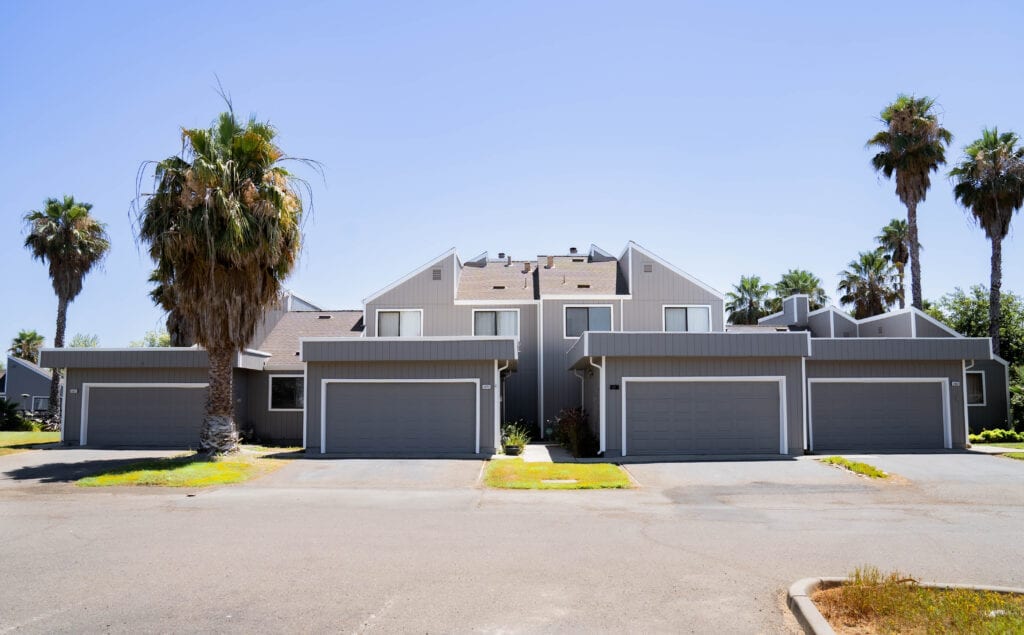
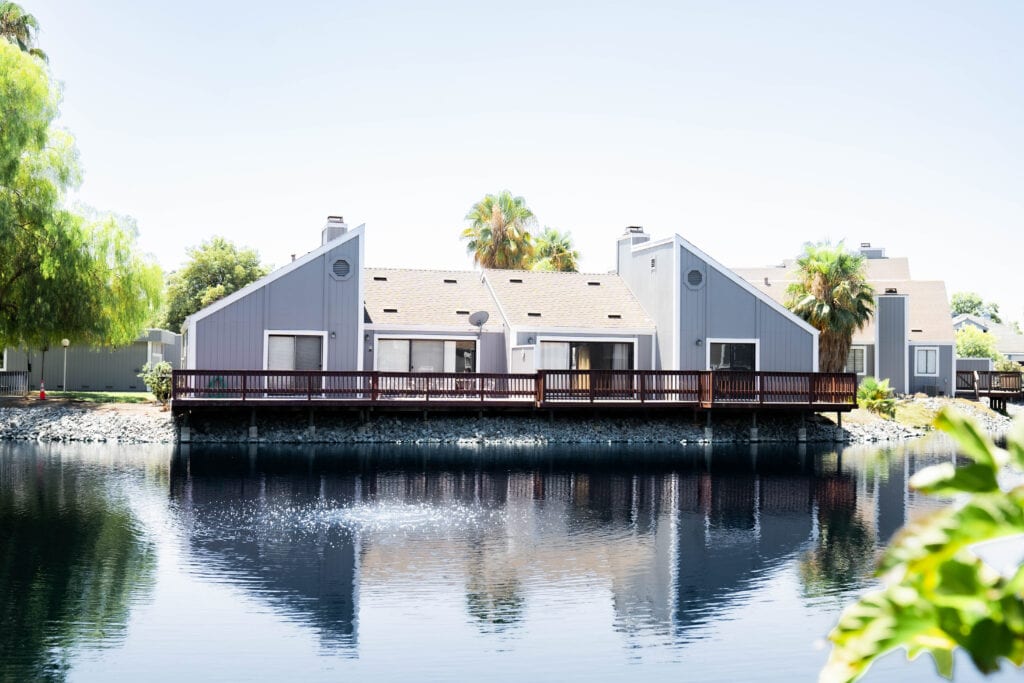
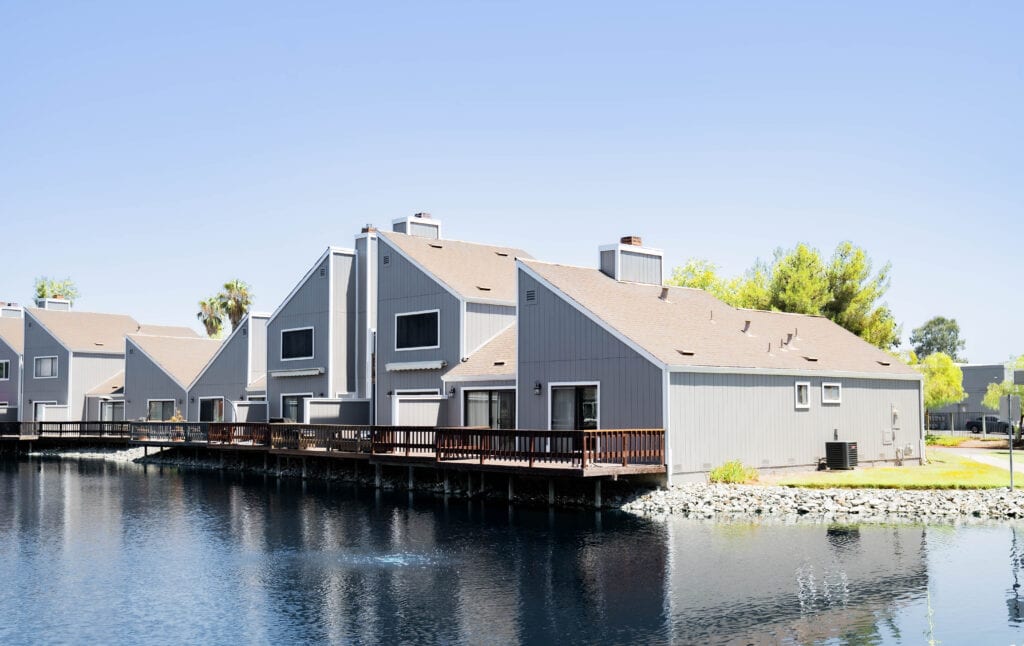
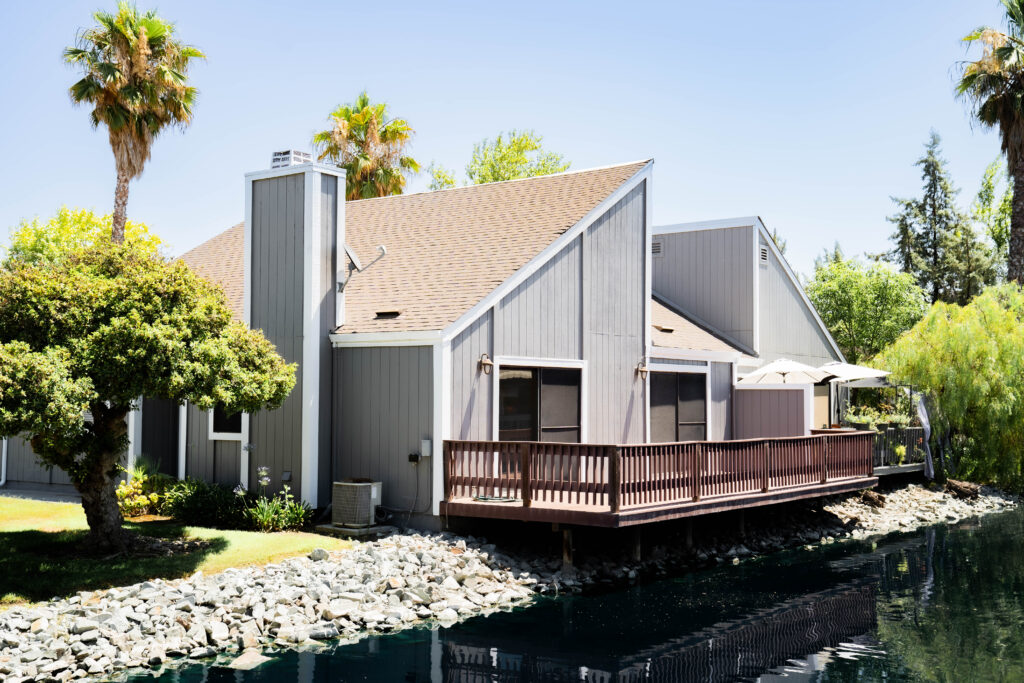
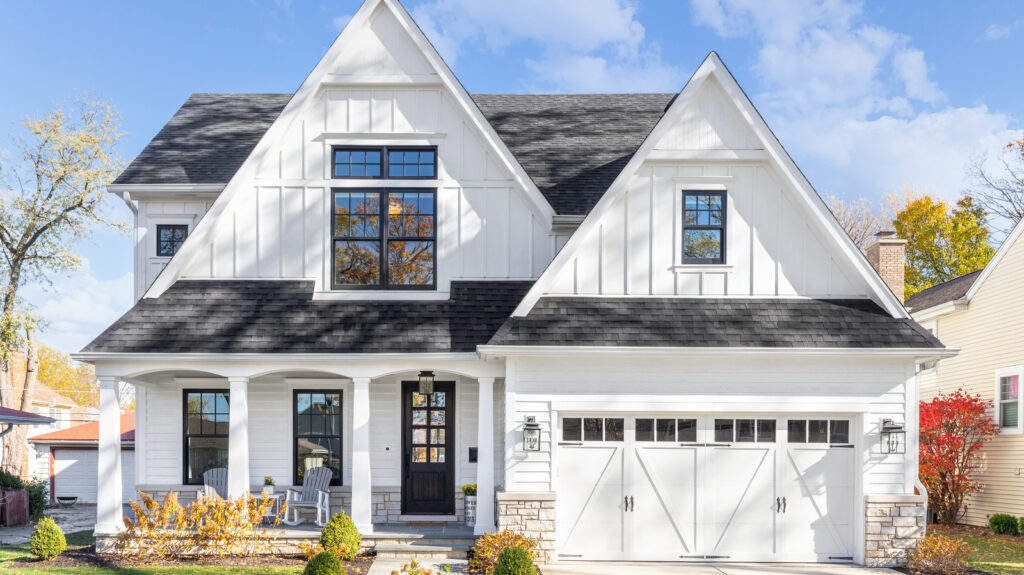
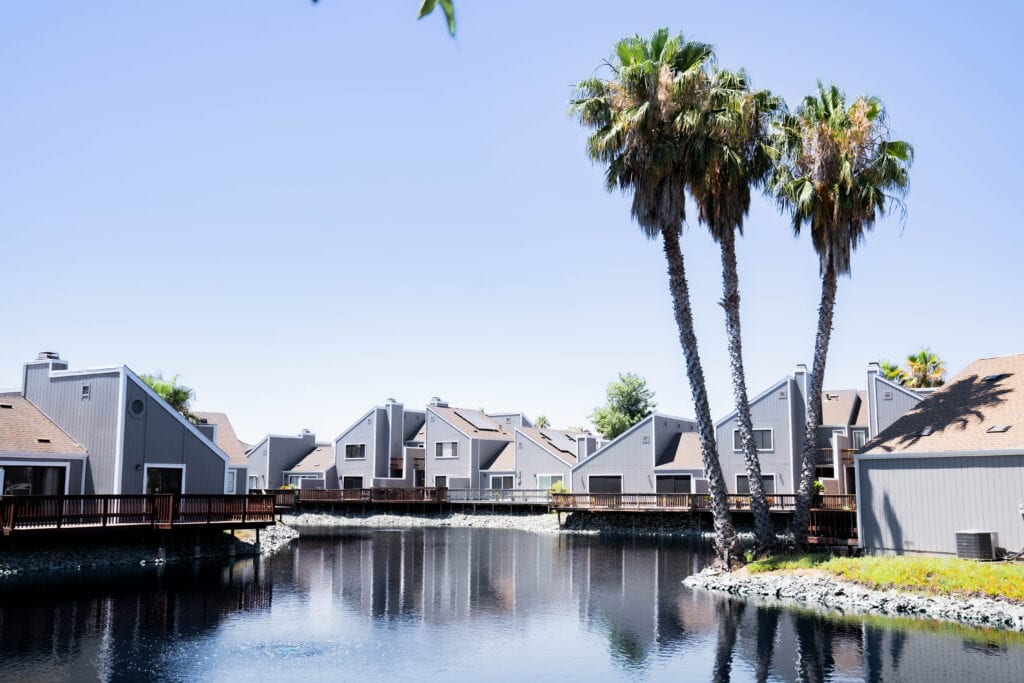
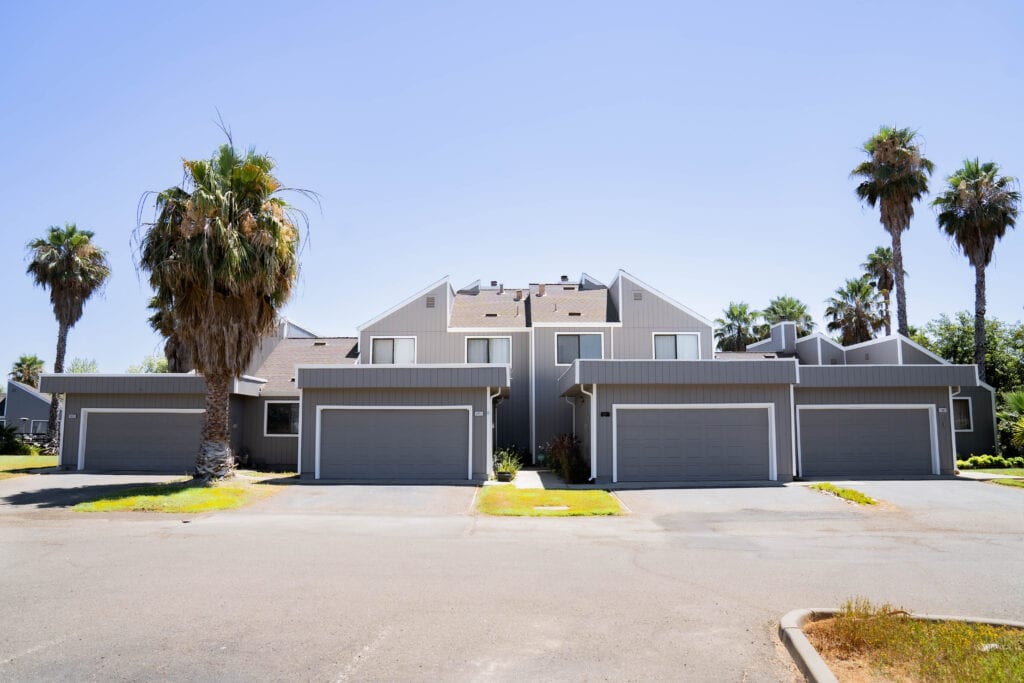
A look at homes we have re-sided and re-glazed across Sacramento, the Bay Area, and Lake Tahoe.

★★★★★ Rated 4.9 from 69 Google reviews
Heritage Exteriors is beyond exceptional. Very impressed with the timeliness, communication, and reasonable price of the whole project.
Heritage replaced my old crumbling wood siding and did a fantastic job. From the first interactions assessing the project and providing a quote, to the project itself, was all exceptional. My home looks brand new.
We recently had our house re-sided with Hardie product. We interviewed 3 companies, one of them being Heritage Exteriors. From our first meeting with David to the last day's work touching up paint, the experience was excellent.