★★★★★
Heritage Exteriors is beyond exceptional. Very impressed with the timeliness, communication, and reasonable price of the whole project.
Scott Doyen
Sacramento, CA · Google
Sacramento, CA · Google

Both bring daylight through the roof. A skylight is a window overhead: it gives you sky, sun and sometimes fresh air. A solar tube is a light fixture that runs on daylight: a small dome, a reflective tube through the attic and a diffuser in the ceiling. They solve different problems, and California’s Energy Code handles them differently.
Get a Free EstimateThe names vary: solar tube, sun tunnel, light tube, tubular skylight. The Energy Code and the Residential Code call them tubular daylighting devices, or TDDs. This comparison is part of our California window guide. If you already have a skylight that needs replacing, see our sibling guide on skylight replacement.
A glazed unit set into the roof, with a framed and finished shaft connecting it to the ceiling below, or no shaft at all in a vaulted ceiling. You see the sky through it. Direct sun comes through it and moves across the room during the day. It can be fixed or can open for ventilation.
A small clear dome on the roof, a tube lined with highly reflective material running through the attic, and a diffuser set in the ceiling that looks like a light fixture. Solatube describes its system as designed to capture sunlight at the rooftop, redirect it down a highly reflective tube, and diffuse it throughout an interior space. There is no view and no opening. Residential tubes are commonly 10 or 14 inches in diameter.
VELUX makes two kinds of its Sun Tunnel: a rigid tunnel for a straight, clear path to the roof, and a flexible tunnel that bends around obstructions. It notes that rigid tunnels give brighter light and that longer runs may reduce brightness.
| Skylight | Tubular daylighting device | |
|---|---|---|
| What you get | Daylight, direct sun, a view of the sky | Diffused daylight only |
| Ventilation | Available with venting models | None |
| Roof opening | Several square feet; often requires cutting or heading off framing | Under about one square foot; usually fits between framing members |
| Ceiling work | Framed, insulated, drywalled and painted light shaft | One round hole |
| Where it works | Rooms directly under the roof; best with vaulted ceilings or short shafts | Anywhere a tube can be routed through the attic, including interior rooms |
| Heat gain and loss | Larger; depends heavily on glass and roof orientation | Smaller, because the opening is small |
| Installation time | Longer; roofing, framing and interior finish trades | VELUX says most Sun Tunnel installations take a few hours |
| Cost direction | Higher, mostly because of framing and interior finish | Lower |
| Effect on the look of the room | An architectural feature | Reads as a ceiling light |
We do not publish prices here, because the spread is wide and driven by the roof and ceiling more than the product. The direction is reliable: for a room under an attic, a tube costs noticeably less than a skylight with a shaft. For current budgeting see our cost hub.
A skylight delivers far more light than a tube, simply because it is many times larger. It also delivers a different kind of light. Direct sun through a skylight is bright, warm and moving. It makes a room feel open. It also causes glare on screens, fades whatever sits in the sun patch, and can be too much over a bed or a desk.
A tube delivers even, diffused light with no beam and no glare. Solatube states that its 14-inch residential model delivers daylight to spaces up to about 300 square feet, a figure it bases on a short tube and the dome in direct sun. The light dims with clouds and at the ends of the day, as it does with any daylighting.
How much reaches the room depends on things you can control at installation:
Any hole in an insulated ceiling loses heat in winter and gains it in summer. The difference between the two products is mostly one of scale.
A skylight on a south or west roof slope in Sacramento faces the high summer sun that vertical windows largely escape. With clear glass or a plastic dome it can overheat a room. Low solar gain glass, an interior blind, and careful placement on a north or east slope all help. The light shaft matters as well: its walls are attic-facing surfaces and need to be insulated and air-sealed like an exterior wall. Our page on the best windows for cooling explains the solar heat gain coefficient.
A tube has a small opening, so its total heat gain and loss are small in absolute terms. Per square foot, though, a basic tube is not a good insulator. The Energy Commission's compliance manual works an example of a tube with a single-pane diffuser: treated as a metal-frame, fixed, single-pane skylight, its default U-factor is 1.19 and its default SHGC is 0.83. Those are poor numbers, which is why the code pays attention to the diffuser. A dual-pane diffuser at the ceiling, at the plane of the insulation, is what earns a tube its exception.
Tubes also need care in the attic. The tube passes through unconditioned space, and warm, moist indoor air that gets into it can condense. Solatube's own guidance acknowledges that condensation can occur when warm, moist air enters the tubing. Sealing the ceiling ring and choosing a product with a sealed, dual-pane diffuser both reduce it. Bathrooms are the room where this matters most.
Both are fenestration under California's Energy Code. The prescriptive treatment differs.
| Skylight | Tubular daylighting device | |
|---|---|---|
| Replacing an existing unit | U-factor no greater than 0.40, SHGC no greater than 0.30 (Exception 2 to Section 150.2(b)1B) | The code classes a tube as a tubular skylight, so the same replacement rule applies |
| Adding a new one | Up to 16 square feet of skylight per dwelling at U-factor 0.40 and SHGC 0.30 in Climate Zones 2, 4 and 6 to 15; no SHGC requirement in Zones 1, 3, 5 and 16 (Exception 3 to Section 150.1(c)3A) | Up to 3 square feet of tubular skylight area with dual-pane diffusers per dwelling need not meet the U-factor and SHGC values of Table 150.1-A (Exception 2 to Section 150.1(c)3A) |
| Area limits | Counts toward total fenestration area; additions of up to 16 square feet are exempt from the total and west-facing area limits | Compliance manual: counts toward the 20 percent fenestration area limit |
| How performance is shown | NFRC label for U-factor and SHGC | NFRC label, or Energy Commission default values, or a calculation method in the Reference Appendices |
Three practical consequences:
The Energy Code also specifies how visible light transmission is rated for tubes, under a separate NFRC procedure from the one used for windows and skylights. For most homeowners that matters only as a reminder that tube brightness claims are measured differently from skylight ratings and are not directly comparable. Background on the code is on our Title 24 page and on what Title 24 is; the label is explained in how to read an NFRC label.
Both installations cut the roof covering, so a building permit is generally required. Check with your building department.
A tube is the simpler installation. The roof hole is small and round, the flashing is typically one piece made for the roofing type, and the tube usually passes between rafters or trusses without cutting them. Inside, the only finish work is a round hole in the ceiling. Solatube says its systems can be installed on practically any roof type, with self-mounted and curb-mounted options.
A skylight needs a larger opening. In a stick-framed roof that usually means cutting a rafter and installing headers; in a trussed roof, trusses generally cannot be cut without an engineer, so the skylight has to fit between them or the design changes. Then comes the shaft: framing, insulation, air sealing, drywall and paint. That interior work is why a skylight costs more than the unit price suggests.
On leaks, the tube has the advantage of less perimeter and simpler flashing. A skylight installed with the manufacturer's engineered flashing kit, underlayment and correct step flashing is also dependable; the bad reputation comes from site-built flashing and sealant. In both cases, the best time to install is during a reroof, when the flashing can be integrated with new underlayment.
Choose a solar tube when:
Choose a skylight when:
Choose neither when the room could have a window. A vertical window gives light, view, ventilation and an escape route, with none of the roof risk. Our guide on choosing a window style is the place to start, and if a window already exists and is just too dark, replacing tinted or heavily coated glass may help more than you expect; see window film versus replacement.
We are a window, door and siding contractor, so our honest first question is whether a window would solve the problem better than anything through the roof. Where a skylight or tube is the right answer, we can help you check the Energy Code figures and coordinate with a roofer. Licensed in California, CSLB #1055919. Call (916) 546-2991.
Are solar tubes exempt from Title 24?
Partly. Under the 2025 Energy Code, each dwelling may have up to 3 square feet of tubular skylight area with dual-pane diffusers that does not have to meet the prescriptive U-factor and SHGC values in Table 150.1-A. The Energy Commission's compliance manual adds that the area still counts toward the fenestration area limit and that the U-factor must not exceed 0.40. A tube with a single-pane diffuser does not get the exception.
How many solar tubes can I install under the 3 square foot allowance?
It depends on diameter. A 10-inch tube has an opening of about 0.55 square feet and a 14-inch tube about 1.07 square feet, so the allowance covers roughly five 10-inch tubes, or two 14-inch tubes with one 10-inch. Beyond that, the additional tubes have to meet the standard fenestration values or the project uses the performance approach. Your installer or energy consultant should confirm how the area is calculated for the product.
Do solar tubes leak less than skylights?
They have a smaller roof opening and a round, one-piece flashing, so there is less to go wrong, and they usually fit between rafters without cutting framing. They are not immune: any roof penetration depends on its flashing. They can also collect condensation inside the tube in cold or humid conditions, which Solatube addresses in its own guidance. A skylight installed with the manufacturer's flashing kit is also reliable.
Can a solar tube light a room at night?
Not on its own. It delivers only the daylight available at the dome. Manufacturers offer optional light kits that put an electric lamp inside the tube so one ceiling fixture serves day and night, and Solatube also offers a solar-powered night light. If you add a light kit, the wiring is electrical work subject to permit like any other fixture.
Can a solar tube go in a two-story house?
It can reach a first-floor room if there is a path for the tube, such as a closet or a framed chase through the second floor. Rigid tubes carry light much farther than flexible ones. Solatube lists a potential tube length of about 30 feet for its 14-inch residential model. Longer runs and more bends deliver less light, so the upper floor is where tubes work best.
Does a solar tube count as a window for a bedroom?
No. It can supply daylight, but it does not open, so it provides no natural ventilation, and it is not an emergency escape and rescue opening. A bedroom still needs a code-compliant escape opening under Section R319 (formerly R310) of the California Residential Code. Tubes are for adding light to rooms that already meet those requirements, or to spaces like halls and closets that have none.
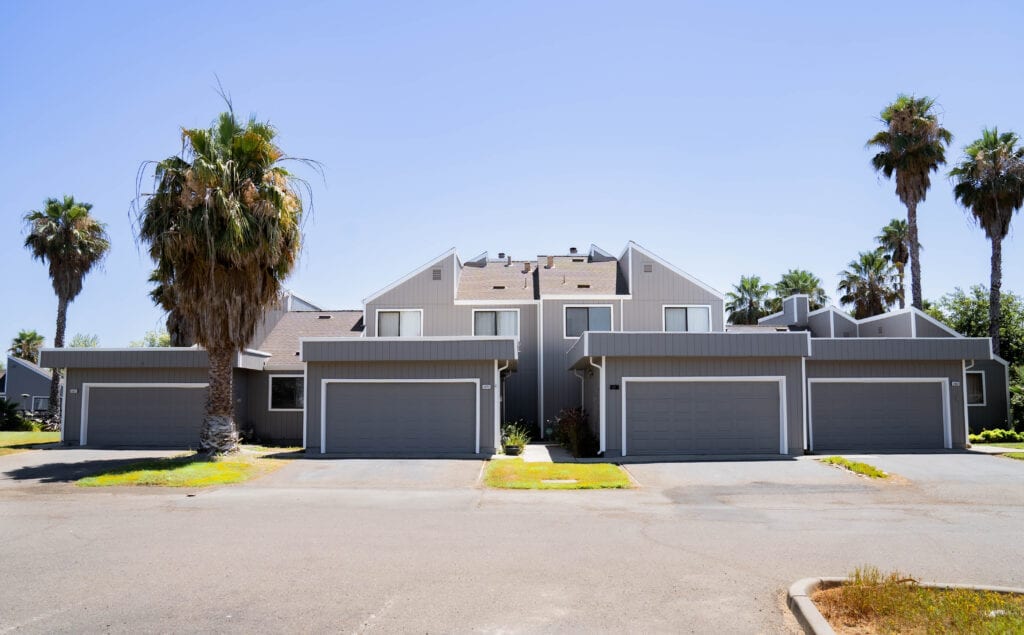
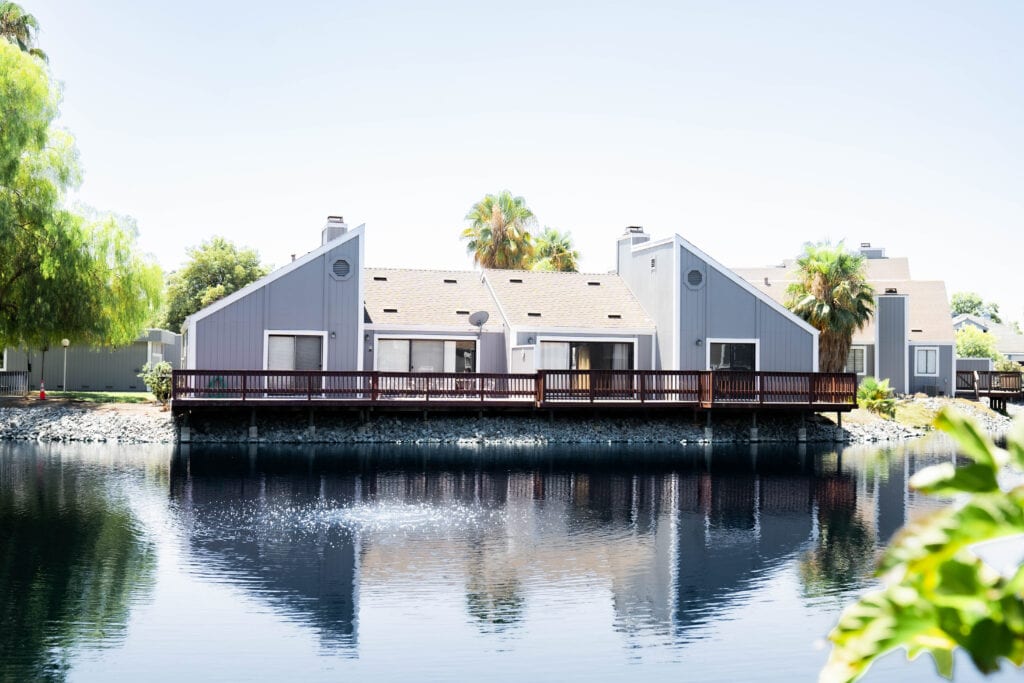
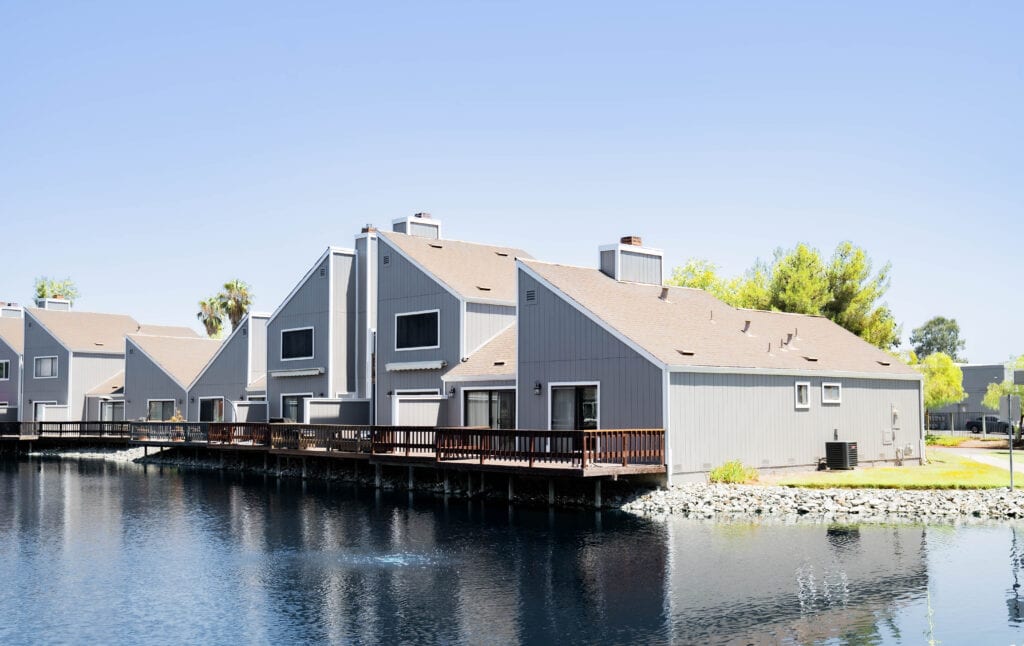
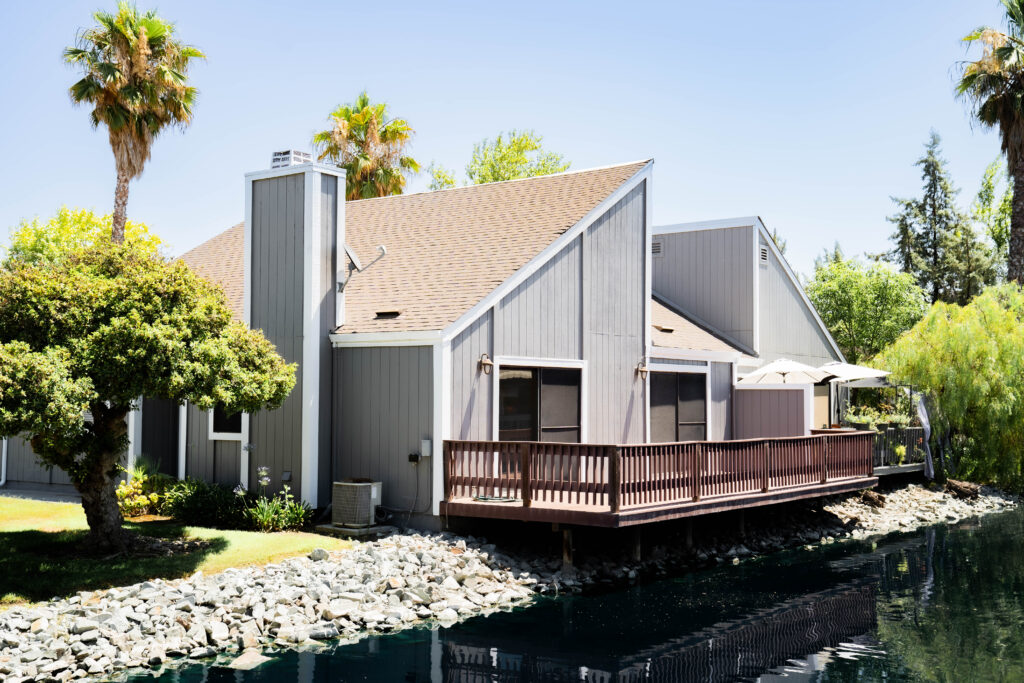
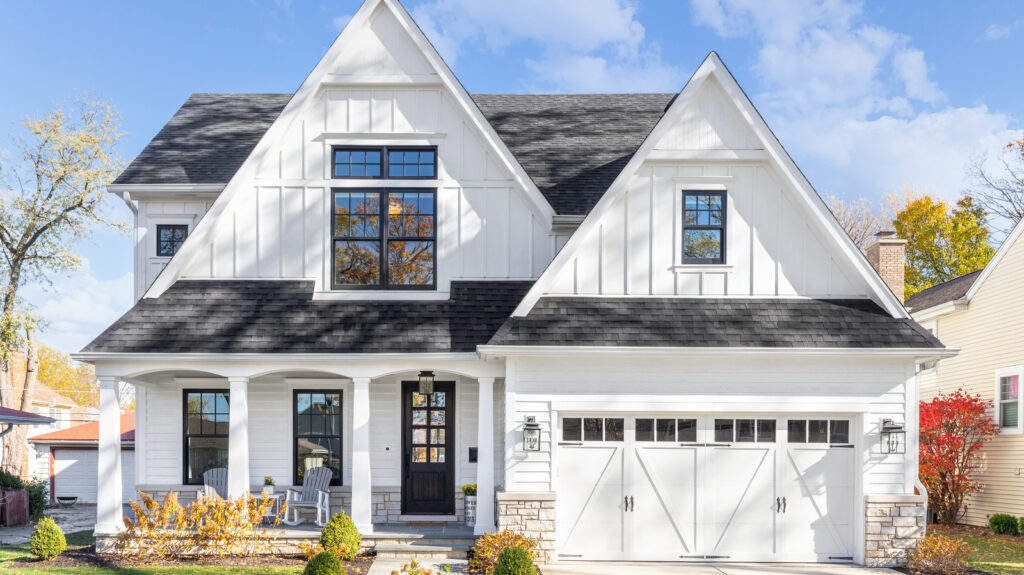
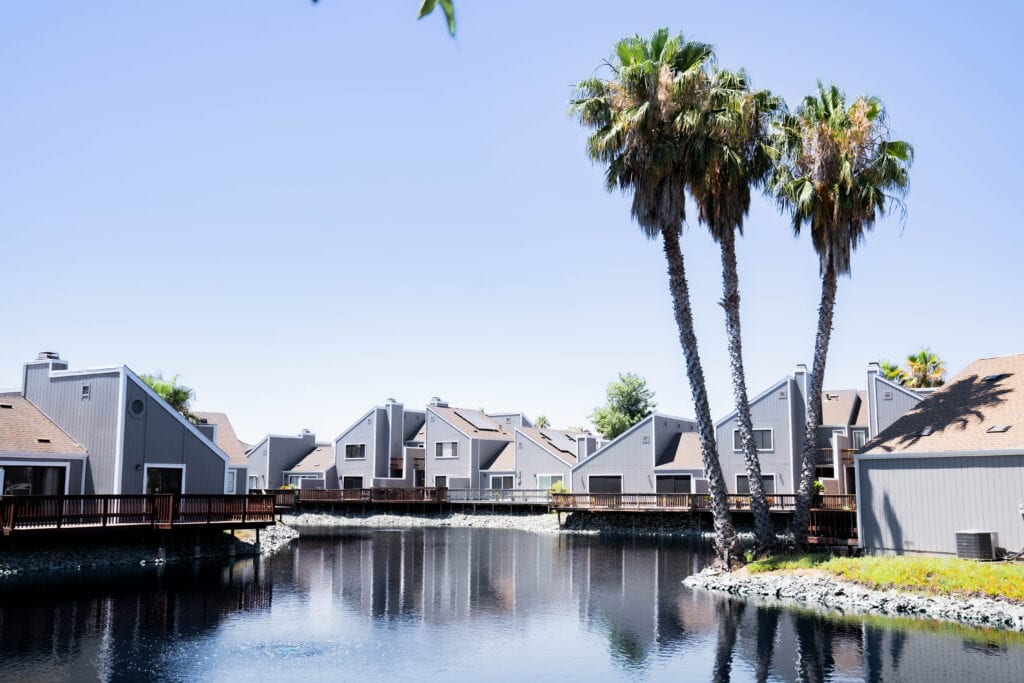
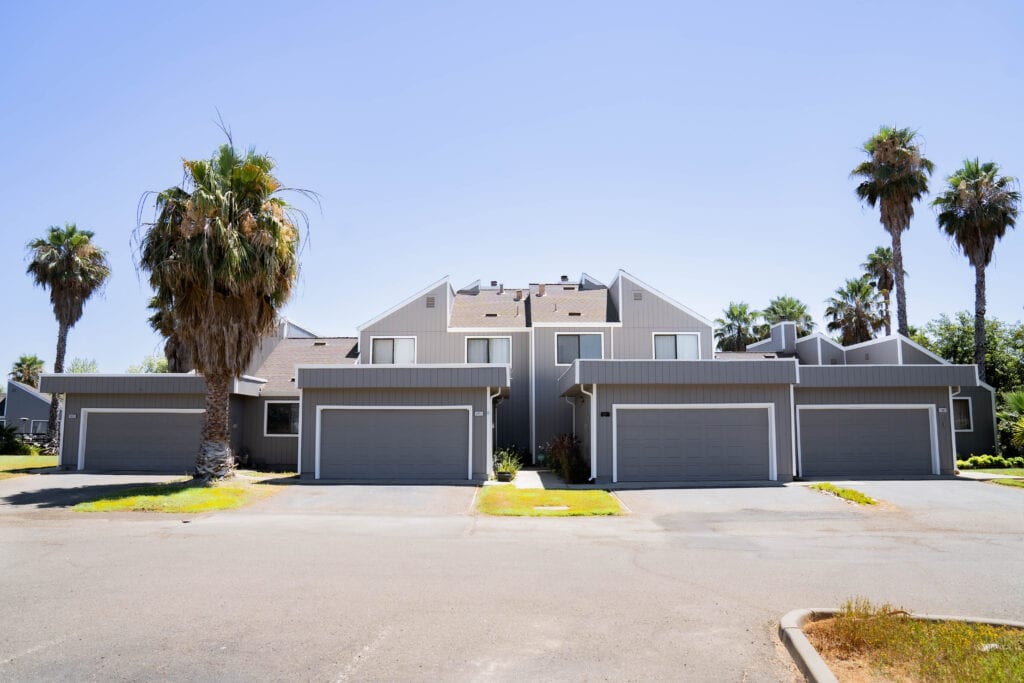
A look at homes we have re-sided and re-glazed across Sacramento, the Bay Area, and Lake Tahoe.

★★★★★ Rated 4.9 from 69 Google reviews
Heritage Exteriors is beyond exceptional. Very impressed with the timeliness, communication, and reasonable price of the whole project.
Heritage replaced my old crumbling wood siding and did a fantastic job. From the first interactions assessing the project and providing a quote, to the project itself, was all exceptional. My home looks brand new.
We recently had our house re-sided with Hardie product. We interviewed 3 companies, one of them being Heritage Exteriors. From our first meeting with David to the last day's work touching up paint, the experience was excellent.