★★★★★
Heritage Exteriors is beyond exceptional. Very impressed with the timeliness, communication, and reasonable price of the whole project.
Scott Doyen
Sacramento, CA · Google
Sacramento, CA · Google

Transportation noise is mostly low-frequency, and that is the part of the spectrum ordinary windows stop least well. The rating most window brochures quote was not designed for it. If you live under a flight path or beside a freeway, the rating to ask for and the glass to choose are different from what works against voices and barking dogs.
Get a Free EstimateNoise is the complaint that standard window advice handles worst. A window that performs well on paper can disappoint next to Interstate 80, under the approach to SFO, or beside a Caltrain or freight line, because the rating on the brochure measures a different kind of sound. This page is part of our California window guide. For the basic types of noise-reducing windows, start with types of soundproof windows; this page picks up where that one stops.
Sound is pressure waves at different frequencies. Voices, birds, a television and most neighborhood noise sit in the middle and upper frequencies. Tire roar, diesel engines, jet takeoff and train locomotives carry a great deal of energy at low frequencies.
Glass stops high-frequency sound fairly easily. Low-frequency sound has long wavelengths, moves heavy materials, and passes through light ones. That is why you can stop hearing the neighbor's conversation after new windows go in and still hear every truck that downshifts on the grade.
The source decides which walls matter and whether windows alone can solve the problem.
Two single-number ratings are used for windows. Both come from the same laboratory measurement of how much sound a product blocks at each frequency; they differ in how those measurements are weighted.
| STC (Sound Transmission Class) | OITC (Outdoor-Indoor Transmission Class) | |
|---|---|---|
| Standard | ASTM E413 | ASTM E1332 |
| Built for | Speech, radio, television and similar sources inside buildings | Building facades exposed to ground and air transportation noise with strong low-frequency sound |
| What the standard says | Not appropriate for transportation noise such as motor vehicles, aircraft and trains | Reference spectrum is an average of aircraft takeoff, road traffic and diesel locomotive |
| Use it for | Voices, neighbors, general neighborhood noise | Freeways, arterials, airports, rail |
The STC standard is direct about its own limits. It states that the classification is not appropriate for sources including machinery, music systems and transportation noises such as motor vehicles, aircraft and trains, and it points to the OITC standard for facade elements.
For the same product the OITC number is normally lower than the STC number, sometimes by a lot. That is not a defect; it is the low-frequency weakness showing up in the math. A product can gain several STC points from a change that barely moves its OITC.
Two cautions when comparing numbers:
Vitro's technical document lists the levers for improving the acoustic performance of insulating glass units: increase glass thickness, increase the air space, use different glass thickness for the individual panes, and use a laminated pane for one or both sides. Here is what each does.
Two layers of glass bonded to a plastic interlayer. The interlayer damps vibration, so the pane does not ring the way a single sheet does. In Vitro's generic comparison table, a laminated pane made of two eighth-inch plies has the same STC as a dual-pane unit made of two quarter-inch panes with a half-inch air space, and a higher OITC, with half the glass. The manufacturer notes those figures are generic and not for design, but the direction is consistent.
Laminated glass also holds together when broken, which gives it a security benefit covered in our sibling guide on window security. Our overview of window glass types explains how it differs from tempered glass.
Every pane has a frequency at which it transmits sound most easily. If both panes in a dual-pane unit are the same thickness, they share that weak spot. Making one pane thicker than the other moves the weak spots apart so each pane covers for the other. This is a low-cost change that many manufacturers can make on standard product lines.
The gap between panes matters more for sound than it does for insulation. The air space in an insulated glass unit is limited by the frame, usually to well under an inch. Vitro's generic table shows a unit with a one-inch air space rating better than the same glass with a half-inch space. Getting a truly wide gap, measured in inches, means adding a second window.
A second layer of glass or acrylic mounted on the room side of an existing window creates an air space several inches deep. For low-frequency noise this is often the most effective single step, and it keeps the existing window in place, which matters in historic houses and condominiums where the exterior cannot change. The tradeoffs are appearance, cleaning, and access for ventilation and emergency escape. In a bedroom, choose an insert that comes out from the inside quickly and without tools, so the window still works as an escape route. Our page on storm windows covers the exterior version of the same idea.
Before spending on acoustic glass, find the weakest link. Sound gets in through:
Installation quality shows up here more than anywhere. Vitro's document makes the same point: proper installation is critical so that sound does not enter through poorly fitted components. A full-frame replacement lets the installer insulate and seal the gap around the opening, which a retrofit over the old frame cannot reach.
There is also a ventilation consequence. A quiet house near a freeway is a house with the windows shut. San Francisco International's program pairs its acoustic windows and doors with an energy recovery ventilator for that reason. If you are sealing a house against noise, plan for fresh air and for wildfire-smoke days at the same time; our sibling guide on windows and indoor air during wildfire smoke covers that side.
Three state provisions come up in conversations about noise. None of them requires a homeowner replacing windows to hit a decibel target.
Cities and counties also adopt noise elements in their general plans, and new subdivisions near freeways and airports are often approved with conditions requiring specific window ratings. If your house is in one of those tracts, the original acoustic requirements may be on file with the building department, and it makes sense to match or beat them when you replace.
What does apply to every replacement is the Energy Code. Acoustic glass still has to meet the U-factor and SHGC for your climate zone; see Title 24 requirements for replacement windows. Laminated low-e units that satisfy both are widely available.
Several California airports run residential sound insulation programs using Federal Aviation Administration grants and airport funds. They are worth checking before you pay for acoustic windows yourself, with realistic expectations: eligibility is by map, not by how loud it feels.
According to the SFO Noise Office, its Noise Insulation Program provides acoustical improvements to eligible properties inside the 65 dB noise contour, and has reduced aircraft noise in more than 15,200 homes in Daly City, Millbrae, Pacifica, San Bruno, South San Francisco and unincorporated San Mateo County. As described on the airport's site when we checked in October 2026:
The airport notes that the contour has become smaller as aircraft have become quieter, so a home that was eligible decades ago may sit outside the current map.
The San Diego County Regional Airport Authority's Quieter Home Program states that residences within the 65 dB CNEL contour may be eligible, that treatments include acoustic windows and doors and ventilation, that there is no financial cost to the homeowner for program treatments, and that participants grant an avigation easement. The program's stated goal is an interior reduction of at least 5 dB.
Search for the airport's noise office and its noise exposure map. If your address is outside the 65 dB contour, you are almost certainly not eligible, however loud individual flights are. If your home was treated years ago and the windows have failed, ask the noise office whether a repair or re-treatment phase exists before replacing them on your own.
Acoustic glass adds cost over standard dual-pane. Our window replacement cost page gives current ranges, and how to compare quotes explains how to line up bids that specify glass differently.
We will tell you which rooms justify acoustic glass and which do not, quote the glass makeup in writing, and seal the opening properly, since that is where a lot of noise performance is won or lost. We do not promise a decibel result, because the walls and roof are part of the answer. Licensed in California, CSLB #1055919. Call (916) 546-2991.
Is STC or OITC the right rating for traffic and aircraft noise?
OITC. The ASTM classification behind STC says it correlates with speech, radio and television and is not appropriate for transportation noise such as motor vehicles, aircraft and trains. OITC was written for building facades and uses a reference spectrum averaged from aircraft takeoff, road traffic and a diesel locomotive. Ask for both numbers, and weight OITC when the source is a road, a runway or a rail line.
Will triple-pane windows make my house quieter?
Not necessarily. Triple-pane glass is designed for insulation, and three thin panes with narrow gaps can perform no better on low-frequency noise than a well-chosen dual-pane unit. What changes sound performance is glass mass, panes of different thickness, a wider air space and a laminated pane. Ask for the tested acoustic ratings of the specific unit rather than assuming more panes means less noise.
Can I qualify for free soundproof windows near a California airport?
Only if your home is inside an airport's eligibility boundary and the program is taking homes. San Francisco International's Noise Insulation Program treats eligible properties inside the 65 dB noise contour of its FAA-approved noise exposure map, and its site says one initiative is currently closed to new applications while others invite pre-identified homes. San Diego's Quieter Home Program lists similar contour-based eligibility. Check the airport's own noise office page for your address.
Do new windows have to meet a noise standard in California?
Not when you replace windows in an existing house. California's airport noise regulations set 65 dB CNEL as the standard for acceptable aircraft noise near airports, and the California Building Code sets a 45 dB interior limit for habitable rooms in the buildings it covers. Neither one obliges a homeowner to reach a particular sound level when replacing windows. The energy requirements of Title 24 do apply.
Why can I still hear trucks after installing laminated glass?
Usually because the sound has another path. Low-frequency noise passes through walls, roof vents, fireplace flues, recessed lights, mail slots and gaps around the frame. A window that seals poorly leaks sound regardless of its glass. Engine and tire rumble also sits at the low end of the spectrum where every window performs worst. Laminated glass narrows the gap; it does not close it.
Is an interior window insert as good as a new acoustic window?
For noise alone it can be competitive, because a second layer set several inches inside the existing window creates a much wider air space than any insulated glass unit has. It does not fix a failing frame, water leaks, or operation, and you have to remove or open it to ventilate. It is a reasonable choice when the existing windows are sound and the complaint is only noise.
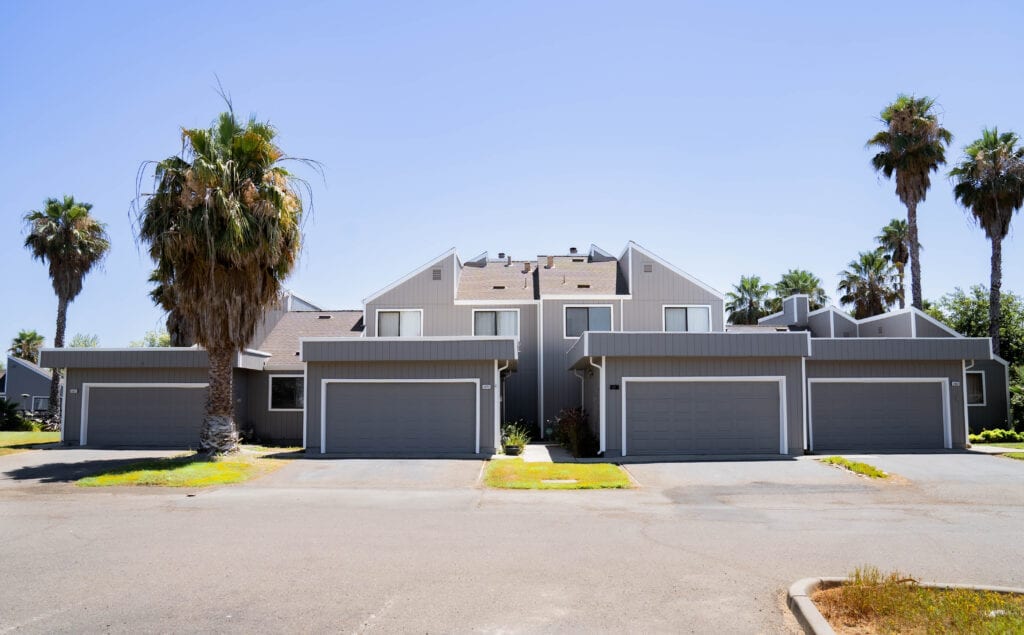
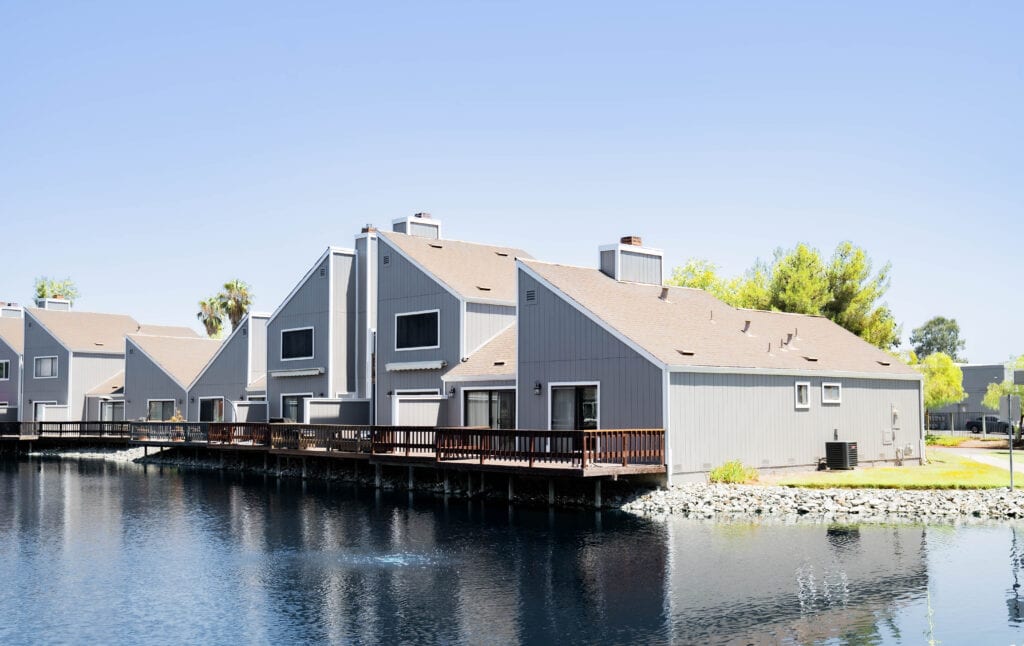
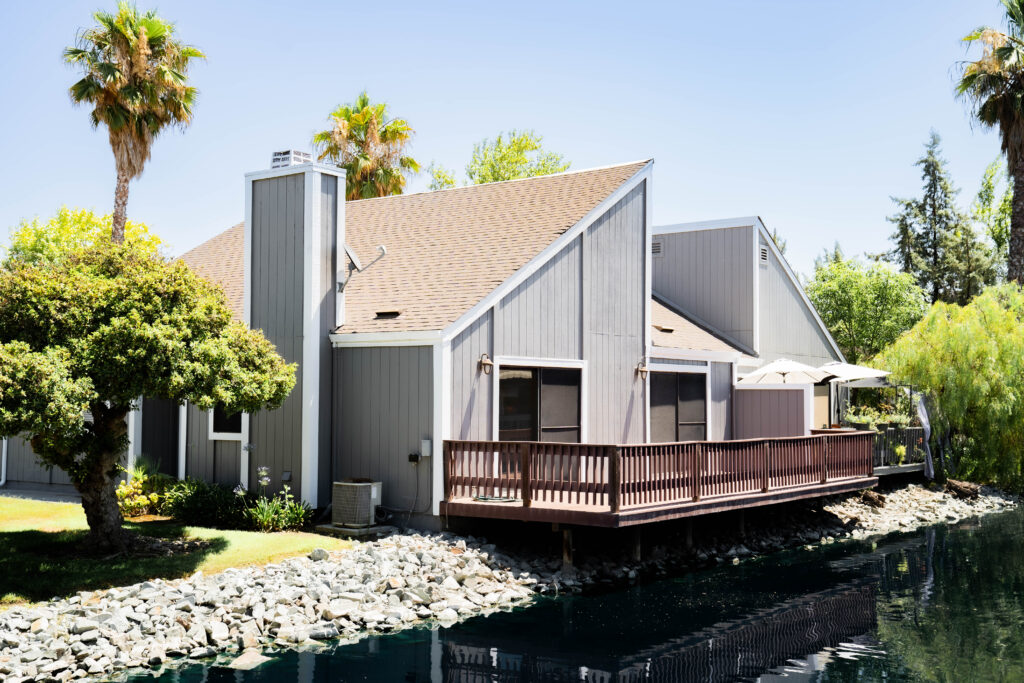
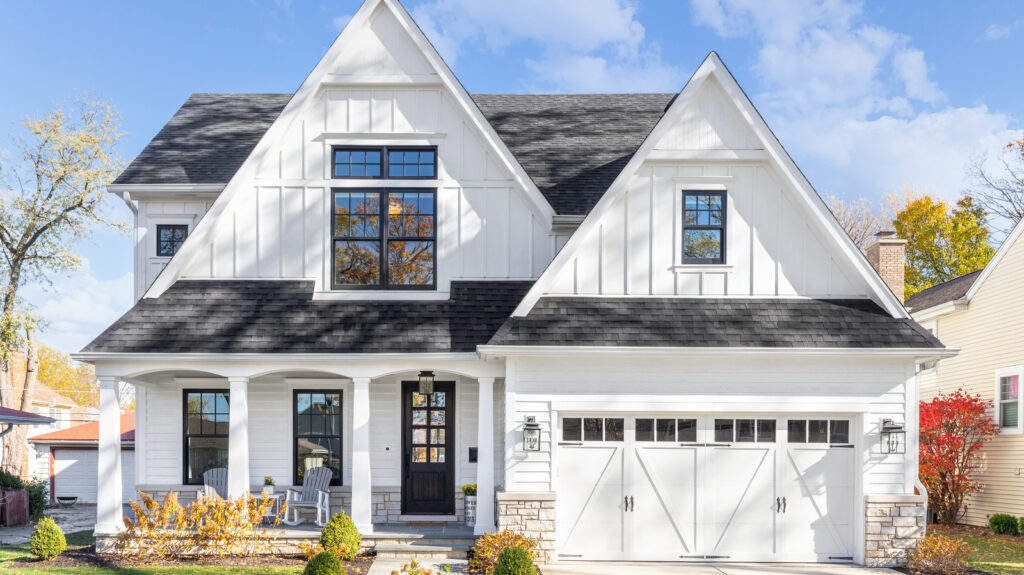
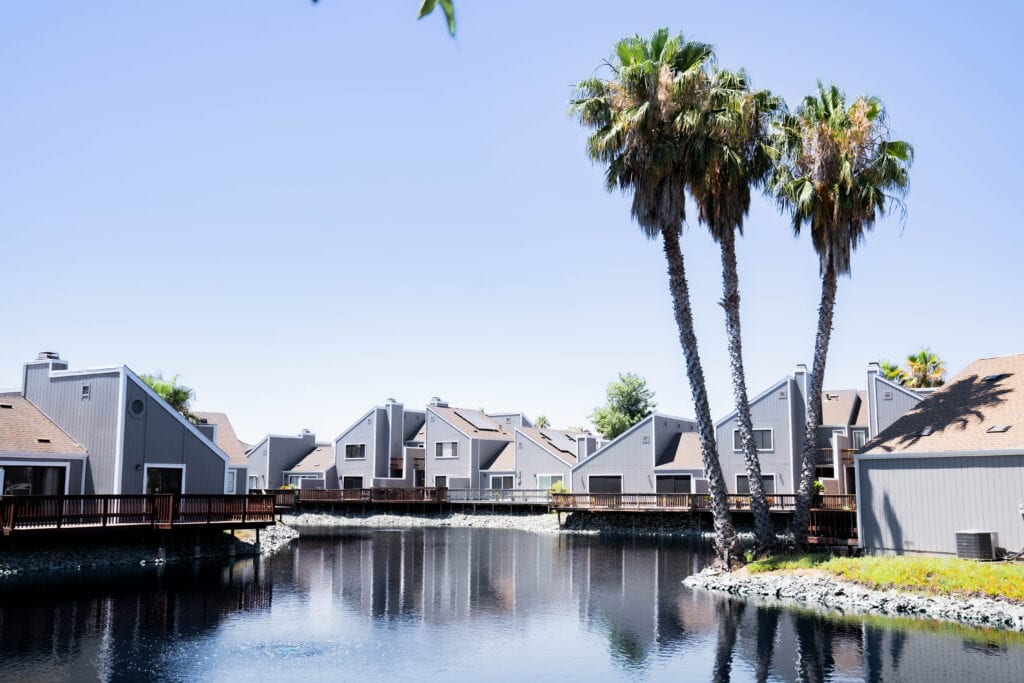
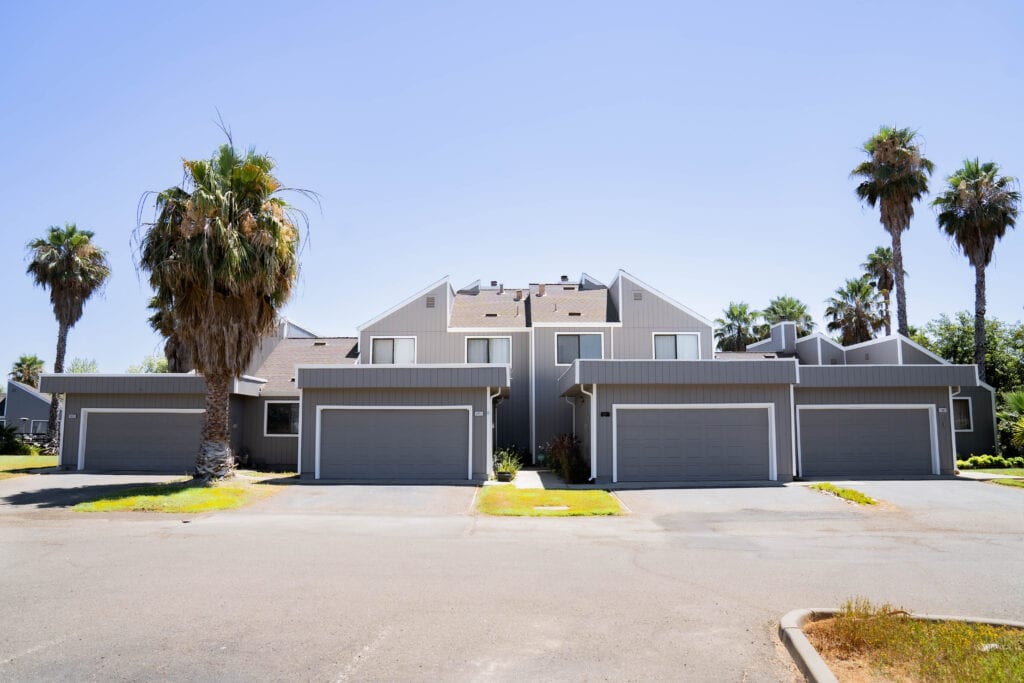
A look at homes we have re-sided and re-glazed across Sacramento, the Bay Area, and Lake Tahoe.


★★★★★ Rated 4.9 from 69 Google reviews
Heritage Exteriors is beyond exceptional. Very impressed with the timeliness, communication, and reasonable price of the whole project.
Heritage replaced my old crumbling wood siding and did a fantastic job. From the first interactions assessing the project and providing a quote, to the project itself, was all exceptional. My home looks brand new.
We recently had our house re-sided with Hardie product. We interviewed 3 companies, one of them being Heritage Exteriors. From our first meeting with David to the last day's work touching up paint, the experience was excellent.