★★★★★
Heritage Exteriors is beyond exceptional. Very impressed with the timeliness, communication, and reasonable price of the whole project.
Scott Doyen
Sacramento, CA · Google
Sacramento, CA · Google

Windows are one of the larger checks a homeowner writes without moving house. There are six realistic ways to pay for them in California. They differ less in the monthly payment than in what secures the loan and what happens when you sell.
Get a Free EstimateHow you pay for windows affects more than the monthly figure. It decides whether your house is collateral, whether a lien is recorded, whether the debt follows the property when you sell, and how much the windows end up costing in total.
This page is part of our California window guide. It sets out the options without quoting rates, because rates change weekly and depend on your credit. It is general information, not financial or legal advice. For what the windows themselves cost, see window replacement cost in Sacramento and the Bay Area.
| Way to pay | Secured by your home? | Who you deal with | The thing to check |
|---|---|---|---|
| Cash or savings | No | Only the contractor | That the payment schedule follows the law |
| Home equity loan or line of credit | Yes | Your bank or credit union | Closing costs, and whether the rate is fixed or variable |
| Unsecured personal loan | No | A bank, credit union or online lender | Origination fees and the total repaid |
| Contractor-arranged financing | Depends on the product | A lender the contractor works with | The cash price, and what happens when a promotional period ends |
| GoGreen Home loan | The program describes it as having no property lien | A participating lender and an enrolled contractor | Utility eligibility and whether your contractor is enrolled |
| PACE assessment | Yes, by a lien repaid on the property tax bill | A DFPI-licensed program administrator | The total cost over the term and what it does to a sale or refinance |
Paying from savings is the cheapest route if the money is not needed elsewhere. There is no interest and no lender, and nothing is recorded against the house.
Paying cash does not mean paying up front. California limits the down payment on a home improvement contract to $1,000 or 10 percent of the contract price, whichever is less, and bars a contractor from collecting more than the value of work done or materials delivered (Business and Professions Code section 7159.5). Those rules apply however you pay. Be wary of a "cash discount" that depends on paying most of the price before the windows arrive. Our page on what a California window contract must include covers the payment rules.
If you have equity in the house, borrowing against it through your own bank or credit union is the conventional way to fund a large improvement. A home equity loan is a fixed amount repaid over a set term. A line of credit lets you draw what you need, usually at a variable rate.
The trade-off is simple to state. The loan is secured by your home, so the lender has a claim on the house if you do not pay. In return, secured credit usually costs less than unsecured credit. Expect an application, possibly an appraisal, and a wait of some weeks.
That timing matters with windows. Arrange the financing before you sign the contract, not after, so you are not pressed to accept whatever is offered at the kitchen table.
A personal loan from a bank, credit union or online lender is not tied to the house. Approval is fast and nothing is recorded against the property. The cost is typically higher than home equity borrowing, and the terms are shorter, so the monthly payment is larger for the same amount.
This option suits a smaller job, a homeowner without much equity, or someone who does not want the house involved. Compare the total you will repay, including any origination fee, not only the monthly figure.
Many window companies offer financing through a lender they have a relationship with. It is convenient, because the application happens at the same sitting as the sale. That convenience is also the risk.
Three things to pin down before you agree:
Financing a job does not weaken your right to cancel it. A contract signed at your home can be canceled in writing within three business days, or five if you are 65 or older (Civil Code section 1689.6). If the financing is the reason you are being hurried to sign tonight, read our page on window sales red flags.
GoGreen Home is a state-backed financing program, and for windows it is the one most homeowners have not heard of.
It is administered by the California Alternative Energy and Advanced Transportation Financing Authority (CAEATFA) in the State Treasurer's Office. The state is not the lender. CAEATFA provides a credit enhancement that reduces a participating lender's risk if a borrower defaults. The Treasurer's office says this lets lenders, mainly credit unions and finance companies, offer lower rates, longer terms and larger loan amounts, and approve a wider range of borrowers.
The Treasurer's program page lists new windows among eligible upgrades, alongside insulation, heat pump systems and appliances. The detailed rules are in the program's Eligible Energy Measures list, which sets requirements for each measure and is revised from time to time. Check the current list for the window requirement before you rely on it.
The program's site also says a share of the financing, up to 30 percent, can go to related non-energy improvements, and describes the loans as carrying no property lien.
GoGreen Home runs under state regulations that CAEATFA has amended more than once in 2026. We found no notice of a pause or closure when we checked in October 2026, but confirm the program's status and current lender terms on its own site before you apply.
Property Assessed Clean Energy financing pays for energy and water improvements, and windows are among the projects the Department of Financial Protection and Innovation (DFPI) lists as eligible. It works differently from every other option on this page.
You do not make loan payments. The cost is added to your property tax bill as an assessment and repaid over the length of the contract. DFPI states that a lien is placed on your home until the PACE contract is paid off.
DFPI's own consumer guidance is blunt about the risks:
California has put PACE under state supervision. According to DFPI:
At the federal level, the Consumer Financial Protection Bureau finalized a rule in December 2024 applying ability-to-repay requirements to residential PACE, with an effective date of 1 March 2026. Check the Bureau's rule page for its current status.
Before signing a PACE contract, DFPI suggests asking how long the term is, what the total cost is over the life of the assessment, and how much your property taxes will increase. Verify the administrator's license with DFPI. If something has gone wrong, DFPI takes complaints at 1-866-275-2677.
Our view: for most homeowners who can qualify for ordinary credit, PACE is the last option to consider for windows, not the first. It exists and it is legal, and for a homeowner with equity and few other choices it can be the only route. Go in with the total cost written down.
People often ask whether the utility will finance windows on the bill. For homeowners in our area the answer at the moment is no.
Rebates are a separate matter and change often. See SMUD and PG&E window rebates for the current picture.
The federal Energy Efficient Home Improvement Credit used to cover part of the cost of qualifying windows. The IRS states that the credit is allowed for qualifying property placed in service on or after 1 January 2023 and before 31 December 2025. Windows installed today fall outside that period.
If a quote or a sales presentation still lists a federal tax credit as a reduction in your cost, ask the contractor to show you the current IRS page that supports it.
Our general page on financing options for exterior projects covers the same ground for siding, and how to compare window replacement quotes helps you make sure the quotes you are financing are for the same job.
We will give you a written price for the job that you can take to your own bank or credit union, and we do not expect you to choose how to pay on the day of the estimate. If you plan to use a specific lender or program, tell us at the start so the paperwork and the schedule line up. Licensed in California, CSLB #1055919. Call (916) 546-2991.
Is there a California state program that helps finance windows?
GoGreen Home Energy Financing is the closest thing. It is administered by the California Alternative Energy and Advanced Transportation Financing Authority in the State Treasurer's Office. The state does not lend the money. It backs loans made by participating lenders, mostly credit unions and finance companies, so they can offer better terms. The Treasurer's program page lists new windows among the eligible upgrades, and most projects must be installed by a contractor enrolled in the program.
Is PACE a government program?
No. The Department of Financial Protection and Innovation says in so many words that PACE is not a free government program. It is private financing that is repaid through an assessment on your property tax bill and secured by a lien on the home. The companies that administer it must hold a DFPI license. A contractor or salesperson who describes it as a government grant or a free program is misdescribing it.
Does financing through the contractor cost more than paying cash?
It can, and the only way to know is to ask for both figures. California requires a home improvement contract to state any finance charge separately from the contract amount. Ask each contractor for the price if you pay by check and the price if you use their financing, in writing. If the two differ, the difference is part of what the financing costs you.
Can I still get a federal tax credit for new windows?
Not for windows installed now. The IRS states that the Energy Efficient Home Improvement Credit is allowed for qualifying property placed in service on or after 1 January 2023 and before 31 December 2025. Windows installed after that window do not qualify, so do not count on a federal credit when you budget, and be careful with any quote that still advertises one.
Does financing change my right to cancel the window contract?
No. A home improvement contract signed at your home can be canceled in writing until midnight of the third business day after you receive a signed copy, or the fifth business day if you are 65 or older. That right belongs to the contract for the work. The loan may carry cancellation terms of its own, so ask the lender what happens to the loan if you cancel the job.
Does my utility offer a loan I can repay on my bill?
For most homeowners in our service area, no. SMUD's Sustainable Home Improvement Loans closed to new customers on 14 August 2023, and PG&E's On-Bill Financing is for nonresidential customers. Utilities do run rebate programs from time to time, and those change often, so check the current offers before you sign.
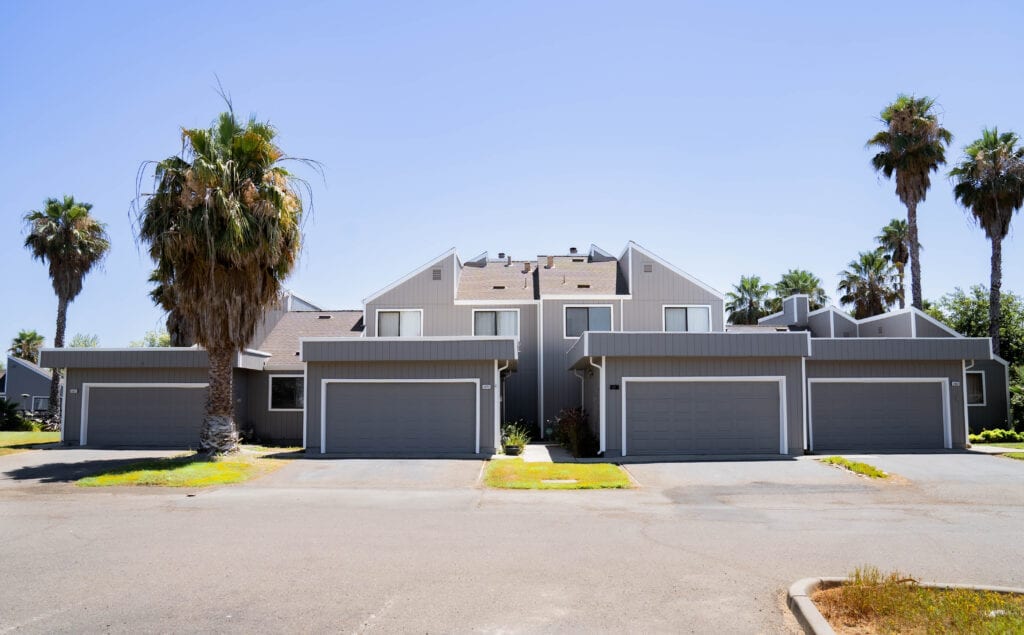
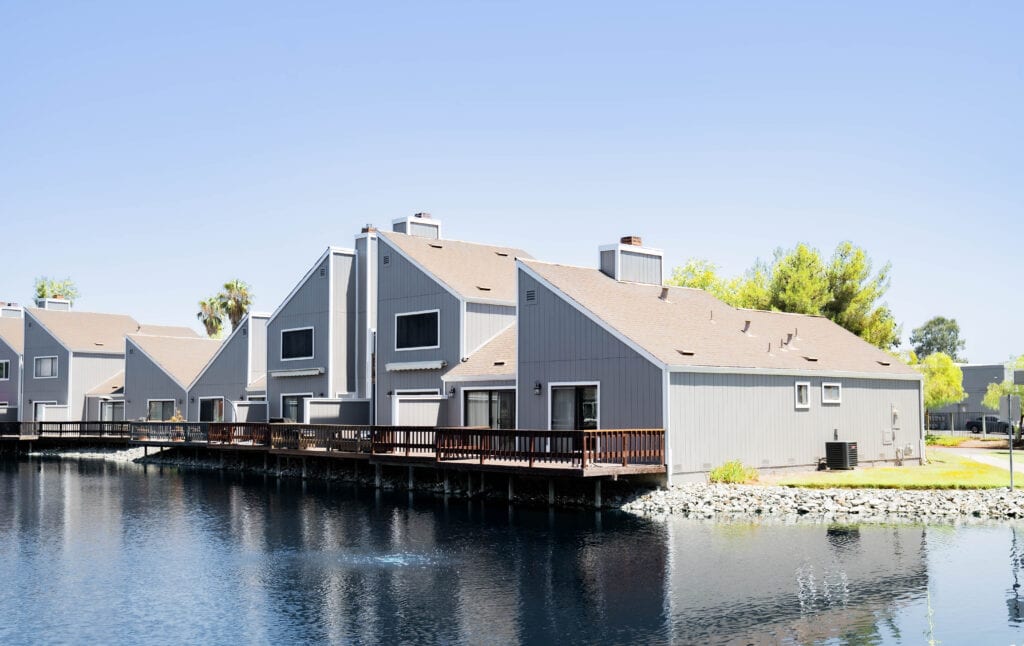
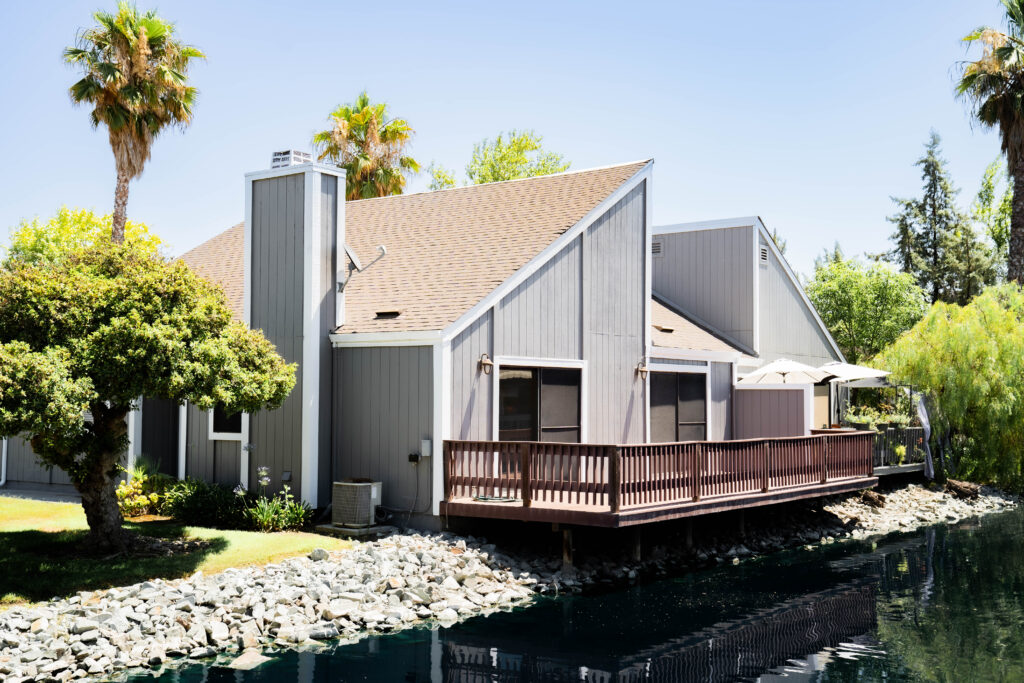
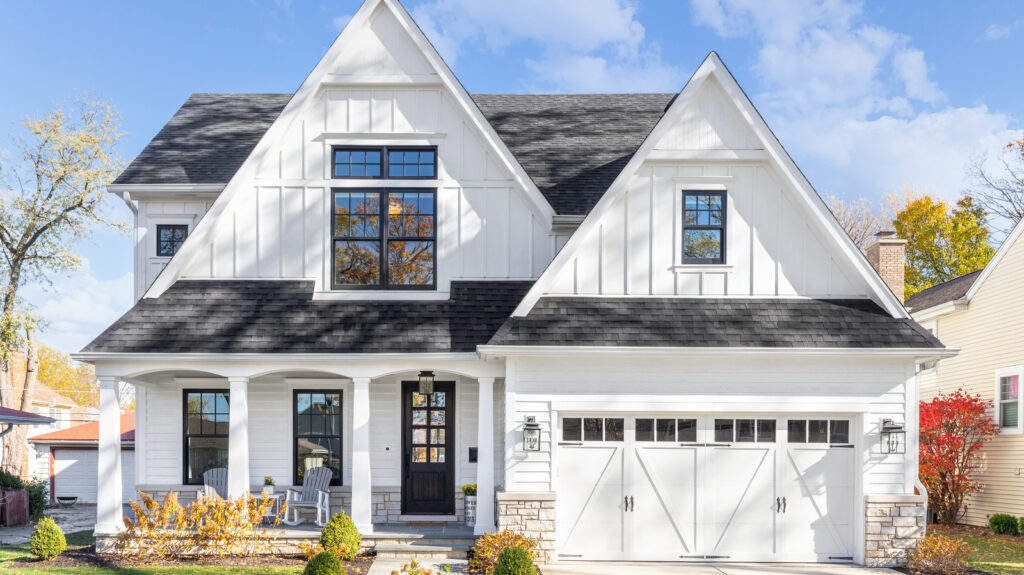
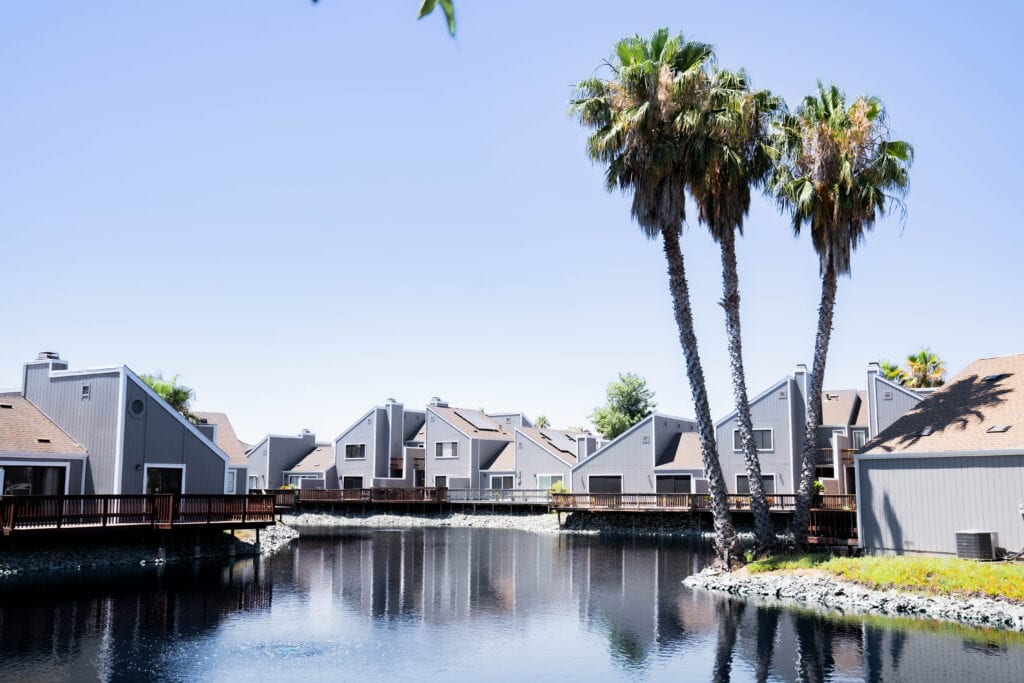
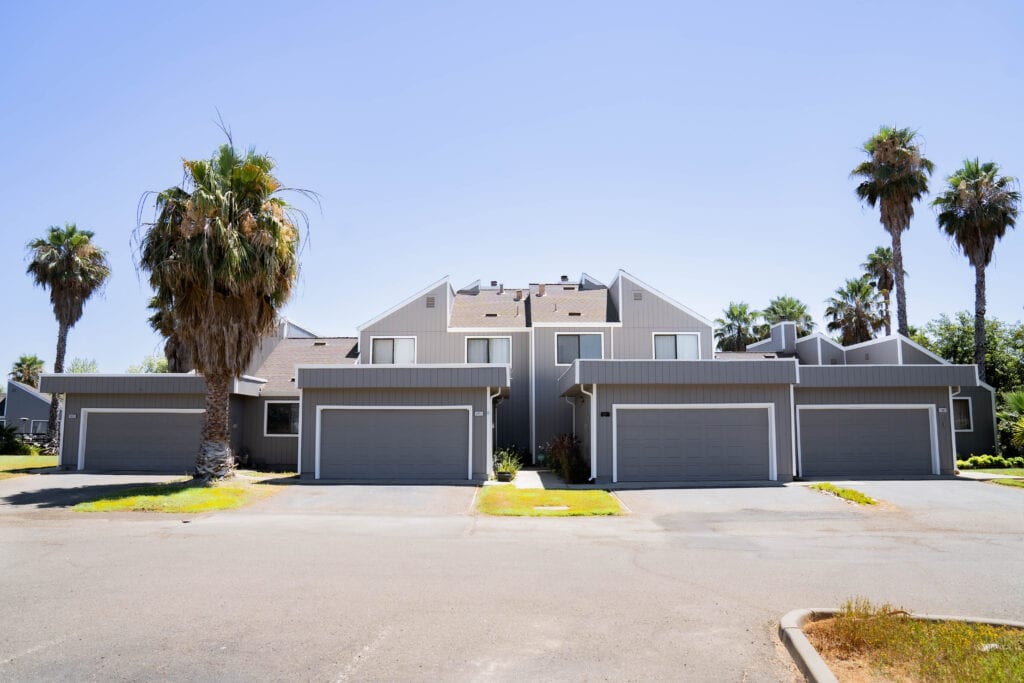
A look at homes we have re-sided and re-glazed across Sacramento, the Bay Area, and Lake Tahoe.


★★★★★ Rated 4.9 from 69 Google reviews
Heritage Exteriors is beyond exceptional. Very impressed with the timeliness, communication, and reasonable price of the whole project.
Heritage replaced my old crumbling wood siding and did a fantastic job. From the first interactions assessing the project and providing a quote, to the project itself, was all exceptional. My home looks brand new.
We recently had our house re-sided with Hardie product. We interviewed 3 companies, one of them being Heritage Exteriors. From our first meeting with David to the last day's work touching up paint, the experience was excellent.