★★★★★
Heritage Exteriors is beyond exceptional. Very impressed with the timeliness, communication, and reasonable price of the whole project.
Scott Doyen
Sacramento, CA · Google
Sacramento, CA · Google

In a California condo or planned development you usually need the association to sign off before you replace windows, and you first need to know whose windows they are. State law sets the review rules, the default split of responsibility, and from 2027 new limits on what an HOA can refuse.
Get a Free EstimateReplacing windows in a house you own outright is a decision between you and the building department. In a common interest development, which is California's term for condominiums, planned developments and similar communities, there is a third party: the association.
This page is part of our California window guide. It is general information, not legal advice. Your association's recorded declaration and rules control much of what follows, and they vary widely.
Before design review, cost or brand, find out who is responsible for the windows. The answer is in your declaration (the CC&Rs) and, where the declaration is silent, in the Davis-Stirling Common Interest Development Act.
Civil Code section 4145(b) lists what is exclusive use common area unless the declaration says otherwise. The list covers fixtures designed to serve a single separate interest but located outside its boundaries, and it names shutters, awnings, window boxes, doorsteps, stoops, porches, balconies, patios, exterior doors, door frames and hardware, screens and windows.
So in a typical condominium where the unit boundary is the interior surface of the walls, the windows are exclusive use common area by default. In a planned development of detached houses, the windows are usually part of the lot the owner owns.
Civil Code section 4775(a) sets the default, again "unless otherwise provided in the declaration":
| Area | Who maintains | Who repairs and replaces |
|---|---|---|
| Common area | Association | Association |
| Separate interest | Owner | Owner |
| Exclusive use common area | Owner | Association |
Read the bottom row twice. Under the statutory default, the owner maintains exclusive use common area windows (cleaning, lubricating, small upkeep) and the association repairs and replaces them.
Now the caution. Many declarations override this default and assign window replacement to the owner. Some assign the glass to the owner and the frame to the association. Some are silent, and some are unclear. The words "unless otherwise provided in the declaration" make your CC&Rs the first document to read, and the maintenance matrix, if your association publishes one, the second.
If the association is responsible, replacement is a reserve-funded project the board schedules for the whole building. Your role is to report failures in writing and ask where windows sit in the reserve study. If you are responsible, or you want to replace early at your own cost, you need approval, and the rest of this page applies.
Where the governing documents require association approval before an owner makes a physical change to a separate interest or the common area, Civil Code section 4765 sets minimum standards for that process. The association must:
The point about building codes matters with windows. An association cannot require a window that fails the current energy code, lacks required safety glazing, or shrinks a bedroom egress opening below what the code allows. If a design guideline written years ago specifies a product that no longer complies, the code prevails. See what Title 24 requires of replacement windows for the current figures.
Senate Bill 908 was signed on 29 September 2026 as Chapter 787 of the Statutes of 2026. It adds section 4754 to the Civil Code and takes effect on 1 January 2027. It is the first California statute aimed specifically at HOA restrictions on window replacement.
The definition is in new Government Code section 65850.73. A project qualifies if it:
Enlarging an opening or adding a window is outside the definition and stays under the ordinary rules.
Under section 4754(a), any provision of a governing document that effectively prohibits or restricts an owner from completing a residential window replacement project, or that imposes requirements on California Energy Code-compliant windows, is void and unenforceable. It applies to separate interest windows, exclusive use common area windows, and windows the documents call common area but that are designed to serve one owner's unit.
Section 4754(b) preserves two kinds of restriction:
"Significantly" is defined. It means more than 10 percent of the cost of the project as originally specified and proposed, or a decrease of more than 10 percent in its energy efficiency. A restriction may not require a material that would make the window fail the Energy Code.
If the governing documents place no reasonable restrictions on window replacement at all, the association may not put the project through design review or any other approval.
Where approval is required, the application is processed like any other architectural application under section 4765, and a project that complies with the permitted restrictions must be approved. The decision must be in writing. If the association does not approve or disapprove in writing within 45 days of receiving the application, it is deemed approved, unless the delay comes from a request for information the application required and the owner did not provide.
For windows that are exclusive use common area, or common area serving only your unit, or part of your separate interest but set in a common area building structure, section 4754(e) requires the association to approve the project if you agree in writing to:
There are continuing obligations too. You and each later owner are responsible for maintaining, repairing and replacing the new windows, for damage caused by the installation, and for disclosing the project and those responsibilities to prospective buyers. The association may record a notice against your title and may require the installer to indemnify it for damage caused by the installation.
That last trade is worth thinking through. If your declaration makes the association responsible for replacing your windows, going ahead on your own under section 4754 moves that responsibility to you and your successors.
The same bill requires cities and counties to approve qualifying window replacement projects administratively, without discretionary review or a hearing, and limits denial to cases with written findings of a specific adverse impact on public health or safety that cannot be mitigated. Buildings individually listed on the California Register of Historical Resources, and most buildings designated on a local register, are excluded. The building permit and the building codes still apply.
For applications decided before 1 January 2027, section 4765 and your governing documents are the rules. An association still has to act in good faith and within its own stated time limit. If your project is not urgent and your association's guidelines are restrictive, the calendar is a factor in when to apply.
A complete application is the difference between one review cycle and three. Include:
Submit it in a way that proves the date, since the response deadline runs from receipt.
For lining up bids for the committee, see how to compare window replacement quotes. For the permit, see permits for retrofit windows in California. If you manage a community and are planning a building-wide replacement, our property managers page is the better starting point.
We put together the product data, NFRC ratings, photos and installation details an architectural committee asks for, and we do not order windows until you have written approval. We pull the building permit and give you a copy for the association's file. Licensed in California, CSLB #1055919. Call (916) 546-2991.
Who pays to replace the windows in my condo, me or the HOA?
It depends first on your CC&Rs. If they are silent, the Civil Code supplies a default. Windows that serve one unit but sit outside its boundaries are exclusive use common area under section 4145. Under section 4775, the owner maintains exclusive use common area and the association repairs and replaces it. Many declarations change that default and put window replacement on the owner, so read yours before assuming either answer.
How long does the HOA have to answer my application?
Section 4765 requires the association's procedure to set a maximum time for response, so the number is in your governing documents, not the statute. From 1 January 2027, Civil Code section 4754 adds a hard deadline for window replacement projects. If the association does not approve or disapprove in writing within 45 days of receiving the application, it is deemed approved, unless the delay is because you did not supply information the application required.
Can my HOA make me use a specific window brand?
From 1 January 2027, restrictions on a qualifying window replacement must be reasonable, and they may not significantly increase the cost or significantly decrease the energy efficiency of the project. The statute defines significantly as more than 10 percent. A restriction also may not require a material that would make the window fail the California Energy Code. A single-brand rule that adds more than 10 percent to your cost would be hard to defend under that test.
The board said no. What can I do?
Section 4765 requires a disapproval to be in writing, to explain why, and to describe how to ask the board to reconsider. Unless the decision was made by the board itself in an open meeting, you can request reconsideration at an open board meeting. Ask in writing, bring the product data, and address the stated reason directly. If that fails, the Davis-Stirling Act has dispute resolution procedures and an attorney can advise you.
Do I still need a city permit if the HOA approves?
Yes. HOA approval and a building permit are separate. The association reviews the change under its governing documents. The city or county checks the building and energy codes. Replacement windows generally need a permit in California, and from 2027 an owner replacing exclusive-use or common-area windows must agree to obtain required permits and give the association proof.
Does the HOA have to approve windows that look different from my neighbors' windows?
Not necessarily. The 2027 law still allows reasonable aesthetic restrictions in multifamily buildings of more than 20 units that are not townhomes, where the project changes the exterior appearance of a window, as long as the combined restrictions stay inside the 10 percent limits. In practice, matching the existing frame color, grid pattern and sightlines remains the fastest route to approval anywhere.
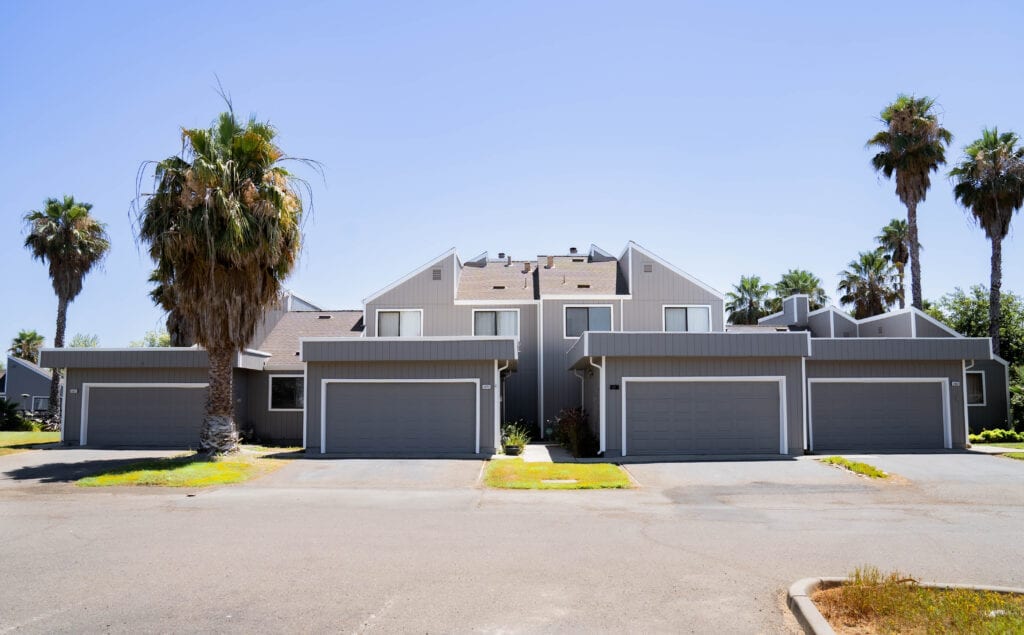
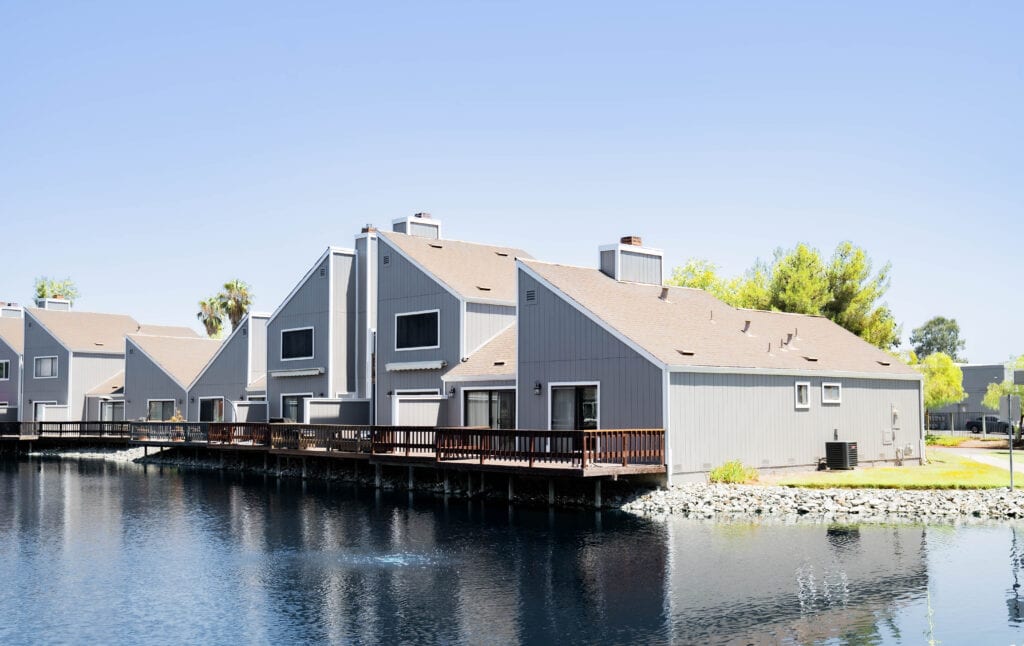
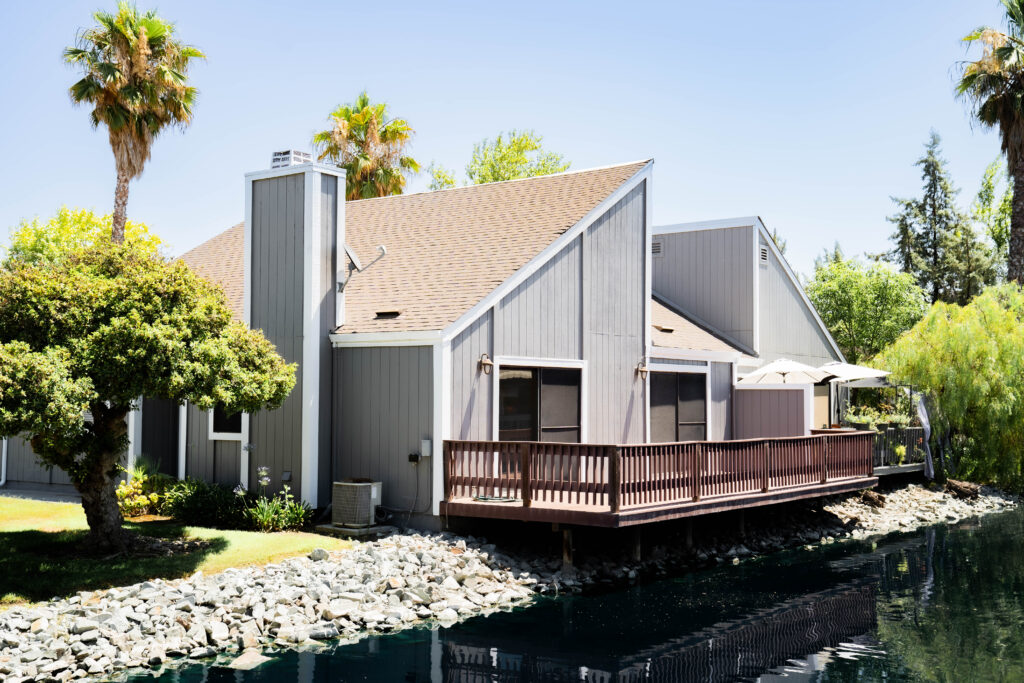
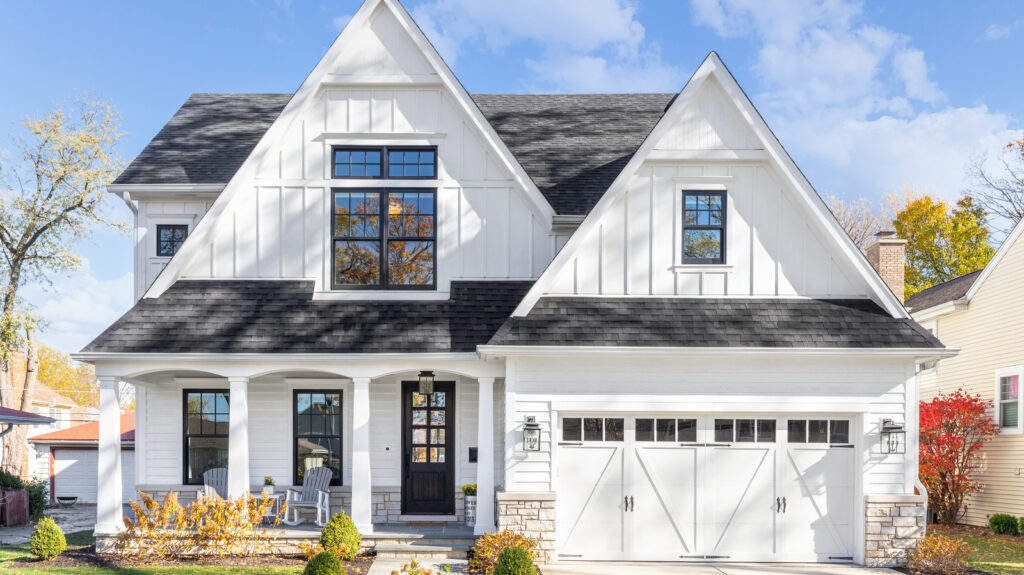
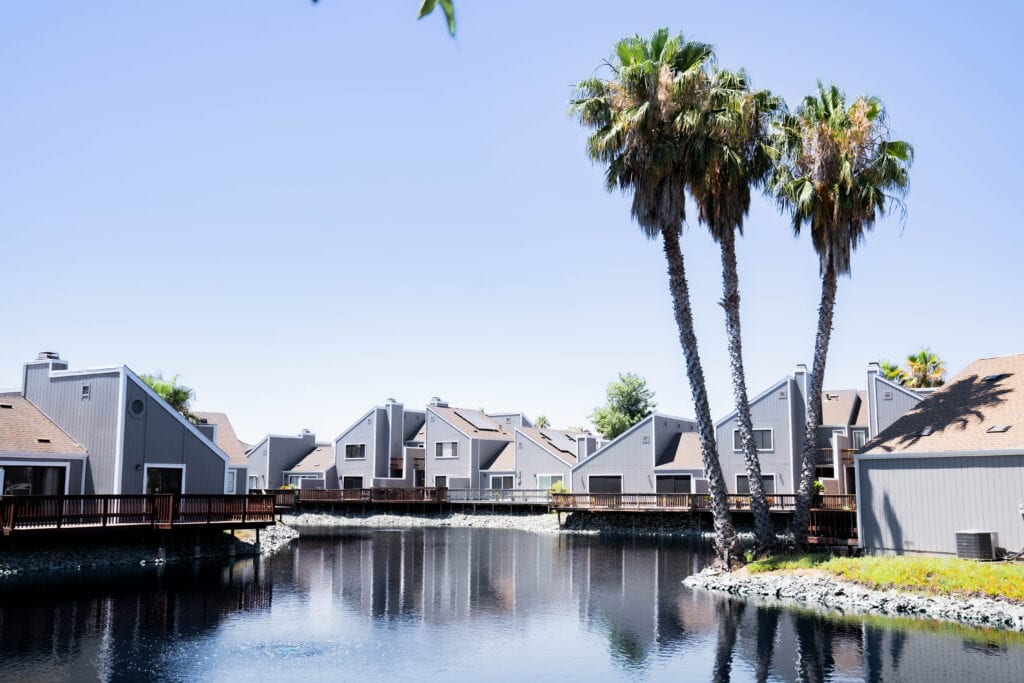
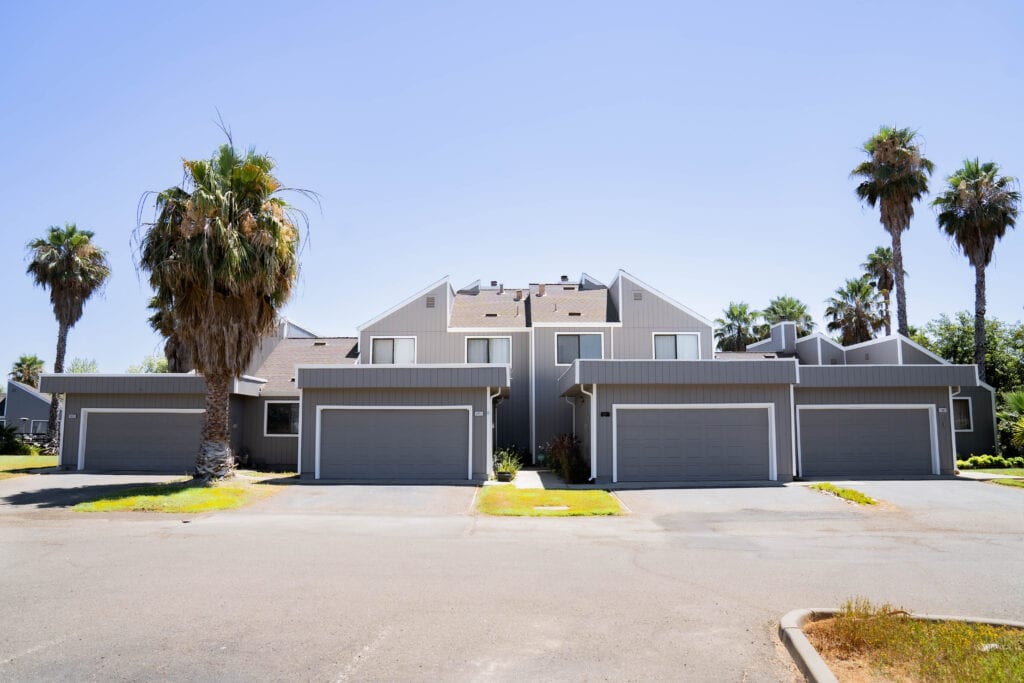
A look at homes we have re-sided and re-glazed across Sacramento, the Bay Area, and Lake Tahoe.


★★★★★ Rated 4.9 from 69 Google reviews
Heritage Exteriors is beyond exceptional. Very impressed with the timeliness, communication, and reasonable price of the whole project.
Heritage replaced my old crumbling wood siding and did a fantastic job. From the first interactions assessing the project and providing a quote, to the project itself, was all exceptional. My home looks brand new.
We recently had our house re-sided with Hardie product. We interviewed 3 companies, one of them being Heritage Exteriors. From our first meeting with David to the last day's work touching up paint, the experience was excellent.