★★★★★
Heritage Exteriors is beyond exceptional. Very impressed with the timeliness, communication, and reasonable price of the whole project.
Scott Doyen
Sacramento, CA · Google
Sacramento, CA · Google

Replacing worn windows with new ones is normally treated as maintenance, not new construction, so it should not reset your assessed value. The answer changes when the windows are part of something bigger. Here is where the State Board of Equalization draws the line.
Get a Free EstimateCalifornia homeowners guard their Prop 13 assessed value closely, and with reason. So the question comes up on almost every large window job: will this make my property taxes go up?
For a straightforward replacement, it should not. The reasoning is worth knowing, because it also tells you which projects are different.
This page is part of our California window guide. It is general information, not tax or legal advice. Your county assessor makes the determination for your property.
Under Proposition 13 (Article XIII A of the California Constitution), a property is given a base year value, and that value can only rise by a limited inflation adjustment each year. Two events let the assessor set a new value: a change in ownership and new construction.
Replacing your windows does not change who owns the house. So the whole question is whether it counts as new construction.
Revenue and Taxation Code section 70 defines it. "Newly constructed" and "new construction" mean either of two things:
Section 70(b) says what a major rehabilitation is: any rehabilitation, renovation or modernization that converts an improvement or fixture to the substantial equivalent of a new improvement or fixture.
Replacing the windows in a house does not add to it and does not change its use. The only way it could be new construction is as part of a major rehabilitation, which means work extensive enough to make the building the substantial equivalent of a new one. New windows alone do not do that to a house.
The State Board of Equalization's Property Tax Rule 463 fills in the detail, and it says so directly. Subdivision (b)(4) reads:
"Excluded from alterations that qualify as 'newly constructed' is construction or reconstruction performed for the purpose of normal maintenance and repair, e.g., routine annual preparation of agricultural land or interior or exterior painting, replacement of roof coverings or the addition of aluminum siding to improvements or the replacement of worn machine parts."
Windows are not named in the rule. But the examples show the principle: replacing a worn building component with a new one of the same kind is maintenance. A new roof covering is the closest analogy, and it is right there in the text.
The Board's public guidance on new construction goes a step further and does mention windows. Its table of work not considered new construction lists, under replacements, "wood-framed windows with energy efficient metal or aluminum frames". The same list includes replacing a central heating and cooling system, replacing galvanized water lines with copper or plastic, and replacing dry-rot or termite-damaged framing and siding.
The Board also gives a roofing example that applies by analogy. It says replacing a shake roof with a tile roof would not be considered new construction. A change of material in a replaced component did not turn it into new construction there. The same reasoning covers going from aluminum single-pane windows to vinyl or fiberglass dual-pane ones.
The exclusion covers maintenance and repair. It does not cover windows that come as part of new construction.
| Project | How it is normally treated | Why |
|---|---|---|
| Replacing existing windows, same openings | Not new construction | Normal maintenance and repair under Rule 463(b)(4) |
| Replacing windows and repairing rotted framing around them | Not new construction | The Board lists replacement of dry-rot damaged framing and siding as not new construction |
| Windows in a room addition | The addition is new construction | Section 70 covers any addition. The windows are part of its value |
| Windows in a garage converted to living space | The conversion is new construction | The Board lists garage and attic conversions to living space as new construction |
| Windows in a house rebuilt to the studs | Likely new construction | The Board lists rebuilding to the foundation or studs as new construction |
| A new window opening in an existing wall | Ask the assessor | Not a replacement. Decided case by case |
| Windows in a new accessory dwelling unit | The unit is new construction | It is an addition to the property |
The pattern is that the windows follow the project. If the project is maintenance, so are the windows. If the project is an addition, a conversion or a gut renovation, the windows are part of what is valued.
The Board notes that kitchen and bathroom work with structural changes, upgraded plumbing or electrical systems, a changed floor plan, or upgraded materials can be new construction, and that assessors decide these case by case. If you are replacing windows as part of a larger remodel, the windows are unlikely to be what tips it. The moved walls and the new square footage are.
This is the most reassuring part of the rule and the most often misunderstood. Rule 463(a) says that new construction establishes a new base year value "for only that portion of the property which is newly constructed, whether it is an addition or alteration."
So adding a room does not reassess the house. The existing house keeps its existing value. The assessor works out the value the new construction added, as of the date it was completed, and adds that to what was there.
The rule also says the amount added is the value of the alteration, "not necessarily the cost". What you paid the contractor is evidence, but it is not automatically the number.
The Board lists the ways assessors discover new construction: building permits, business property statements, government inspection records, aerial and satellite imagery, and field inspections.
Window replacement generally requires a permit in California, and your assessor may receive a copy. Some assessors follow up with a questionnaire asking what was done. Answer it accurately. "Replaced existing windows in existing openings, no change in size or location" describes maintenance.
Do not skip the permit to stay off the assessor's list. The permit is where energy code compliance and safety glazing are checked. Unpermitted work is also something a seller has to deal with later. See permits for retrofit windows in California and replacing windows before selling.
Section 70(c) covers homes damaged or destroyed by a misfortune or calamity, which matters in wildfire country. Timely reconstruction is not new construction where the rebuilt property is substantially equivalent to the property before the damage. Reconstruction that goes beyond substantial equivalence is new construction, and only the excess is given a new base year value.
New windows that meet current code in a rebuilt house are part of putting back what was there. If you are rebuilding in a fire zone, the window requirements themselves are covered on our wildfire-resistant exteriors page. Talk to your assessor's office early, because disaster relief has its own forms and deadlines.
For budgeting the job itself, see window replacement cost in Sacramento and the Bay Area. For how to pay for it, see paying for window replacement in California. One financing method, PACE, is repaid through the property tax bill. That is a private assessment for the financing and has nothing to do with your assessed value. If you are wondering whether it is time at all, how often windows should be replaced covers service life.
We write permits and contracts to describe the work as it is, which for most of our window jobs is like-for-like replacement in existing openings. If your project includes new openings or an addition, we will itemize the replacement work separately so you have clean paperwork for the assessor. Licensed in California, CSLB #1055919. Call (916) 546-2991.
Will pulling a permit for new windows raise my property taxes?
A permit by itself does not raise anything. Assessors do use building permits to find out about construction, so your assessor may see the permit and may send a questionnaire. What decides the outcome is whether the work is new construction under the law. Like-for-like window replacement is normally maintenance and repair, which is excluded. Skipping the permit to avoid the assessor does not change the tax rule, and it creates a separate problem when you sell.
My new windows are much more efficient than the old ones. Does that count as an upgrade the assessor can tax?
The Board of Equalization's own list of work not considered new construction includes replacing wood-framed windows with energy-efficient metal or aluminum frames. Better performance in a replaced component does not by itself turn maintenance into new construction. The test is whether the work converts the improvement into the substantial equivalent of a new one or changes how it is used.
What if I am adding windows that were not there before?
That is a harder call and the assessor makes it case by case. The rule treats additions and substantial alterations differently from replacing what was already there. A new opening cut into a wall is not a like-for-like replacement. If it is one window in an otherwise unchanged house, the assessable value added may be small or nothing, but ask your county assessor before you assume.
If the windows are part of an addition, is my whole house reassessed?
No. Under Property Tax Rule 463, new construction establishes a new base year value only for the portion of the property that is newly constructed. The existing house keeps its existing assessed value. The addition, including its windows, gets a value as of the date it is completed, and that is added on.
I am rebuilding after a fire. Are the new windows new construction?
Revenue and Taxation Code section 70(c) says that timely reconstruction of property damaged or destroyed by a misfortune or calamity is not new construction where the rebuilt property is substantially equivalent to what was there before. Anything beyond substantial equivalence is new construction, and only that excess gets a new base year value. Deadlines and claim forms apply, so contact your assessor early.
Who decides, and can I ask in advance?
Your county assessor decides, applying state law and Board of Equalization rules. You can call or write to the assessor's office before you build and describe the project. For a plain window replacement the answer is usually quick. For a remodel, ask how they treat the parts of the project, because a kitchen with a changed floor plan is assessed differently from new windows in the same walls.
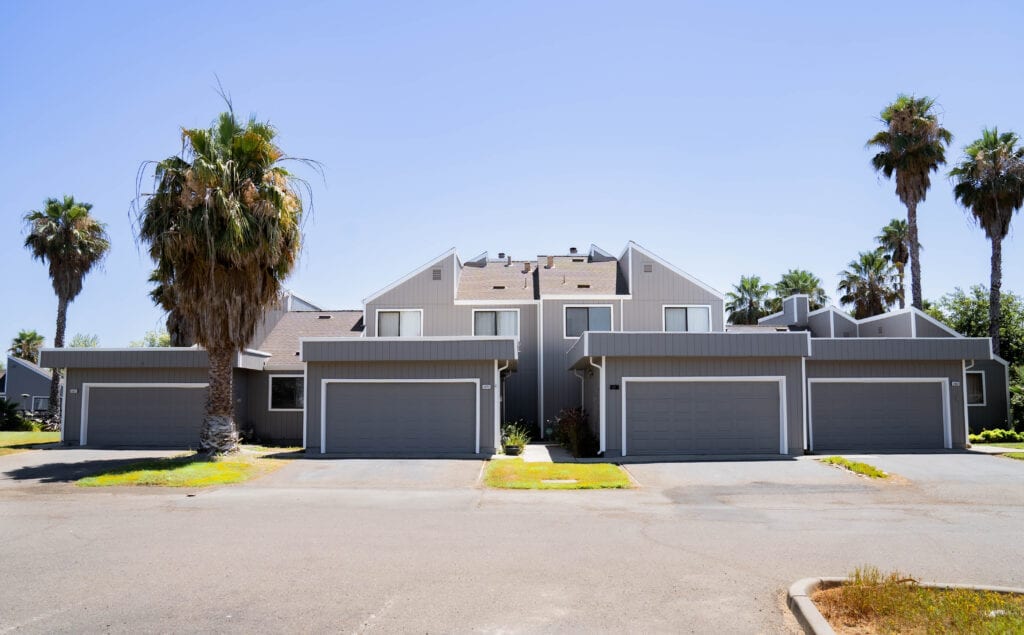
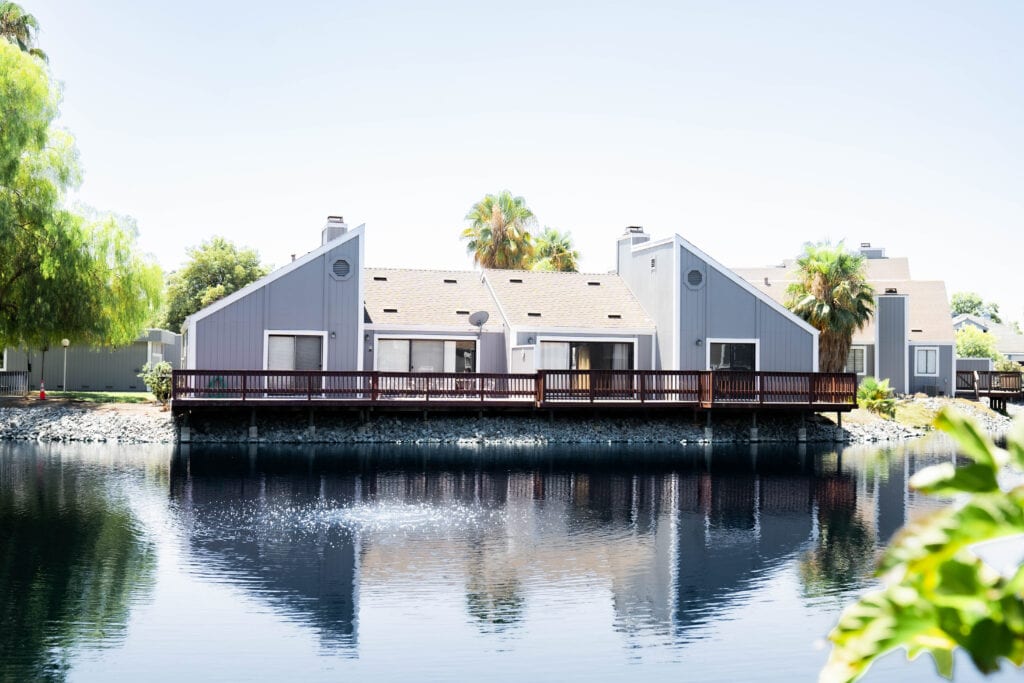
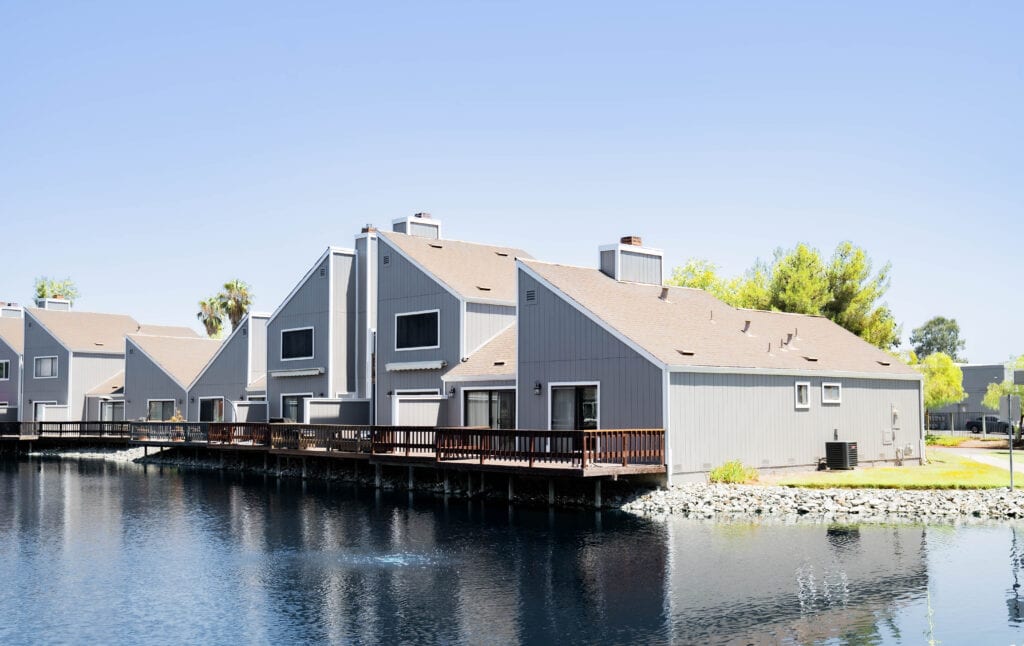
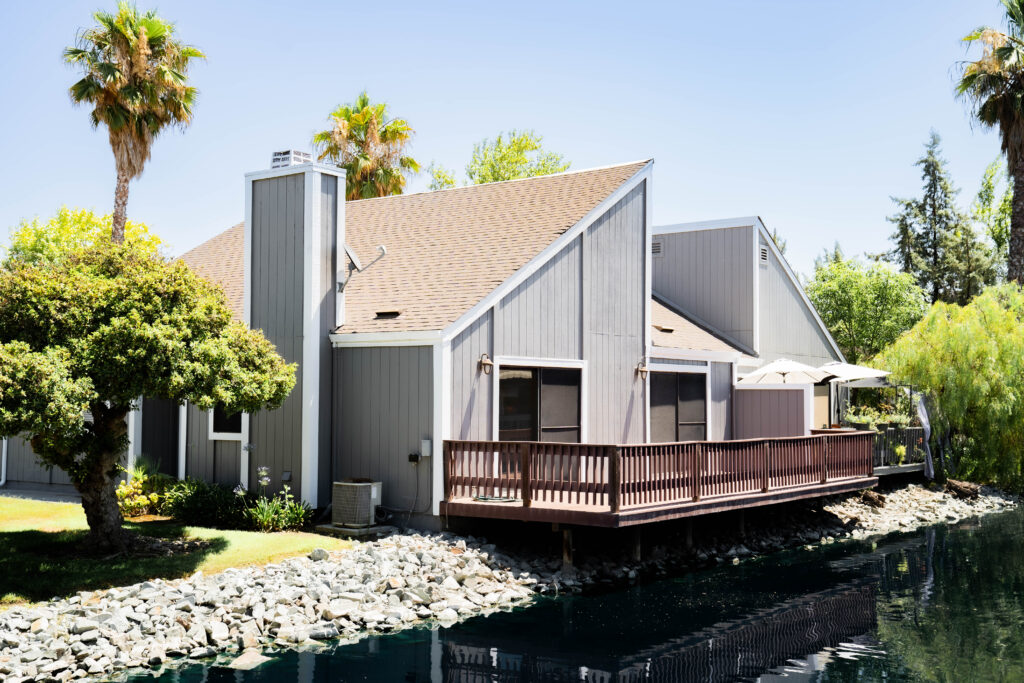
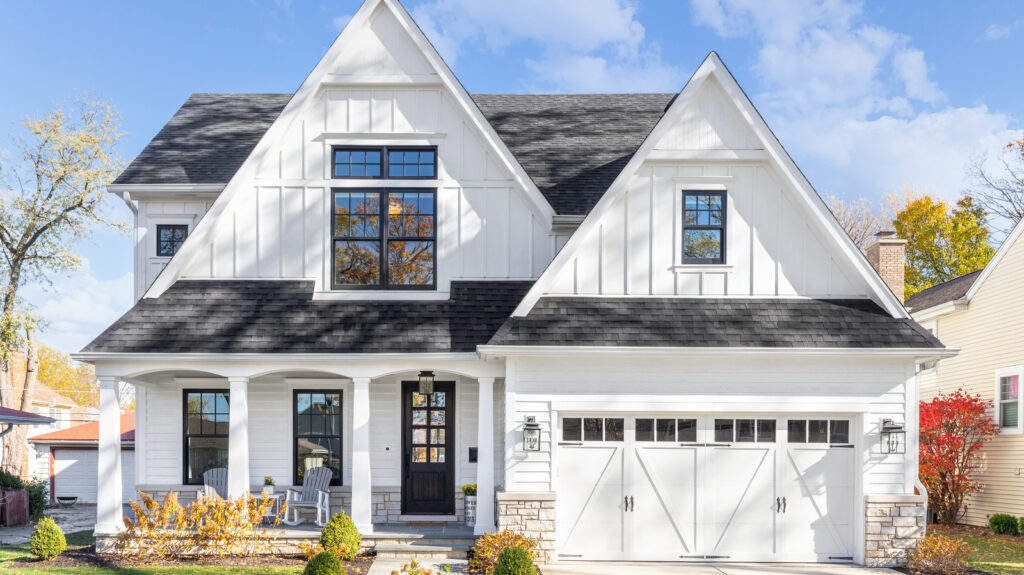
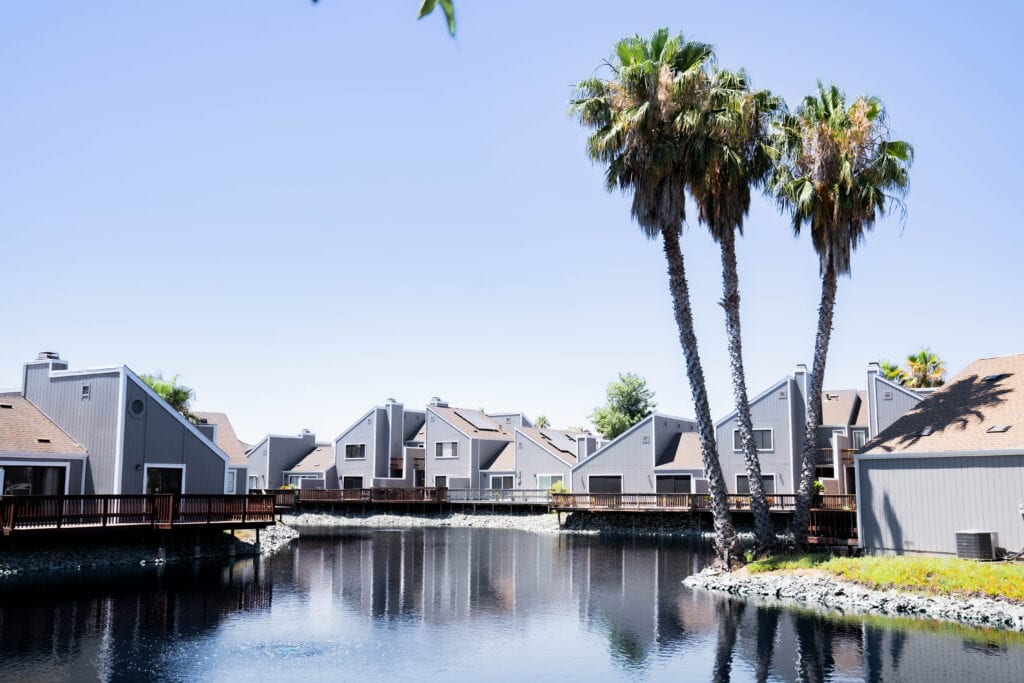
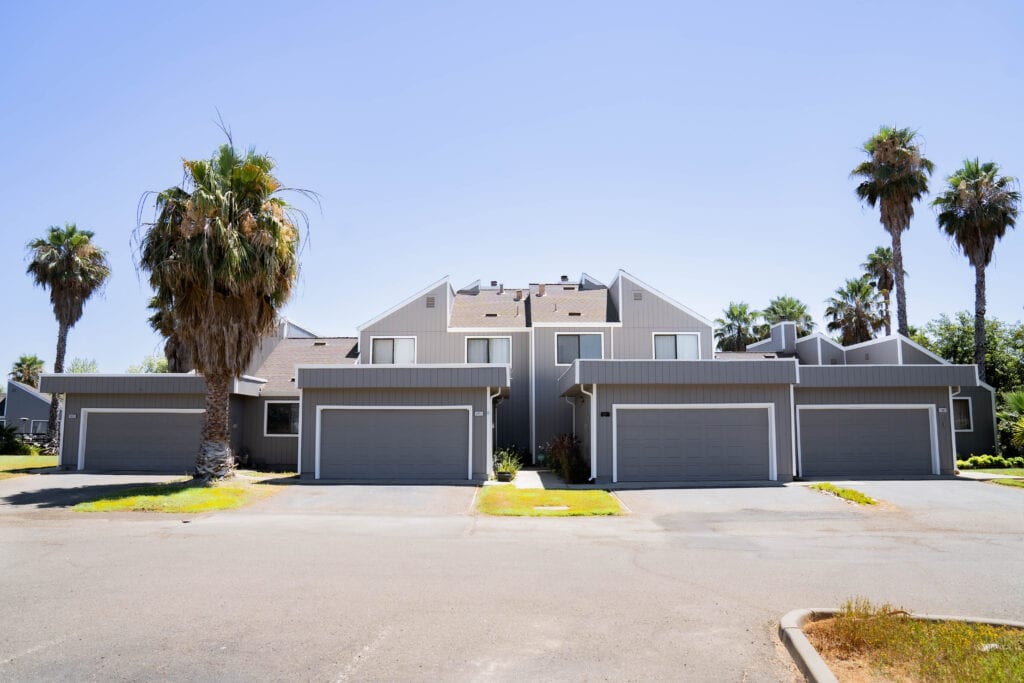
A look at homes we have re-sided and re-glazed across Sacramento, the Bay Area, and Lake Tahoe.

★★★★★ Rated 4.9 from 69 Google reviews
Heritage Exteriors is beyond exceptional. Very impressed with the timeliness, communication, and reasonable price of the whole project.
Heritage replaced my old crumbling wood siding and did a fantastic job. From the first interactions assessing the project and providing a quote, to the project itself, was all exceptional. My home looks brand new.
We recently had our house re-sided with Hardie product. We interviewed 3 companies, one of them being Heritage Exteriors. From our first meeting with David to the last day's work touching up paint, the experience was excellent.