★★★★★
Heritage Exteriors is beyond exceptional. Very impressed with the timeliness, communication, and reasonable price of the whole project.
Scott Doyen
Sacramento, CA · Google
Sacramento, CA · Google

California changed the energy requirement for replacement windows on 1 January 2026, and a lot of published advice — including advice on contractors’ own websites — still quotes the old number. If you are comparing quotes, this is the figure to check them against.
Get a Free EstimateMost homeowners meet Title 24 as a line on a quote, or as a reason a contractor gives for a price. It is worth understanding for one practical reason: the number changed at the start of 2026, and a quote built on the old figure is a quote for a window that no longer complies where you live.
The 2025 Building Energy Efficiency Standards — Title 24, Part 6 — apply to work whose permit application is submitted on or after 1 January 2026. Replacing windows in an existing home is an alteration, and the prescriptive requirements for altered fenestration are:
| Your city | Climate zone | Max U-factor | Max SHGC |
|---|---|---|---|
| Sacramento, Davis, Folsom, Walnut Creek | 12 | 0.27 | 0.23 |
| Roseville, Chico | 11 | 0.27 | 0.23 |
| Napa, Santa Rosa | 2 | 0.27 | 0.23 |
| San Francisco | 3 | 0.27 | — |
| Truckee, South Lake Tahoe | 16 | 0.27 | — |
Every market we work in sits in the group where the maximum U-factor moved from 0.30 to 0.27. If you are outside these cities, the California Energy Commission publishes an address lookup tool and a climate zone list by ZIP code.
The two figures measure different things. U-factor is how much heat passes through the whole window assembly — lower is better, and it matters most on cold mornings. SHGC is how much of the sun's heat comes through the glass — lower blocks more, which is what matters through a Sacramento Valley summer. There is no SHGC requirement in San Francisco or at Tahoe because the cooling load there does not justify one.
This is the part that rarely gets mentioned and often saves money. Replacing 75 square feet or less of vertical fenestration may be done at a maximum U-factor of 0.40 and a maximum SHGC of 0.35.
Seventy-five square feet is a meaningful allowance — a typical bedroom window is somewhere around 12 to 15 square feet, so this covers roughly five or six average windows. If you are replacing a handful rather than the whole house, ask whether your job falls inside the exception before accepting a specification written for a full-house replacement.
Two caveats worth stating. The exception is about the prescriptive standard; the window still has to meet the mandatory requirements. And if you are likely to do the rest of the house within a few years, matching may matter more to you than the saving.
Be wary of "Title 24 compliant" as an unqualified claim. Compliance is zone-specific, so the phrase without a zone tells you nothing. A contractor who cannot say which zone your house is in has not checked.
Because the requirement is fixed by the permit application date rather than the installation date, a quote prepared from a specification written in 2025 can be for windows that were compliant when the document was drafted and are not now. This is not usually dishonesty — it is a stale reference sheet. It is also why a great deal of published guidance still says 0.30, including, until recently, several pages on this site. We corrected ours; it is reasonable to ask a contractor to confirm theirs.
Replacement windows generally require a permit, and the permit is where compliance is demonstrated. Our page on permits for retrofit windows in California covers the process. For the wider regulation, see what Title 24 is. If you manage an apartment community rather than a house, the multifamily version is at Title 24 compliance for multifamily window replacement.
Figures on this page are from the California Energy Commission: the 2025 Building Energy Efficiency Standards for the effective date, the Single-Family Residential Compliance Manual for the 2025 standards (CEC-400-2025-005) for the alteration requirements and the 75-square-foot exception under Section 150.2(b)1B, and the Commission's Building Climate Zones by ZIP Code list for zone assignments. Requirements change each code cycle — confirm the current standard with your building department before specifying.
We specify replacement windows to the current standard for your zone and pull the permit as part of the job, and our quotes show the performance figures rather than asserting compliance. Licensed in California, CSLB #1055919. Call (916) 546-2991.
What changed on 1 January 2026?
The 2025 Building Energy Efficiency Standards took effect. For alterations — which is what replacing windows in an existing house is — the prescriptive maximum U-factor dropped from 0.30 to 0.27 in climate zones 1 to 5, 11 to 14 and 16. Zones 6 to 10 and 15 stayed at 0.30. The requirement applies according to when the permit application is submitted, not when the work happens.
What are the numbers for my area?
Sacramento, Davis, Folsom and Walnut Creek are Climate Zone 12: maximum U-factor 0.27, maximum SHGC 0.23. Roseville and Chico are Zone 11, with the same figures. Napa and Santa Rosa are Zone 2, also the same. San Francisco is Zone 3 and Truckee and South Lake Tahoe are Zone 16 — both have a maximum U-factor of 0.27 and no prescriptive SHGC requirement at all.
I am only replacing two windows. Does all this apply?
Possibly not at the full standard. There is an exception for replacing 75 square feet or less of vertical fenestration, which may be done at a maximum U-factor of 0.40 and a maximum SHGC of 0.35. Most small jobs — a few windows rather than a whole house — fall inside it. It is worth knowing, because a small job specified to the full standard costs more than it needs to.
How do I check a window a contractor has quoted?
Both numbers are on the NFRC label: U-factor and SHGC, as certified figures. Ask for the specific product’s label or spec sheet and compare it against the figure for your zone. Treat "Title 24 compliant" on its own as meaningless — the phrase has no content without a climate zone attached to it.
What if the window I want misses the number?
There is a performance compliance path, where the house as a whole is shown to perform at least as well as it would if every component met the prescriptive figure. It needs modelling and it costs more in paperwork, but it exists precisely so a project is not blocked by one component. Ask about it before giving up on a product.
Does a retrofit installation avoid the requirement?
No. The requirement is a property of the window, not of how it is installed, so retrofit and full-frame are held to the same figure. What the installation method affects is the opening size and the flashing — not compliance. Call (916) 546-2991 if you want a quote that shows the figures rather than asserting them.
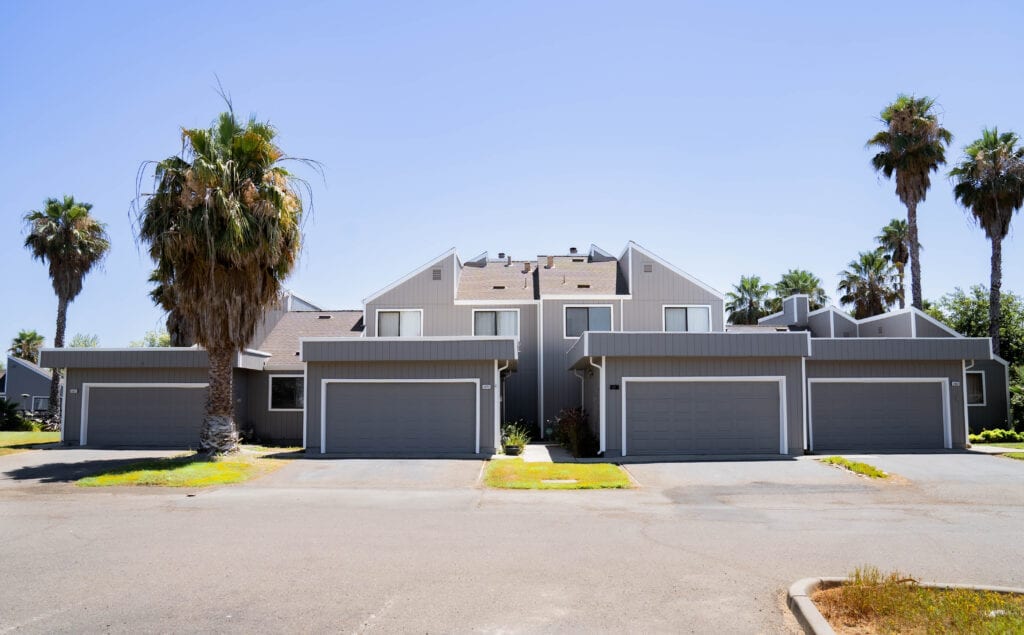
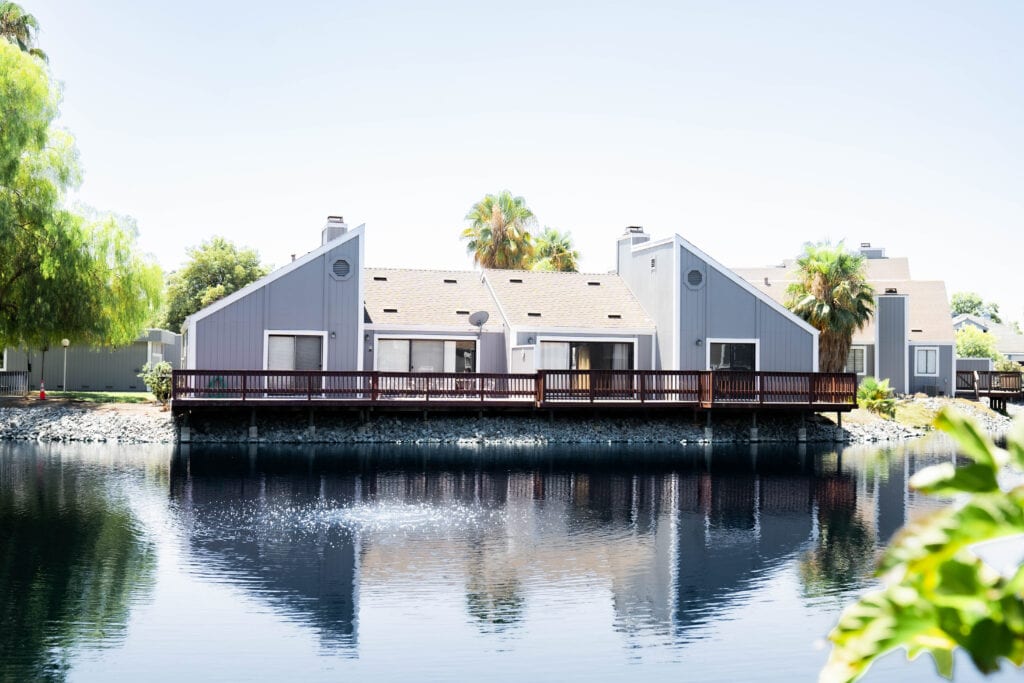
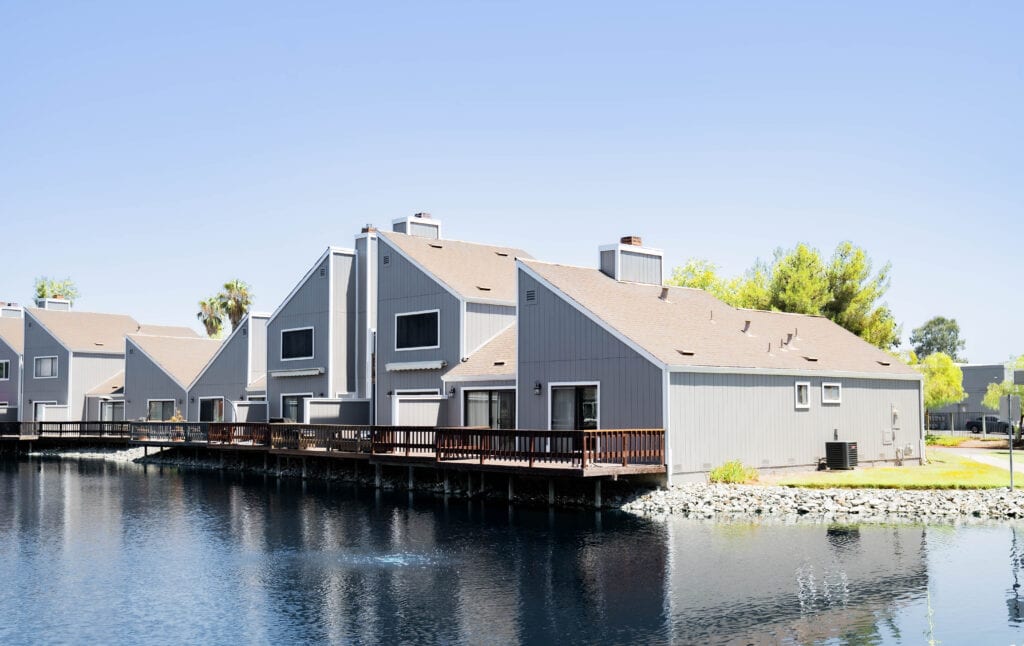
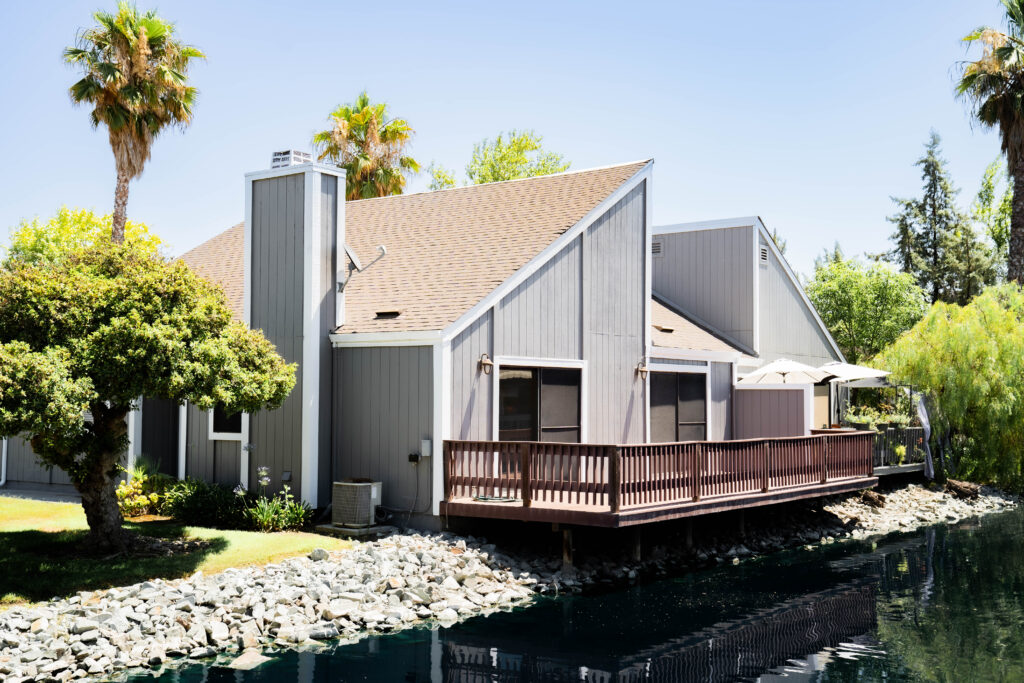
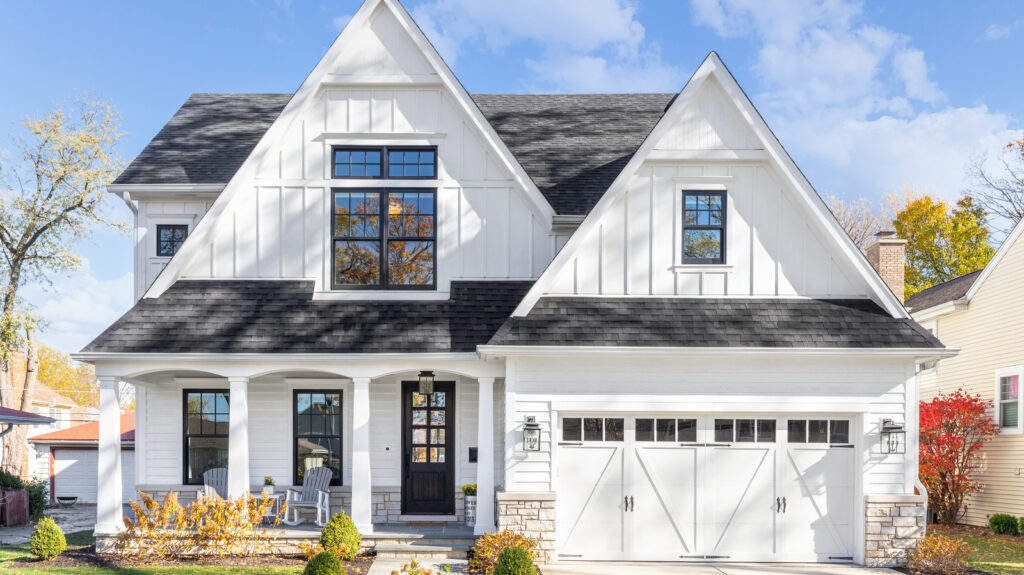
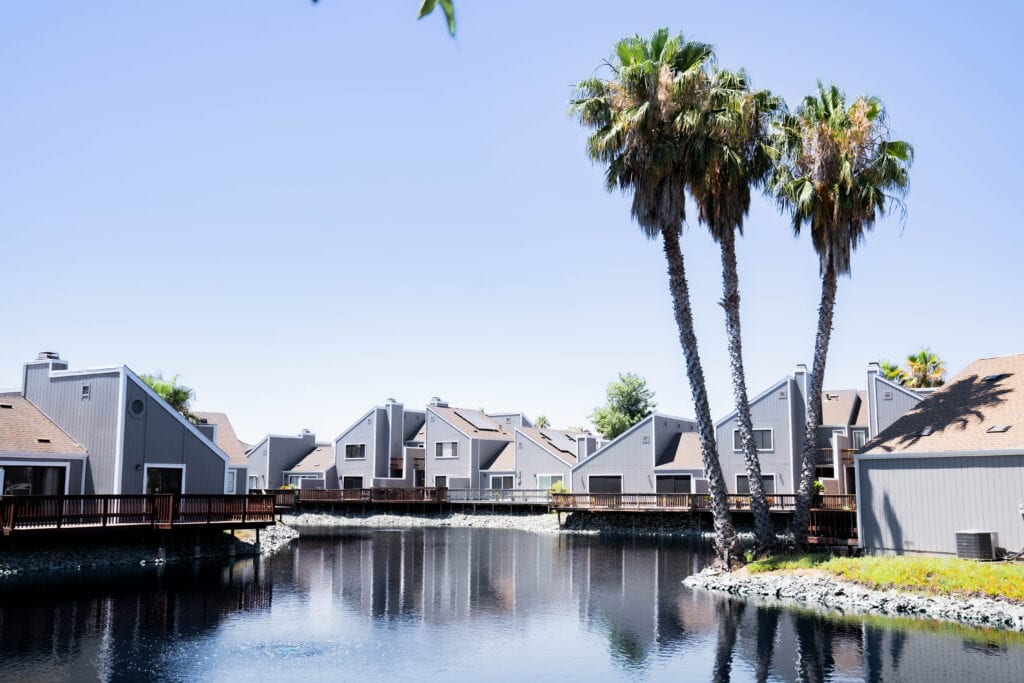
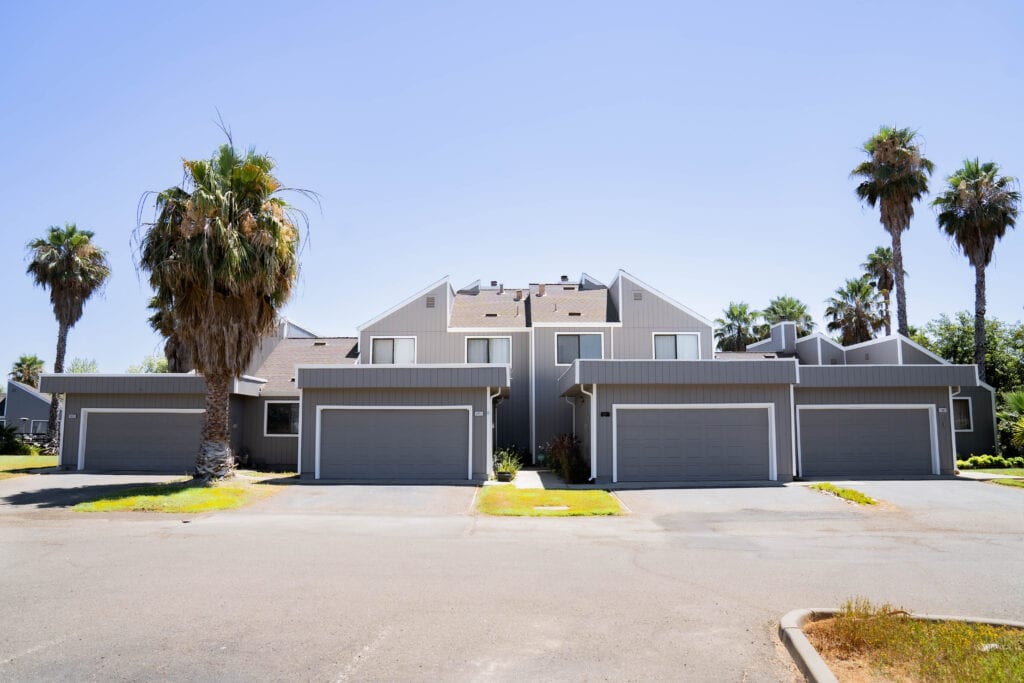
A look at homes we have re-sided and re-glazed across Sacramento, the Bay Area, and Lake Tahoe.

★★★★★ Rated 4.9 from 69 Google reviews
Heritage Exteriors is beyond exceptional. Very impressed with the timeliness, communication, and reasonable price of the whole project.
Heritage replaced my old crumbling wood siding and did a fantastic job. From the first interactions assessing the project and providing a quote, to the project itself, was all exceptional. My home looks brand new.
We recently had our house re-sided with Hardie product. We interviewed 3 companies, one of them being Heritage Exteriors. From our first meeting with David to the last day's work touching up paint, the experience was excellent.