★★★★★
Heritage Exteriors is beyond exceptional. Very impressed with the timeliness, communication, and reasonable price of the whole project.
Scott Doyen
Sacramento, CA · Google
Sacramento, CA · Google

Glass that tints on command and windows that close themselves when it rains both exist. Whether either belongs in your replacement project is a different question, and the honest answer is: sometimes, for a few openings.
Get a Free Estimate"Smart windows" is a marketing umbrella over four different things: glass that changes tint, windows that open and close by motor, sensors that report whether a window is open or locked, and blinds built into the glass. They differ enormously in cost, maturity and how well they fit a replacement project. This page takes each in turn. It is part of our California window guide.
Our position up front: for most houses, none of this beats a well-chosen ordinary window. The exceptions are specific openings with a specific problem.
California's Energy Code has a name for glass that changes its properties: chromogenic glazing. The family has three members.
The appeal is real. A window that can go from clear to deeply tinted removes the need to choose between a view and a cool room. SageGlass, one of the long-established manufacturers, publishes a range for a typical double-glazed unit of 60 percent visible light transmission when clear down to 1 percent when fully tinted, with the solar heat gain coefficient moving from 0.41 to 0.09. For comparison, the fixed SHGC maximum for replacement windows across most of California is 0.23. Fully tinted, electrochromic glass blocks far more solar heat than conventional glass, and when clear it admits far more.
We are deliberately not quoting tint speeds or prices. They vary by product and size and we have not verified current figures.
A custom home or a major remodel with a wall of west-facing glass and a view worth keeping, where exterior shading is not possible and the wiring can be designed in. That is a project with an architect and a specialty glazing contractor. It is not a like-for-like window replacement.
For the same hot west-facing room, in order of how often we would recommend them:
A motorized window uses an electric operator in place of the crank or the hand. Motors suit windows that swing on hinges, which is why the products that exist are mostly casements, awnings and skylights, plus large sliding doors.
The clearest current example from a mainstream window manufacturer is Marvin's Connected Home line: an automated casement, an automated awning and an automated multi-slide door, all in Marvin's Modern collection. Marvin says integrated sensors close the windows automatically when moisture is detected or power is lost, that pinch detection stops a window closing on an obstruction, and that the units can be run from on-unit controls, an app, a wall switch, a voice assistant or a home automation system such as Crestron or Control4.
That list tells you who the product is for. It is a premium line, offered in one collection, aimed at new custom homes with an integrator on the project. Other manufacturers sell add-on power operators for particular awning and casement windows, and some of those carry restrictions on older units or on installations near the coast.
Sleeping rooms generally need an emergency escape and rescue opening, and for most houses that opening is a window. The 2025 California Residential Code, Section R319 (formerly R310), requires that such openings be operational from the inside of the room without the use of keys, tools or special knowledge.
A motorized window that opens fully by hand as well satisfies the plain reading of that. One that needs power, a code or an app to open is a problem. We would not put a motorized unit in a required escape opening without the building department's agreement in writing. The same goes for any motorized shade or screen that covers one.
This is the modest, useful end of smart windows. A contact sensor reports whether a window is open or closed; some also report whether it is locked. They come two ways: built into the window at the factory, or as small wireless add-ons stuck to the frame of any window.
The value is practical. You can check from bed whether the downstairs windows are shut, and an alarm system knows what is open. Sensors do not make a window harder to force, though. The lock, the glass and the frame do that, and they are covered in window security in California.
One caution: do not let anyone drill into a new window frame to mount an aftermarket sensor without checking the window warranty first. Adhesive-mounted sensors avoid the question.
Several manufacturers build a blind or shade into the window, behind a pane of glass where it cannot be touched. Pella, for example, offers between-the-glass blinds and shades on its Lifestyle Series, promoted as cordless and protected from dust and damage.
The real advantages are the ones Pella lists: nothing to dust, nothing for a pet to shred, and no cords. That last point is a safety feature in a house with small children; see window fall prevention and child safety for why cords matter.
The trade-offs are just as real:
Replacement windows in California have to meet a maximum U-factor and, in most climate zones, a maximum SHGC, shown by the NFRC label on the product. Our page on Title 24 requirements for replacement windows has the figures by zone.
For dynamic glass, the 2025 Energy Code has a specific provision. It defines chromogenic glazing, and an exception in the residential prescriptive requirements (Exception 4 to Section 150.1(c)3A) provides that for fenestration with chromogenic glazing the lower-rated labeled U-factor and SHGC are used, on condition that the glazing has automatic controls to modulate solar gain and light. Chromogenic glazing is considered separately and may not be area-weighted with ordinary windows.
Two practical consequences. First, the benefit depends on automatic control: glass you tint by hand when you remember to does not get credit as if it were always tinted. Second, this is a compliance question for whoever prepares the energy documentation, and a project with dynamic glass should have that person involved before anything is ordered.
Motors and sensors do not change the label figures at all. A motorized casement is rated like the manual one.
| Technology | Retrofit replacement (walls stay closed) | Full-frame replacement or remodel | New custom home |
|---|---|---|---|
| Electrochromic glass | Not realistic | Possible for a few openings, with a specialist | Realistic if designed in |
| Motorized operators | Difficult; wiring means opening walls | Realistic for selected windows | Realistic |
| Add-on wireless sensors | Easy | Easy | Easy |
| Factory-built sensors | Only on lines that offer them | Only on lines that offer them | Only on lines that offer them |
| Blinds between the glass | Possible, if the line offers a retrofit frame | Realistic | Realistic |
| Motorized interior shades | Easy with battery power | Easy; can be hard-wired | Easy |
The difference between the first two columns is explained in retrofit windows. If smart features matter to you, they are a reason to decide the installation method early.
We install windows, not home automation systems, and we will say so when a request needs an integrator or a glazing specialist we are not. What we can do is tell you which openings would justify a motor or a built-in blind, plan the installation so the wiring is possible, and make sure the windows themselves meet the code without relying on the gadgetry. Licensed in California, CSLB #1055919. Call (916) 546-2991.
Can I get electrochromic smart glass for a house?
In principle yes, in practice rarely. The established electrochromic glass makers sell mainly into commercial and multifamily buildings, and the glass needs low-voltage wiring and a control system at every pane. For a typical replacement project a low solar gain Low-E glass package plus good shading does the same job with nothing to wire or maintain.
Is smart glass the same as privacy glass that turns frosted?
No. Electrochromic glass tints darker to control sun and glare but stays see-through. Switchable privacy glass, which flips between clear and frosted, is a different technology made for privacy rather than heat control. For a bathroom or entry, permanently obscure glass does that job with no wiring at all.
Do motorized windows need an electrician?
Yes. A motorized operator needs power at the window, which means running low-voltage or line-voltage wiring through the wall to each unit. In a full-frame replacement with the wall open, that is manageable. In a retrofit installation that leaves the stucco and drywall untouched, it means opening finished walls, and the electrical work needs its own permit.
What happens to a motorized window in a power outage?
It depends on the product. Marvin says its automated casement and awning windows close automatically when power is lost. Others may simply stop where they are. Ask the question for the specific product, and ask how the window is opened by hand if the motor or its controls fail.
Do blinds between the glass count toward Title 24 compliance?
Compliance is based on the NFRC-certified U-factor and SHGC of the window as labeled. Do not assume a built-in blind changes those figures in your favor. Ask for the NFRC label of the exact configuration, and treat the blind as a convenience and privacy feature.
Can I put a motorized window in a bedroom?
Be careful. A bedroom usually needs an emergency escape and rescue opening, and the California Residential Code requires that opening to be operational from inside without keys, tools or special knowledge. A window that depends on power or an app to open may not satisfy an inspector. Raise it with the building department before ordering.
What is the simplest smart upgrade that actually helps?
Contact sensors on ordinary windows, tied to an alarm or home system, so you know what is open. They need no wiring and do not change the window. After that, motorized interior shades on hard-to-reach glass. Call (916) 546-2991 if you would like to talk through which openings, if any, justify more than that.
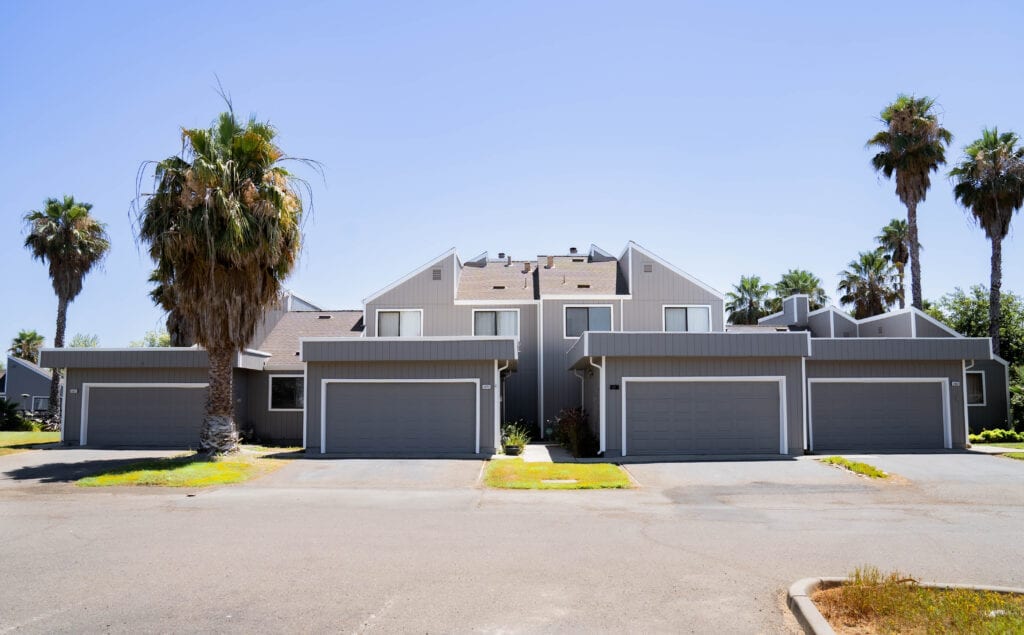
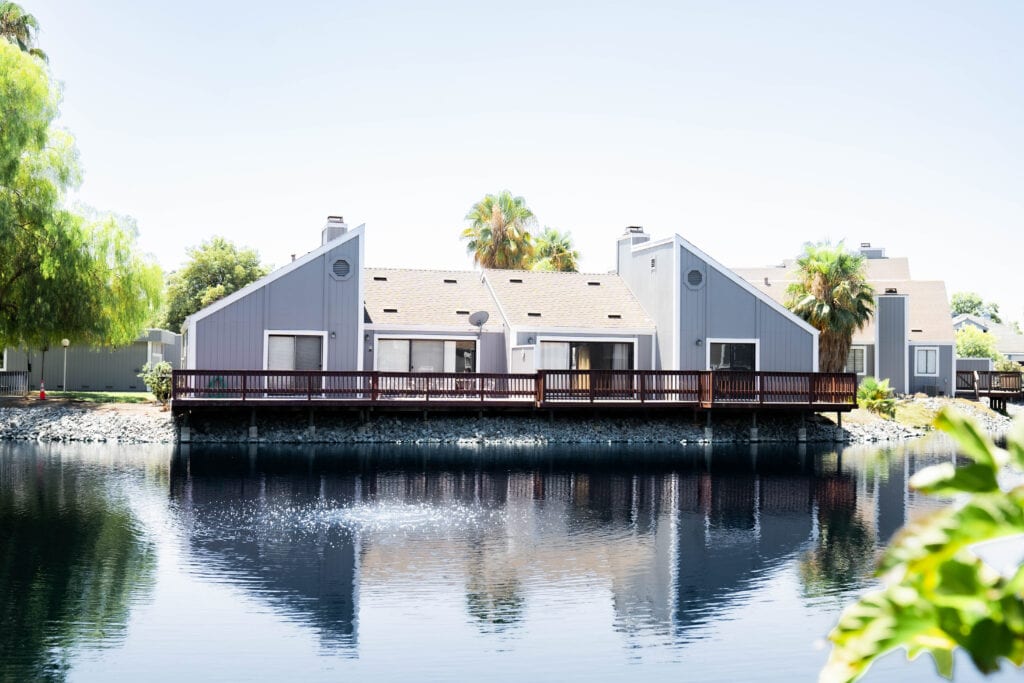
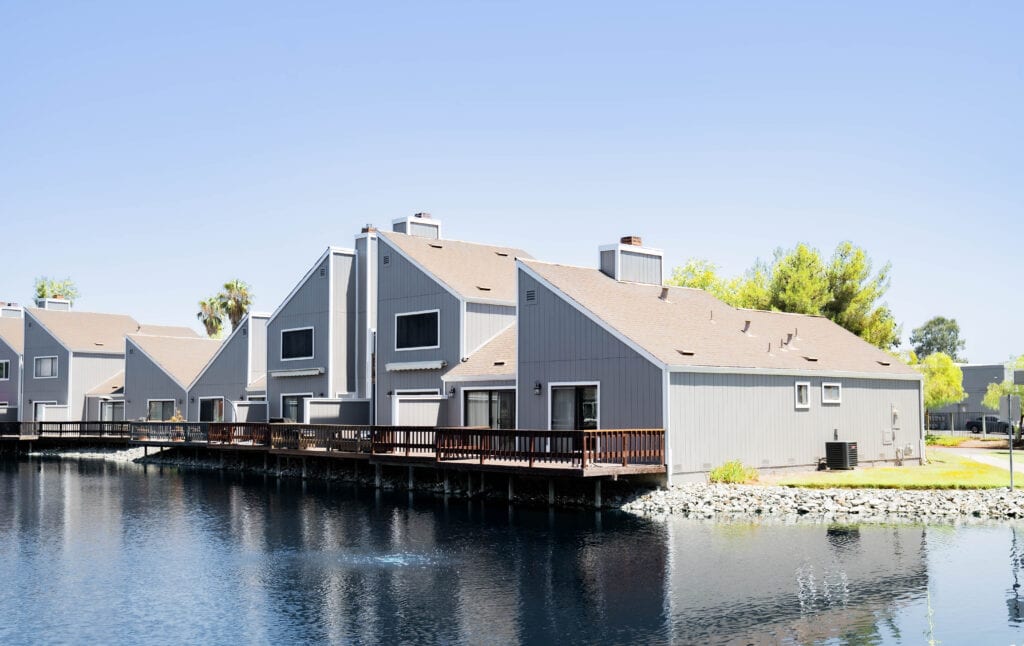
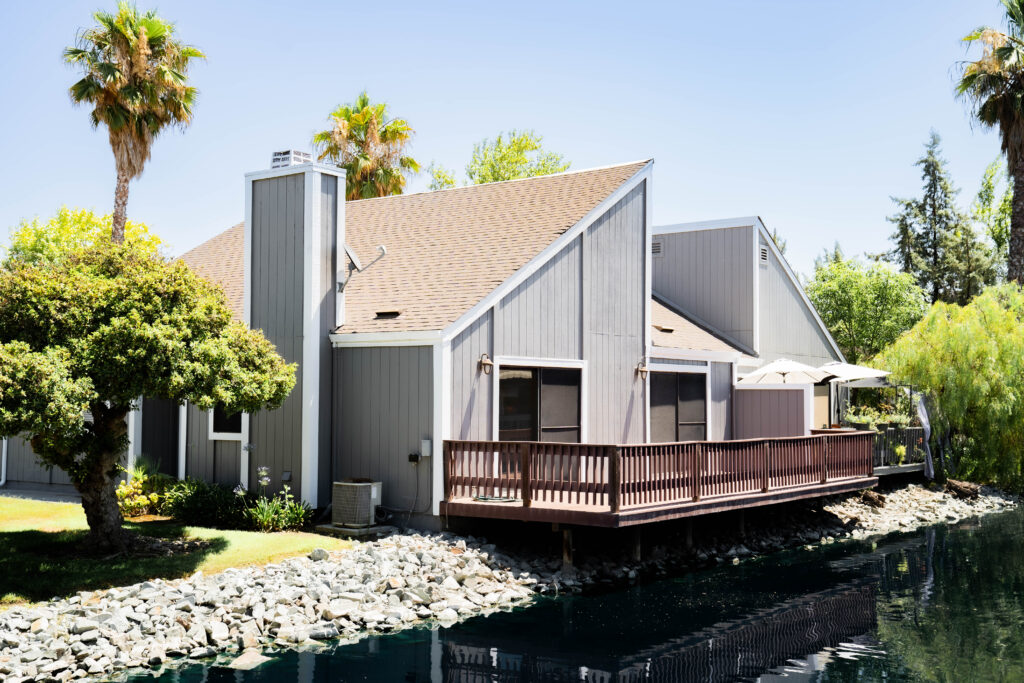
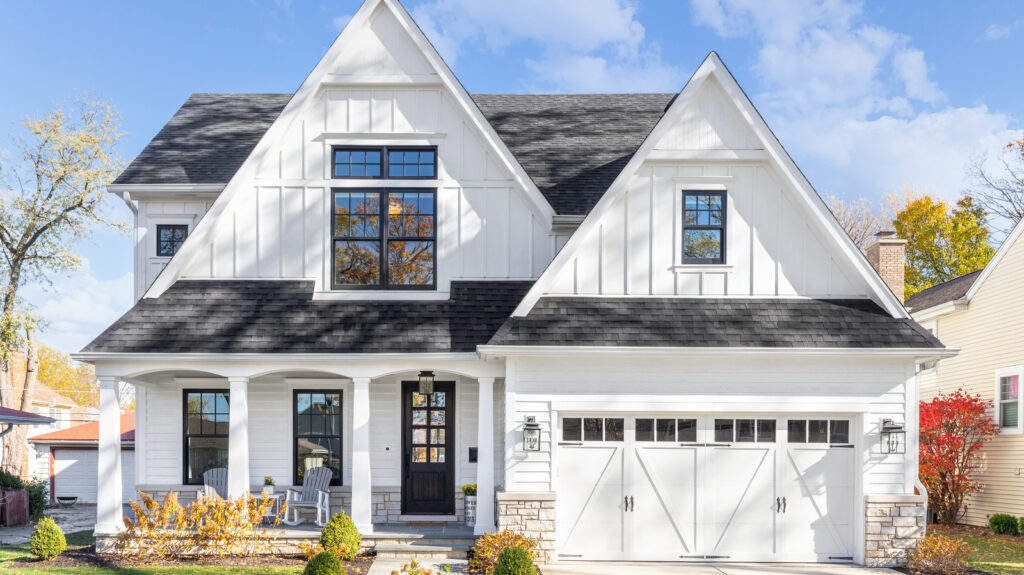
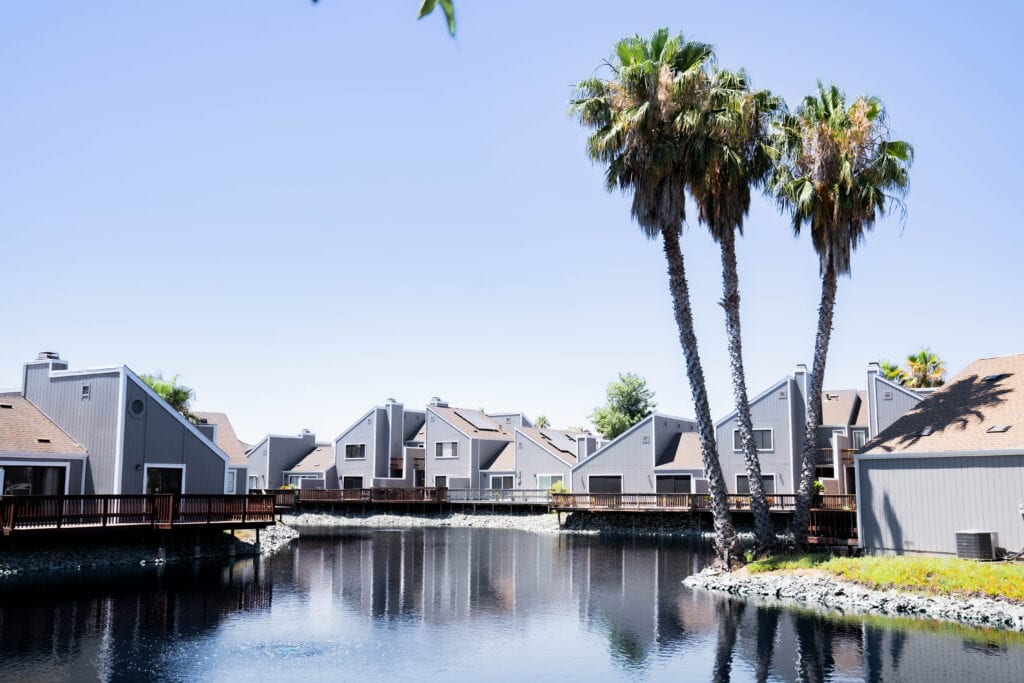
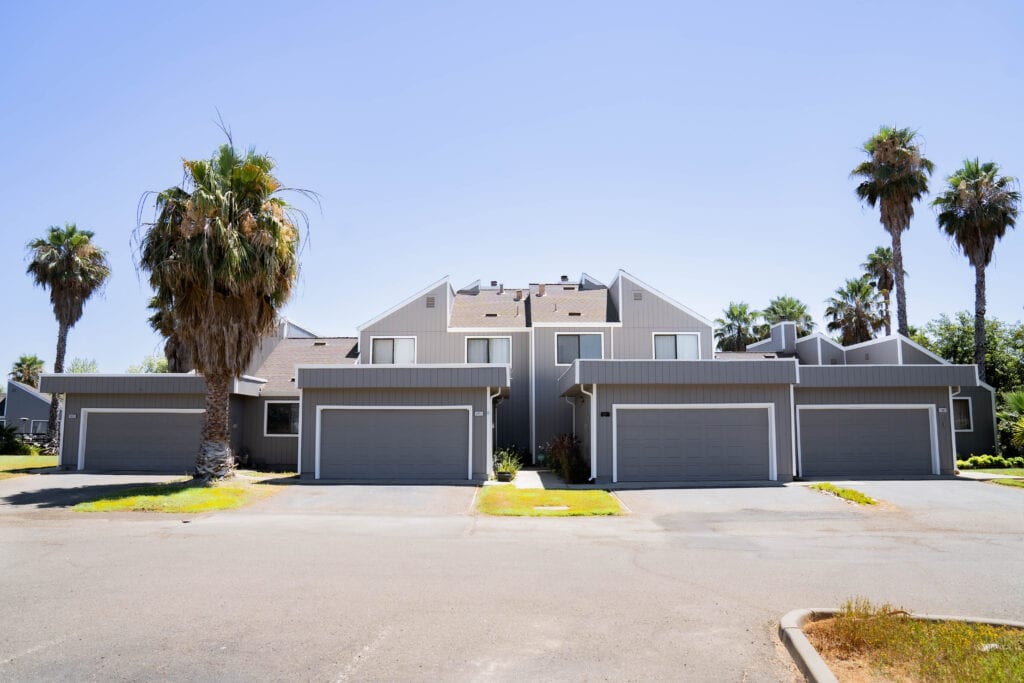
A look at homes we have re-sided and re-glazed across Sacramento, the Bay Area, and Lake Tahoe.

★★★★★ Rated 4.9 from 69 Google reviews
Heritage Exteriors is beyond exceptional. Very impressed with the timeliness, communication, and reasonable price of the whole project.
Heritage replaced my old crumbling wood siding and did a fantastic job. From the first interactions assessing the project and providing a quote, to the project itself, was all exceptional. My home looks brand new.
We recently had our house re-sided with Hardie product. We interviewed 3 companies, one of them being Heritage Exteriors. From our first meeting with David to the last day's work touching up paint, the experience was excellent.