★★★★★
Heritage Exteriors is beyond exceptional. Very impressed with the timeliness, communication, and reasonable price of the whole project.
Scott Doyen
Sacramento, CA · Google
Sacramento, CA · Google

Wood and vinyl insulate about equally well, so this is rarely an energy decision. It is a decision about how the house should look, how much maintenance you will really do, and what the weather on your side of the state does to an exposed sash.
Get a Free EstimateThis comparison used to be simple. Wood was the traditional window and vinyl was the budget replacement. Both have changed. Most wood windows now come with a clad exterior that removes much of the painting, and vinyl has moved well beyond the chalky white slider. This page, part of our California window guide, sets the two side by side as they are sold today.
Both wood and vinyl are poor conductors of heat, which is what you want in a frame. The Efficient Windows Collaborative, run by the National Fenestration Rating Council, puts wood frame U-factors in the range of roughly 0.3 to 0.5 and describes vinyl as comparable with wood. Some vinyl and fiberglass frames add insulation in their hollow chambers; wood is solid, so there are no cavities to fill.
What that means in practice: once you put the same low-E insulated glass in each, the whole-window numbers land near each other. The glass package decides whether a window meets California's standard, and both materials can get there. The figures for your climate zone are on our Title 24 replacement window page, and how to read an NFRC label shows where to find them on a specific product.
From inside the room, a wood window is furniture. It can be stained to match trim and flooring or painted any color, and repainted when your taste changes. Profiles can be deeper and more detailed, and true-to-period proportions are easier to achieve: narrow meeting rails, putty-line glazing profiles, shaped muntins.
Vinyl is formed by extrusion, so its shapes are simpler and its corners are welded. The better series have slimmer frames and convincing grille options, and from the street a well-chosen vinyl window can sit comfortably on many house styles. Up close, and from inside, it reads as what it is. Interior finishes are limited to what the manufacturer offers.
So ask where you will be looking at the window from. On a 1925 Sacramento bungalow, a Berkeley brown-shingle, or a Craftsman in Pasadena, the windows are a large part of the architecture and wood (or an excellent imitation) is worth the money. On a 1985 stucco two-story where the windows are openings in a wall, it usually is not. Our sibling guide to windows for California home styles goes house by house.
Wood's weakness is moisture. The Efficient Windows Collaborative says it directly: wood is not intrinsically the most durable frame material because of its susceptibility to rot. A painted wood exterior has to be kept painted, and the vulnerable points are predictable: the bottom rail of the sash, the sill, and the lower corners of the frame where water sits.
Cladding changes the picture. A clad-wood window has a factory shell over the outside, which gives a weather-resistant surface with far lower maintenance while keeping wood on the interior. The trade-off the same source notes is color choice: clad products come in the colors the factory offers. Andersen's 400 Series, for example, is wood with a protective exterior cladding, and its 200 Series is wood with vinyl cladding. Pella's Lifestyle Series and Reserve lines are wood and clad wood.
Clad is not maintenance-free. The interior wood still needs a finish on every exposed face, and condensation running onto an unsealed interior sash will damage it. Sealant joints at the exterior still need attention.
Vinyl needs washing, clear weep holes and an occasional look at the weatherstripping. It never needs paint, and it does not rot. Its long-term risks are different: sun and heat. Long exposure can chalk a vinyl surface, and dark colors run hotter than white. Modern formulations and capstock finishes are built for this, but it is the reason dark vinyl carries its own finish warranty terms.
A west wall in Sacramento, Fresno or Redding sees intense sun and hot afternoons for months. Paint on exposed wood has a shorter life there, and south and west elevations need repainting first. For vinyl, this is the exposure where product quality matters most. See UV-resistant siding and windows for how the sun affects exterior materials in general.
From the Sunset District to Mendocino, wood stays damp for long stretches and salt is in the air. Painted wood exteriors need diligent upkeep here. Warranty terms change too: Pella's current wood window warranty, for instance, limits its coverage of exterior cladding paint to "nonseacoast" environments and defines seacoast as within two miles of a coastal seashore, with a separate seacoast finish option. Vinyl frames are unaffected by salt, although hardware on any window can corrode. Our sibling guide on coastal windows covers this.
Snow against the sill, large day-to-night temperature swings and strong high-altitude sun are hard on any exterior finish. Clad wood and fiberglass are common choices on mountain houses for that reason. Our Tahoe and mountain homes page covers the building-wide issues.
Window requirements in mapped fire hazard areas are set by state code, which was restructured on 1 January 2026. They are detailed enough that we will not paraphrase them here. Start with wildfire-resistant exteriors and confirm with your building department.
Warranty documents are a useful window into what a manufacturer expects from its own material. Reading current ones side by side:
| Document | Material | What it says (summarized) |
|---|---|---|
| Andersen 400 Series / 200 Series limited warranty | Clad wood | Glass 20 years; non-glass parts 10 years; non-glass parts of products with wood exteriors 5 years. Transferable. Excludes failing to properly seal and maintain exposed wood. Replacement labor not included. |
| Pella wood window and door limited warranty | Wood and clad wood | For an owner-occupied single-family home, non-transferable limited lifetime basic coverage that includes wood deterioration; 10-year transferable coverage otherwise. Labor for two years. Salt spray excluded outside its seacoast terms. |
| Pella vinyl window and patio door limited warranty | Vinyl | Non-transferable limited lifetime on non-glass parts for the owner-occupant; 20 years transferable on standard glass; labor for two years. |
| Milgard replacement product lifetime limited warranty | Vinyl, fiberglass, aluminum | Frame material covered while the original purchaser owns and occupies the home; insulated glass seal 20 years; finishes 10 years; skilled labor 10 years inside its service territory. |
Two patterns are worth noticing. First, wood coverage is conditioned on maintenance in a way vinyl coverage is not, which is fair: the manufacturer cannot control whether you repaint. Second, "lifetime" nearly always means the original owner-occupant, on either material. Our sibling guide, window warranties explained, breaks these terms down.
Wood and clad-wood windows cost more than vinyl, often substantially, and installation on an older house can involve more finish carpentry. We do not publish per-window figures on comparison pages because the spread between product lines is too wide to be useful; our window replacement cost page gives current installed ranges with the basis stated.
On resale, the honest answer is that it depends on the house. On an architecturally significant home, appropriate wood windows protect its character and inappropriate ones are noticed. On a typical tract house, buyers want windows that work, and material is rarely the question.
If your house still has original wood sashes, replacement is not the only option. Old-growth wood sashes can often be repaired, weatherstripped and paired with storm panels, and in a designated historic district that may be what the rules prefer. Two cautions:
The two materials are not installed or finished the same way, and the difference belongs in the quote.
If you want something closer to wood's proportions and paintability without wood's exterior upkeep, look at fiberglass and at composites. Both can be made in slimmer sections than vinyl and both take darker colors well. See fiberglass versus vinyl and the sibling comparison of composite versus vinyl windows. Our overview of wood windows covers the material on its own.
For most California houses built after about 1960, vinyl is the sensible replacement, and you will not miss anything by skipping wood. For pre-war houses, custom homes and anything with stained interior trim, clad wood is usually the right answer and worth its premium, provided you will maintain the interior finish. Fully exposed wood exteriors make sense mainly where a historic standard asks for them.
If you are unsure, do one elevation first. The street-facing side in wood or fiberglass and the rest in a matching vinyl line is a legitimate way to put the money where it shows.
We install vinyl, fiberglass and clad-wood windows, and on older houses we will tell you when repair or a mixed approach makes more sense than replacing everything in one material. Every quote shows the product line, the certified performance figures and what happens to the interior trim. Licensed in California, CSLB #1055919. Call (916) 546-2991.
Do wood windows insulate better than vinyl?
Not meaningfully. Independent guidance from the Efficient Windows Collaborative describes vinyl frames as comparable with wood in thermal performance. With the same glass package the two land close together on the NFRC label, and the glass you choose moves the number far more than the frame does. Pick between them on appearance, maintenance and budget, then confirm the certified U-factor against your climate zone.
What is a clad-wood window?
It is a wood window with a factory-applied shell of aluminum, vinyl or fiberglass over the exterior faces. You get real wood on the room side, which can be stained or painted, and a weather-resistant surface outside that does not need painting. Most wood windows sold for California houses today are clad. All-wood exteriors still exist, mainly for historic work, and they carry the full painting obligation.
How long do wood windows last?
There is no honest single number. A wood sash that is kept painted and kept dry can outlast several generations of other windows, and many California houses from the 1920s still have their originals. A wood sash that is allowed to stay wet at the bottom rail can rot in well under two decades. Maintenance and exposure decide it, which is why the manufacturer warranties on wood exclude failure to seal and maintain the exposed wood.
Can I paint vinyl windows a different color later?
We advise against it. Vinyl is manufactured in its color, and darker field-applied paint can make the frame absorb more heat than it was designed for. It also matters for your warranty: manufacturer documents we have read exclude damage from field-applied paint and finishes. If you want a dark frame, order it from the factory in a finish the manufacturer warrants.
My HOA or city says the windows must match. Does that rule out vinyl?
Not necessarily. Many rules are about appearance from the street: grille pattern, frame color, sightline and operating style. Some vinyl and fiberglass products can satisfy those, and some design guidelines do insist on wood or on repairing the original sashes. Get the written standard before you order anything. Our sibling guides on HOA approval and on historic window repair explain how to approach each.
Is wood a bad choice in a wildfire area?
Frame material is only one part of how a window performs in a fire; the glass matters a great deal. California's requirements for building in mapped fire hazard areas changed on 1 January 2026, and they are specific about windows. Rather than guess, check the current rules on our wildfire-resistant exteriors page and confirm with your building department before choosing any frame.
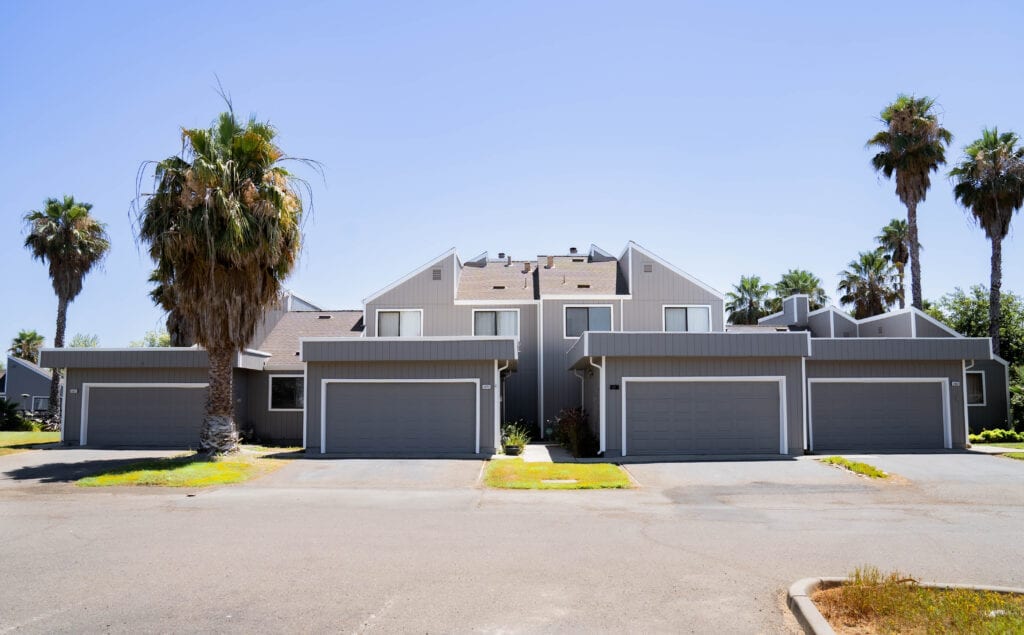
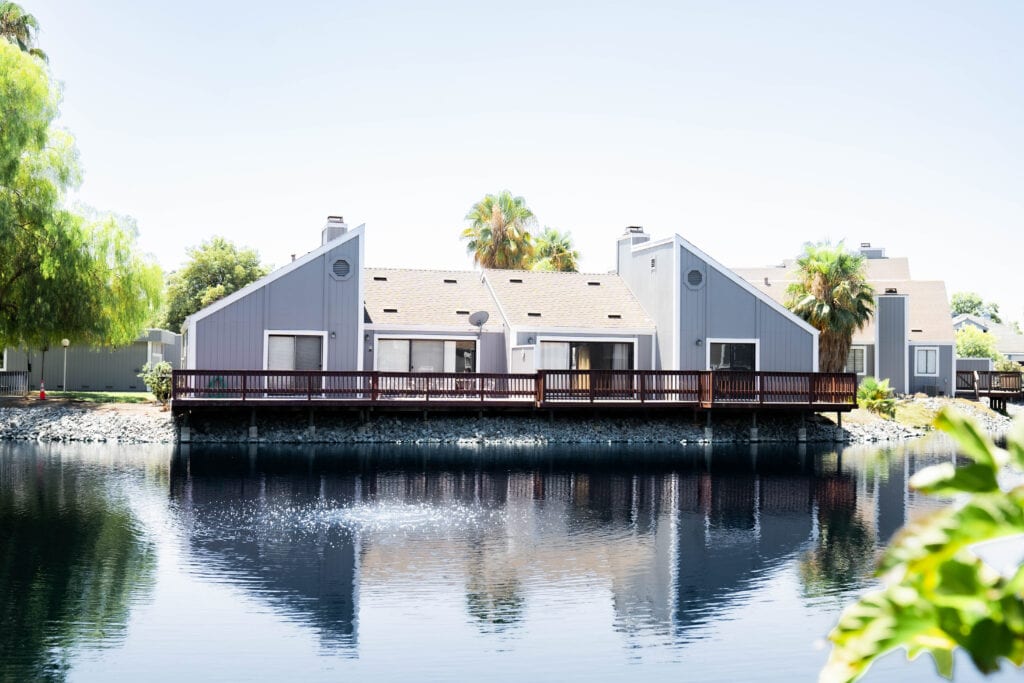
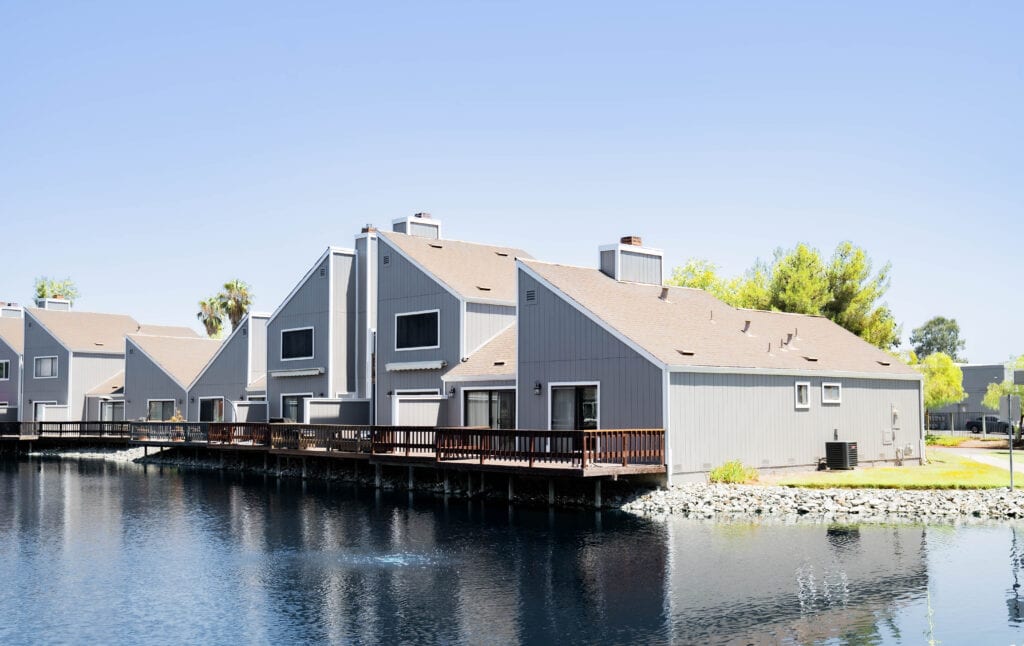
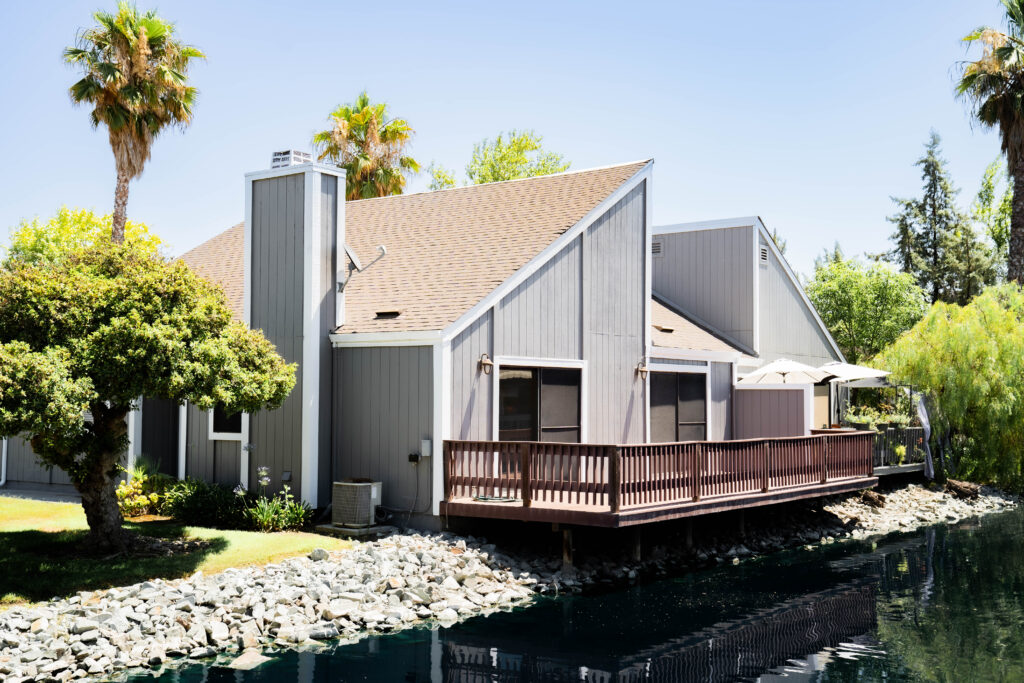
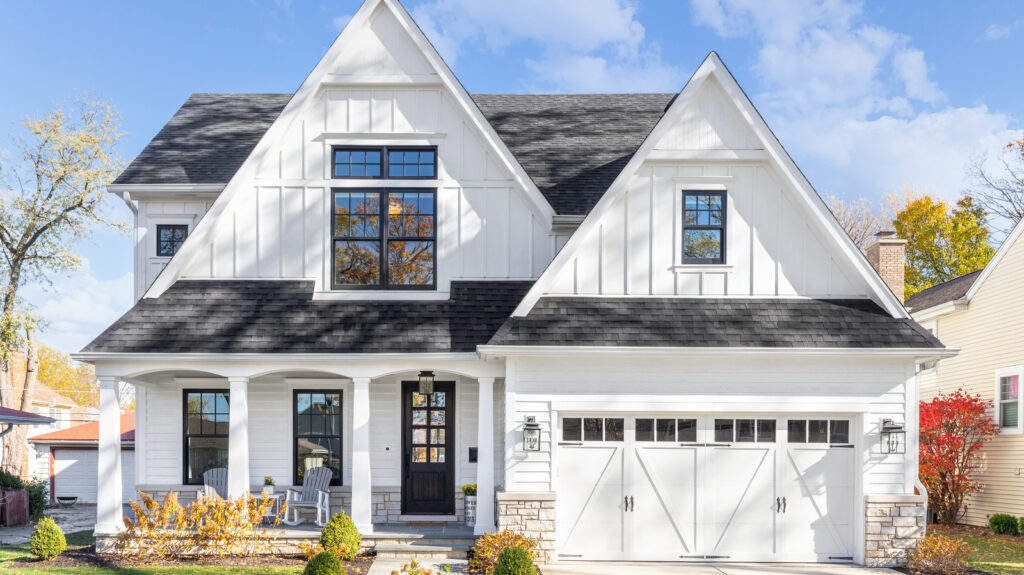
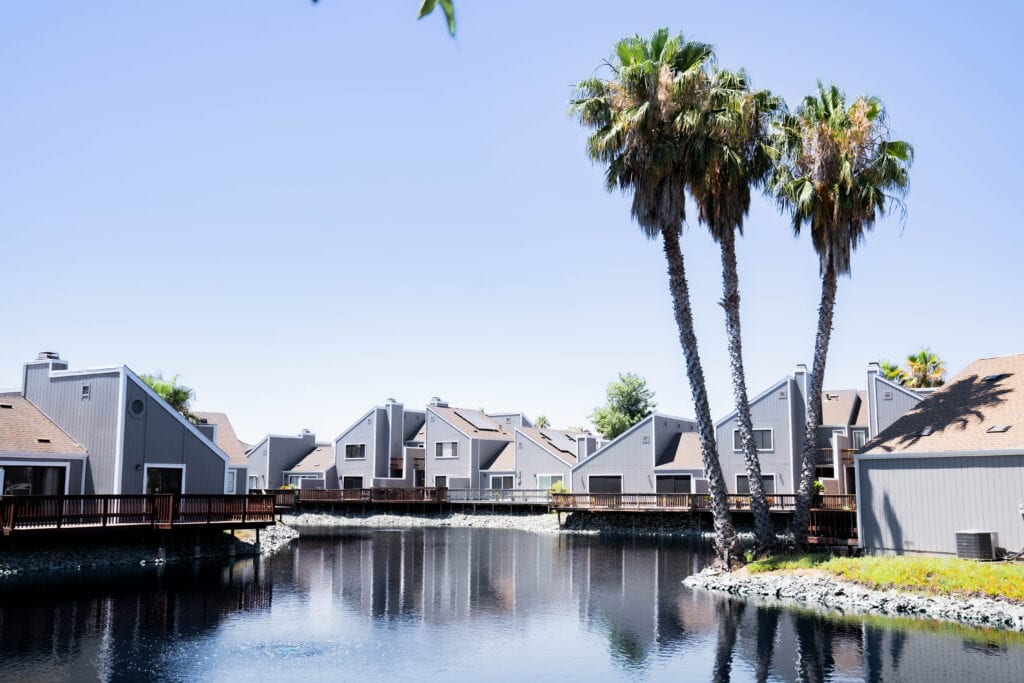
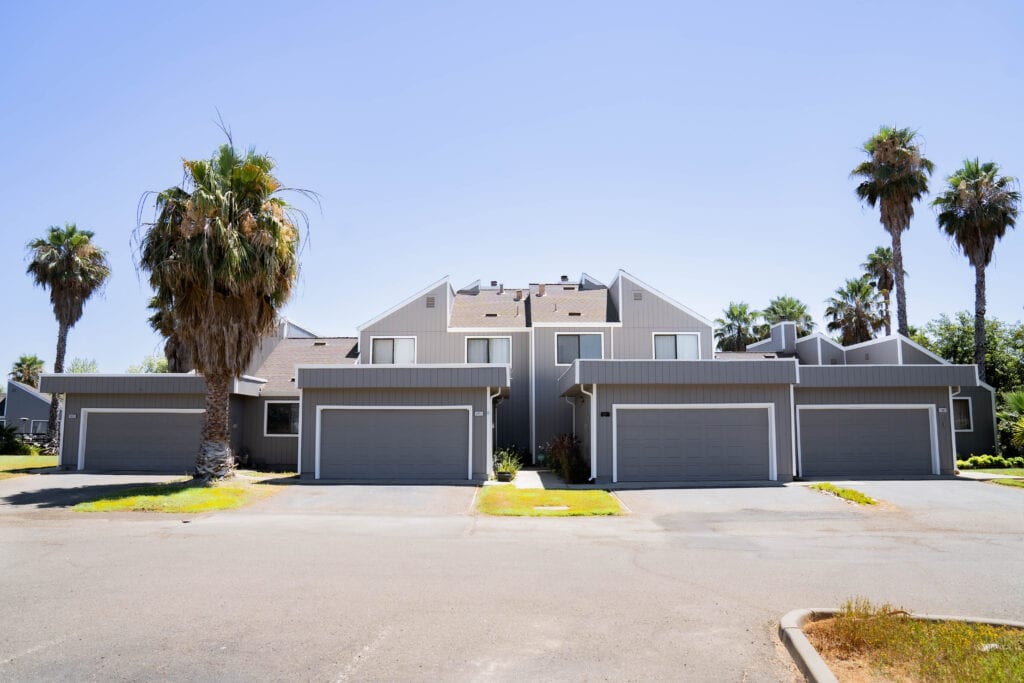
A look at homes we have re-sided and re-glazed across Sacramento, the Bay Area, and Lake Tahoe.

★★★★★ Rated 4.9 from 69 Google reviews
Heritage Exteriors is beyond exceptional. Very impressed with the timeliness, communication, and reasonable price of the whole project.
Heritage replaced my old crumbling wood siding and did a fantastic job. From the first interactions assessing the project and providing a quote, to the project itself, was all exceptional. My home looks brand new.
We recently had our house re-sided with Hardie product. We interviewed 3 companies, one of them being Heritage Exteriors. From our first meeting with David to the last day's work touching up paint, the experience was excellent.