★★★★★
Heritage Exteriors is beyond exceptional. Very impressed with the timeliness, communication, and reasonable price of the whole project.
Scott Doyen
Sacramento, CA · Google
Sacramento, CA · Google

"Composite" is the least standardized word in window sales. This guide explains what it means, looks at the best-known example, Andersen's Fibrex, and compares it with vinyl on the three claims you will hear most: expansion, dark colors and strength.
Get a Free EstimateVinyl is the default replacement window in California. Composite is the product most often pitched as the step up from it. Whether it is worth stepping up depends on what the composite actually is and which of its advantages matter on your house. This page is part of our California window guide.
There is no regulated definition. The Efficient Windows Collaborative, a program of the National Fenestration Rating Council, describes composite frames as wood-product composites, and says they are very stable, with the same or better structural and thermal properties as conventional wood and better resistance to moisture and decay. It also notes they can be textured and stained or painted much like wood.
In the showroom the word gets stretched further, sometimes to cover fiberglass, sometimes hybrids that combine two materials in one frame. The same source cautions that with hybrid frames it becomes difficult to estimate thermal properties by simple inspection. So the first question for any "composite" quote is: what is this frame made of, and who makes it? Then read the manufacturer's own description.
Fibrex is Andersen's proprietary composite. Andersen describes it as a combination of wood fiber and thermoplastic polymer, in which each cell of wood fiber is filled and encased by the polymer. You will meet it in two places:
Andersen's central claims for the material are that it is twice as strong as vinyl, that it holds its stability and rigidity through temperature swings, and that it will not rot, flake, blister or peel and never needs painting. Those are the manufacturer's statements, and they are the right ones to test against vinyl.
Every frame material moves with temperature. Vinyl moves more than wood-based or glass-fiber materials. Andersen's own comparison page makes the case against vinyl in these terms: it expands in the sun and contracts in the cold, and that movement can lead over time to warping, operating problems and seal failure.
That is a competitor describing a rival material, so weigh it accordingly. The independent view is more measured. The Efficient Windows Collaborative says recent advances have improved vinyl's dimensional stability and its resistance to degradation from sunlight and temperature extremes, and it describes composites as very stable.
Here is how we would put it for California:
If a stable frame is your priority and the opening is large and sun-exposed, a composite or fiberglass frame has a real argument. For ordinary openings, a good vinyl window is not a compromise.
Dark frames absorb more solar heat than white ones, which makes color a material question, not just a style one.
Renewal by Andersen says its process fuses color to Fibrex and allows dark exterior colors not available on most other replacement windows. The warranties put a number on that: Andersen's 100 Series document warrants the exterior color finish on Fibrex components for 10 years against flaking, blistering, peeling and similar failures, and against fade beyond a stated measured threshold.
Vinyl has caught up more than that pitch suggests. Dark vinyl is now usually made with a capstock, a co-extruded outer layer formulated for color and heat, or with a factory-applied coating:
The practical comparison, then, is not "composite can be dark and vinyl cannot." It is which colors each line offers, whether the interior can match, and how long the finish (not the frame) is warranted. Finish terms are shorter than frame terms on every material. Our sibling guide on dark window frames and heat in California goes into the heat side, and UV-resistant exteriors covers sun exposure generally.
A stiffer material can carry the same glass in a thinner section. Renewal by Andersen ties Fibrex's strength directly to narrower frames, more glass area and the ability to support large picture and gliding windows. That is the visible benefit of a strong frame: more glass and less frame in the same opening, which matters most on a retrofit where the new unit sits inside the old frame.
Vinyl answers with design rather than raw stiffness: internal chambers, metal or fiberglass reinforcement where needed, and dedicated slim-profile series. Milgard describes its V300 Trinsic as a narrow-frame vinyl window with an expansive viewable glass area; Anlin describes its Panoramic series the same way.
Do not settle this from a brochure. Ask each bidder for the frame width or daylight opening of the actual unit for one of your windows and compare the numbers. Corner samples in your hand help too. Structural ratings exist for windows, and if you have a large or wind-exposed opening you can ask for the performance grade of the quoted configuration.
This is close. Both materials insulate well as frames, and the certified result depends mostly on the glass. Either can meet California's requirement for replacement windows, which since 1 January 2026 is a maximum U-factor of 0.27 across Northern California, the Central Valley and the Sierra, and 0.30 in much of Southern California, with a solar heat gain limit in most zones. Details are on our Title 24 page.
Compare the NFRC labels for the exact products quoted, as explained in how to read an NFRC label. If a salesperson tells you a material is "more efficient," ask for the two numbers. For which packages suit valley heat, see the best energy-efficient windows for Sacramento.
Neither needs painting. Both want clean tracks, clear weep holes and occasional attention to weatherstripping and hardware.
Two differences are worth knowing. Vinyl's color runs through the base material, so a scratch on a white or tan frame does not expose a different color underneath; a capped or coated surface on any material can show damage. And both vinyl and Fibrex warranties exclude field-applied paints and stains, so neither is a frame you should plan to refinish yourself.
| Document | Frame material | Summary of published terms |
|---|---|---|
| Andersen 100 Series limited warranty | Fibrex composite | Glass 20 years; non-glass parts 10 years; exterior color finish 10 years. Transferable. Replacement labor not included. |
| Renewal by Andersen limited warranty (units installed after 1 June 2024) | Fibrex composite | Glass 20 years; Fibrex components 20 years; other components 10 years; color finish 10 years; installation 2 years. Transferable. Remedies are provided and installed by the company. |
| Milgard replacement product lifetime limited warranty | Vinyl (also fiberglass, aluminum) | Frame material for as long as the original purchaser owns and occupies the home; insulated glass seal 20 years; finishes and hardware 10 years; skilled labor 10 years in its service territory. 10 years for all other owners. |
| Anlin limited double lifetime warranty | Vinyl | Vinyl, glass unit, hardware and screens for the original owner-occupant and one subsequent owner-occupant, including labor; capstock 15 years; exterior color 12 years. |
Notice the two philosophies. The Andersen documents use fixed terms that transfer to any later owner. The vinyl documents lean on "lifetime" coverage tied to the person who bought the windows. Neither is better in the abstract; it depends how long you expect to own the house. Our sibling guide, window warranties explained, covers how to read them.
Composite and vinyl quotes often arrive from different kinds of companies with different scopes. Put them on one list before comparing totals:
How to compare window replacement quotes walks through this line by line, and our cost page gives installed ranges for context.
It is easy to overspend on frame material and underspend on the things that decide how a window performs in a California wall.
If the budget is fixed, a well-installed good vinyl window with the right glass usually beats a premium frame installed in a hurry.
Composite makes sense if you want thinner frames and more glass, a dark color with a long track record on that substrate, or a warranty with fixed terms that pass to the next owner, and you are comfortable paying more for those things.
Vinyl makes sense for most houses: it meets the energy standard, the better lines now offer slim profiles and dark capstock colors, and owner-occupant warranty coverage can be very strong. It is where most of the value is.
Also price fiberglass. It competes with composite on the same strengths and is made by several manufacturers, so you can get more than one bid on it.
We install vinyl and fiberglass windows from several manufacturers, and we are glad to quote against a composite proposal on a like-for-like scope so you can see what the difference in material is actually costing. We will give you frame dimensions and certified performance figures for the specific units, not adjectives. Licensed in California, CSLB #1055919. Call (916) 546-2991.
What is Fibrex made of?
Andersen describes Fibrex as a composite of wood fiber and thermoplastic polymer, with the polymer filling and encasing the wood fiber. Renewal by Andersen describes it as made from reclaimed wood fiber and polymer. It is extruded into frame and sash shapes much as vinyl is, and the color is applied as a fused or capped surface at the factory. It is exclusive to Andersen.
Is composite the same as fiberglass?
No, although salespeople sometimes use the words loosely. Fiberglass frames are glass fibers in a cured resin, formed by pultrusion. Composites in the usual window sense blend a wood product with a polymer. The two share some selling points, such as stiffness and dimensional stability, but they are different materials from different manufacturers. Ask what the frame is actually made of and look it up on the maker's own site.
Is a composite window more energy efficient than a vinyl one?
Not as a rule. Both materials are poor heat conductors, and the glass package drives the certified result far more than the frame. Compare the NFRC U-factor and solar heat gain coefficient for the exact products quoted, and check them against the figure for your California climate zone. A composite window with ordinary glass can be outperformed by a vinyl window with a better glass package, and the reverse.
Do vinyl windows really warp in California heat?
Vinyl expands and contracts with temperature more than wood-based or glass-fiber materials do, and manufacturers design for that with chambered profiles, reinforcement and welded corners. Problems are most associated with poor-quality extrusions, dark colors that were not engineered for heat, and installations that pinch the frame. A well-made vinyl window from an established manufacturer, properly installed, performs well in the Central Valley. Check the warranty's finish and frame terms rather than relying on either side's sales pitch.
Can I get black frames in vinyl?
Yes. Several manufacturers now offer black and other dark exteriors on vinyl, typically as a co-extruded capstock layer or a factory-applied coating, and they publish specific warranty terms for those finishes. Read the finish term, which is usually shorter than the frame term, and ask whether the interior can also be dark. Our sibling guide on dark window frames and heat covers the trade-offs.
Why are composite quotes often higher than vinyl quotes?
Partly material and partly how the product is sold. Fibrex is available in Andersen's 100 Series through dealers and retailers, and in Renewal by Andersen's replacement windows through that company's own retailers with installation included, which is a different purchase from a window bought through a dealer. Compare the complete scope of each quote before comparing totals. We do not publish price comparisons between brands.
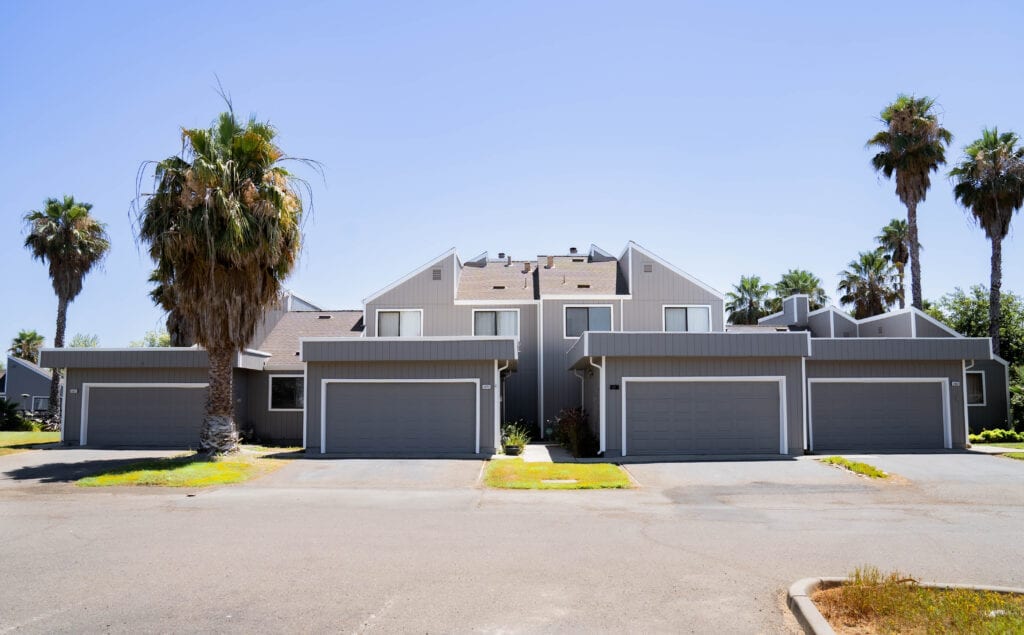
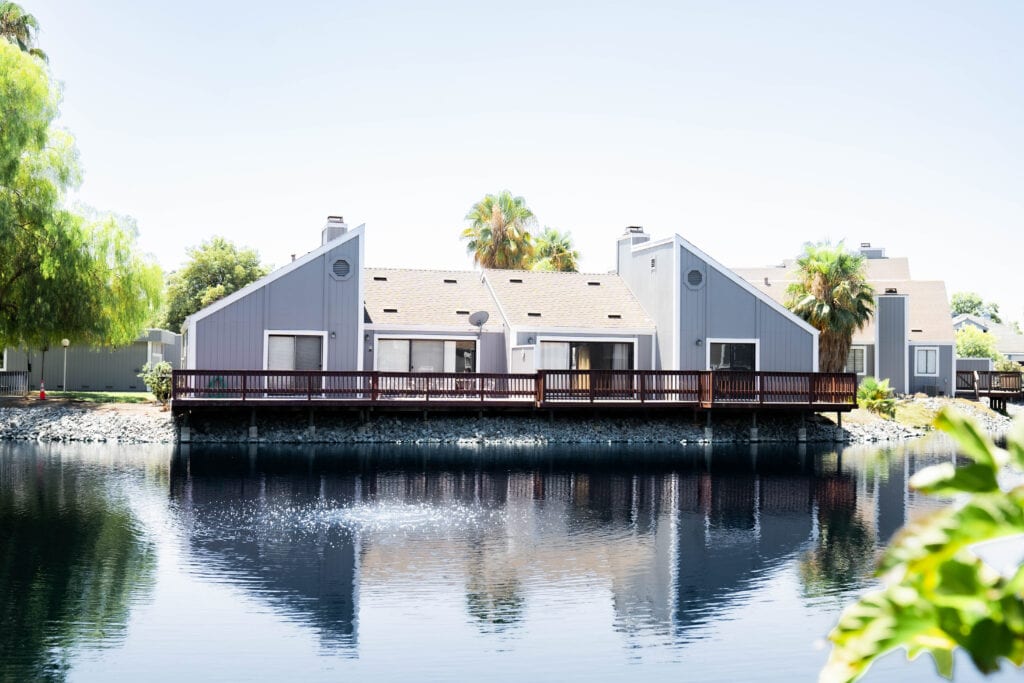
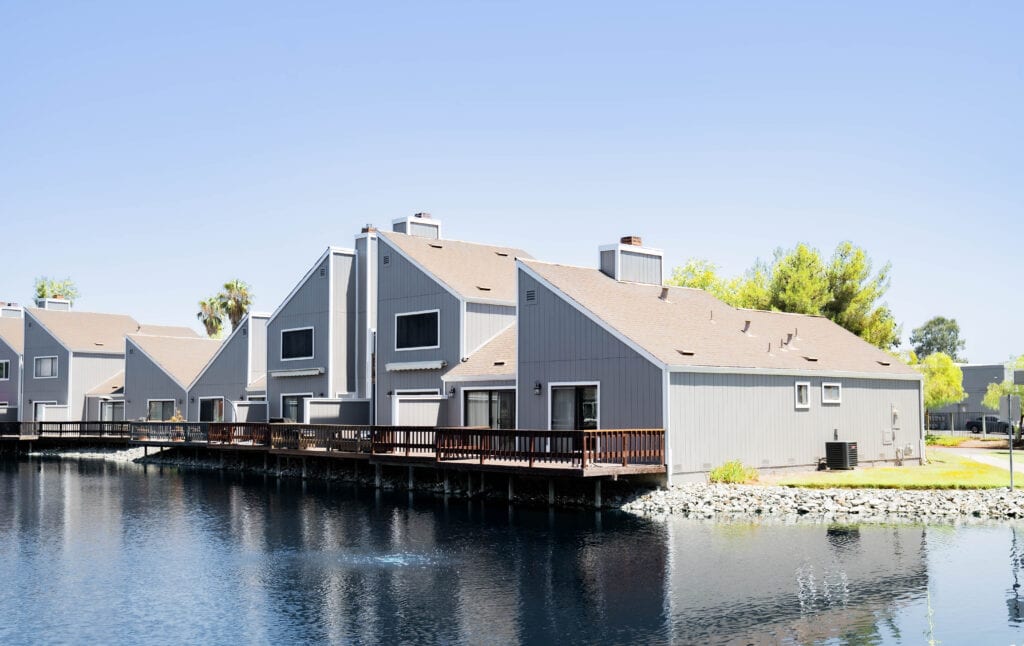
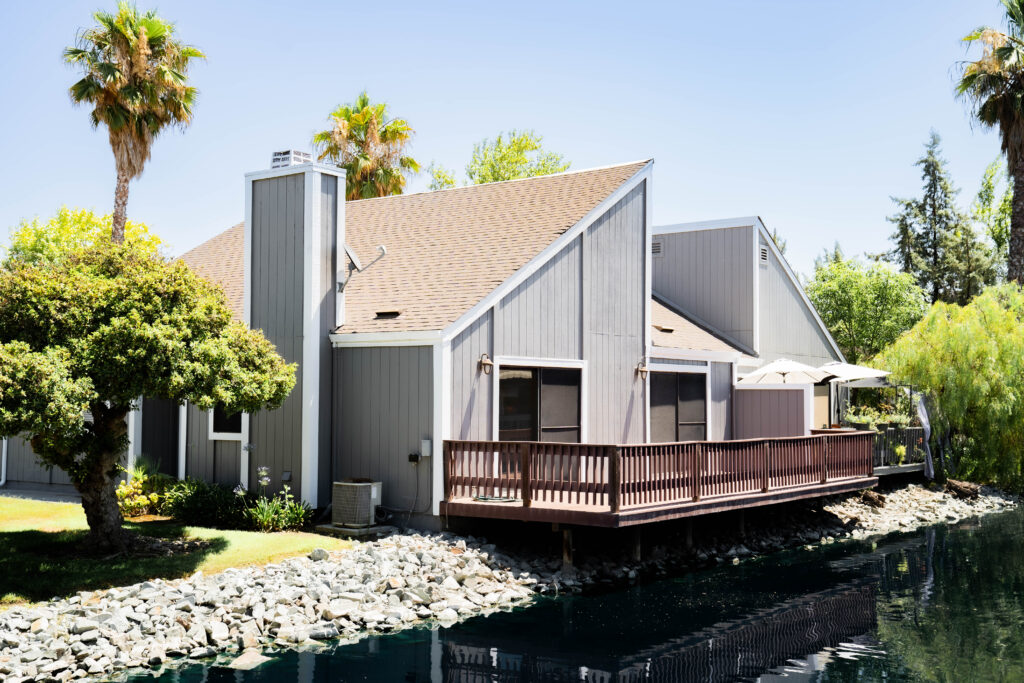
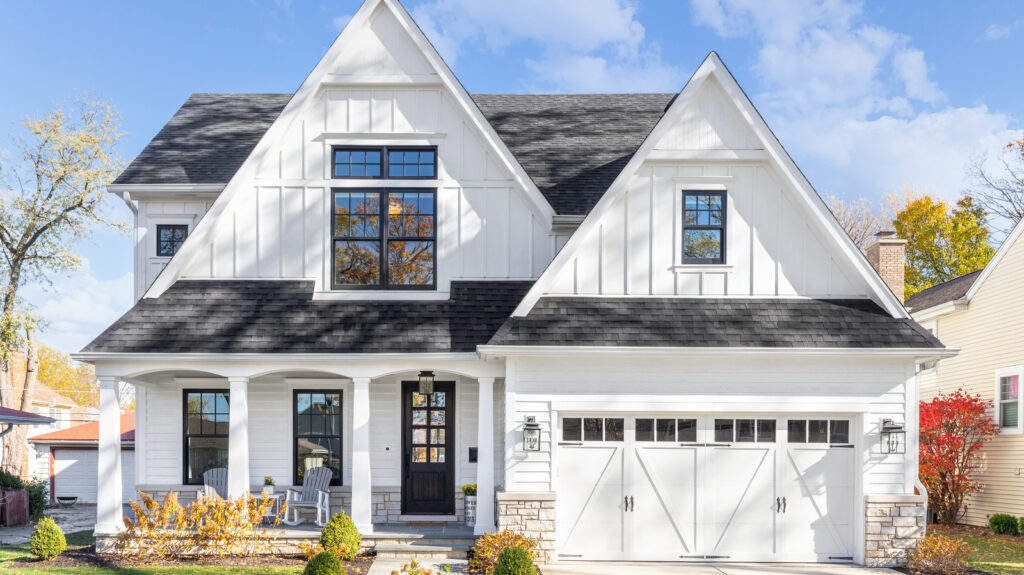
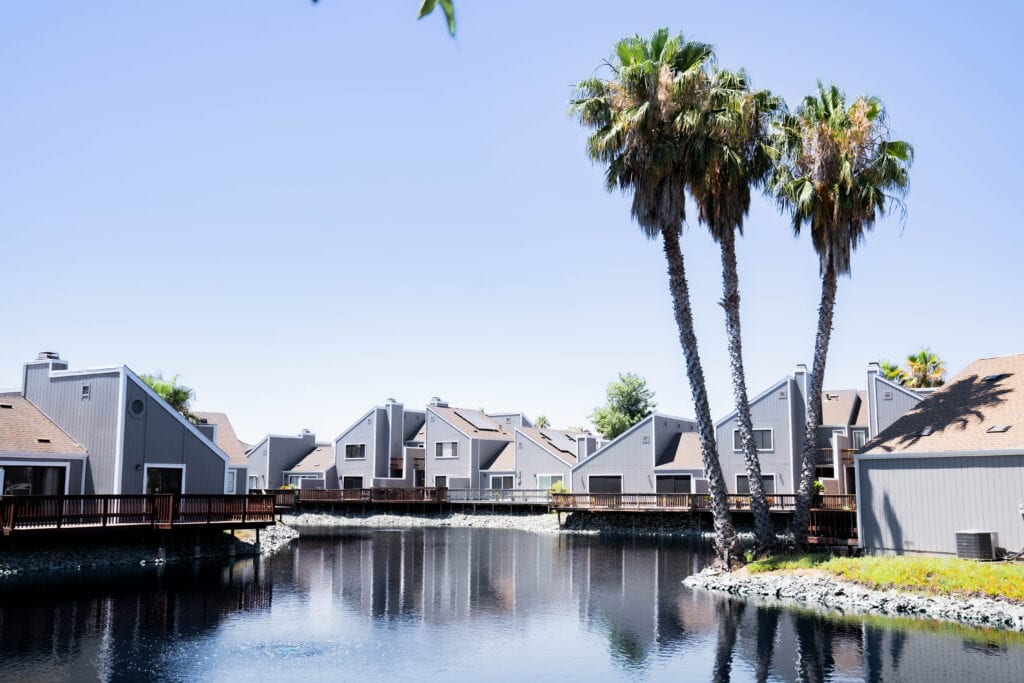
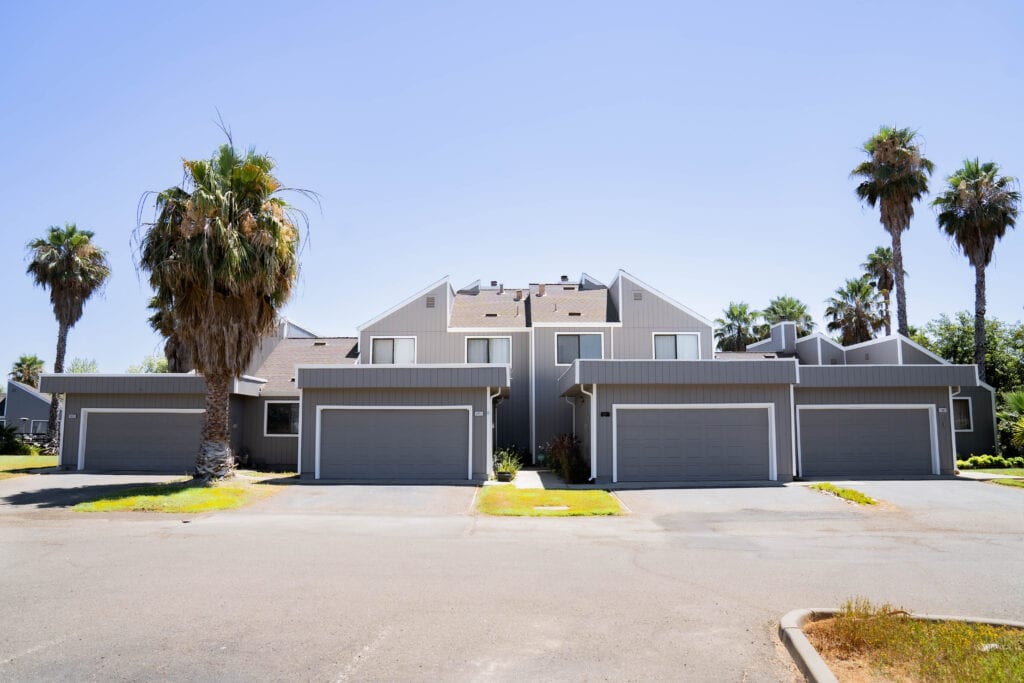
A look at homes we have re-sided and re-glazed across Sacramento, the Bay Area, and Lake Tahoe.

★★★★★ Rated 4.9 from 69 Google reviews
Heritage Exteriors is beyond exceptional. Very impressed with the timeliness, communication, and reasonable price of the whole project.
Heritage replaced my old crumbling wood siding and did a fantastic job. From the first interactions assessing the project and providing a quote, to the project itself, was all exceptional. My home looks brand new.
We recently had our house re-sided with Hardie product. We interviewed 3 companies, one of them being Heritage Exteriors. From our first meeting with David to the last day's work touching up paint, the experience was excellent.