★★★★★
Heritage Exteriors is beyond exceptional. Very impressed with the timeliness, communication, and reasonable price of the whole project.
Scott Doyen
Sacramento, CA · Google
Sacramento, CA · Google

Every new window carries a sticker with five numbers on it, and almost nobody reads it. That label is the only place you can compare two windows on measured performance instead of on a salesperson’s description — and which of the five numbers you should care about depends entirely on whether your house is in Sacramento, in the fog belt, or at elevation.
Get a Free EstimateTwo windows can look identical in a showroom and perform very differently on your wall. The NFRC label is where that difference becomes visible. It is a small sticker, it contains five numbers, and once you know what they mean you can compare any two windows on the market directly — which is precisely what it exists for.
The National Fenestration Rating Council is an independent non-profit that runs a standardized rating program for windows, doors, and skylights. Participating manufacturers have their products tested under uniform procedures and certified, and the resulting numbers go on the label. The point is comparability: because every rating comes from the same test method, a U-Factor from one manufacturer means the same thing as a U-Factor from another.
You will find the label on the glass of new units. Keep it, or photograph it, until the job is signed off — it is your evidence that what was installed is what was specified.
| Rating | What it measures | Direction |
|---|---|---|
| U-Factor | How readily heat passes through the whole window assembly — glass, frame, and spacer together | Lower is better insulation |
| Solar Heat Gain Coefficient (SHGC) | The fraction of the sun’s energy that gets through, expressed between 0 and 1 | Lower admits less solar heat |
| Visible Transmittance (VT) | How much visible light comes through, between 0 and 1 | Higher is more daylight |
| Air Leakage (AL) | How much air passes through the assembly under test conditions | Lower is less draft |
| Condensation Resistance (CR) | How well the window resists condensation forming on the interior surface, on a 1–100 scale | Higher resists condensation better |
U-Factor and SHGC appear on every label. Visible Transmittance is usually present. Air Leakage and Condensation Resistance are optional ratings and are not always shown.
U-Factor describes the whole assembly, not just the glass — which is why a window with excellent glass and a poor frame can rate worse than you would expect. It is the number that matters most where the heating season is long and cold. Improvements come from additional panes, low-conductivity gas fill, warm-edge spacers, and frame material.
SHGC is the number for a hot-summer climate. It expresses the fraction of incident solar energy that ends up inside as heat, so a lower figure means a cooler room in August. The trade-off is that in a heating-dominated climate, solar gain through south-facing glass is a benefit you may not want to eliminate — which is why the right SHGC genuinely differs between Sacramento and Truckee.
SHGC is largely controlled by the low-emissivity coating on the glass. Our guide to window glass types covers how those coatings work.
VT is how much daylight you get. It matters because the coatings that lower SHGC can also lower VT, and pushed too far you end up with a cool room that feels dim and slightly tinted. Modern spectrally selective coatings are specifically designed to hold VT up while bringing SHGC down, and comparing the two numbers together tells you how well a given product manages that balance.
Air Leakage is a manufacturing-quality measure of the unit itself. It is worth noting that it says nothing about your installation — a tight window installed without proper sealing and flashing will still be drafty. Whole-house draftiness after a window job is usually an installation problem, not a product one.
CR predicts how well the window resists interior condensation, scored 1 to 100 with higher being better. It becomes important in cold climates and in humid interior rooms — kitchens, bathrooms, and any home where winter humidity runs high.
| Where | Dominant load | Watch first | Then |
|---|---|---|---|
| Sacramento Valley, Roseville, Folsom, Elk Grove | Long, intense cooling season | SHGC — especially on south and west elevations | U-Factor; VT so rooms do not go dim |
| Bay Area coastal and fog belt | Mild both ways, persistent damp | Balance — no single number dominates | Condensation Resistance and Air Leakage matter more than in the valley |
| Lake Tahoe, Truckee, Sierra elevations | Long, cold heating season | U-Factor | Condensation Resistance; moderate SHGC can be a benefit here |
One practical consequence: a single specification for a whole house is often not the best answer. A west-facing wall in Sacramento and the north side of the same house have different problems, and it is entirely reasonable to specify different glazing for different elevations.
These three get conflated constantly, so to be precise about what each is:
We deliberately do not quote current threshold numbers here, because they change between code cycles and a stale figure in an article is worse than none. Confirm them with the California Energy Commission or your local building department, and have your contractor confirm what your permit will require before the order is placed. Our window installation page covers how permitting fits into a replacement project.
That last one is the practical one. Specification substitution is easy to do and hard to detect after the stickers come off.
Heritage Exteriors (CSLB #1055919) installs replacement windows across Sacramento, the Bay Area, and Lake Tahoe, and we will quote you the actual rated numbers for the units we propose — by elevation where it makes a difference. See our window replacement services or request a free estimate, or call (916) 546-2991.
Reviewed August 2026. Ratings definitions reflect the NFRC labeling program; code thresholds change between cycles — confirm current requirements with the California Energy Commission or your local building department.
What is the NFRC?
The National Fenestration Rating Council is an independent non-profit that administers a standardized rating and labeling program for windows, doors, and skylights. Its value is that every manufacturer’s numbers are produced by the same test procedures, so a rating from one brand is directly comparable to a rating from another. Without it, every manufacturer would be free to describe performance in its own terms.
Which number matters most in Sacramento?
Solar Heat Gain Coefficient. The Sacramento Valley’s dominant comfort and energy problem is summer heat, and SHGC is the number that describes how much of the sun’s energy the window lets through. On south- and west-facing walls in particular, a lower SHGC does more for comfort than a marginally better U-Factor will.
Which number matters most at Tahoe?
U-Factor. At Sierra elevations the dominant load is keeping heat inside through a long cold season, and U-Factor is the measure of how readily heat passes through the assembly. Condensation Resistance is the useful secondary number in cold climates, since interior humidity meeting cold glass is a real problem at elevation.
Is a lower number always better?
No, and this trips people up. Lower is better for U-Factor and for Air Leakage. Lower is better for SHGC in a cooling-dominated climate but not necessarily in a heating-dominated one, where some solar gain is useful. For Visible Transmittance and Condensation Resistance, higher is better. The label is not a single score.
Is the NFRC label the same thing as ENERGY STAR?
No. The NFRC label reports measured performance; ENERGY STAR is a certification a product earns by meeting threshold values for its climate region, using NFRC-rated numbers. A window can carry an NFRC label without being ENERGY STAR certified. The label is the data; ENERGY STAR is a verdict based on it.
Do these numbers determine California code compliance?
NFRC-rated U-Factor and SHGC are the values used for California’s building energy efficiency standards, but the required thresholds depend on your climate zone and on the code edition in effect at the time you permit the work — and they change between code cycles. Confirm current requirements with the California Energy Commission or your local building department rather than relying on a figure quoted in an article.
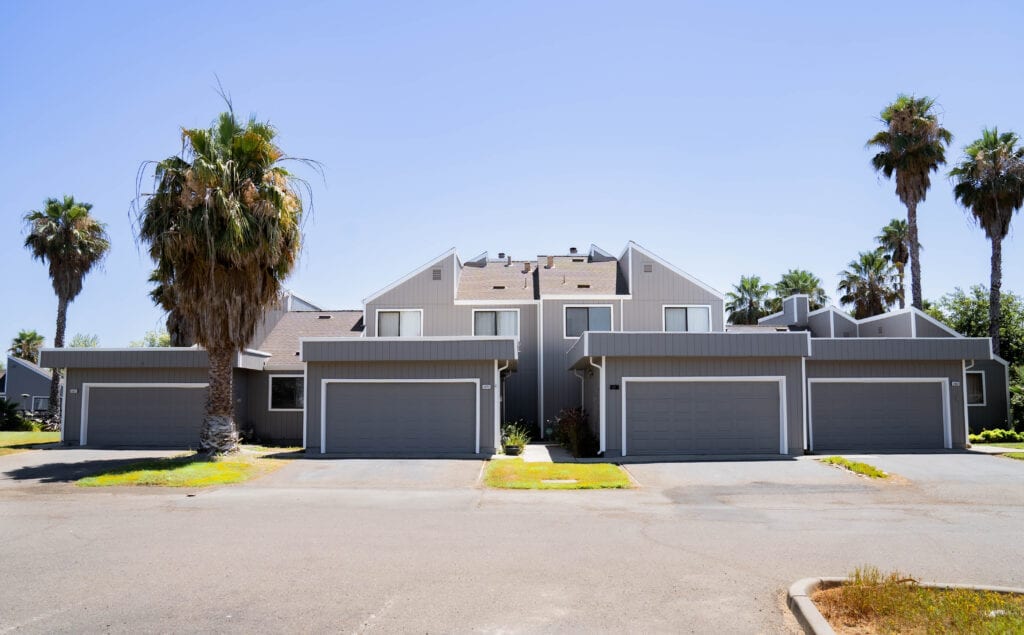
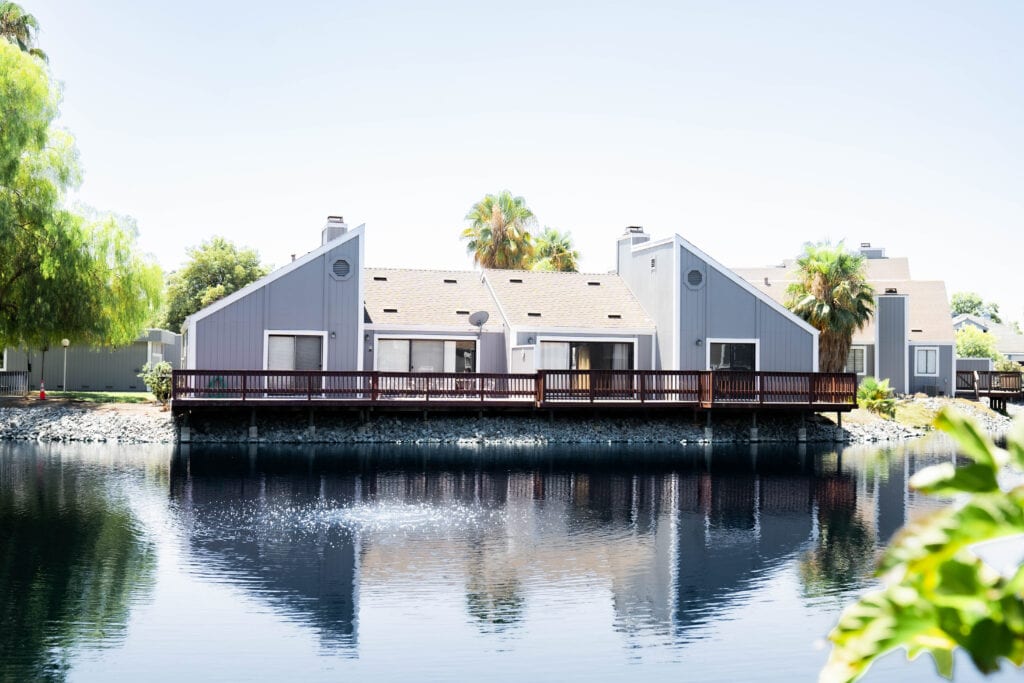
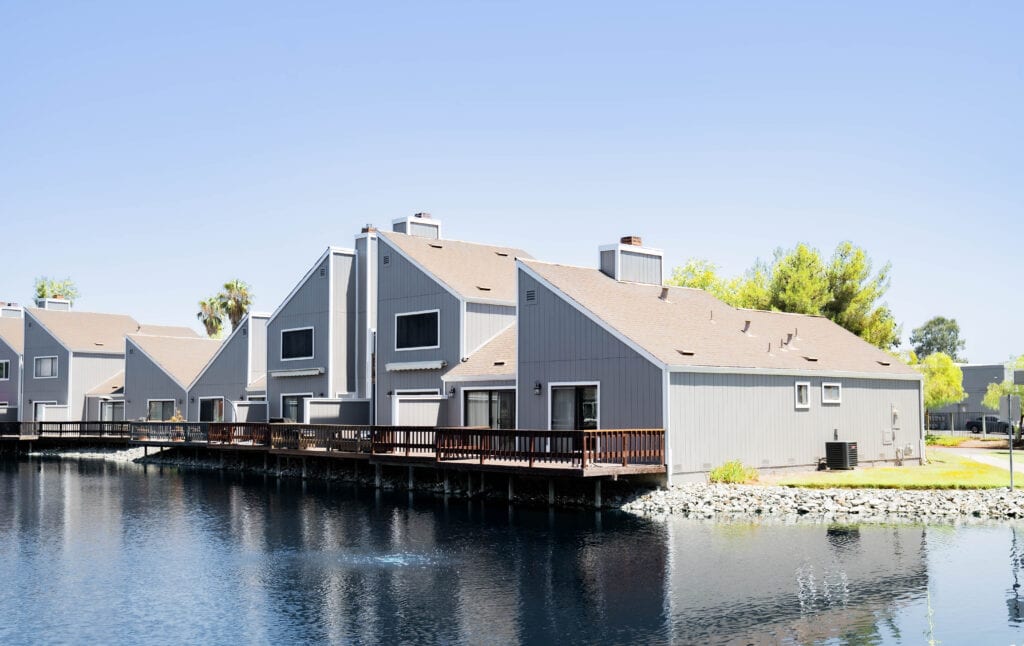
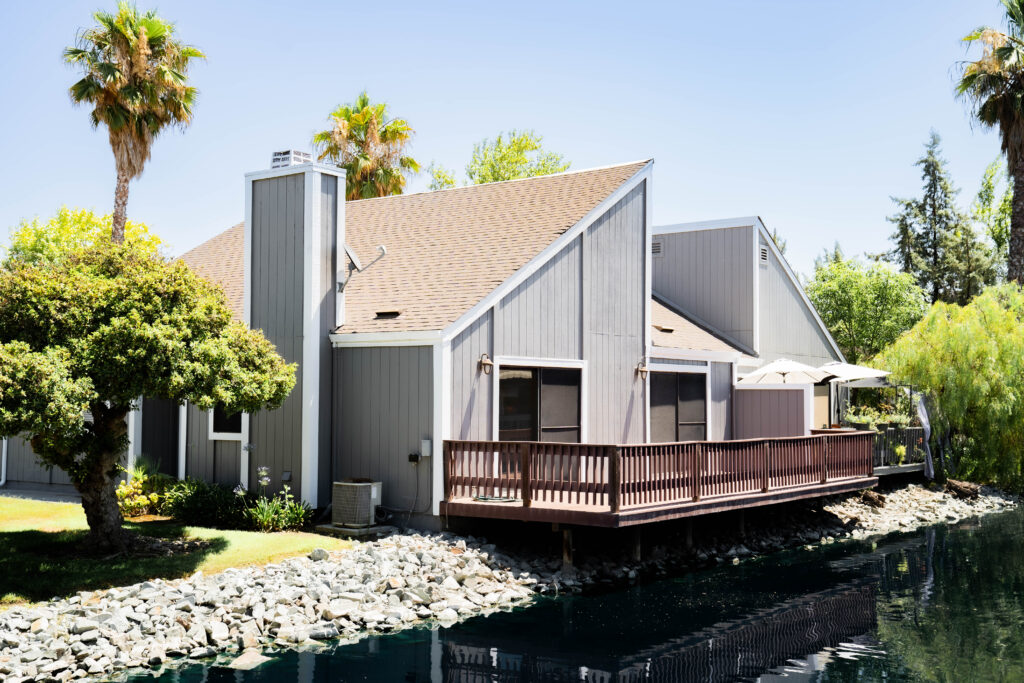
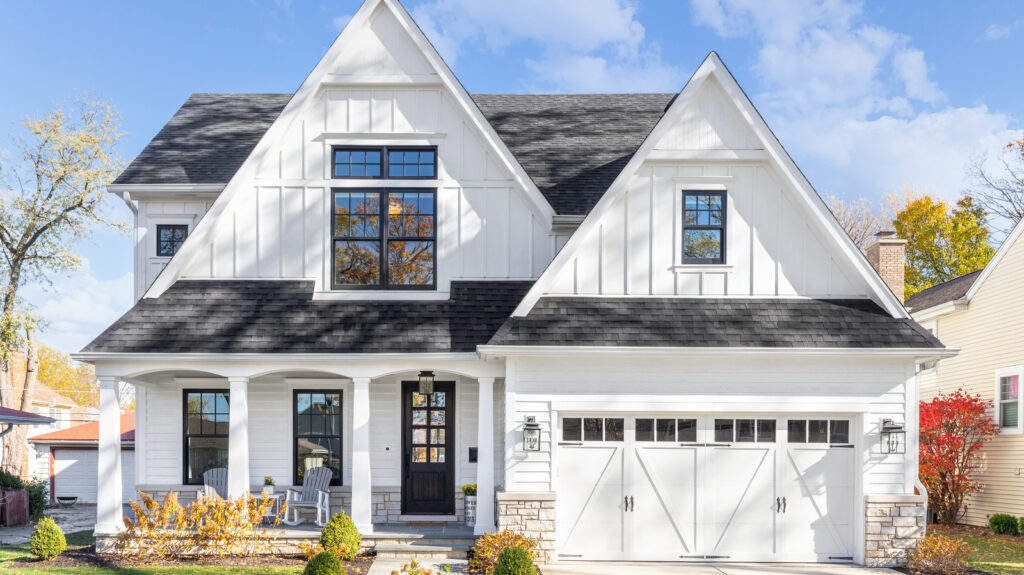
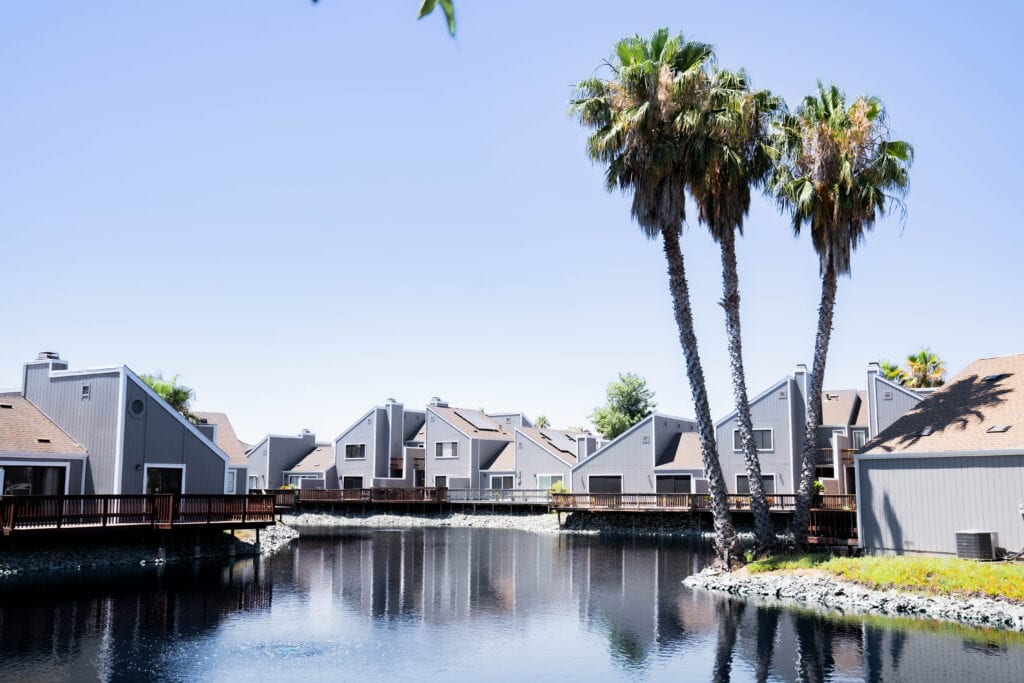
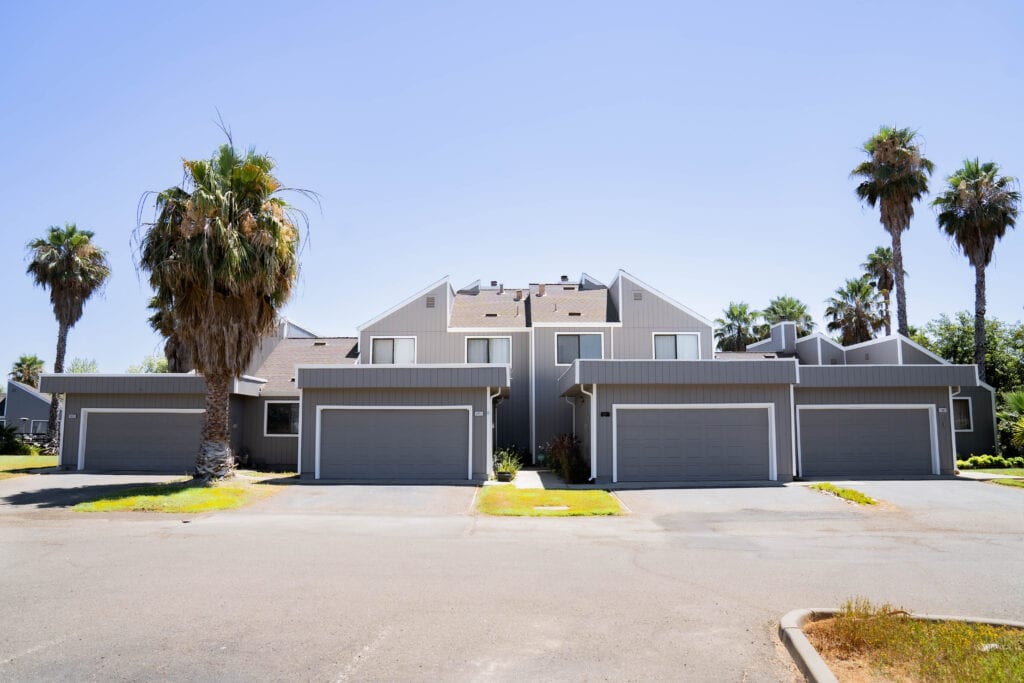
A look at homes we have re-sided and re-glazed across Sacramento, the Bay Area, and Lake Tahoe.

★★★★★ Rated 4.9 from 69 Google reviews
Heritage Exteriors is beyond exceptional. Very impressed with the timeliness, communication, and reasonable price of the whole project.
Heritage replaced my old crumbling wood siding and did a fantastic job. From the first interactions assessing the project and providing a quote, to the project itself, was all exceptional. My home looks brand new.
We recently had our house re-sided with Hardie product. We interviewed 3 companies, one of them being Heritage Exteriors. From our first meeting with David to the last day's work touching up paint, the experience was excellent.