★★★★★
Heritage Exteriors is beyond exceptional. Very impressed with the timeliness, communication, and reasonable price of the whole project.
Scott Doyen
Sacramento, CA · Google
Sacramento, CA · Google

These are the two classic operable windows. One swings out on a crank and one slides up and down. The right answer is usually different for different rooms of the same house, and the street elevation often decides it for you.
Get a Free EstimateIf you ask which is the better window, the honest answer is that they are good at different things. A casement is the better machine for moving air and keeping it out. A double-hung is the better fit for most traditional American houses and for any opening where nothing can swing outward.
This page is part of our California window guide. The site already has separate pages on casement windows and on double-hung windows. This one puts them side by side.
| Casement | Double-hung | |
|---|---|---|
| How it opens | Hinged at the side, cranks outward | Two sashes slide vertically |
| Share of the window that opens | Nearly all | Less than half |
| Seal | Compression against a gasket | Sliding seals and a meeting rail |
| Air leakage, generally | Lower | Higher |
| Screen | Inside | Outside |
| Projects from the wall | Yes, when open | No |
| Cleaning from inside | Possible on many designs | Easy with tilt-in sashes |
| Egress in a small opening | Easier | Harder |
| Window air conditioner | No | Yes |
| Cost, same line and size | Usually higher | Usually lower |
| At home on | Spanish Revival, Tudor, mid-century, contemporary | Victorian, Craftsman, Colonial Revival, farmhouse |
A double-hung can never open more than about half its area: when the bottom sash is fully up, it is sitting in front of the top one. A casement swings clear of the opening altogether.
The casement has a second advantage. Its open sash stands out from the wall and turns passing air into the room, so on a wall the breeze runs along, it catches wind that would slide past a flush opening. That is useful with the evening Delta breeze in Sacramento and with afternoon winds around the Bay. Hinge side matters for this, and it is chosen when the window is ordered.
The double-hung has its own trick. With the top sash lowered a few inches and the bottom sash raised a few inches, warm air leaves at the top while cooler air enters at the bottom. It is a gentle effect, and it works on a still evening when there is no breeze for a casement to catch. It only works on a true double-hung. A single-hung, where the top sash is fixed, cannot do it.
Verdict: casement for volume of air and for catching a breeze. Double-hung where you want a little air without a sash sticking out.
When a casement is locked, the sash is pulled into a gasket that runs unbroken around the frame. A double-hung has two sashes that must be free to slide, so they seal against the frame with brush or fin weatherstripping, and against each other at the meeting rail in the middle. There is simply more joint to seal, and the seals cannot be squeezed as hard.
As a class, that makes casements the tighter window. It does not mean any casement beats any double-hung. A well-made double-hung from a good line can outperform a poor casement, and both rely on being installed square. Air leakage is a tested figure that some manufacturers show on the NFRC label or performance sheet, and lower is better. Our guide to reading an NFRC label explains where to find it.
Operating type makes no difference to what the energy code asks of the glass. Both types have to meet the U-factor and SHGC limits for your climate zone, set out on what Title 24 requires of replacement windows.
Verdict: casement, by a margin that depends on the products compared.
Most double-hung windows sold today have sashes that release and tilt into the room, so both sides of both sashes can be cleaned standing indoors. On a second floor this is a real advantage, and it is the feature that keeps the double-hung popular.
Many current casements are hinged so that the sash moves away from the hinge jamb as it opens, leaving a gap to reach through and wash the outside. It works, but it is less convenient than a tilt sash, and not every casement does it. Check before relying on it for upper floors.
Screens are a consideration too. A casement's screen is inside, protected from weather and easy to lift out. A double-hung's is outside, where it collects dust and pollen and has to be removed to wash the outside of the glass properly.
Verdict: double-hung with tilt sashes, narrowly.
Every sleeping room needs an emergency escape and rescue opening. Under Section R319 of the 2025 California Residential Code (formerly R310), the opening must be:
"Normal operation" is the important phrase for a double-hung. Tilting or removing the sashes does not count. What counts is the opening left when the bottom sash is pushed up as far as it goes, and that is less than half the window height once the meeting rail and the sash frame are subtracted.
The arithmetic shows the difference. An opening exactly 24 inches high has to be at least 34.2 inches wide to reach 5.7 square feet. For a double-hung to give 24 inches of clear height, the whole window needs to be well over 4 feet tall, and wide as well. A casement gives back most of its frame: a unit that leaves about 20 inches of clear width meets the area at a little over 41 inches of clear height.
So in a narrow or modest bedroom opening, a casement will often comply where a double-hung of the same size will not. Two cautions:
The site's egress window page covers the requirement in more depth. Your building department has the final word.
Verdict: casement.
This one favors the double-hung in a way people overlook. On an upper floor, a double-hung can be ventilated from the top sash only, leaving the bottom sash closed and locked, so the opening is well above a small child's reach. A casement opens over its full height from the sill up.
The code addresses low windows directly. Under Section R321.2 of the 2025 California Residential Code (formerly R312.2), where the bottom of the clear opening of an operable window is less than 24 inches above the floor and more than 72 inches above the ground outside, the window must either not pass a 4-inch sphere in its largest opened position or have opening control or fall prevention devices that comply with ASTM F2090. Both window types can be fitted with such devices. Where a device is fitted to a window that is also the room's escape opening, it has to release to give the full required opening. Our sibling page on window fall prevention has the detail.
An open casement occupies space outside the wall. Along a path, a deck, a narrow side yard or a patio, that is a hazard at head height, and it is the most common reason to choose a hung or sliding window instead. A double-hung stays in its own plane.
A double-hung also accepts a window air conditioner and an exterior security screen or storm panel. A casement accepts neither.
Inside the room the positions reverse. A casement's crank handle sits on the sill and has to clear blinds and shades, which is why folding handles exist. A double-hung has nothing protruding.
In the same product line and the same size, expect the casement to cost more. It has more hardware in it. The difference narrows in larger sizes, and it varies between manufacturers. A single wide opening may also need two casements where one double-hung or one slider would do, because a casement sash is limited in width.
We do not publish per-window prices on guide pages. For dated installed ranges see the Northern California window replacement cost page, and when comparing bids use how to compare window replacement quotes, since two quotes that assume different operating types are not pricing the same job.
On the street side of the house, architecture usually makes the decision.
In a historic district the choice may not be yours. San Francisco's Planning Department, for example, publishes a matrix for historic (Category A) properties in which the replacement for an original wood double-hung window visible from the street is a double-hung or single-hung, and the replacement for an original wood casement is a casement. Sacramento's preservation review works on a similar match-the-original basis. See historic window repair or replacement in California and windows for California home styles.
If neither feels right, the most common California replacement windows are neither of these. See slider versus single-hung windows, and how to choose a window style for the wider field.
We will often recommend a mix: one type facing the street for the look of the house and another at the back for air, with the bedroom units checked against the egress section either way. Our quotes list the operating type and hinge side for each opening so you can see what you are choosing. Licensed in California, CSLB #1055919. Call (916) 546-2991.
Which is more energy efficient, casement or double-hung?
In glass performance there is little between them, because U-factor and SHGC depend on the glass package and frame, and both types have to meet the same Title 24 figures. The difference is air leakage. A casement closes by pressing its sash against a gasket, and a double-hung relies on seals that two sashes slide past, so casements are generally the tighter of the two. Compare the rated figures for the specific products.
Which is better for a bedroom egress window?
A casement reaches the required opening in a smaller window. The 2025 California Residential Code, Section R319, asks for 5.7 square feet net clear, or 5 square feet at a grade floor, at least 24 inches high and 20 inches wide. A casement opens most of its frame. A double-hung opens less than half of it, so the window has to be much taller to provide the same clear opening.
Which is easier to clean?
From inside the house, a modern double-hung with tilt-in sashes is the easiest: both sashes lean into the room. Many current casements can also be cleaned from inside, because the sash shifts away from the frame as it opens, but check the unit you are buying. Older double-hungs without tilt sashes are the hardest of all on an upper floor.
Can I mix casements and double-hungs on the same house?
Yes, and it is often the best answer. The usual rule is to keep one type per elevation, or at least per group of windows that are seen together, and to match frame color, grille pattern and glass. Double-hungs on the street side for style with casements at the back for ventilation is a common and sensible arrangement.
Which lasts longer?
Neither has a built-in advantage. A casement's wearing parts are its operator and hinges. A double-hung's are its balances and the tilt latches. All of these are replaceable on most current product lines. Frame material, installation quality and exposure to sun and water decide service life far more than operating type does.
Which costs more?
For the same opening and product line, a casement is usually the more expensive of the two, because of its operator, hinges and multi-point lock. The gap varies by manufacturer. We do not print prices on this page. Call (916) 546-2991 for a quote that prices the openings you are unsure about both ways.
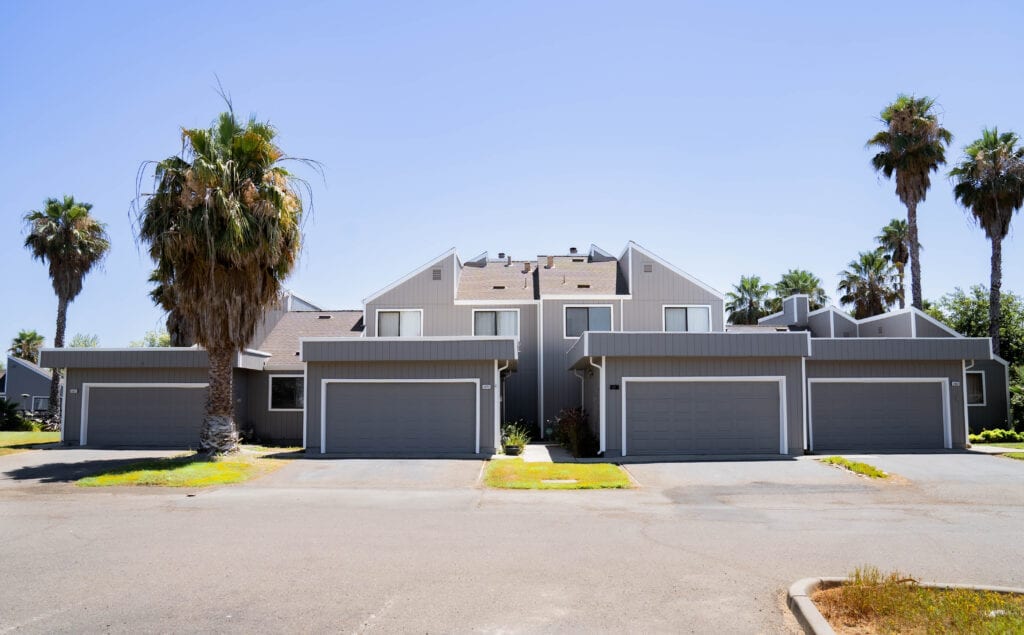
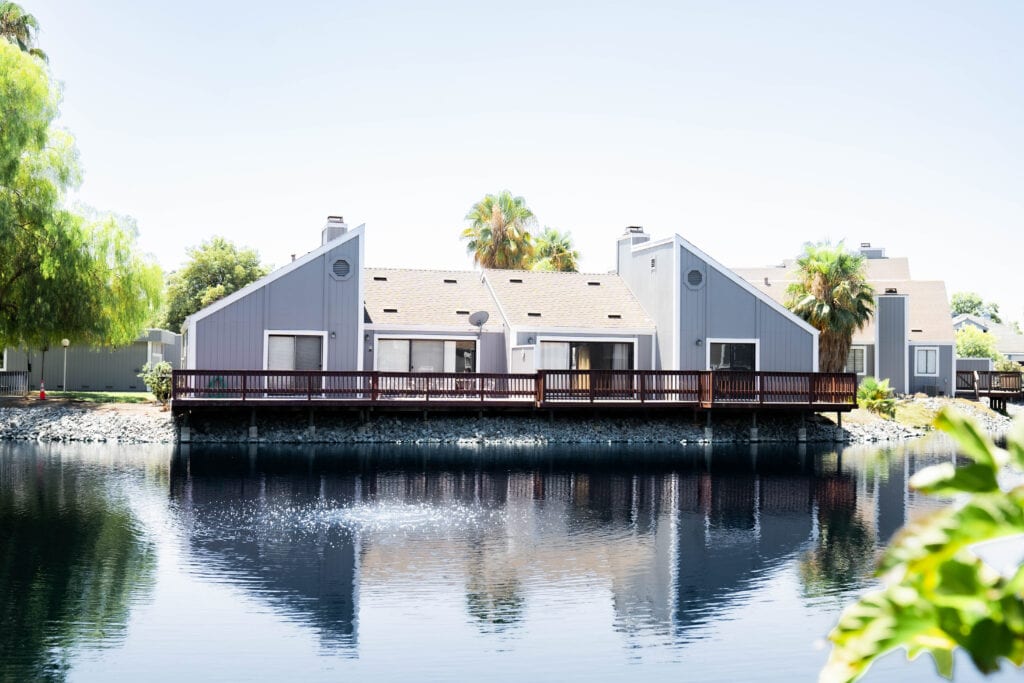
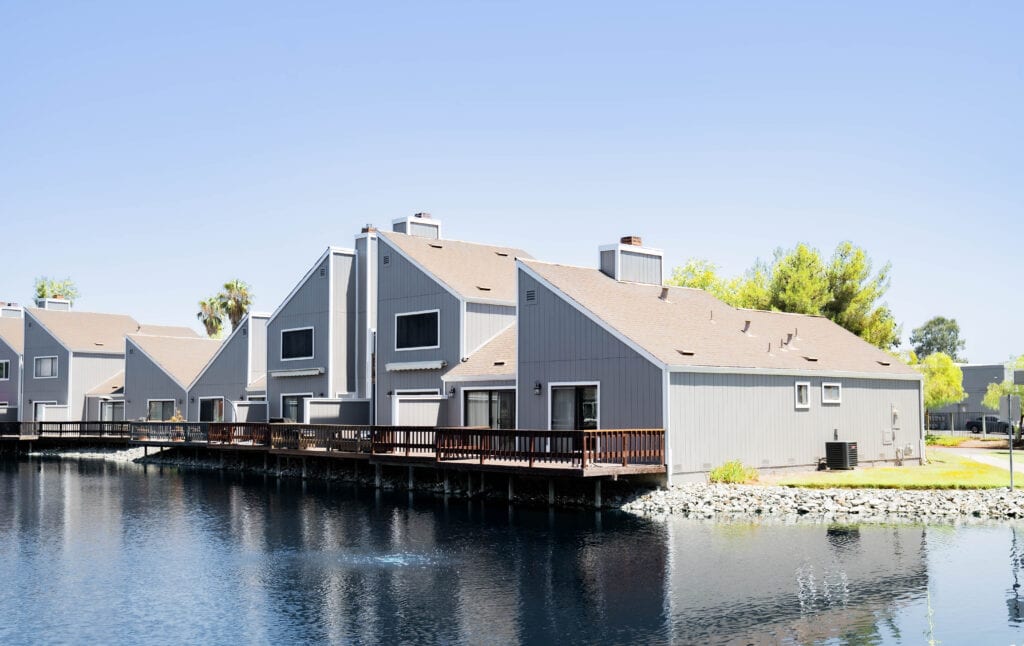
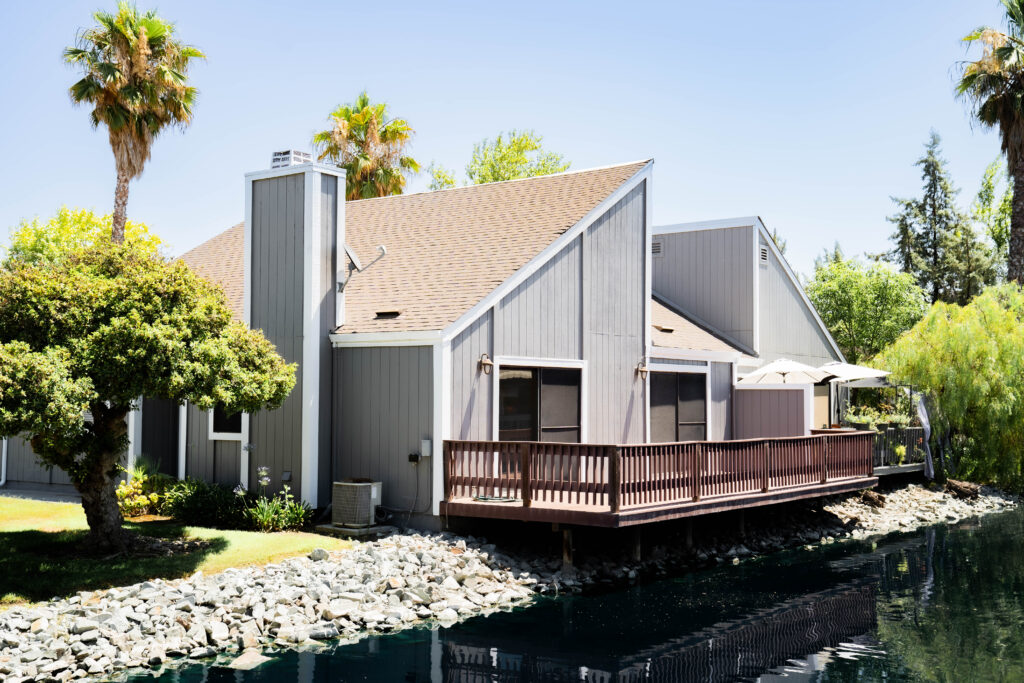
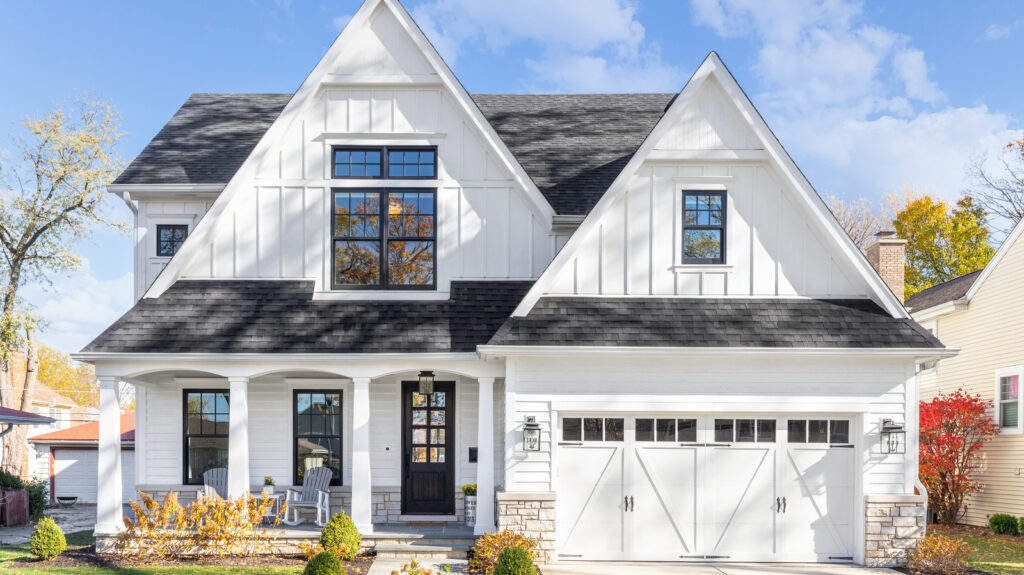
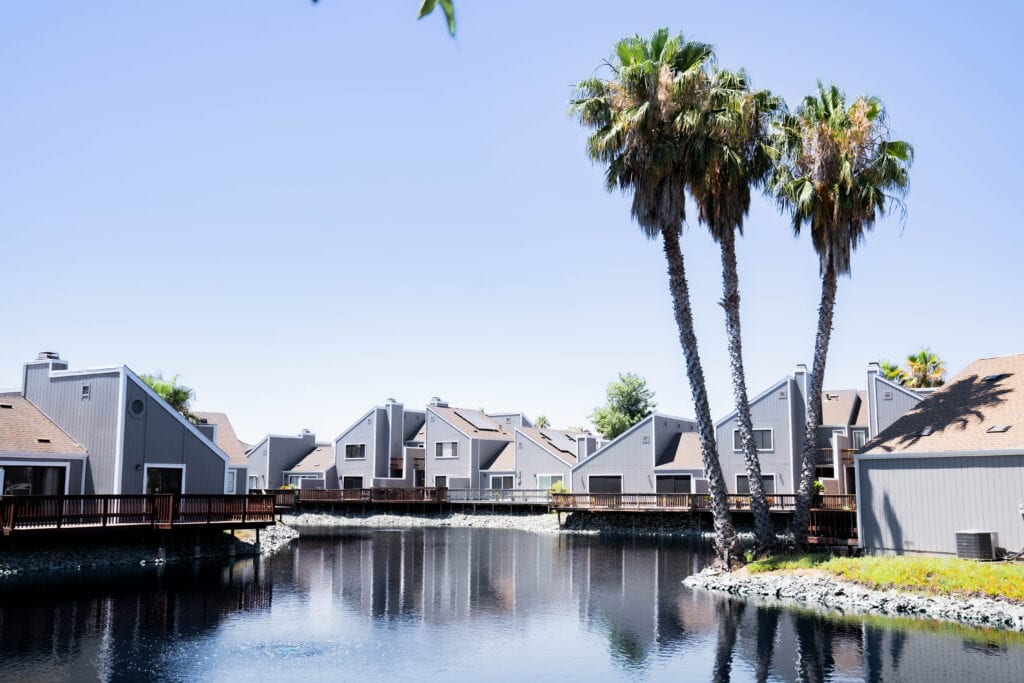
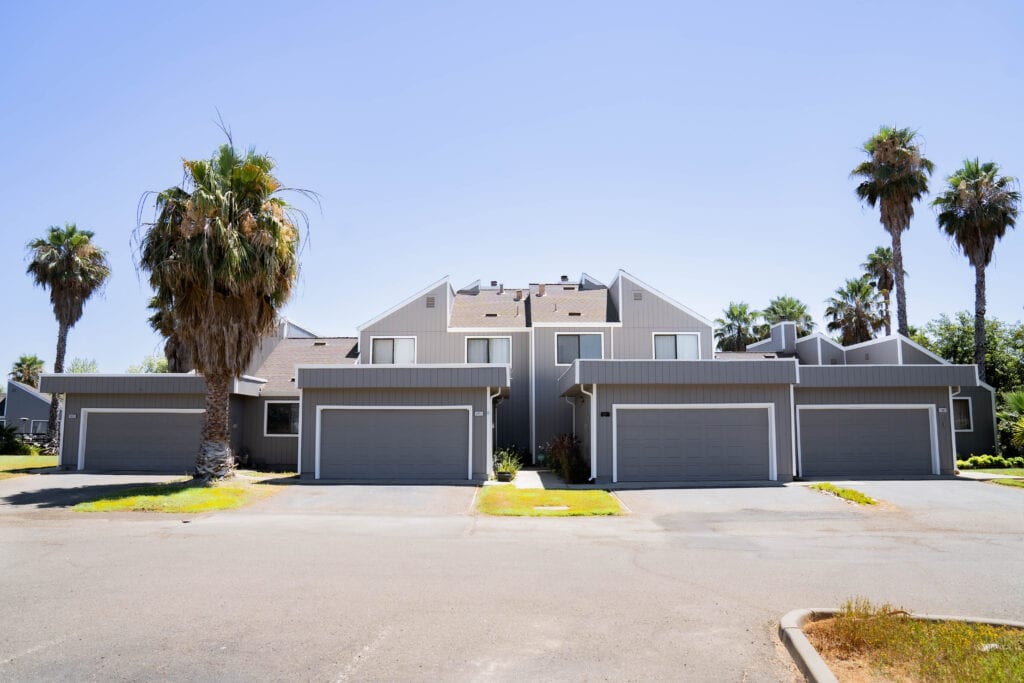
A look at homes we have re-sided and re-glazed across Sacramento, the Bay Area, and Lake Tahoe.

★★★★★ Rated 4.9 from 69 Google reviews
Heritage Exteriors is beyond exceptional. Very impressed with the timeliness, communication, and reasonable price of the whole project.
Heritage replaced my old crumbling wood siding and did a fantastic job. From the first interactions assessing the project and providing a quote, to the project itself, was all exceptional. My home looks brand new.
We recently had our house re-sided with Hardie product. We interviewed 3 companies, one of them being Heritage Exteriors. From our first meeting with David to the last day's work touching up paint, the experience was excellent.