★★★★★
Heritage Exteriors is beyond exceptional. Very impressed with the timeliness, communication, and reasonable price of the whole project.
Scott Doyen
Sacramento, CA · Google
Sacramento, CA · Google

You can pay your window contractor in full and still have a lien recorded against your house by a supplier you never met. California law allows it. The same law gives you the tools to prevent it, and they cost nothing to use.
Get a Free EstimateMost homeowners first hear the words "mechanics lien" when one is recorded against them. On a window job the risk is easy to describe and easy to control, as long as you set it up before the first payment and not after the last one.
This page is part of our California window guide. It is general information, not legal advice. If a lien has been recorded against your property, talk to an attorney promptly, because the deadlines are short.
A mechanics lien is a claim recorded against real property by someone who provided labor or materials to improve it and was not paid. California's rules are in the Civil Code starting at section 8000.
The feature that surprises people is who can file. It is not only the contractor you signed with. A subcontractor who installed the windows and a supplier who delivered them have lien rights of their own, even though you have no contract with either. The Contractors State License Board puts it plainly: contractors, subcontractors, laborers and material suppliers can file a mechanics lien on your property if they are not paid.
A recorded lien clouds your title. It can get in the way of selling, refinancing or opening a line of credit until it is released. The claimant can also sue to enforce it, and the remedy in that lawsuit is a court-ordered sale of the property.
Here is the usual case in plain terms. It is an illustration, not a story about a real job.
You hire a contractor to replace the windows in your house. The contractor orders them from a window distributor on credit. The windows are delivered and installed, the job looks good, and you pay the contractor the full contract price.
The contractor, short on cash, uses your money to pay an older debt and never pays the distributor for your windows. The distributor is owed money for materials that are now part of your house. If it sent you a preliminary notice on time, it can record a lien against your property for the unpaid amount.
You have now paid once, and you are facing a demand to pay again. Your claim against the contractor is real, but it is a claim against a business that has already shown it cannot pay its bills. This is why the law has you protect each payment as you make it.
A supplier or subcontractor cannot lien your home out of nowhere. Under Civil Code section 8200, before recording a lien, a claimant must give a preliminary notice to the owner, to the direct contractor, and to the construction lender if there is one. Compliance is a necessary prerequisite to a valid lien.
Under section 8204, the notice is due no later than 20 days after the claimant first furnished work. A late notice is not worthless, but it only preserves lien rights for work furnished within the 20 days before the notice was given and afterward.
Two groups do not have to send you one. A claimant with a direct contract with the owner, which means your own contractor, only has to notify a construction lender. And laborers are not required to give preliminary notice at all.
What this means for you:
Ask your contractor at signing who is supplying the windows and whether any part of the installation is subcontracted. Your contract is required to say whether a subcontractor will be used. See what a California window contract must include.
A waiver and release is a signed statement from a potential claimant giving up lien rights for a specific payment. California fixes the wording by statute. CSLB notes that a release must follow, substantially, one of the forms set out in Civil Code sections 8132, 8134, 8136 and 8138.
| Form | Civil Code | When you collect it | What it does |
|---|---|---|---|
| Conditional Waiver and Release on Progress Payment | § 8132 | Before or with a progress payment | Releases rights for that payment once the claimant is actually paid |
| Unconditional Waiver and Release on Progress Payment | § 8134 | After a progress payment has been received | Releases rights for that payment with no condition |
| Conditional Waiver and Release on Final Payment | § 8136 | Before or with the final payment | Releases all remaining rights once the final payment is received |
| Unconditional Waiver and Release on Final Payment | § 8138 | After the final payment has been received | Releases all remaining rights with no condition |
The conditional forms carry a printed warning that a person should not rely on the document unless satisfied that the claimant has received payment. The unconditional forms carry a notice to the claimant that the document gives up lien rights unconditionally. The wording is deliberate: a conditional release is a promise that depends on money arriving, and an unconditional one is a receipt.
The person giving up the right. A release from your contractor covers your contractor. It does not cover the window distributor. CSLB stresses that the actual claimant signs the unconditional release.
Civil Code section 8122 is the reason. An owner or a direct contractor may not, by contract or otherwise, waive or impair another claimant's lien rights. A line in your contract saying "no liens will be filed" does not bind the supplier. Only the supplier's own signature on a statutory form does.
For a typical window job with a down payment, a payment on delivery and a final payment, the routine looks like this.
CSLB calls joint checks the simplest way to prevent liens. You make the check payable to both the contractor and the supplier. Both have to endorse it, so the supplier knows the money exists and gets its share before the check can be cashed. On a window job, where one supplier often accounts for a large share of the cost, a joint check for the delivery payment covers the main risk in one step.
The other half of the protection is keeping payments behind the work. California limits the down payment and bars a contractor from collecting more than the value of work performed or material delivered. If you never pay for windows that have not arrived, the amount anyone could lien for stays small.
Lien rights expire quickly, and the dates are worth knowing if a claim arrives.
CSLB points out that an owner can shorten the recording period by filing a notice of completion with the county recorder within 15 days of the work being finished. On a larger project that is worth asking a title company or attorney about.
CSLB's guidance is to check validity first. Was a preliminary notice served on time? Did the Notice of Mechanics Lien come with the claim? Was it recorded within the deadline? Has an enforcement action been filed within 90 days?
An invalid or expired lien does not remove itself. It stays in the county records until someone clears it. Under section 8482, before asking a court to release an expired lien you must give the claimant at least 10 days' notice demanding that it record a release. If the claimant does not, section 8480 lets you petition the court for an order releasing the property.
If the lien is valid and the claimant was not paid, the practical answer is usually to get the supplier paid and get an unconditional final release in exchange, and then pursue the contractor. CSLB accepts complaints against licensees. It investigates violations and can discipline the license, but it does not guarantee you get money back.
A contractor who pays suppliers on time has no reason to resist any of this. Hesitation here belongs on the same list as the items in our guides to window sales red flags and red flags in contractor bids. For the license and bond side, see licensing and insurance requirements for California contractors, and for how payment structure shows up in a quote, see how to compare window replacement quotes.
Ask us who supplies your windows and how lien releases will be handled before you sign; they are ordinary questions and we are glad to answer them. If you want to talk through a payment schedule that keeps your payments matched to releases, raise it when we quote. Licensed in California, CSLB #1055919. Call (916) 546-2991.
Can a window supplier really put a lien on my house if I paid the contractor?
Yes. California gives lien rights to subcontractors and material suppliers as well as to the contractor you hired. If the contractor does not pay the supplier for your windows, the supplier can record a lien against the property where they were installed, provided it sent you a preliminary notice on time. Your payment to the contractor is not a defense by itself. That is why you collect releases.
I got a preliminary notice in the mail. Is something wrong?
No. A preliminary notice is not a lien and not a complaint about you. It is a required step that preserves the sender's right to lien later if it goes unpaid. Reputable suppliers send them on every job as routine. Keep it, note the date it arrived, and add the sender to the list of people you want a release from.
What is the difference between a conditional and an unconditional release?
A conditional release takes effect only once the claimant has actually been paid. You collect it before or with your payment. An unconditional release says the claimant has already been paid and gives up lien rights for that amount with no condition. You collect it after the payment has cleared. For the final payment there is a separate pair of final-payment forms.
Does my contractor have to send me a preliminary notice?
No. A contractor with a direct contract with the owner only has to give preliminary notice to a construction lender, if there is one. You already know who your contractor is. The home improvement contract carries a printed Mechanics Lien Warning instead. Preliminary notices to you come from subcontractors and suppliers.
How long can a lien sit on my property?
A claimant must file a court action to enforce the lien within 90 days after recording it. If no action is filed in that time, and no extension of credit has been recorded, the lien expires and is unenforceable. It still shows in the county records until it is released, so you may need to demand a release and, if that fails, petition the court to clear it.
Can I just make the contractor sign that there will be no liens?
Not in a way that binds anyone else. Under Civil Code section 8122, an owner or contractor cannot waive or impair another claimant's lien rights by contract. Only the claimant can give them up, by signing a waiver and release on the statutory form. A promise from the contractor is worth having. It does not replace releases from the supplier and any subcontractor.
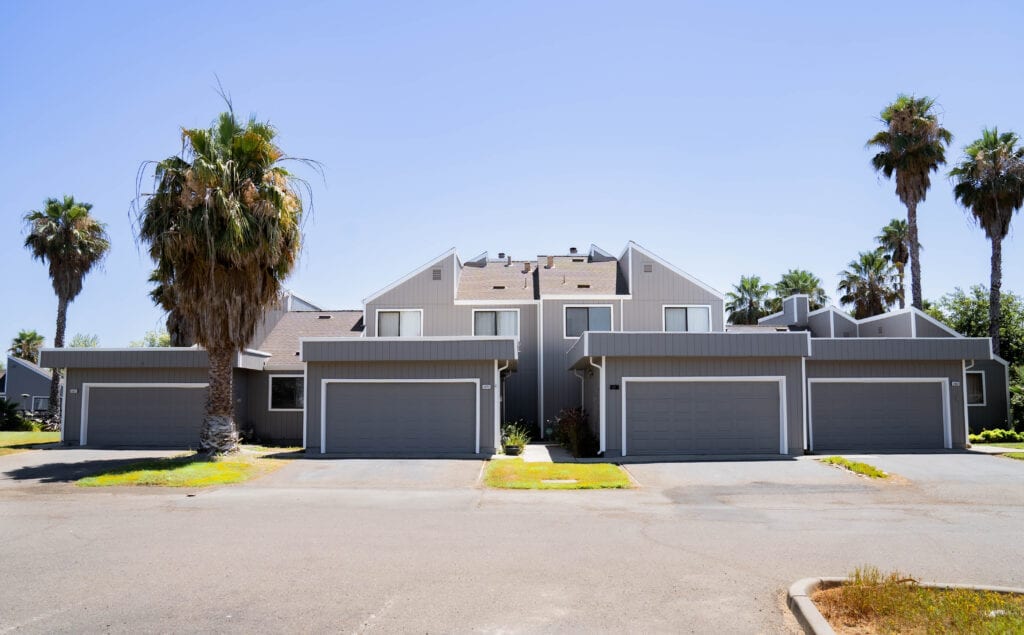
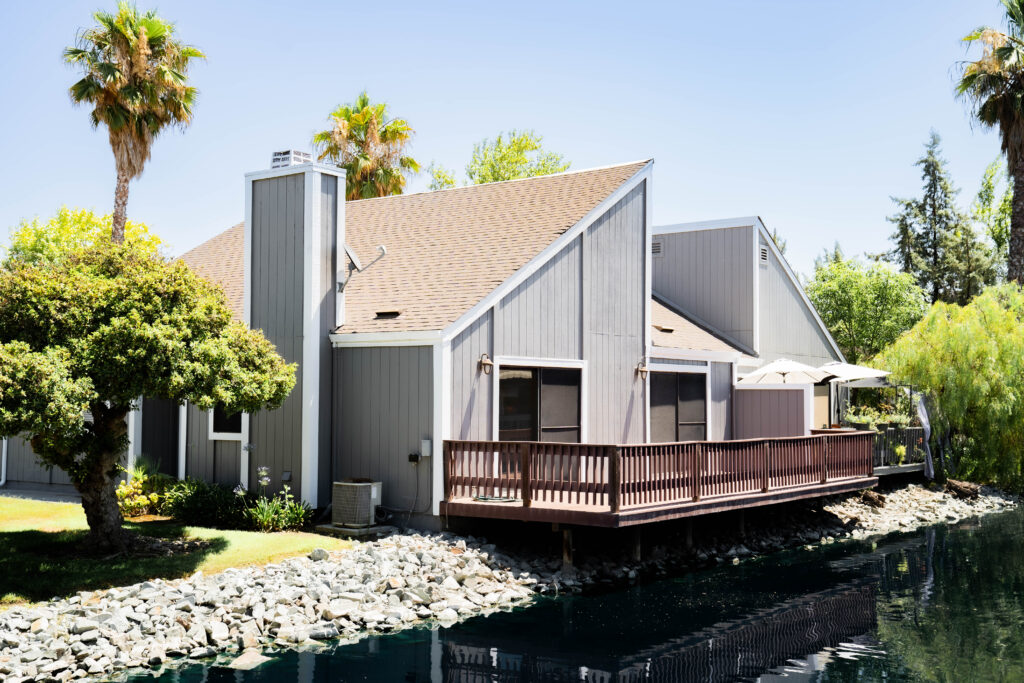
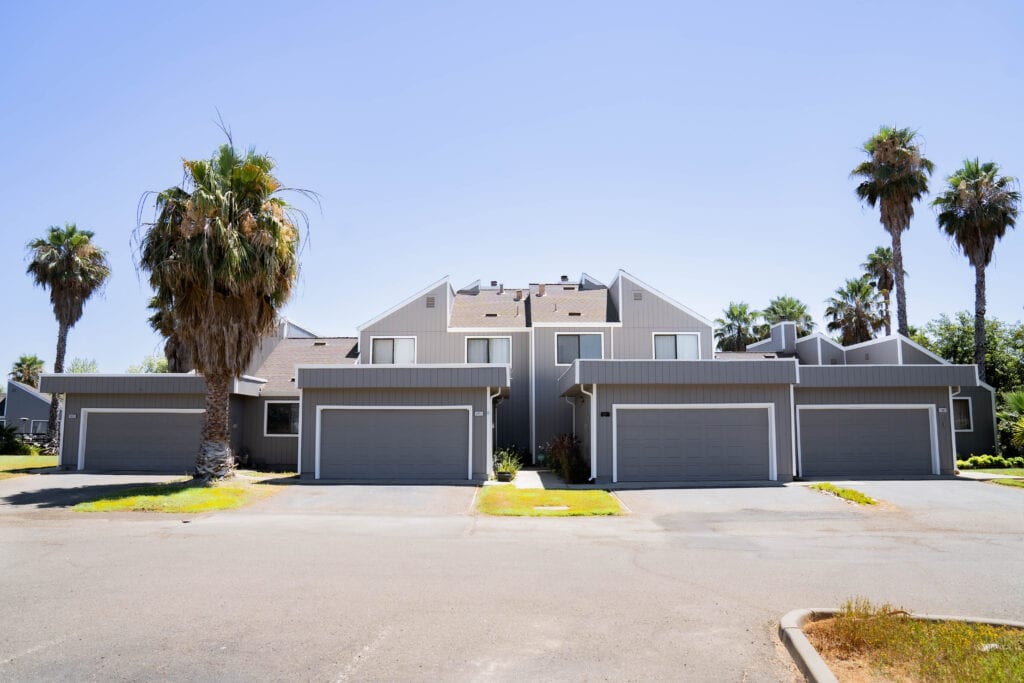
A look at homes we have re-sided and re-glazed across Sacramento, the Bay Area, and Lake Tahoe.





★★★★★ Rated 4.9 from 69 Google reviews
Heritage Exteriors is beyond exceptional. Very impressed with the timeliness, communication, and reasonable price of the whole project.
Heritage replaced my old crumbling wood siding and did a fantastic job. From the first interactions assessing the project and providing a quote, to the project itself, was all exceptional. My home looks brand new.
We recently had our house re-sided with Hardie product. We interviewed 3 companies, one of them being Heritage Exteriors. From our first meeting with David to the last day's work touching up paint, the experience was excellent.