★★★★★
Heritage Exteriors is beyond exceptional. Very impressed with the timeliness, communication, and reasonable price of the whole project.
Scott Doyen
Sacramento, CA · Google
Sacramento, CA · Google

There are seven frame materials you can realistically buy, and each one has a California climate it suits and one it does not. This is the side-by-side comparison and a way to decide.
Get a Free EstimateMost window pages on the internet compare two materials and declare a winner. That is not how the decision works. The frame that suits a shaded bungalow in Berkeley is wrong for a west-facing wall in Roseville and wrong again at 6,000 feet in Truckee. This page puts all seven frame materials next to each other and then sorts them by California conditions. It is part of our California window guide.
We already have single-material pages that go deeper: fiberglass versus vinyl, aluminum windows and wood windows. Use this page to narrow the field and those to go further.
The glass does most of the energy work, but the frame is not a bystander. The NFRC's consumer guide puts the sash and frame at roughly 10 to 30 percent of the total area of a window, and the U-factor on the label is a whole-window figure that includes the frame. A conductive frame drags that number up no matter how good the glass is.
The frame also decides everything the label does not measure: how much the window moves in heat, whether it needs paint, how slim the sightlines can be, what colors are available, and how long the thing lasts before the corners open up.
| Frame | Insulation | Stability in heat | Upkeep | Colors | Strength and sightlines | Relative cost |
|---|---|---|---|---|---|---|
| Vinyl | Good; comparable to wood | Moves the most with temperature; dark colors need special construction | Lowest; no painting | Mostly light colors; dark by capstock, laminate or coating | Least stiff; frames are thicker | Lowest |
| Fiberglass | Good | Very stable; expands at close to the rate of glass | Low; factory finish, can be repainted | Wider range, including dark | Stiff; slimmer frames | Mid to upper |
| Composite (for example Fibrex) | Good | More stable and rigid than vinyl | Low; no painting | Includes dark colors | Stiffer than vinyl; slimmer frames | Mid to upper |
| Aluminum, thermally broken | Fair; depends on the break | Stable and strong, though metal gets hot to the touch | Low; finish care near the coast | Anodized and painted, dark is routine | Strongest of the common options; slimmest sightlines | Mid to upper |
| Aluminum, non-thermal | Poor | Stable | Low | As above | Strong, slim | Low to mid |
| Wood | Good | Stable in heat; moves with moisture | Highest; paint or stain on a schedule | Any paint color or stain | Strong; traditional profiles | Upper |
| Clad wood | Good | Stable | Low outside, wood care inside | Factory exterior palette; any interior finish | Strong; traditional or modern profiles | Upper |
| Steel | Poor unless thermally broken | Very stable | Finish must be kept intact against rust | Painted, usually dark | Strongest; the thinnest sightlines made | Highest |
The cost column is a direction only. Real installed figures for our area are on the Northern California window cost page.
Vinyl is extruded PVC with hollow chambers. The chambers are the insulation: the NFRC consumer guide rates vinyl frames as comparable with wood in thermal performance. The color runs through the material, so there is nothing to repaint.
Its weakness is that it is the least rigid frame material and it expands and contracts with temperature more than the others. Manufacturers handle that with thicker walls, internal reinforcement and welded corners, and quality varies a great deal between a builder-grade window and a good replacement line. Heat is the specific California issue, and it is why dark vinyl is its own topic: see dark window frames in California heat.
Fiberglass frames are pultruded: glass fibers pulled through resin and cured into a rigid profile. The result is stiff and dimensionally stable. Milgard, which sells a fiberglass line in California, describes its frames as expanding and contracting at about the same rate as the insulated glass they hold, which reduces stress on the glass seals.
That stability is what you are paying for. It allows slimmer frames, larger units and dark colors without the precautions vinyl needs. Fiberglass can also be repainted later, which vinyl generally should not be.
"Composite" covers any frame that combines materials. The one most Californians will be offered is Andersen's Fibrex, which Andersen describes as wood fiber combined with thermoplastic polymer and markets as twice as strong as vinyl. It is used in Andersen's 100 Series and in Renewal by Andersen's windows, and as cladding on some of Andersen's wood lines.
In practice composite sits between vinyl and fiberglass: no painting, better rigidity than vinyl, and dark exterior colors offered as standard. A dedicated comparison is at composite versus vinyl windows.
Aluminum is light, strong and easily extruded into thin profiles, which is why it framed so much of California's mid-century housing. Its problem is conductivity. The NFRC consumer guide is blunt that heat and cold pass through an aluminum frame easily.
The fix is a thermal break: an insulating section between the interior and exterior halves of the frame, so there is no continuous metal path through the wall. Thermally broken aluminum is a legitimate modern product and the usual choice when the design calls for very slim frames or very large glass. Non-thermal aluminum is what you probably have if your house was built with single-pane sliders, and it will have trouble meeting the current Energy Code as a replacement.
Wood insulates well and takes any finish. The NFRC consumer guide gives wood frames good marks for thermal performance and is equally direct that wood is not intrinsically the most durable frame material: it needs its paint or stain kept up, and it rots where water sits.
In dry inland California, a maintained wood window lasts a very long time. The failures we see are on unmaintained south and west faces, where the sun cooks the finish off, and at sills where sprinklers hit the house. Wood is also the material historic review boards expect, which is covered below.
Clad wood puts an aluminum, vinyl or fiberglass shell on the exterior of a wood window. You get wood inside, where you see and touch it, and a factory finish outside that does not need painting. It is the standard construction for premium window lines, and it is the usual answer when a homeowner wants a wood interior without the exterior upkeep. The cladding is offered in a set palette rather than any color you like.
Steel is the strongest frame material and makes the thinnest sightlines of all. It is what the black-gridded windows in architecture magazines are actually made of. It is also the most expensive option here by a distance, it conducts heat unless thermally broken, and its finish has to stay intact to keep rust out. Steel is a design decision, usually for a few signature openings rather than a whole house. Most "steel look" windows sold for homes are aluminum, fiberglass or clad wood with narrow black frames.
Sacramento, Roseville, Stockton and Fresno put windows through long runs of triple-digit afternoons. Every material above survives that in a light color. The question is dark frames and large west-facing units, where thermal movement becomes visible as sticking sashes, stressed seals and, at worst, distortion. Fiberglass, composite, clad wood and aluminum handle dark colors in heat with the least fuss. Vinyl can, in a product engineered for it. Sun exposure more broadly is covered on our UV-resistant siding and windows page.
From Bodega Bay to Half Moon Bay and south, salt air and persistent damp go after metal first. Vinyl, fiberglass and composite frames do not corrode. Aluminum depends on its finish, and bare or damaged aluminum pits. Wood needs diligent paint. On any frame, the hardware is the weak point, and some manufacturers restrict products or warranty terms near the ocean, so read those terms before ordering. More in windows for coastal salt air and fog.
In Truckee and around Tahoe, insulation and condensation resistance come first. That counts against any metal frame without a serious thermal break, because a cold frame is where interior condensation and ice form. Fiberglass, clad wood, composite and good vinyl all work. Wide day-to-night temperature swings favor the more dimensionally stable materials. See our page on Tahoe and mountain homes.
California's wildfire building rules were replaced on 1 January 2026 by the California Wildland-Urban Interface Code, and they apply to windows in mapped fire hazard areas. The requirements center on how the window assembly performs, and the glazing is a large part of that. We keep the current rules in one place rather than restating them here: read wildfire-resistant exteriors before choosing a frame for a home in a fire hazard severity zone, and ask any supplier to show compliance for the specific product.
A window does not hold the wall up, and in an earthquake the wall racks around it. No frame material is "earthquake proof." What helps is the same in every material: a window installed with proper clearance and shimming so the frame is not carrying building load, and safety glazing where the code calls for it. Our page on earthquake-resistant siding and windows covers the installation side.
If the house is a designated landmark or in a historic district, the material may not be yours to choose. Review boards generally follow the National Park Service approach, which favors repair, and where replacement is justified expects the new window to match the old in appearance and, on street-facing elevations, often in material. That usually means wood or clad wood. Check before you order; see historic window repair or replacement in California.
Whatever the frame, the window still has to meet the U-factor and SHGC for your climate zone, and the installation matters at least as much as the material. Our guide to comparing window quotes shows how to make sure two bids are pricing the same thing, and window options lists the lines we install.
We install more than one frame material, so we have no reason to steer you toward a single answer, and we will say so when the cheaper frame is the right one for your wall. Tell us the color, the exposure and the size of the openings, and we will quote the materials that fit them with the NFRC figures for each. Licensed in California, CSLB #1055919. Call (916) 546-2991.
What is the most common window frame material for California replacement projects?
Vinyl. It insulates about as well as wood, never needs painting and is offered by nearly every manufacturer in retrofit frames made for stucco houses. That does not make it the right answer for every house. Dark colors, very large openings, historic districts and slim modern sightlines are the usual reasons to look at something else.
Is fiberglass better than vinyl?
It is stiffer and it moves less with temperature, which matters on large units, dark colors and hot west walls. It can also be painted. Whether that is worth the higher price depends on the house. On a standard-size white or tan window on a shaded wall, a good vinyl window and a fiberglass one will perform much the same for a long time.
Are aluminum windows still allowed in California?
Yes. No frame material is banned. The window has to meet the U-factor and SHGC for your climate zone, and plain aluminum conducts heat so readily that it struggles to. Thermally broken aluminum, which has an insulating break between the inside and outside of the frame, is how aluminum windows reach the required numbers. Check the NFRC label of the exact product.
What is a composite window frame?
A frame made by combining materials, usually wood fiber and a polymer. Andersen’s Fibrex, used in its 100 Series and by Renewal by Andersen, is the best-known example: the company describes it as wood fiber combined with thermoplastic polymer. Composite behaves like a stiffer, more heat-stable alternative to vinyl that does not need painting.
Which frame material is best near the ocean?
Vinyl, fiberglass and composite do not corrode, which makes the frame itself the easy part. The parts that fail first within reach of salt air are usually metal: locks, rollers, operators and fasteners. Whatever frame you choose, ask what hardware it ships with for coastal exposure and whether the warranty has a coastal exclusion.
Does frame material change whether a window meets Title 24?
Indirectly. The Energy Code sets a maximum whole-window U-factor, and the frame is part of that number. Vinyl, fiberglass, wood and composite frames reach the required U-factor with a standard dual-pane Low-E glass package. Metal frames need a thermal break and often a better glass package to get there. The NFRC label settles it for any specific product.
Which frame should I choose if I just want the sensible default?
For most stucco houses in the Sacramento Valley and inland Bay Area, a well-made vinyl window in a light color is the sensible default, with fiberglass or composite as the step up for dark colors and big openings. If your house is historic, coastal or in the mountains, the answer changes. Call (916) 546-2991 and we will tell you which way we would go and why.
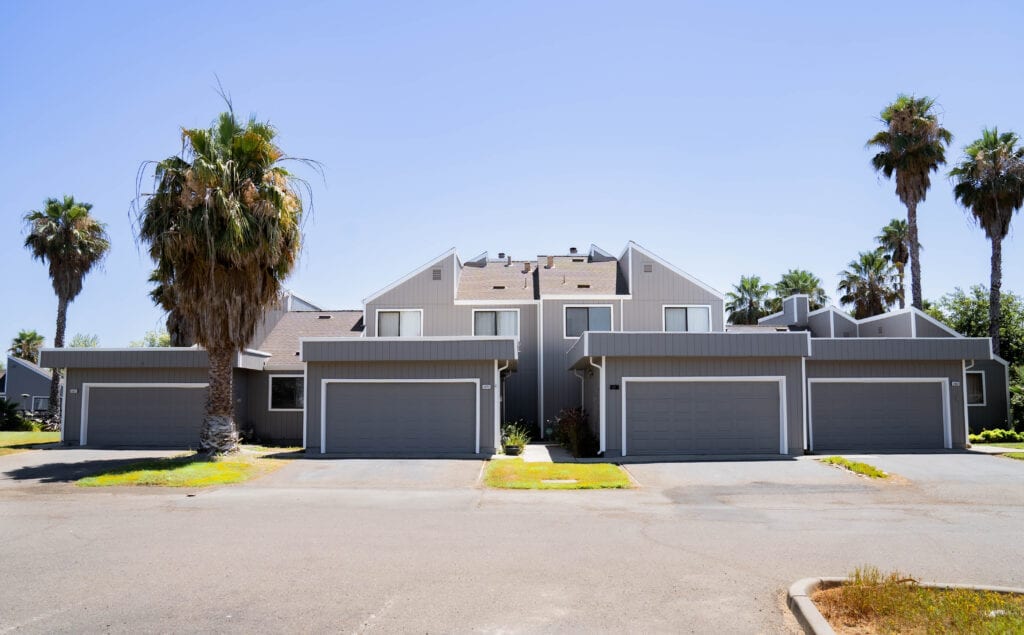
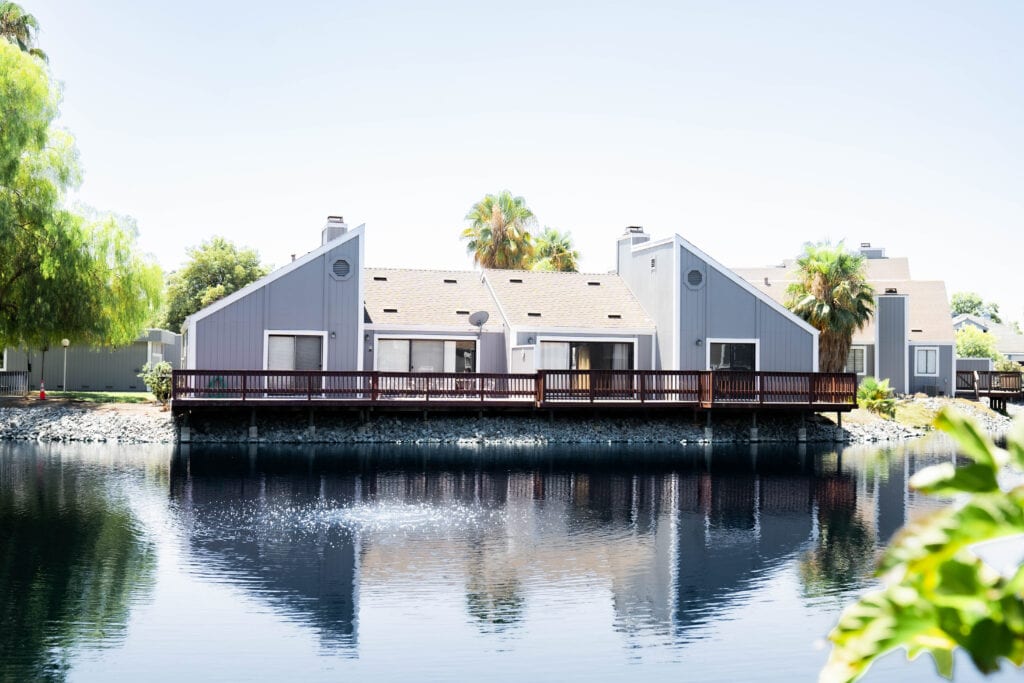
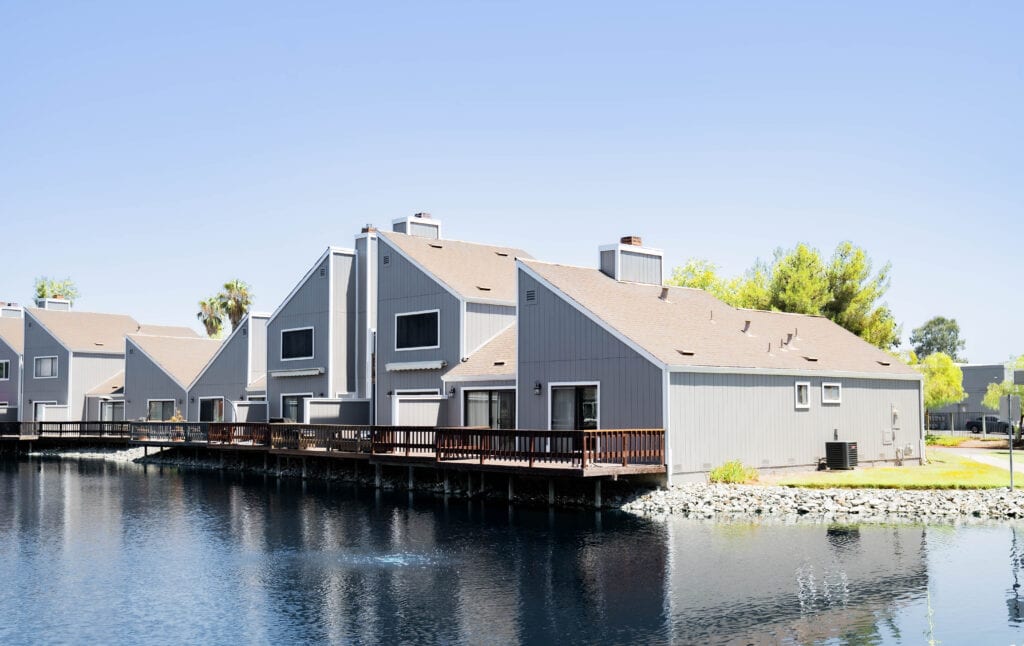
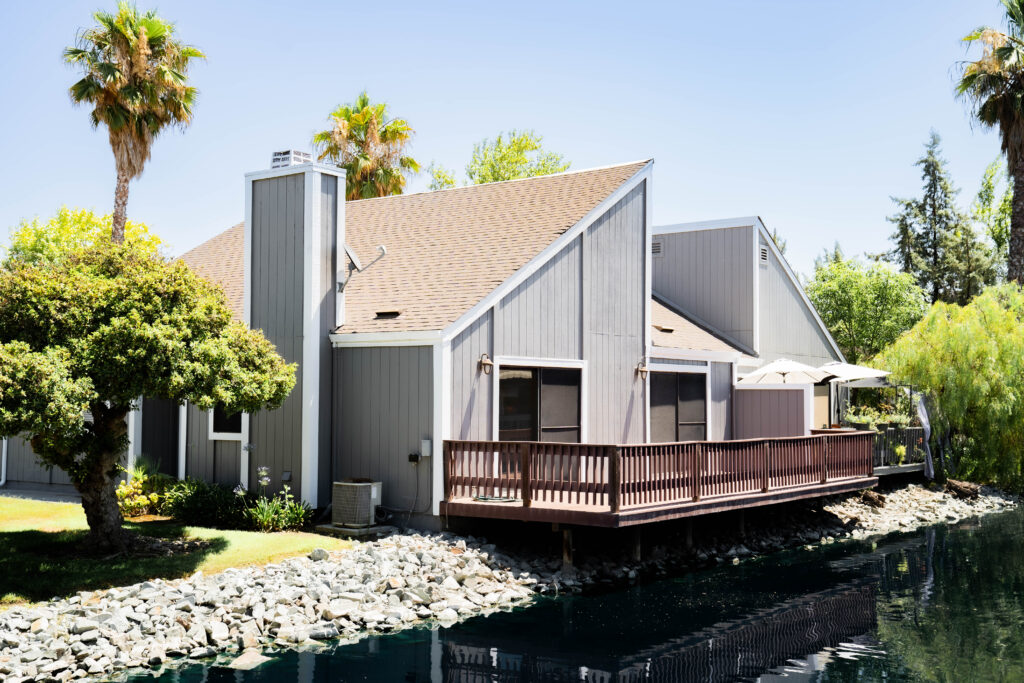
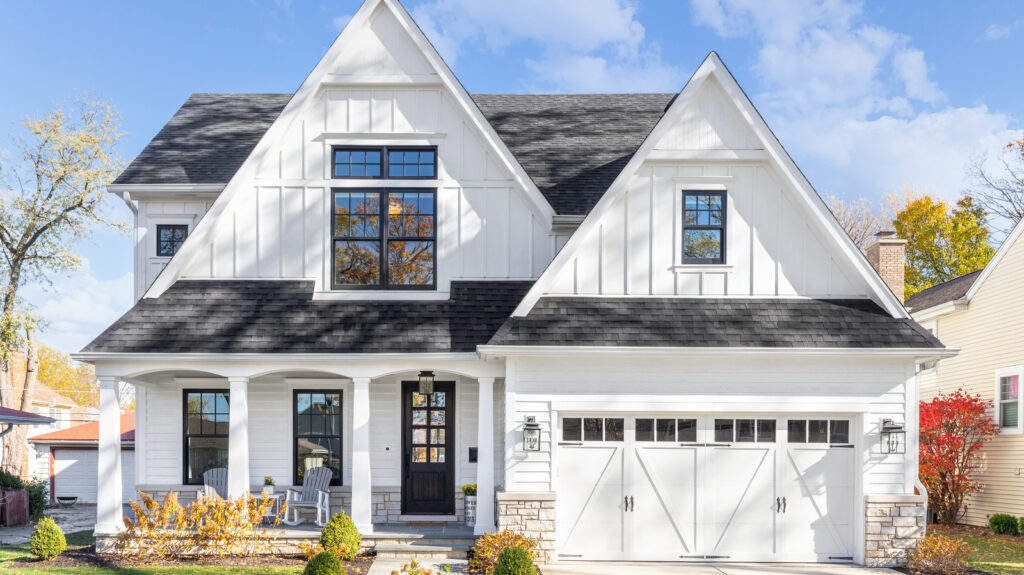
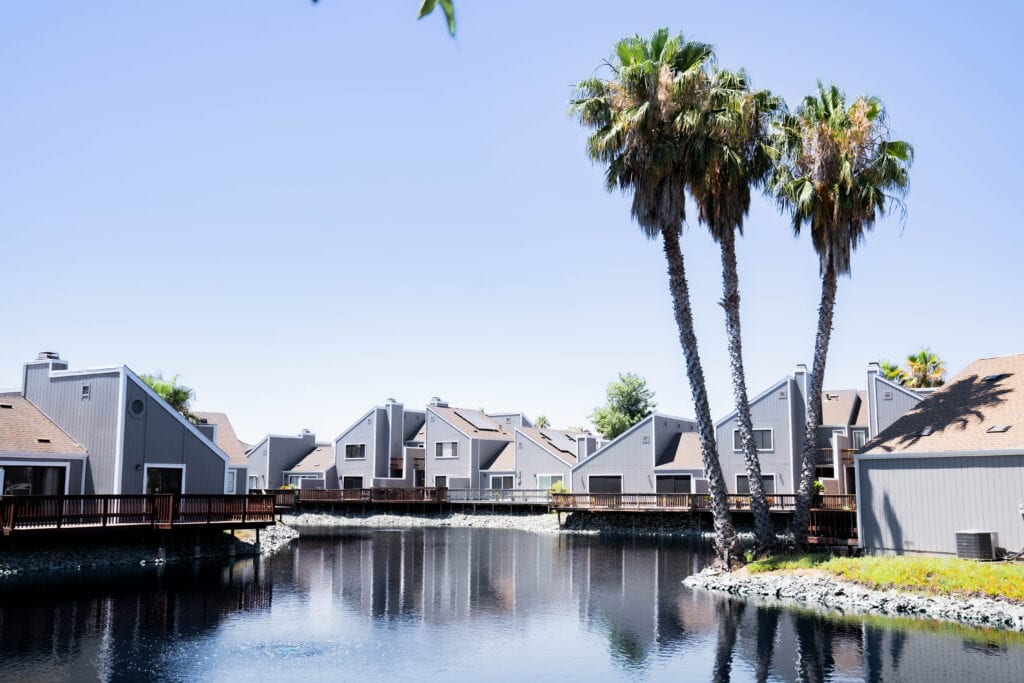
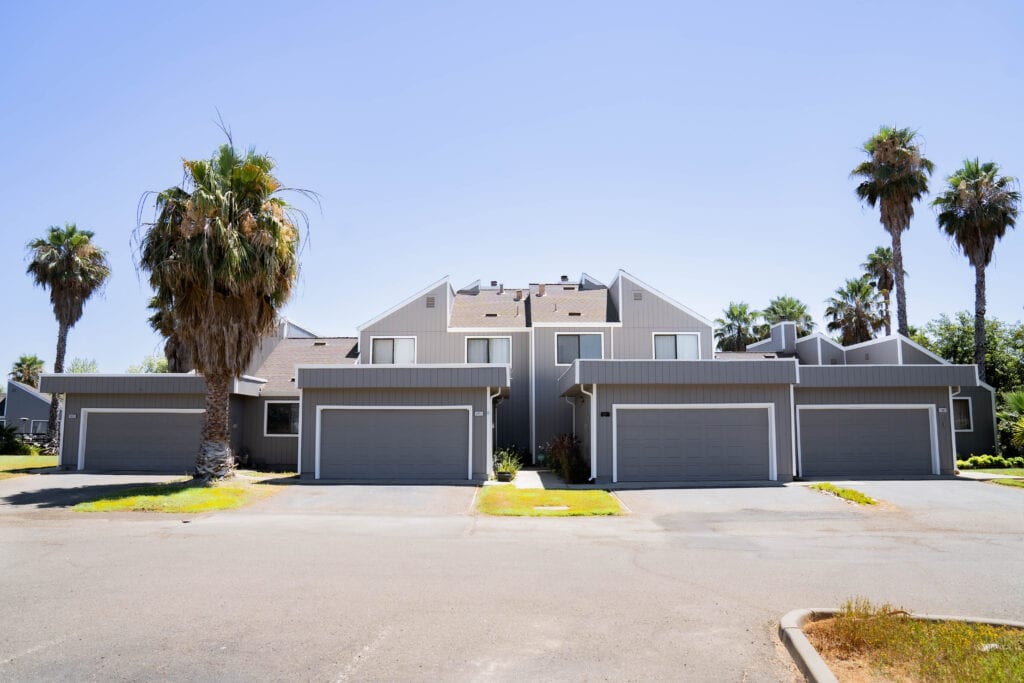
A look at homes we have re-sided and re-glazed across Sacramento, the Bay Area, and Lake Tahoe.

★★★★★ Rated 4.9 from 69 Google reviews
Heritage Exteriors is beyond exceptional. Very impressed with the timeliness, communication, and reasonable price of the whole project.
Heritage replaced my old crumbling wood siding and did a fantastic job. From the first interactions assessing the project and providing a quote, to the project itself, was all exceptional. My home looks brand new.
We recently had our house re-sided with Hardie product. We interviewed 3 companies, one of them being Heritage Exteriors. From our first meeting with David to the last day's work touching up paint, the experience was excellent.