★★★★★
Heritage Exteriors is beyond exceptional. Very impressed with the timeliness, communication, and reasonable price of the whole project.
Scott Doyen
Sacramento, CA · Google
Sacramento, CA · Google

Usually not all of them. New windows rarely pay for themselves at sale, but broken, fogged or leaking ones cost you in negotiation, and California makes you disclose what you know. Here is how to decide what to fix, what to replace, and what to put on the forms.
Get a Free EstimateSellers ask this more than almost any other window question, and they often ask it too late, after the inspection report has come back with a list. The better time is a few months before listing, when there is room to do it properly or to decide not to.
This page is part of our California window guide. It is general information, not legal or real estate advice. Your listing agent and, for disclosure questions, a real estate attorney are the people to rely on for your sale.
For most houses, replacing every window purely to sell is not the best use of money. Repair what is broken, replace what has failed, make sure everything opens and locks, and disclose the rest.
The exceptions are real, though. Whole-house replacement before a sale can make sense when:
A home inspector is hired by the buyer to find problems, and windows are quick to test. Expect each of these to be checked and written up:
None of these necessarily means a new window. A failed insulated glass unit can often be replaced in its frame. Balances, locks, rollers and screens are repairs. What an inspection report does is turn every one of them into a line a buyer can attach a number to.
A pre-listing inspection, paid for by you, tells you what that list will say while you still have time to choose your response.
Civil Code section 1102 applies California's seller disclosure rules to transfers of single-family residential property, as the statute defines it, by sale, exchange, real property sales contract, lease with an option to purchase, and similar arrangements. Section 1102(c) says that any waiver of these requirements is void as against public policy. An "as is" sale does not remove the duty to disclose.
Section 1102.6 prescribes the form, the Real Estate Transfer Disclosure Statement. On it, the seller reports what is known about the property's condition. For windows, three parts matter:
The standard is your knowledge. You are not required to commission an investigation, but you are required to be truthful about what you know.
Window replacement generally needs a permit in California. Many past replacements were done without one. If you know that windows in your house were replaced without a permit, by you or by an earlier owner, the disclosure form asks about exactly that.
You have three ways to handle it:
The fourth option, staying silent, is the one that produces lawsuits. Our page on permits for retrofit windows in California explains what the permit covers.
Civil Code section 1102.6h adds a disclosure for quick resales. It applies when a seller accepts an offer within 18 months of the date title was transferred to them, for offers accepted on or after 1 July 2024. The seller must disclose:
If you bought a house, replaced the windows and are selling within a year and a half, keep the contract, the contractor's details and the permit together. You will be handing them over.
For most housing built before 1978, federal law requires a seller to disclose known lead-based paint and lead hazards, provide available records and reports, give the buyer EPA's pamphlet "Protect Your Family From Lead in Your Home", and allow the buyer a 10-day period to arrange a lead inspection or risk assessment, which the parties can lengthen, shorten or waive in writing.
Old painted windows are a common location for lead hazards. If you replace them before selling, the work itself has to follow lead-safe rules. See lead paint and window replacement in pre-1978 homes.
A law taking effect on 1 January 2027 (Civil Code section 4754, added by SB 908) lets condominium owners replace windows that are exclusive use common area on certain conditions. One condition is that the owner, and each later owner, discloses to prospective buyers the existence of the window replacement project and the owner's continuing responsibility for it. See HOA approval for window replacement in California.
Agents and contractors often quote the Cost vs. Value Report, an annual study published by the remodeling trade press. It compares the estimated cost of a set of standard projects, window replacement among them, with the value real estate professionals estimate each adds at resale, broken out by region and city.
It is a useful reference if you read it for what it is.
We are not quoting its numbers here, because they change every year and the report is the place to read them. Look up the current edition for the Pacific region or your metro area. If a salesperson gives you a return-on-investment figure, ask which edition and which region it came from.
Our own view is that you should not buy windows expecting to get the full cost back at closing. Buy them before a sale because the old ones would cost you more in price reductions, repair credits or days on the market than the new ones cost to install. For current pricing, see window replacement cost in Sacramento and the Bay Area.
New windows give an agent something concrete to say, as long as the claim is documented.
Do not promise a buyer a particular saving on utility bills, and do not advertise a federal tax credit. The credit for windows ended for property placed in service after 2025.
For how to judge whether windows are at the end of their life, see how often windows should be replaced. If you do get quotes, how to compare window replacement quotes will keep them on the same footing.
If you are preparing to sell, we will tell you which windows need replacing, which can be repaired, and which are fine to leave, and we will give you a realistic lead time so the work is finished and inspected before you list. You get the permit, the product data and the warranty paperwork to pass to your buyer. Licensed in California, CSLB #1055919. Call (916) 546-2991.
Will new windows increase my sale price by what they cost?
Do not plan on it. Published cost-versus-value comparisons are regional averages built from estimates, and the return on any one house depends on its market, its price range and how bad the old windows were. New windows can make a house easier to sell and take an objection off the table. Treat them as a way to protect your price and shorten negotiation, not as an investment that returns more than it costs.
Do I have to disclose that my windows are fogged or leak?
If you know about it, yes. California's Transfer Disclosure Statement asks the seller about known defects and malfunctions in the property, and windows are among the listed components. A failed seal, a window that will not open, or a leak you are aware of belongs on the form. Disclosing a defect is far less risky than a buyer discovering after closing that you knew.
The previous owner replaced windows without a permit. Is that my problem?
It is something to disclose if you know about it. The disclosure form asks whether you are aware of alterations or repairs made without necessary permits, or not in compliance with building codes. You are disclosing your knowledge, not guaranteeing the history. Some sellers choose to legalize the work with the building department before listing, and others disclose and let the buyer weigh it. Ask your agent and the city what is involved.
I bought this house a year ago and renovated it. Are there extra disclosure rules?
Yes. Under Civil Code section 1102.6h, a seller who accepts an offer within 18 months of taking title must disclose room additions, structural modifications, other alterations or repairs made since taking title that were done by a contractor, give the contractor's name and contact information for jobs above a set contract price, and provide copies of permits obtained. It applies to offers accepted on or after 1 July 2024.
If I replace only some windows, which ones?
Start with anything broken, anything that will not open, close or lock, and bedroom windows that do not work, because inspectors test those. Then units with failed seals on the front of the house, where buyers form their first impression. After that, the elevation that takes the hardest sun or weather. Matching the remaining windows in color and style matters more to a buyer than brand.
Is it better to replace the windows or offer the buyer a credit?
A credit is simpler, and it lets the buyer choose the product. Replacement removes the issue from the inspection report and from the buyer's imagination, where an unknown repair often looms larger than it is. If the windows are a visible problem, fixing them before photos are taken is usually worth more than the same money offered as a credit. If the problem is minor or hidden, a credit or simply disclosing may be enough.
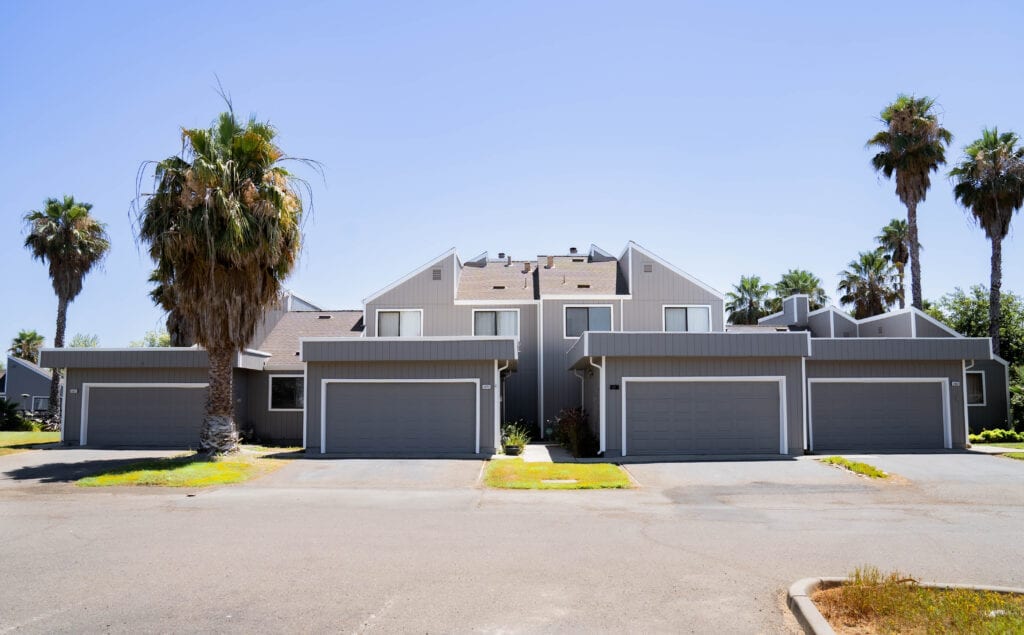
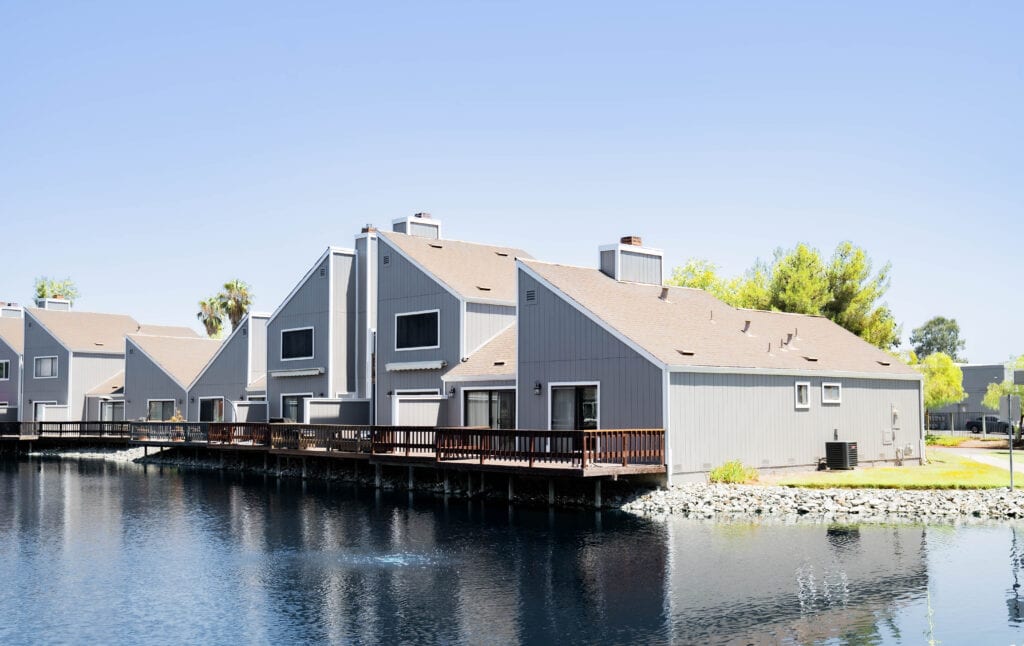
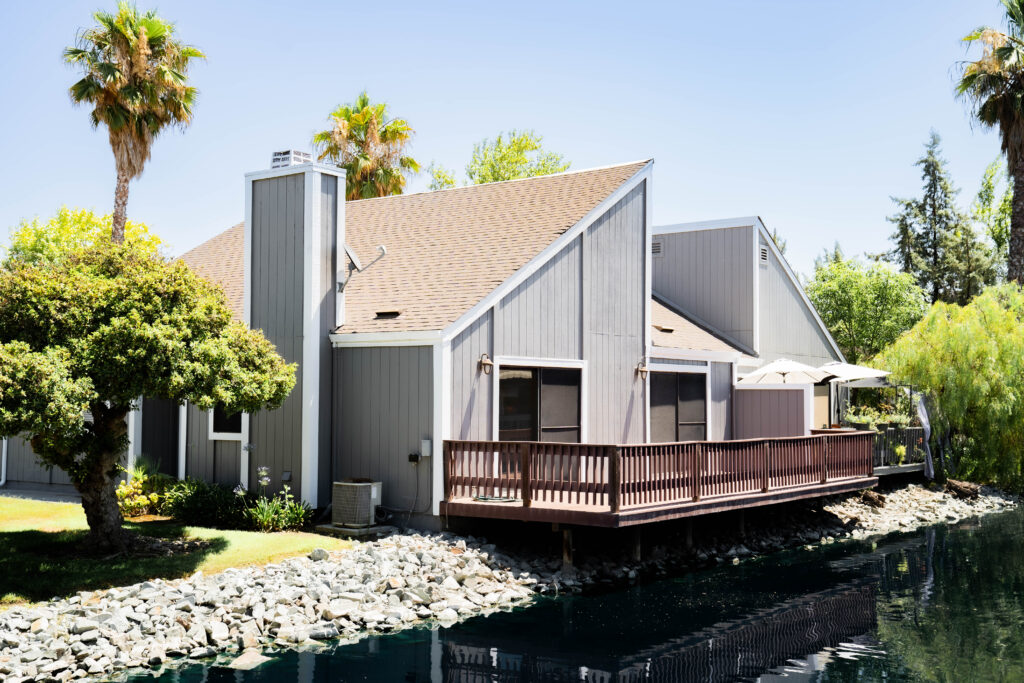
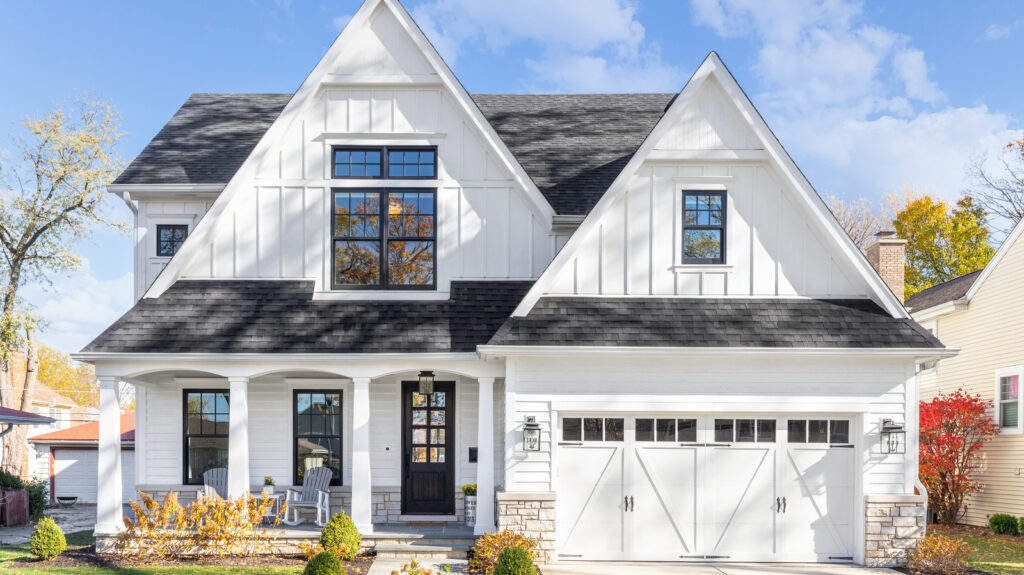
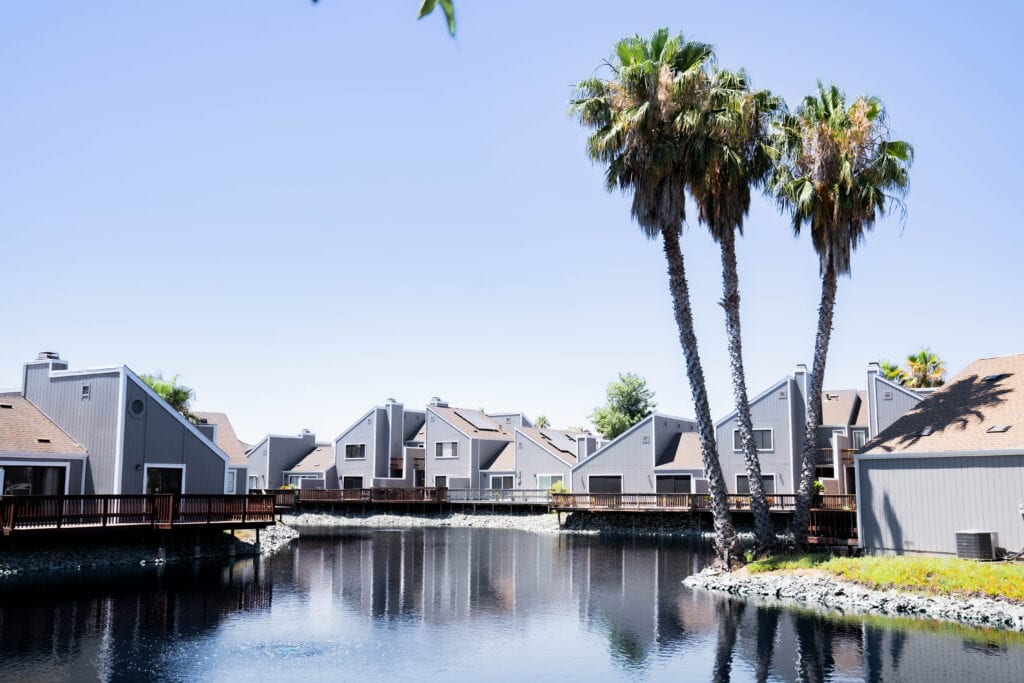
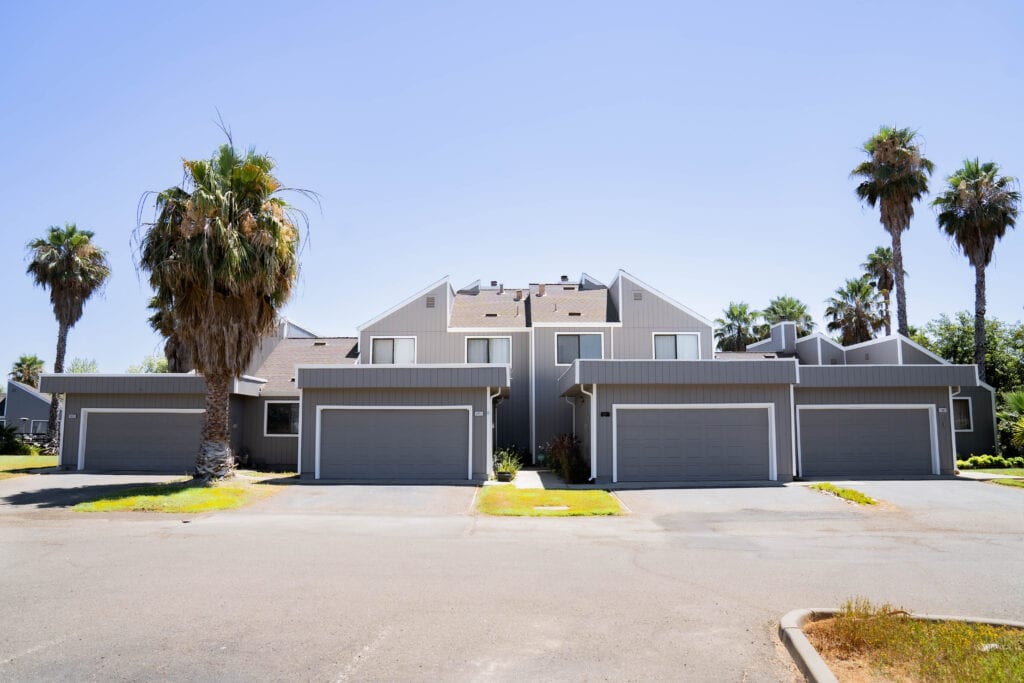
A look at homes we have re-sided and re-glazed across Sacramento, the Bay Area, and Lake Tahoe.


★★★★★ Rated 4.9 from 69 Google reviews
Heritage Exteriors is beyond exceptional. Very impressed with the timeliness, communication, and reasonable price of the whole project.
Heritage replaced my old crumbling wood siding and did a fantastic job. From the first interactions assessing the project and providing a quote, to the project itself, was all exceptional. My home looks brand new.
We recently had our house re-sided with Hardie product. We interviewed 3 companies, one of them being Heritage Exteriors. From our first meeting with David to the last day's work touching up paint, the experience was excellent.