★★★★★
Heritage Exteriors is beyond exceptional. Very impressed with the timeliness, communication, and reasonable price of the whole project.
Scott Doyen
Sacramento, CA · Google
Sacramento, CA · Google

A window in Pacifica or Bodega Bay ages differently from the same window in Sacramento. Salt attacks metal, fog keeps everything damp, and winter storms push rain sideways. The right choices are mostly about frame material, hardware, installation and reading the warranty before you buy.
Get a Free EstimateMost window advice in California is written for hot inland summers. On the coast the problem is different. Heat is rarely the issue; salt, moisture and wind are. This page is part of our California window guide and covers what actually fails on coastal windows and how to choose around it.
Three things, and they work together.
Sun still matters. Coastal UV is strong on clear days, and it degrades sealants and finishes. But on most coastal homes the order of damage is hardware first, then sealant and finish, and the glass last.
The exposure is not uniform. A house on the bluff in Pacifica, Half Moon Bay, Stinson Beach, Bodega Bay, Mendocino or Trinidad takes direct salt spray. A house a few blocks back in the Sunset or Richmond districts of San Francisco gets fog and salt-laden wind without the spray. Bayside locations such as Alameda, Sausalito, Tiburon, Foster City and Redwood Shores sit next to salt water too, with less wave action but the same chemistry.
Distance drops the exposure quickly, yet there is no single line where coastal ends. Manufacturers draw it in different places, which is why the warranty section below matters more than any rule of thumb.
Vinyl does not corrode and does not need paint, which is why it is the default on much of the Northern California coast. Milgard describes its V400 Tuscany vinyl frames as frames that will not absorb moisture and do not require painting. The limits are the usual ones for vinyl: fewer color choices, wider frames, and dependence on the quality of the metal hardware attached to it. See our Milgard window page for the lines we install.
Fiberglass is also inert in salt air, takes a painted finish, and is stiffer than vinyl, which helps large openings facing the wind. If you want dark exterior colors or slimmer sightlines on an exposed elevation, it is usually the stronger choice. Our comparison of fiberglass and vinyl windows goes through the tradeoffs.
Aluminum is where coastal exposure gets expensive. Bare or damaged aluminum pits and oxidizes in salt air, and older single-wall aluminum frames are also the coldest surface in the house, so they collect condensation. Modern thermally broken aluminum with a high-grade factory finish can work near the coast, but it asks more of you. Andersen's warranty for its large aluminum-clad door systems, for example, covers the painted finish for a shorter term near the seashore than inland and requires that scratches exposing the aluminum be repaired immediately to keep coverage.
Milgard's replacement warranty also excludes aluminum components in direct contact with concrete, steel or copper-treated wood. That is an installation detail: dissimilar materials touching in a wet, salty environment corrode each other. Our page on aluminum window advantages and disadvantages covers the material in general.
Wood windows can last on the coast, and many century-old ones have, but only with disciplined painting. Every exposed face has to stay sealed. If you are not going to keep up a paint schedule, choose something else for the weather side of the house.
| Frame | Salt air | Constant damp | What you maintain |
|---|---|---|---|
| Vinyl | Frame unaffected | Unaffected | Hardware, weeps, sealant |
| Fiberglass | Frame unaffected | Unaffected | Hardware, finish, sealant |
| Thermally broken aluminum | Finish and any exposed metal at risk | Unaffected if finish is intact | Regular fresh-water rinsing, touch-up, hardware |
| Aluminum-clad wood | Cladding finish at risk | Wood at risk wherever water gets behind cladding | Rinsing, touch-up, interior wood finish |
| Painted wood | Hardware at risk | High risk without paint upkeep | Full repaint cycle, glazing, hardware |
On a vinyl or fiberglass window the frame will outlast the lock. So the coastal question to ask a contractor is not only which window, but which hardware.
Stainless steel resists corrosion; it is not immune. In direct salt spray even stainless shows surface staining that has to be wiped off, and warranties reflect that.
Read the warranty for the specific product line before you sign. These are the terms as published by each manufacturer when we checked in October 2026.
| Manufacturer document | What it says about corrosive environments |
|---|---|
| Milgard Replacement Product Lifetime Limited Warranty (effective 1 January 2026) | Excludes normal weathering, corrosion and abnormal environments, except stainless steel hardware, which is covered against corrosion or oxidization for one year. Defines normal weathering to include tarnish, corrosion, oxidization or discoloration of hardware finishes. Also excludes interior condensation and water intrusion from wind-driven rain in high wind events. |
| Marvin Window and Door Limited Warranty | Defines coastal as within one mile of a sea coast or other salt water source. Warrants stainless steel hardware and PVD-finished hardware in coastal environments against abnormal deterioration of the finish for ten years, and states that other hardware finishes are not warranted there. Covers standard aluminum cladding finish in coastal environments for ten years. |
| Andersen limited warranty for Liftslide, Pivot, Bifold and Swing Doors and Custom Windows | Warrants the painted aluminum finish for ten years on products installed between two miles and 1,001 feet from the seashore. Within two miles, requires a systematic fresh-water cleaning program with mild soap and water at least every three months, and says failure to do so voids that warranty. Excludes tarnish or corrosion of hardware finishes. |
Two things stand out. First, no manufacturer promises that hardware will not corrode on the coast; the coverage is for defects, with corrosion mostly excluded or limited. Second, maintenance is a condition, not a suggestion. Keep a dated note or photo each time you rinse and service the windows. Our sibling guides on how window warranties work and window maintenance go further.
Coastal leaks are usually blamed on the window and usually caused by what surrounds it. The California Residential Code requires windows and doors to be installed in accordance with the manufacturer's written instructions and the openings to be flashed. It also requires exterior windows and sliding doors to be tested and labeled to the AAMA/WDMA/CSA 101/I.S.2/A440 standard, which is where a product's performance grade comes from.
What that means for a coastal house:
Coastal moisture also affects the wall itself. Our article on how Bay Area coastal moisture affects exteriors covers the siding side of the same problem.
Fog country has a second moisture problem that has nothing to do with rain. Indoor humidity condenses on cold glass and cold frames, and in a climate where outdoor air is also damp, the house does not dry out on its own. You see it as water beading on the bottom of the glass on winter mornings and, over time, mold on the sill or stained drywall below.
New windows help because the interior surfaces are warmer: low-e dual-pane glass, a warm-edge spacer, and a vinyl, fiberglass or thermally broken frame. They do not fix the humidity source. Our guide to fighting condensation on the inside of windows covers ventilation. Moisture between the panes is a different fault, a failed seal, explained in why windows fog between the panes.
Coastal climate zones are the mild ones. Eureka and Arcata are Climate Zone 1. San Francisco, Oakland and Berkeley are Zone 3. Under the 2025 Energy Code both require a maximum U-factor of 0.27 for replacement windows and have no prescriptive SHGC requirement. Move inland and that changes: Napa and Santa Rosa are Zone 2 and San Jose and Palo Alto are Zone 4, where the SHGC limit of 0.23 applies.
The practical point is that west of the hills you can choose glass for winter comfort and daylight rather than for blocking summer sun. Details, including the exception for small jobs, are on our page about what Title 24 requires of replacement windows. If you are unsure of your zone, the Energy Commission's address lookup is authoritative.
For most like-for-like window replacements on an existing house, no. Public Resources Code section 30610 exempts improvements to existing single-family residences from coastal development permits, and the regulations treat fixtures attached to the house as part of it.
The same regulation lists classes of work that do need a permit even on an existing house. They include improvements where the house is on a beach, in a wetland, seaward of the mean high tide line, in an environmentally sensitive habitat area, in an area a certified land use plan designates as highly scenic, or within 50 feet of the edge of a coastal bluff, and any improvement where an earlier coastal permit required a permit for future work. Many coastal cities and counties administer these rules through their own local coastal programs and sometimes add design review.
So the honest answer is: probably exempt, and worth one phone call to the planning counter if your house is on a bluff, on the sand, or in a design-review district. Changing the size of openings or adding new ones is more likely to draw review than replacing what is there. The building permit is separate; see whether you need a permit for retrofit windows.
For help reading competing bids, see how to compare window replacement quotes. For budgeting, our window replacement cost page has current ranges.
We install windows across the Bay Area and will specify the exposed side of a coastal house differently from the sheltered side when that is the right call, with the hardware material and warranty terms written into the quote. If your existing frames are sound and the problem is hardware or sealant, we will say so. Licensed in California, CSLB #1055919. Call (916) 546-2991.
How close to the ocean counts as coastal for a window warranty?
It depends on the manufacturer, and the definitions differ. Marvin's limited warranty defines a coastal environment as within one mile of a sea coast or other salt water source. Andersen's warranty for its large door systems uses two miles for its fresh-water cleaning requirement. Milgard's 2026 warranties do not use a distance at all and instead exclude corrosion and abnormal environments generally. Ask for the written warranty for the exact product line and read the corrosion wording before ordering.
Are vinyl windows a good choice near the ocean?
For the frame itself, yes. Vinyl and fiberglass do not corrode, which removes the largest coastal failure from the frame. The weak points move to the metal parts: locks, rollers, operators, screws and screen frames. Ask what those are made of and whether a stainless steel hardware package is offered for the line you are considering.
Do I need a Coastal Commission permit to replace my windows?
Usually not for a like-for-like replacement on an existing house, because the Coastal Act exempts most improvements to existing single-family residences. The exemption has exceptions written into the regulations, including houses on a beach, within 50 feet of a coastal bluff edge, in an environmentally sensitive habitat area, or where an earlier coastal permit said future improvements need one. Your city or county planning counter can confirm in one call. A building permit is a separate question and is generally still required.
Why do my windows get wet on the inside in foggy weather?
That is condensation, not a leak. Indoor air carries moisture from cooking, showers and breathing, and it condenses on the coldest surface in the room, which is usually the glass or an old aluminum frame. Foggy coastal weather keeps outdoor humidity high, so the house never dries out on its own. Better glass and a non-metal or thermally broken frame raise the surface temperature, and running bath and kitchen fans removes the moisture at the source.
Does Title 24 treat coastal homes differently?
Only through the climate zone. Eureka and Arcata are Climate Zone 1 and San Francisco, Oakland and Berkeley are Zone 3. Both have a maximum U-factor of 0.27 for replacement windows and no prescriptive solar heat gain requirement, because there is very little cooling load. That leaves you free to choose glass with a higher solar heat gain if you want winter sun, which is rarely an option inland.
How often should I rinse coastal windows?
Follow the schedule in your warranty, because some make it a condition of coverage. Andersen's warranty for its large door systems, for example, requires cleaning with mild soap and fresh water at least every three months within two miles of the coast. As a habit, rinse frames, tracks and hardware with fresh water whenever you can see or feel salt film, and never use a pressure washer. Milgard's warranty lists power washing among its exclusions.
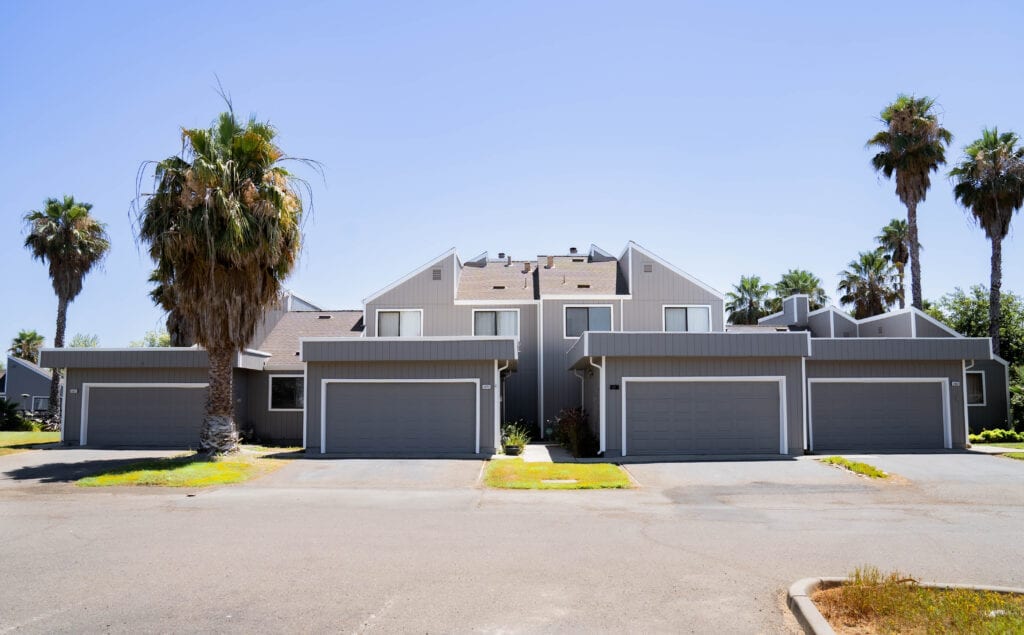
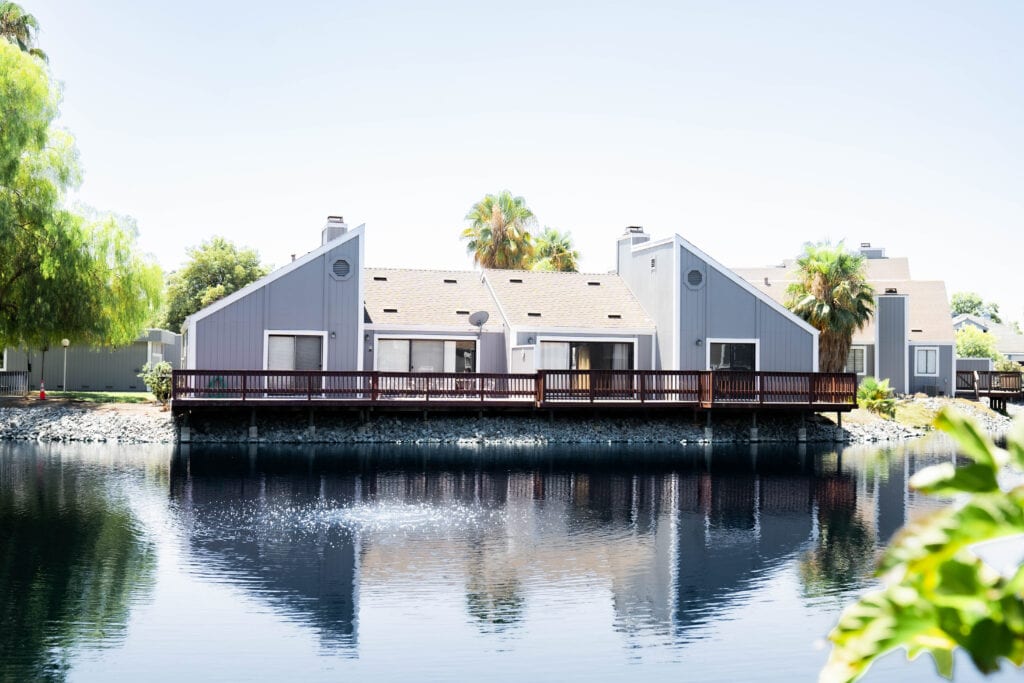
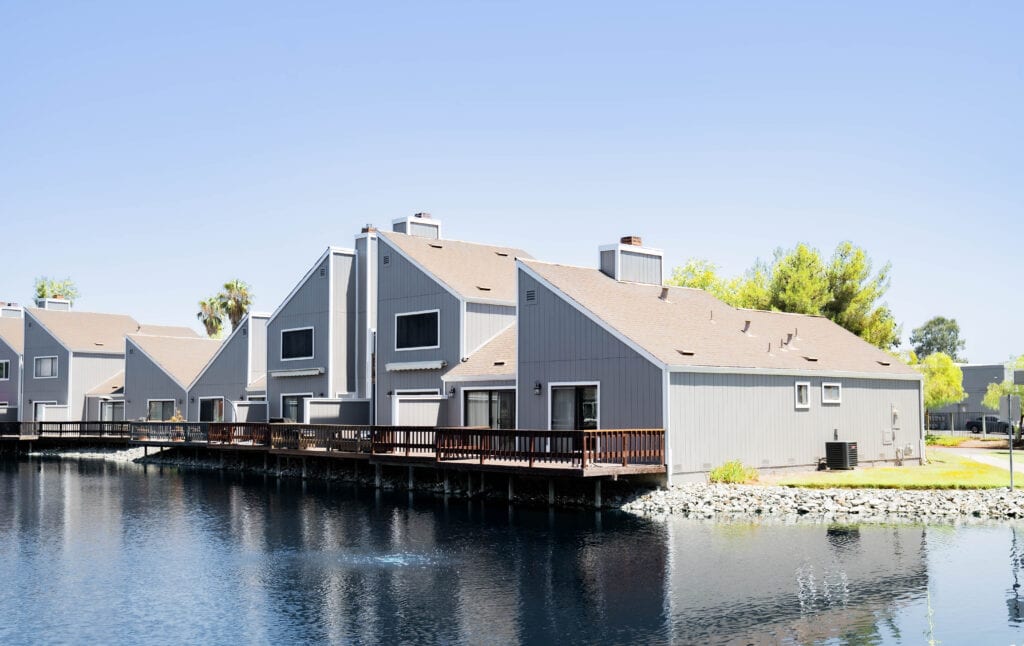
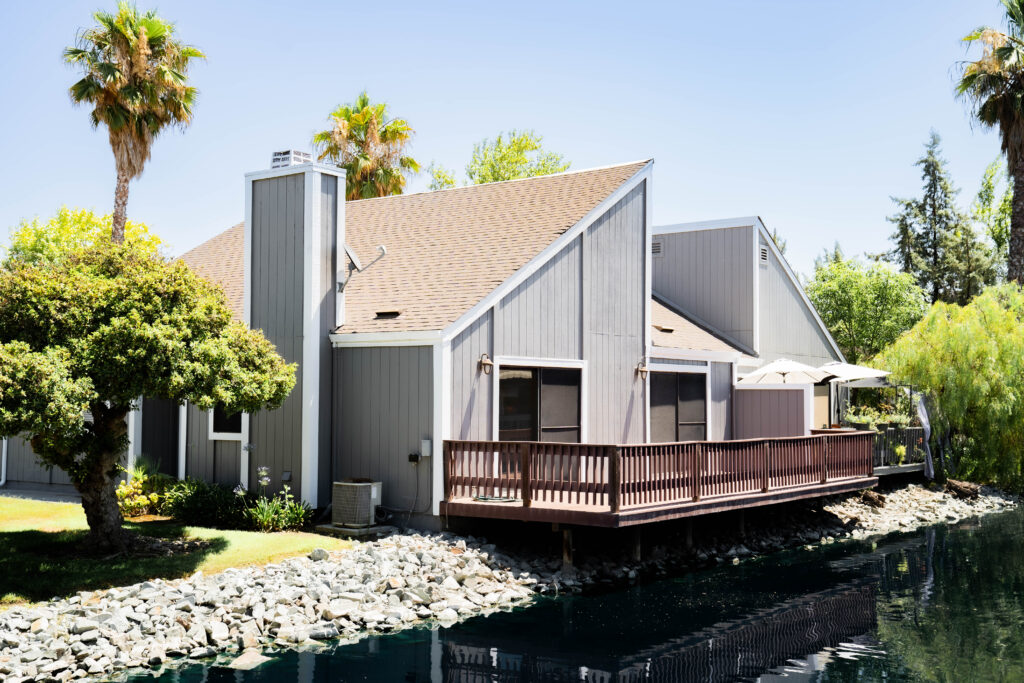
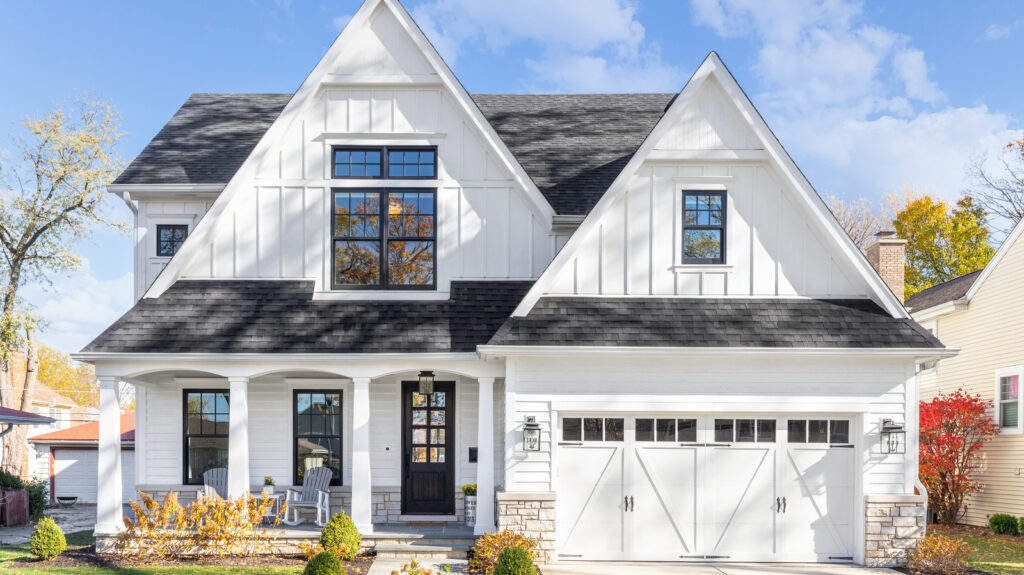
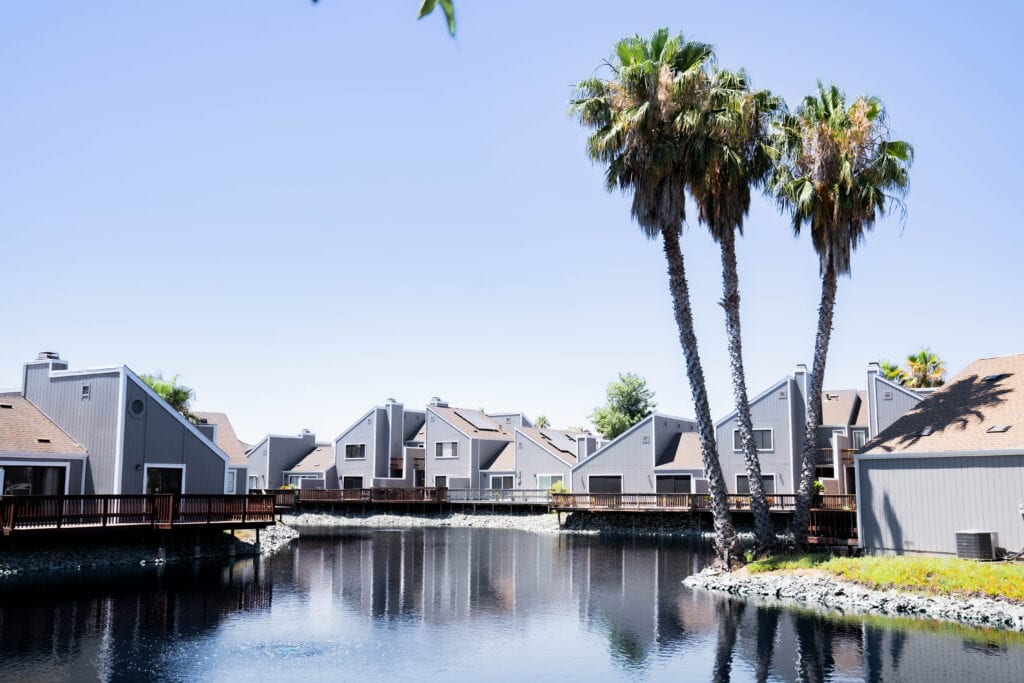
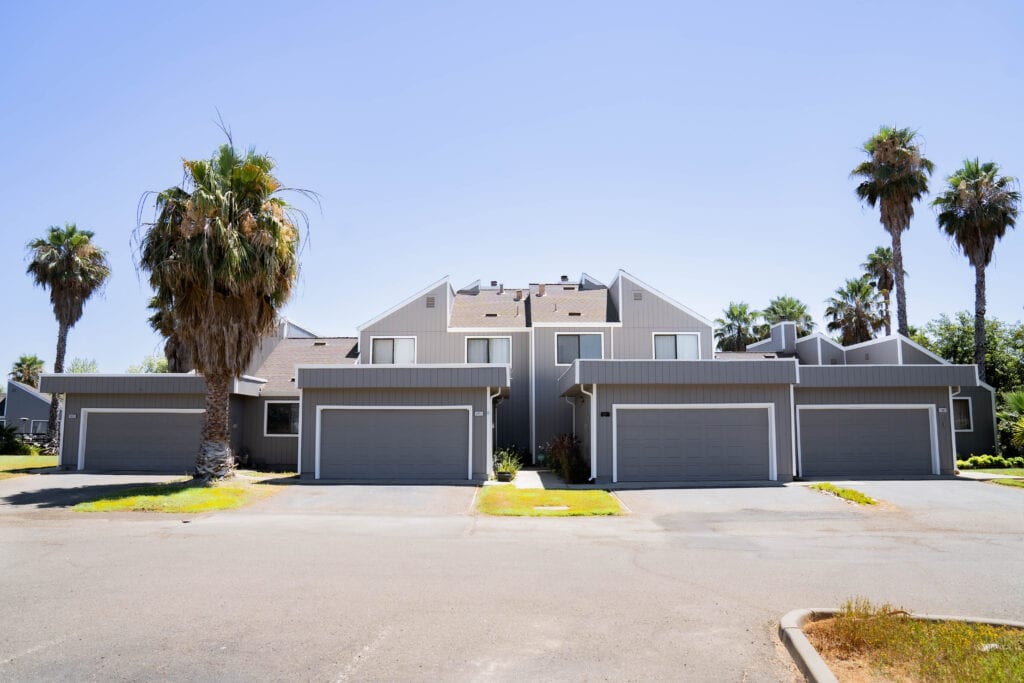
A look at homes we have re-sided and re-glazed across Sacramento, the Bay Area, and Lake Tahoe.

★★★★★ Rated 4.9 from 69 Google reviews
Heritage Exteriors is beyond exceptional. Very impressed with the timeliness, communication, and reasonable price of the whole project.
Heritage replaced my old crumbling wood siding and did a fantastic job. From the first interactions assessing the project and providing a quote, to the project itself, was all exceptional. My home looks brand new.
We recently had our house re-sided with Hardie product. We interviewed 3 companies, one of them being Heritage Exteriors. From our first meeting with David to the last day's work touching up paint, the experience was excellent.