★★★★★
Heritage Exteriors is beyond exceptional. Very impressed with the timeliness, communication, and reasonable price of the whole project.
Scott Doyen
Sacramento, CA · Google
Sacramento, CA · Google

Removing siding from an older home disturbs a lot of old paint very quickly. If the house was built before 1978, that paint may be lead-based, and federal rules govern how the work is done and who is allowed to do it. Most homeowners have never heard of this until a contractor raises it — and some contractors never raise it at all.
Get a Free EstimateLead-based paint was banned for residential use in the United States in 1978. Plenty of Sacramento and Bay Area housing predates that, and a great deal of it has been repainted many times since — which buries the lead layer without removing it. Tearing off siding disturbs every one of those layers at once.
This page covers what the rule requires, what compliant work looks like on site, and what to ask before you hire. It is buyer education: use it to interrogate any bid on a pre-1978 home, including ours.
The US Environmental Protection Agency's Renovation, Repair and Painting rule — usually just "RRP" — governs work that disturbs painted surfaces in housing built before 1978. It requires that firms performing such work be EPA Lead-Safe Certified, that individual renovators be trained, that specific work practices are followed, and that homeowners are given the EPA's lead hazard information pamphlet before work begins.
The trigger is the building's age, not a positive test. A pre-1978 home is treated as containing lead-based paint unless testing has established otherwise. Testing is an option, and on some projects it is worth doing — if surfaces come back lead-free the requirements fall away.
The rule applies above a threshold of disturbed painted surface, commonly cited as more than about 20 square feet on an exterior job. A siding replacement disturbs vastly more than that on the first morning. Even a single-elevation repair usually clears it comfortably.
So for practical purposes: if the home predates 1978 and siding is coming off, the rule is in play. That is worth knowing before you compare bids, because a contractor who has priced compliant work and one who has not are quoting different jobs.
| Practice | What you should see |
|---|---|
| Containment | Plastic sheeting on the ground extending out from the wall, and sheeting protecting adjacent surfaces; debris caught rather than falling into soil and landscaping |
| Access control | The work area marked off; residents, children, and pets kept clear while work is active |
| Dust suppression | Surfaces misted where practical; material lowered rather than dropped or thrown |
| Prohibited methods avoided | No open-flame or torch burning, no heat guns above the permitted temperature, no uncontained power sanding or grinding, no uncontained pressure blasting |
| Debris handling | Waste bagged or wrapped at the work area rather than piled loose and moved later |
| Cleanup and verification | HEPA vacuuming and wet cleaning of the work area, followed by a documented visual inspection |
| Documentation | The EPA pamphlet provided before work starts, and records retained by the firm |
Homeowners often assume exterior work is low-risk because nobody is living in the work zone. The exposure route is different from what people expect. Lead dust and paint chips from exterior work settle into the soil around the foundation — precisely where children play, where pets lie down, and where vegetable beds tend to be. From there it comes indoors on shoes and fur and becomes household dust.
That contamination outlasts the project by years, and it is essentially irreversible once it is in the soil. Containment during a two-week job is a very cheap way to avoid it.
Our guide to what to ask before signing a contract covers the wider list, and comparing siding quotes covers scope differences generally.
Lead paint rarely travels alone. A pre-1978 home may also raise questions about asbestos-cement siding, and older exteriors frequently hide moisture damage behind cladding that has been painted over repeatedly — peeling paint is often the visible end of a wall problem. Establishing all of it during planning is what keeps an older-home project from turning into a sequence of unwelcome discoveries.
Heritage Exteriors (CSLB #1055919) works on plenty of pre-1978 homes across Sacramento and the Bay Area. If your home is in that group, ask us the six questions above — they are the right questions to ask any bidder, and a contractor who cannot answer them cleanly on an older home is telling you something. Request a free estimate or call (916) 546-2991.
Reviewed August 2026. General information about the federal RRP rule, not legal advice. Requirements and thresholds can be revised — confirm current obligations with the US EPA.
Which homes does this apply to?
The EPA Renovation, Repair and Painting rule applies to housing and child-occupied facilities built before 1978, the year lead-based paint was banned for residential use in the United States. It is triggered by the age of the building, not by whether anyone has confirmed lead is present — unless the surfaces have been tested and found lead-free, a pre-1978 home is treated as if lead paint is there.
Does a siding job actually disturb enough paint to trigger it?
Almost always, yes. The rule covers work disturbing more than a threshold area of painted surface — commonly cited as more than about 20 square feet on the exterior of a job. A whole-house or even single-elevation re-side is far past that, so exterior work on a pre-1978 home is squarely inside the rule. Confirm current thresholds with the EPA, since figures can be revised.
What does a lead-safe contractor actually do differently?
The core practices are containment, control, and cleanup: plastic sheeting on the ground and up against the working area to catch debris, restricting access to the work zone, avoiding the prohibited high-dust methods, keeping the material wet where practical to suppress dust, gathering and bagging debris rather than letting it blow into the garden, and a thorough cleanup and visual inspection at the end. It changes how the site is run, not whether the job can be done.
What methods are prohibited?
The rule bars certain high-dust and high-fume practices on lead-painted surfaces: open-flame burning or torching, using a heat gun above the permitted temperature, machine sanding or grinding without HEPA exhaust control, and uncontained high-pressure blasting. These are exactly the shortcuts that make old paint removal fast — which is why the rule names them specifically.
How do I check whether a contractor is certified?
Ask for the firm’s EPA Lead-Safe Certified firm certification, and ask that a copy be attached to the contract. Certification applies at firm level, with individual renovators trained as well. The EPA also publishes a searchable list of certified firms you can check yourself. A contractor working on pre-1978 exteriors should be able to answer this immediately and without defensiveness.
Why should I care if the house is empty during the day?
Because lead dust does not stay in the work zone. It settles into soil around the foundation, onto patios and play areas, into vegetable beds, and gets tracked indoors on shoes and paws. The contamination outlasts the project by years. The people most affected by residual lead dust are small children and pregnant women, and the exposure route is usually soil and household dust rather than the work itself.
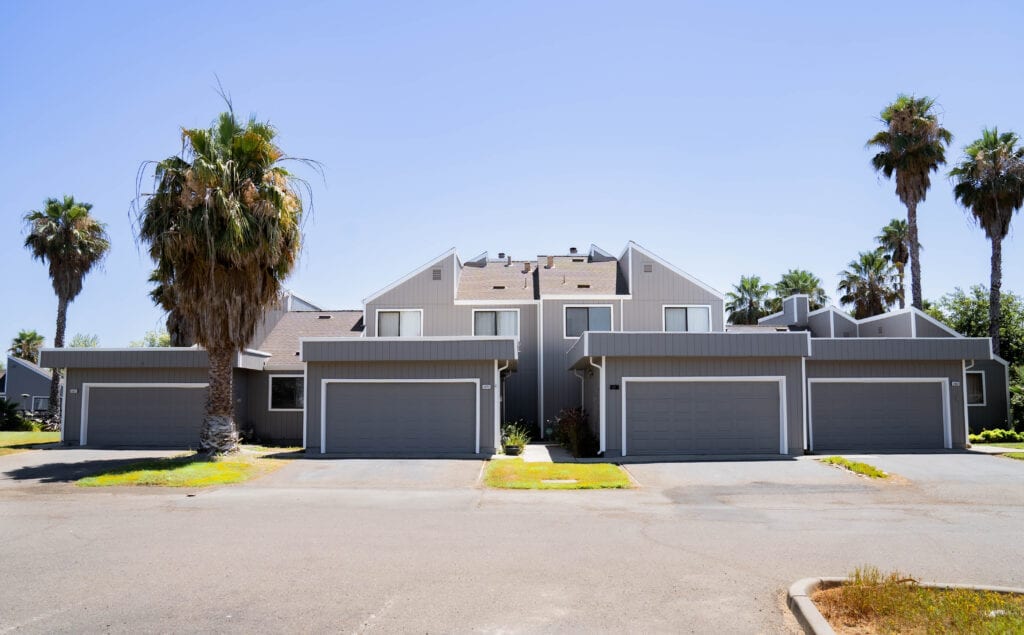
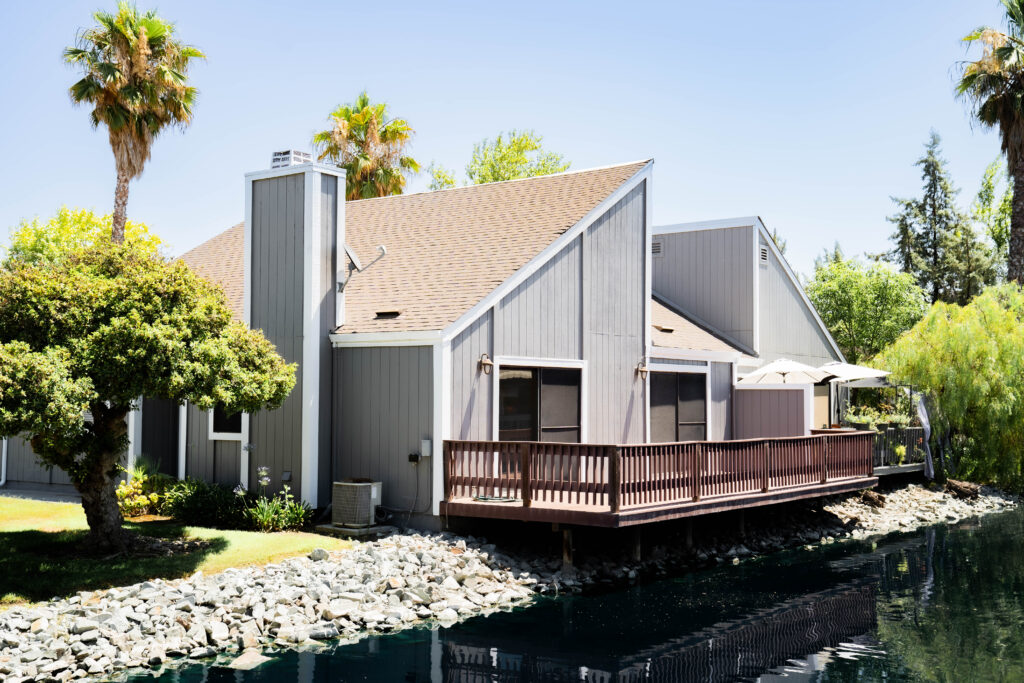
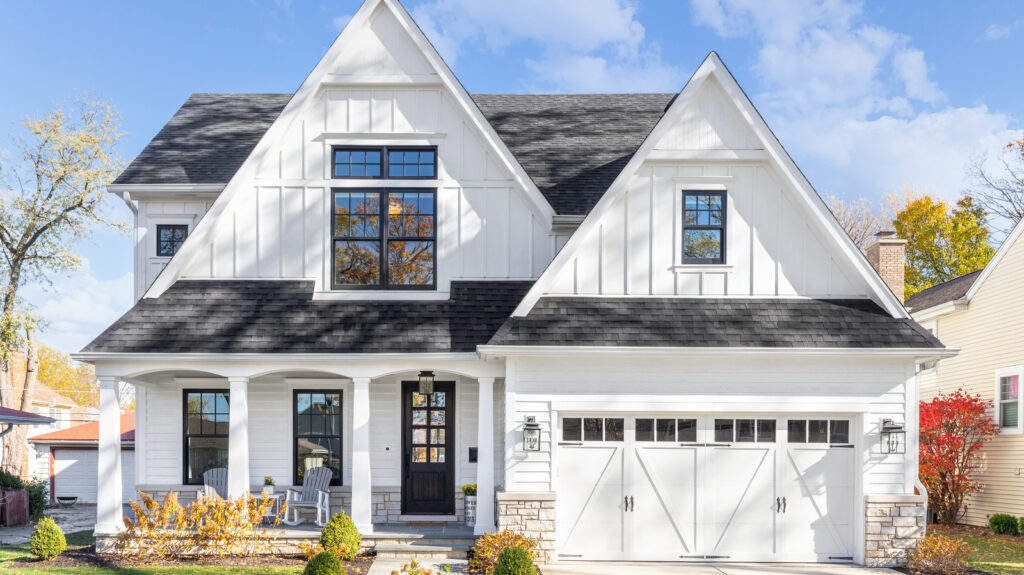
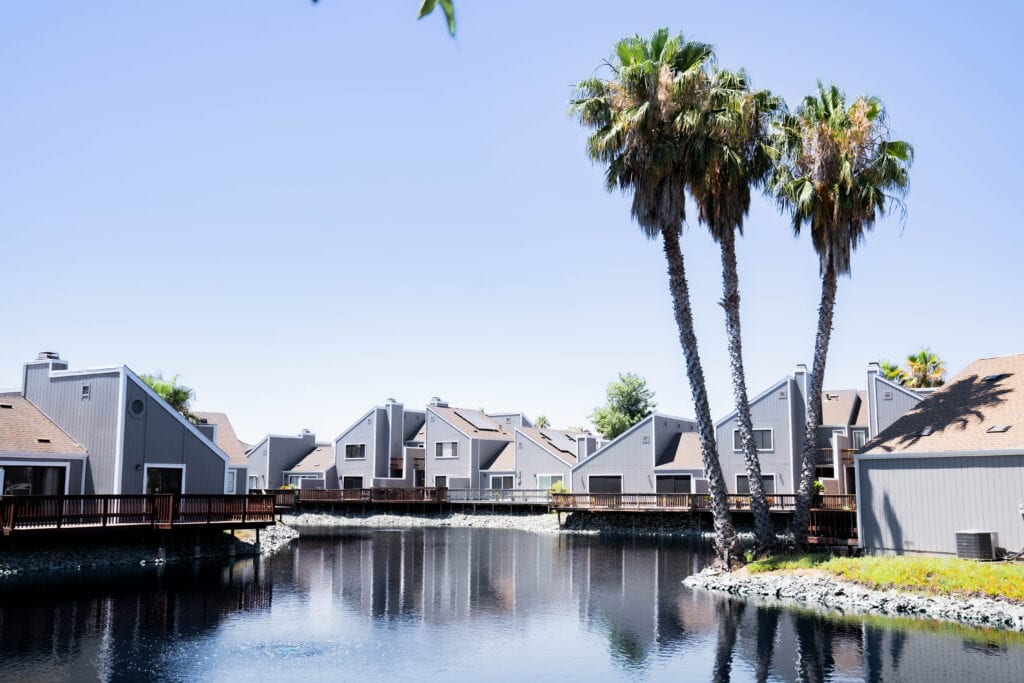
A look at homes we have re-sided and re-glazed across Sacramento, the Bay Area, and Lake Tahoe.



★★★★★ Rated 4.9 from 69 Google reviews
Heritage Exteriors is beyond exceptional. Very impressed with the timeliness, communication, and reasonable price of the whole project.
Heritage replaced my old crumbling wood siding and did a fantastic job. From the first interactions assessing the project and providing a quote, to the project itself, was all exceptional. My home looks brand new.
We recently had our house re-sided with Hardie product. We interviewed 3 companies, one of them being Heritage Exteriors. From our first meeting with David to the last day's work touching up paint, the experience was excellent.