★★★★★
Heritage Exteriors is beyond exceptional. Very impressed with the timeliness, communication, and reasonable price of the whole project.
Scott Doyen
Sacramento, CA · Google
Sacramento, CA · Google

Three multifamily siding bids arrive with three different totals and no common structure, and the cheapest one is cheapest because of what it does not say. Comparing them means rebuilding all three onto the same list of line items — and knowing which omissions are cosmetic and which will become a change order in month two.
Get a Free EstimateA multifamily re-clad is one of the largest capital items a property will spend on, and the bids are notoriously hard to compare. They arrive in different formats, use different bases of measure, and the differences that matter are usually omissions rather than line items. This is the list we would hand a property manager or board treasurer to normalize a set of proposals.
Two contractors can walk the same property and produce genuinely different projects. One assumes the existing weather-resistive barrier will be reused where intact; the other prices full replacement. One carries an allowance for sheathing repair; the other waits to find it. One prices the phasing, notices, and parking coordination as real labor; the other treats it as free. None of that is visible in a total.
So the first job is not choosing a bid. It is rewriting all of them onto one list.
| Line item | What to look for | Why it matters |
|---|---|---|
| Tear-off and disposal | Full removal vs. overlay; who pays disposal fees; container placement | Overlay is cheaper up front and prevents inspection of what is underneath |
| Substrate / sheathing repair | A stated allowance with a unit price (per sheet, per linear foot of framing) | The number one source of change orders; if it is absent it is not free |
| Weather-resistive barrier | Full replacement, named product, lap and seam detail | This layer, not the siding, is what keeps water out of the wall |
| Flashing | Window and door head/jamb/sill, kick-out at roof-wall, deck- and balcony-to-wall, penetrations | Where nearly all real-world leaks originate; the most commonly thinned line |
| Siding material and profile | Named manufacturer, product line, profile, thickness, finish | "Fiber cement" is not a specification; substitution risk lives here |
| Trim | Material and dimension at corners, windows, doors, bands | Often downgraded to a cheaper material than the field siding |
| Sealant | Named sealant type and where it is and is not used | Cheap to substitute, and a short-life sealant becomes a maintenance line in five years |
| Fasteners | Type and corrosion resistance, blind vs. face nailing | Affects both service life and manufacturer warranty validity |
| Finish / paint | Factory finish vs. field paint; number of coats; touch-up responsibility | Drives the repaint cycle, which is a reserve item for decades after |
| Penetrations | Vents, hose bibs, dryer terminations, electrical, cable, HVAC line sets | Each is a flashing detail and a coordination item; easy to leave unpriced |
| Deck, balcony, stair interfaces | How the cladding terminates and is flashed at these junctions | Highest-detail, highest-risk area on most multifamily buildings |
| Phasing and resident coordination | Phase map, schedule, parking plan, notice responsibilities | Real labor and real cost; free in a bid means unplanned |
| Permits | Who pulls, who pays, whose schedule absorbs the wait | Jurisdictional timelines can move a start date by weeks |
| Insurance and bonding | Certificate limits, additional-insured status, bonding if required | Verify against the association’s own requirements before award |
| Warranty | Product warranty and workmanship warranty stated separately, with terms | Two different documents from two different parties |
| Change-order process | Written, priced, signed before work; agreed unit prices; named signer | Decides whether discovered work is a negotiation or an invoice |
| Cleanup | Daily cleanup, magnetic nail sweep, final condition of landscaping and parking | On an occupied property this is a safety item, not a courtesy |
If time is short, these three do most of the work:
Boards approve what they can compare. Rebuild the bids onto the table above, mark each cell as included, excluded, or unstated, and bring the unstated cells back to the bidders as written questions before the vote. The bid that answers them completely is usually the one that has actually planned the job — and the differences that emerge in that round are frequently larger than the differences in the original totals.
For the sequencing side of the project, see how to phase multifamily siding work on occupied properties. For longer-horizon budgeting, see planning exterior repair reserves.
Heritage Exteriors (CSLB #1055919) bids multifamily and commercial exteriors on this structure by default — itemized scope, a stated substrate allowance with unit pricing, named products, and a phasing plan included in the proposal rather than negotiated later. To have a property walked and scoped, request a consultation or call (916) 546-2991.
Why do multifamily siding bids vary so much?
Almost always because of scope, not markup. The largest variables are how much substrate repair is assumed, whether the weather-resistive barrier and flashing are being fully replaced or partly reused, whether penetrations and deck-to-wall junctions are properly detailed, and whether phasing and resident coordination are priced at all. Two bids can differ by a large margin and both be honest — they are describing different projects.
Should a multifamily bid be priced per square foot or per unit?
Per square foot of wall area is the more accurate basis, because wall area is what actually drives labor and material. Per-unit pricing is useful for board-level budgeting and for comparing against other properties, but it hides real differences: two 40-unit communities can have very different wall areas, story counts, and window counts. Ask for the square-foot basis even if the summary is presented per unit.
What is the single most common omission?
Substrate repair. Nobody knows how much rot or damaged sheathing is behind the cladding until it comes off, so a bid either carries a defined allowance for it or quietly leaves it out. A bid with no substrate line is not cheaper — it has simply moved that cost into a future change order.
What is the difference between the product warranty and the workmanship warranty?
The product warranty comes from the manufacturer and covers the material itself against defects, subject to correct installation. The workmanship warranty comes from the contractor and covers the installation. They are separate documents with separate terms and separate durations, and a bid should state both. A long manufacturer warranty says nothing about how long the installer stands behind the work.
Do we need to specify the sealant and fastener, or is that over-specifying?
It is worth specifying. Sealant type and fastener type are low-cost line items where substitution is easy and invisible at handover, but both directly affect how long the assembly lasts and whether the manufacturer warranty holds. Naming them is not micromanagement; it removes an ambiguity that otherwise gets resolved in the contractor’s favor.
How should the change-order process be written?
It should require that no additional work proceeds without a written, priced, signed authorization, and it should name who on the ownership or management side holds signing authority. It should also state the basis for pricing extra work — ideally unit prices agreed up front for the likely items, such as sheathing replacement per sheet, so that discovered work is priced against a number everyone agreed to before it was found.
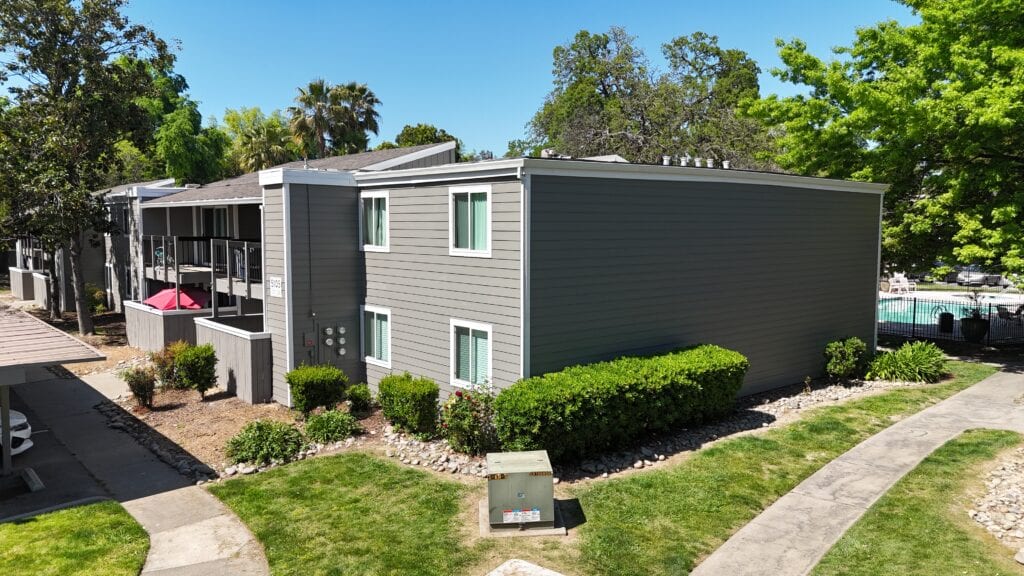
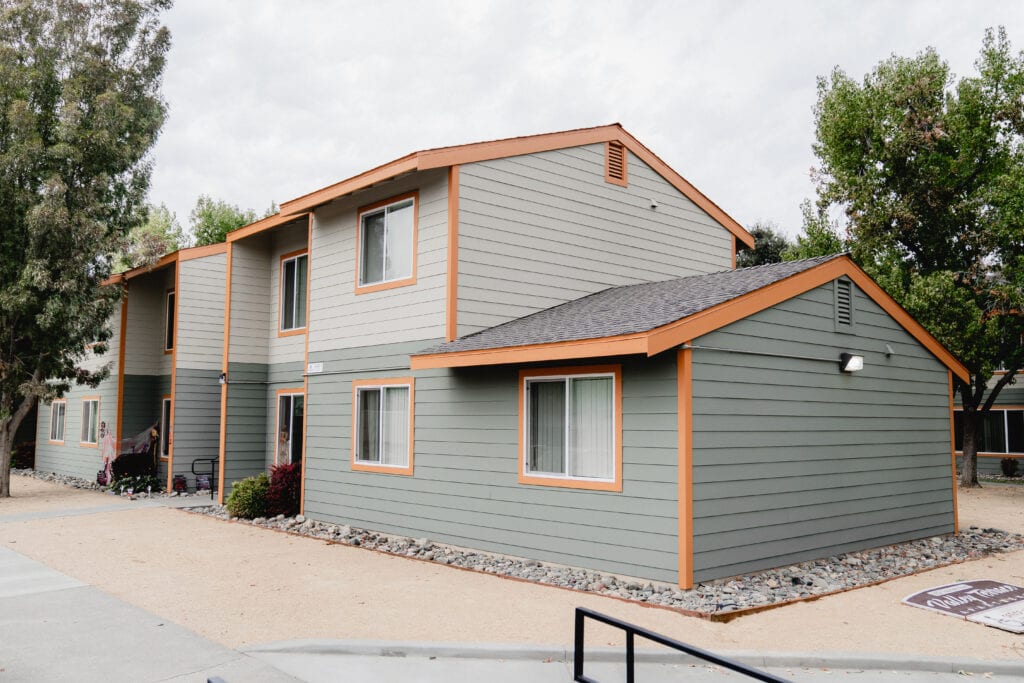
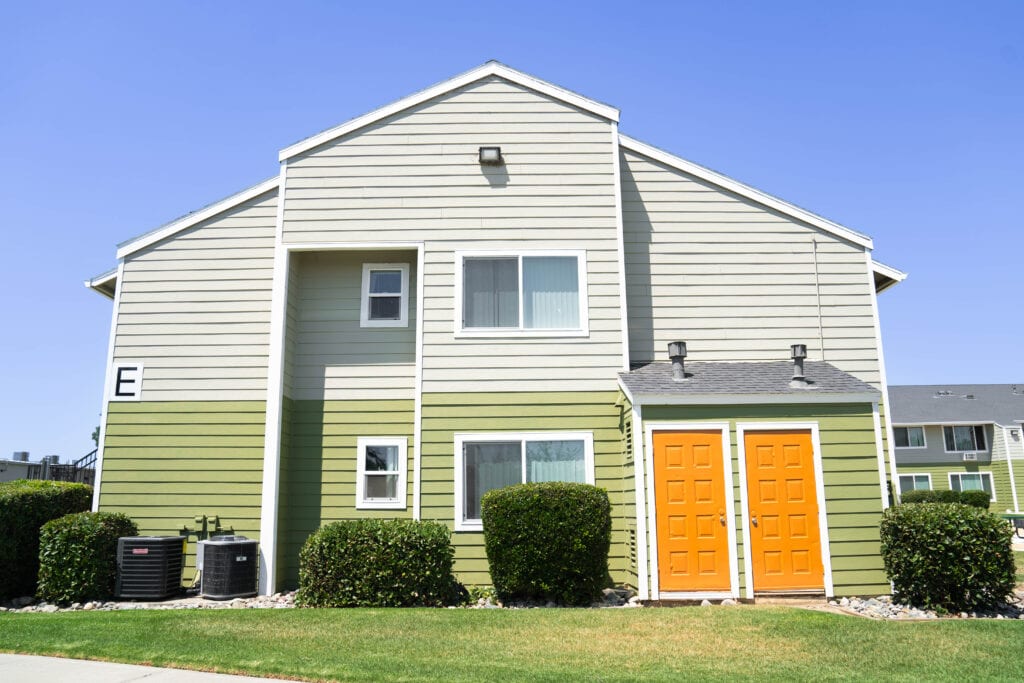
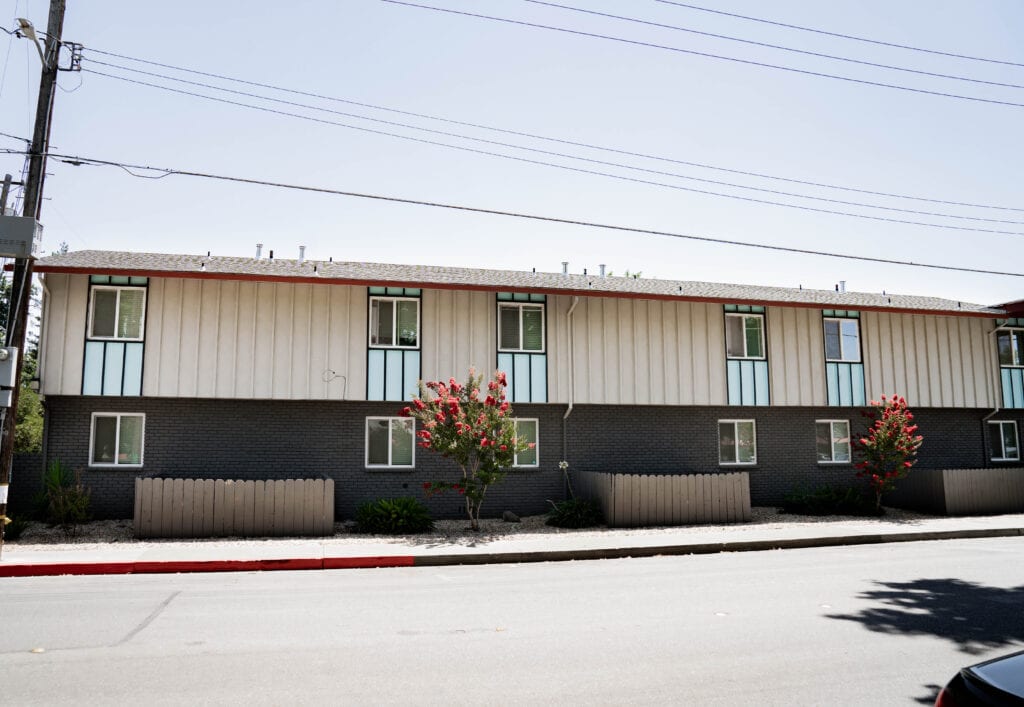
Apartment communities, condominium associations, and commercial buildings we have re-clad across Sacramento, the Bay Area, and Northern California.
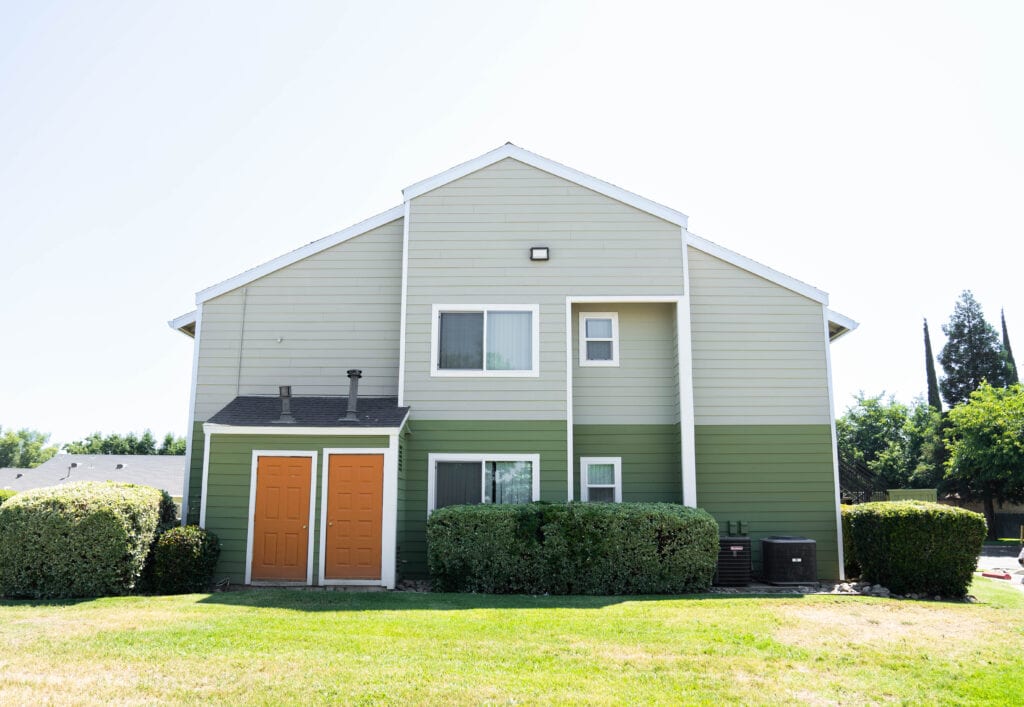
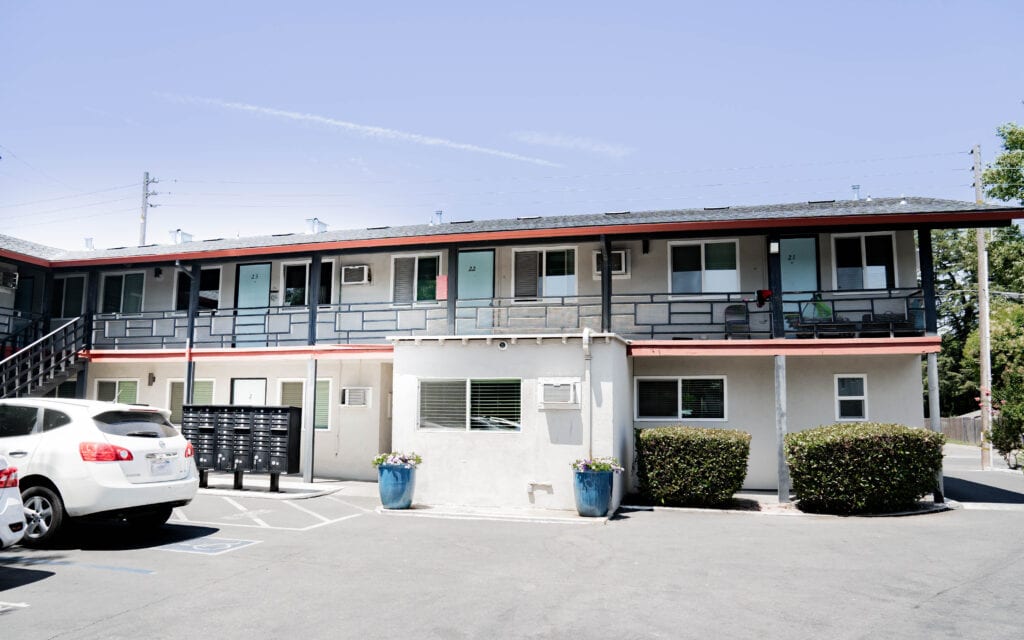
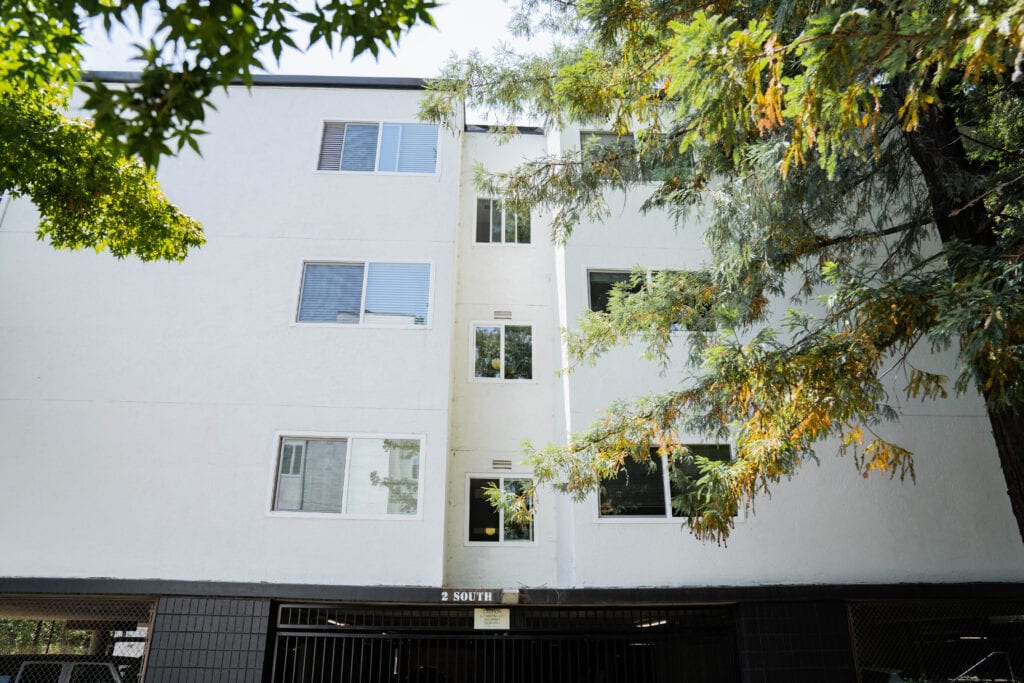
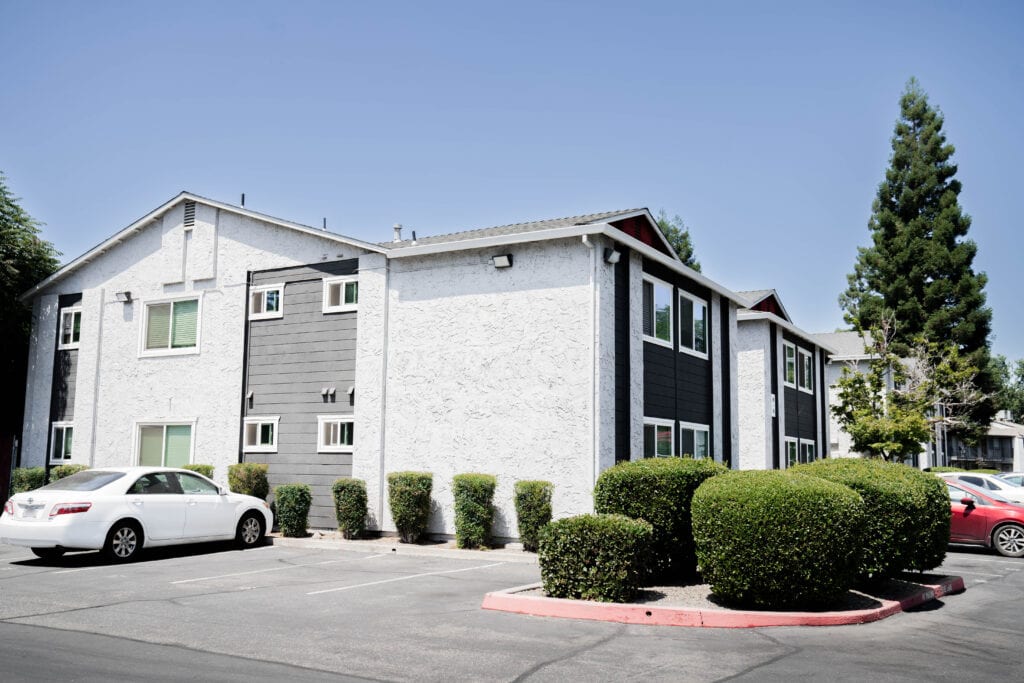
★★★★★ Rated 4.9 from 69 Google reviews
Heritage Exteriors is beyond exceptional. Very impressed with the timeliness, communication, and reasonable price of the whole project.
Heritage replaced my old crumbling wood siding and did a fantastic job. From the first interactions assessing the project and providing a quote, to the project itself, was all exceptional. My home looks brand new.
We recently had our house re-sided with Hardie product. We interviewed 3 companies, one of them being Heritage Exteriors. From our first meeting with David to the last day's work touching up paint, the experience was excellent.