★★★★★
Heritage Exteriors is beyond exceptional. Very impressed with the timeliness, communication, and reasonable price of the whole project.
Scott Doyen
Sacramento, CA · Google
Sacramento, CA · Google

Most of what determines whether a re-side goes smoothly has nothing to do with siding. It is whether several hundred people knew what was coming, when, and what was expected of them. This is the version of the project a resident experiences — and the notice that prevents most of the complaints.
Get a Free EstimateA re-side is a construction project to a board and a disruption to everyone who lives there. The difference between a community that tolerates it and one that complains through the whole schedule is almost entirely about what people were told, and when.
This page is written to be usable: the sections below are close to what a resident notice should actually contain.
Staging appears — a material drop, a dumpster, sometimes a lift. Parking near the active building is displaced. Nothing loud happens yet, but this is when residents first realize the project is real, so it is the moment the notice needs to have already landed.
The noisiest phase, and generally the shortest per building. Old cladding comes off, which means impact noise and vibration through the wall. Anything hanging on an exterior wall inside a unit can shift. Windows on the active elevation should stay closed.
The period between tear-off and new cladding, when the sheathing and weather barrier are exposed. Quieter, but this is when residents are most likely to worry — a wall of their home is visibly open. It helps a great deal if the notice explains in advance that this is normal, that the wall is protected and closed against weather at the end of each day, and roughly how long it lasts.
Steady, predictable, less sharp than tear-off but longer. This is the bulk of the schedule on any given building.
Detailing, sealant, and putting back everything that was removed — lights, numbers, hose bibs, dryer vents, downspouts. Residents notice when this phase is done properly and notice much more when it is not.
Short, specific, and asked for with enough notice to be possible:
Northern California gives a long dry working season and a wet winter. Crews do not open walls into rain, so a wet week moves a schedule. Residents accept this readily when it was mentioned as a possibility in advance and much less readily when it arrives as a surprise. Say at the outset that dates are weather-dependent.
Two decisions do most of the work. First, who notifies — management or contractor — settled explicitly, because when both assume the other is doing it, nobody is. Second, how phases are sequenced, which determines how many residents are disrupted at once and for how long. Our guide to phasing exterior work on occupied properties covers the options, and what belongs in the scope covers making the contractor's obligations explicit.
If windows are also due, doing both at once means one disruption rather than two — see phasing a window replacement across an occupied building.
We work on occupied communities across Sacramento, the Bay Area and Northern California with our own crews, and we plan the resident side with management before the first building starts — hours, notices, parking, and a named channel for problems. Licensed in California, CSLB #1055919. Call (916) 546-2991.
Do residents have to move out?
No. Exterior cladding work is done from outside and residents stay in place throughout. What changes for them is noise during working hours, restricted use of patios and balconies on the building being worked, some parking displacement, and periods when windows should stay closed. Relocation is not part of a normal re-side.
How loud is it, and for how long?
Loudest during tear-off, which is the noisiest phase and usually the shortest per building. Installation is steady rather than sharp. The honest framing for residents is that their building will be noisy during working hours for a period of weeks, not that it will be quiet — telling people it will be minor produces more complaints than telling them the truth.
Can residents use their patios and balconies?
Not while the wall behind them is being worked, and usually not for a period either side. Patios and balconies need to be cleared of furniture, plants and anything stored, and that request needs to arrive with real notice because for many residents it means finding somewhere to put things.
What about parking?
Expect displacement near the active building for staging, material and lifts. This is the single most common source of resident friction on a re-side, and it is manageable if the alternative spaces are identified and communicated before the first space is coned off rather than after.
Is anything at risk inside the unit?
Vibration during tear-off can dislodge items on shared walls, so residents should be asked to remove pictures and mirrors from exterior walls. Dust can enter through open windows, which is why windows on the active elevation should stay closed. Neither is a serious risk, and both are avoidable with notice.
What about pets?
Worth addressing directly. Noise and unfamiliar people at ground-floor windows unsettle animals, and pet doors onto patios need to be secured while work is on that elevation. Communities that mention pets in the notice have noticeably fewer incidents. We plan all of this with management before the first building starts — (916) 546-2991.
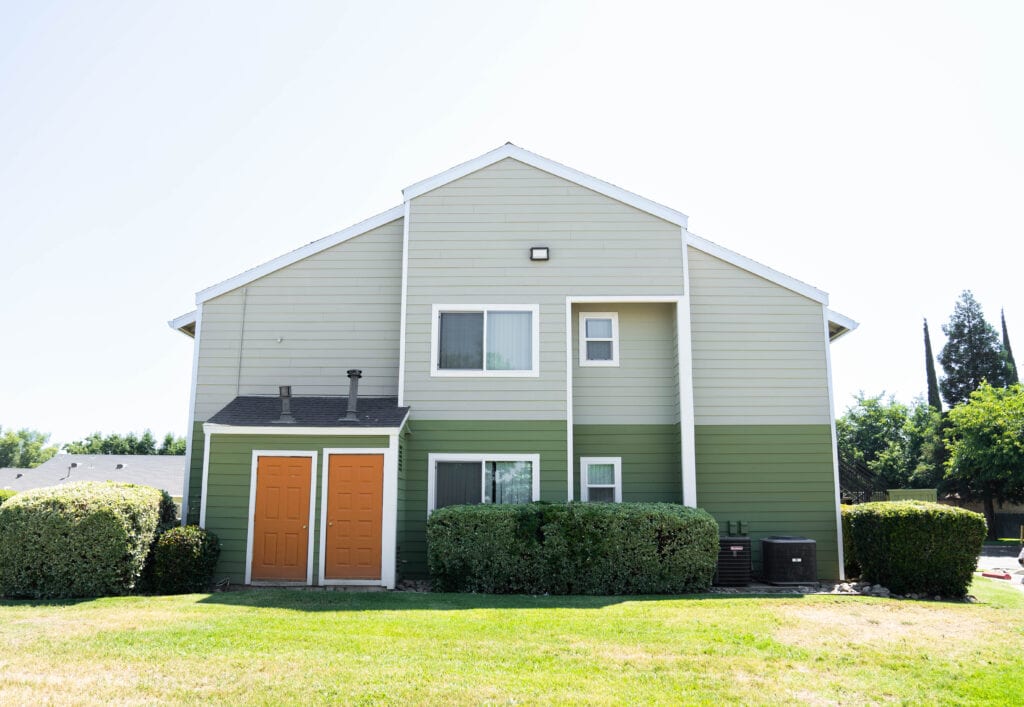
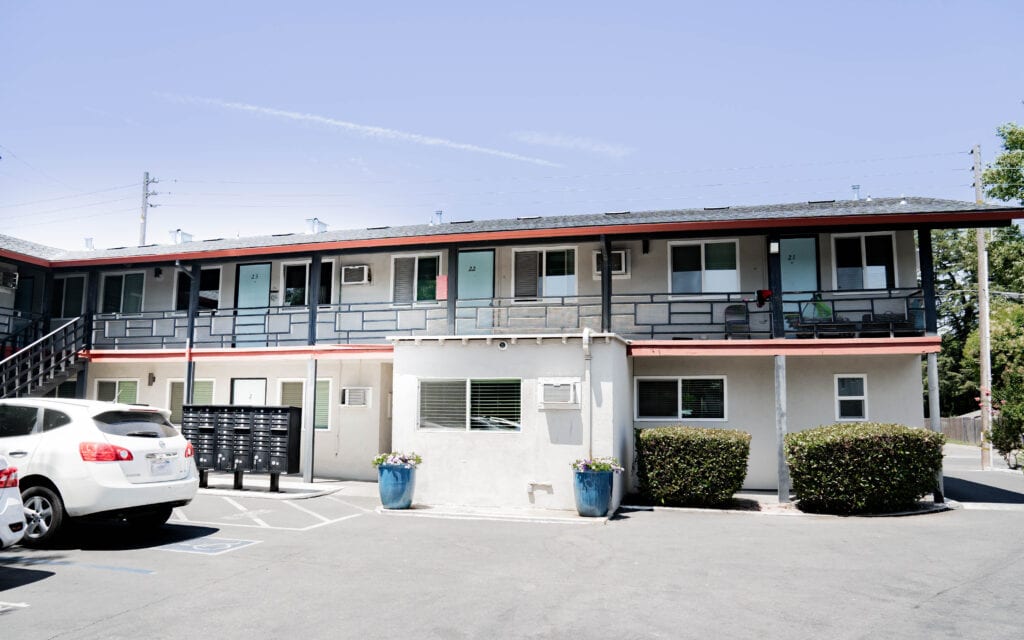
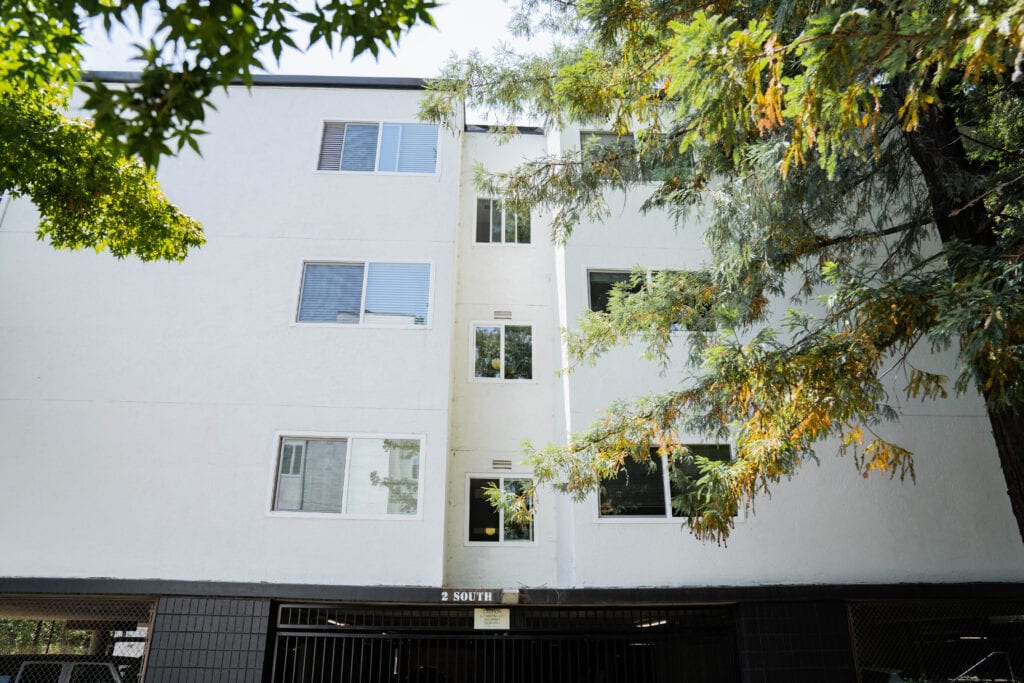
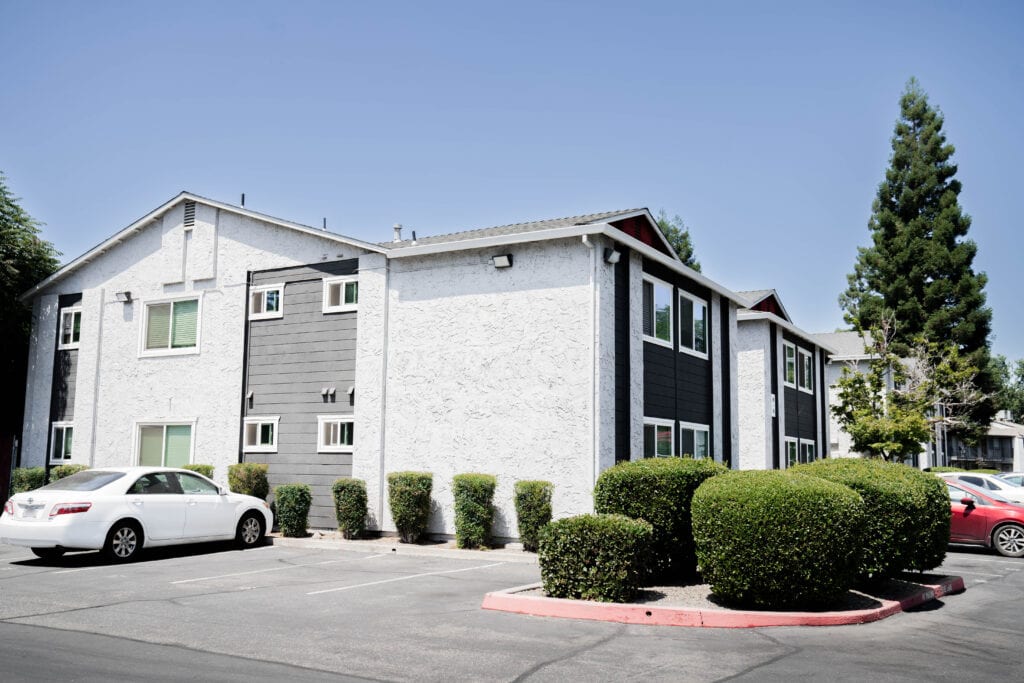
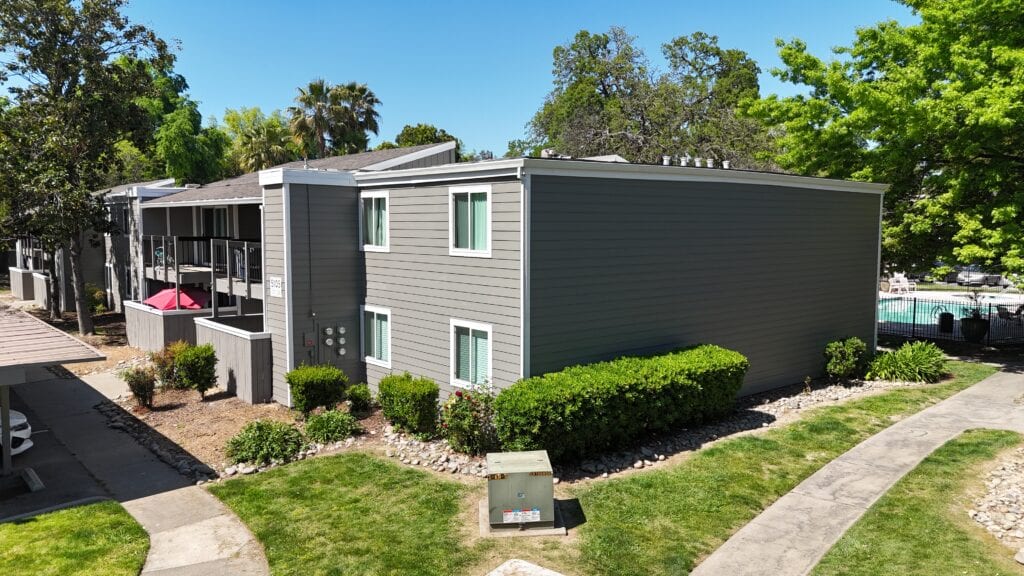
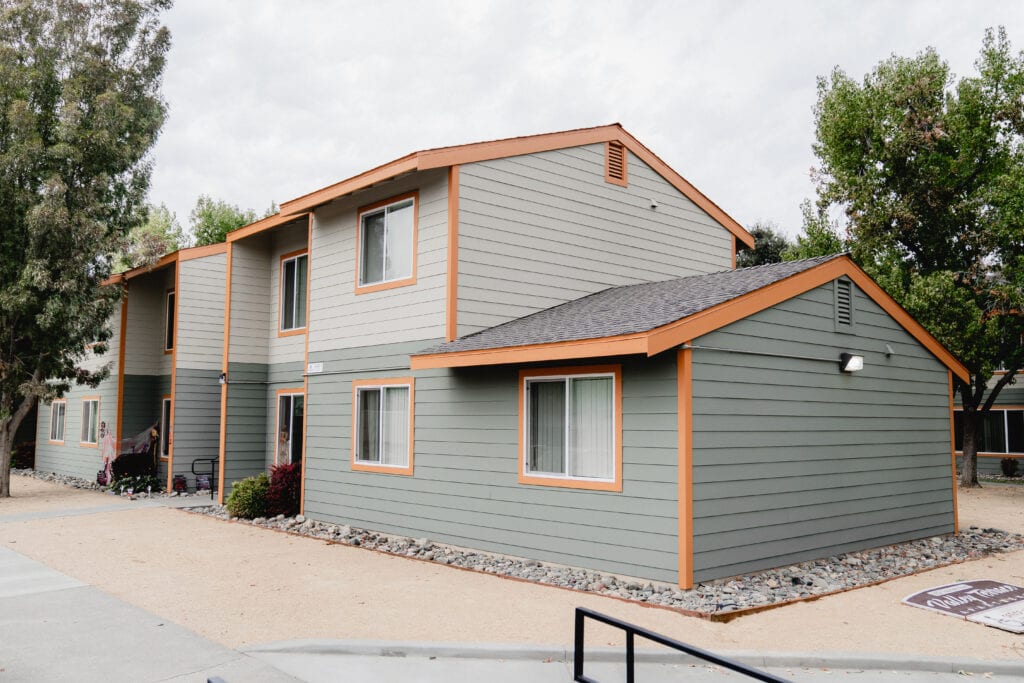
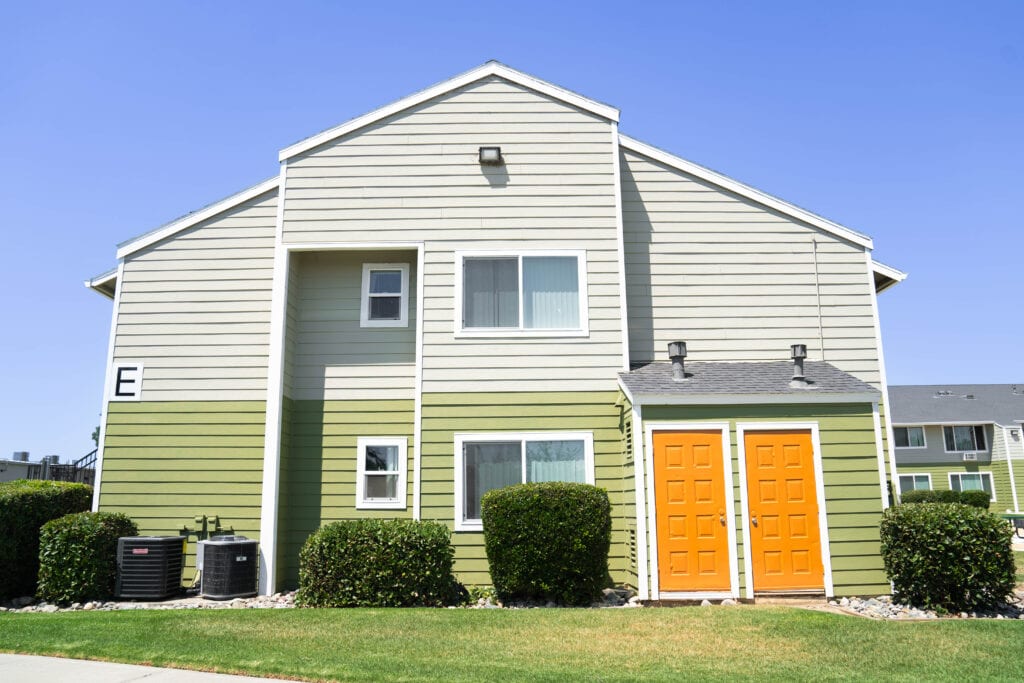
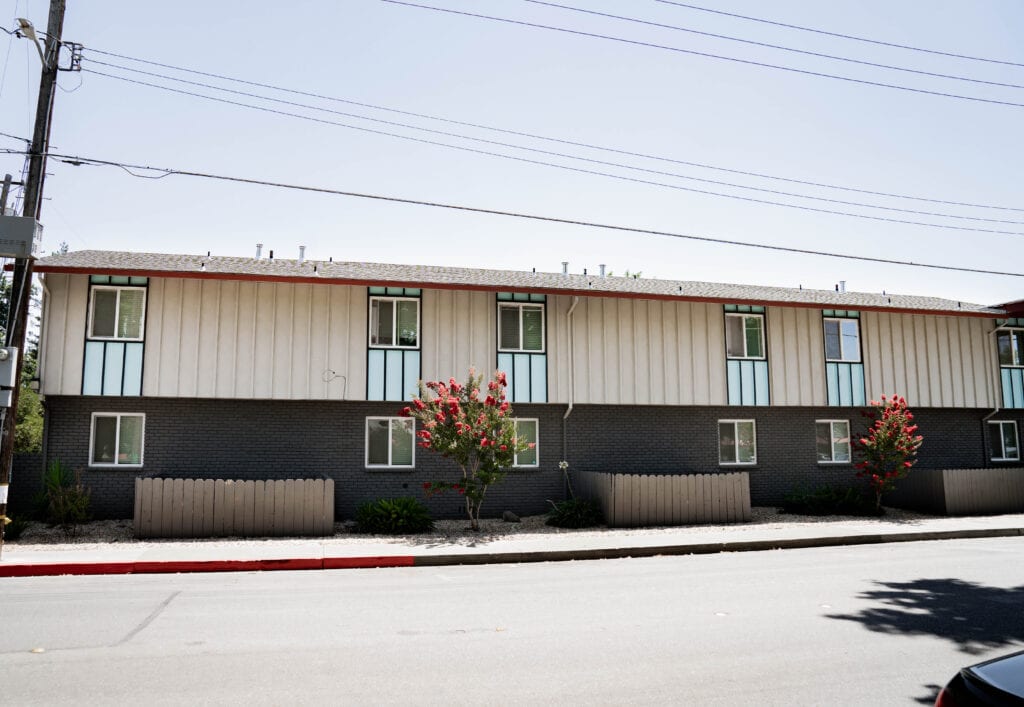
Apartment communities, condominium associations, and commercial buildings we have re-clad across Sacramento, the Bay Area, and Northern California.
★★★★★ Rated 4.9 from 69 Google reviews
Heritage Exteriors is beyond exceptional. Very impressed with the timeliness, communication, and reasonable price of the whole project.
Heritage replaced my old crumbling wood siding and did a fantastic job. From the first interactions assessing the project and providing a quote, to the project itself, was all exceptional. My home looks brand new.
We recently had our house re-sided with Hardie product. We interviewed 3 companies, one of them being Heritage Exteriors. From our first meeting with David to the last day's work touching up paint, the experience was excellent.