★★★★★
Heritage Exteriors is beyond exceptional. Very impressed with the timeliness, communication, and reasonable price of the whole project.
Scott Doyen
Sacramento, CA · Google
Sacramento, CA · Google

Stucco is the default exterior on a great deal of Northern California housing, and almost all of it cracks eventually. Most of that cracking is not a reason to re-clad a house. The difficulty is telling which cracking is, and the answer is legible if you know what to look at.
Get a Free EstimateAlmost every guide to stucco on a contractor's website concludes that you should replace it. We install a lot of siding on houses that used to be stucco, so we understand the incentive. But a great many stucco walls in Sacramento and the Bay Area are cracked and perfectly sound, and telling a homeowner otherwise is not a service.
Here is how to read the wall.
A network of fine hairline cracks spread fairly evenly across a wall. This is stucco doing what stucco does: a rigid cement finish on a building that expands, contracts and settles. It is extremely common on older Northern California stock and, on its own, it is a maintenance item rather than a failure.
Openings concentrate stress, and a crack running diagonally away from a corner is the wall telling you about movement. A single short one on an older house is often historic and stable. Several, or ones that are widening, mean something is still moving.
Cracking that steps along a diagonal, particularly low on a wall, points at foundation or settlement movement. This is not a cladding question at all; it is a structural one, and re-siding over it will not stop it.
Often related to framing shrinkage or a missing control joint. Worth understanding before deciding anything, because the remedy differs.
Anything you can slide a coin edge into is an open water path. Whether the wall needs replacing depends on what has already gone through it, but it does need addressing.
Crack width tells you whether water can get in. These tell you whether it has:
Crack pattern plus water evidence is the whole diagnosis. Cosmetic cracking with no water evidence is a repair. Any cracking with water evidence needs the wall opened before anyone quotes anything.
Repair genuinely wins when all of these hold:
In that condition, crack repair and a re-coat is the correct, proportionate answer. A flexible patching compound bridges hairline movement, and a good elastomeric coating over a properly prepared wall will hold for years. It costs a fraction of re-cladding.
Two honest caveats. Color and texture matching on a weathered wall is difficult, so patch repairs are often followed by coating the whole elevation rather than the patch alone. And a re-coat is maintenance, not a permanent fix — expect to revisit it.
Where the evidence is ambiguous — and it often is — a moisture survey and a small test opening settle it. A test opening in a suspect area shows the condition of the weather-resistive barrier and the sheathing directly. It is a modest cost against the size of the decision it informs, and it is the difference between a diagnosis and an opinion.
If the finding is that the wall is dry and sound, that is a useful result. It means you can budget a re-coat instead of a re-clad.
Our page on siding versus stucco covers how the materials compare, and whether siding can be installed over existing stucco covers why we usually recommend full removal — chiefly so the sheathing can be inspected and a fresh weather barrier installed rather than covered up.
We re-clad stucco houses across Sacramento, the Bay Area and Lake Tahoe, and we also tell people when their stucco does not need it. If you want the question settled rather than argued, we will survey the wall, open a test area where the evidence justifies it, and give you the finding in writing. Licensed in California, CSLB #1055919 — call (916) 546-2991.
Is cracked stucco always a problem?
No, and this is the most useful thing to know. Fine hairline cracking distributed across a wall is normal in stucco — it is a rigid cement product on a moving building, and it relieves stress by cracking. What matters is the pattern and the width. Hairline map cracking is usually cosmetic. Cracks you can fit a coin edge into, cracks running diagonally from window and door corners, and stair-step cracking are telling you something structural or moisture-related is happening.
When is patching genuinely the right answer?
When the cracking is cosmetic, there is no evidence of moisture behind the plane, and the wall is otherwise sound. That is a large share of cracked stucco in Sacramento and the Bay Area. Patching and re-coating a wall in that condition is legitimate, considerably cheaper than re-cladding, and can last years. Anyone who tells you all cracked stucco needs replacing is selling.
How do I know if water is getting behind the stucco?
Look for staining that runs downward from a crack, efflorescence — a white chalky deposit where moisture has migrated through and evaporated — bubbling or lifting at the base of the wall, and soft or drummy areas that sound hollow when tapped. Inside, look for staining or soft drywall on the same wall. Any of these move the question from cosmetic to investigative.
Why do my patches keep cracking again?
Because the patch addressed the crack rather than the reason for it. Recurrence in the same place means the movement causing the crack is still happening — settlement, framing movement, or a missing control joint. A patch cannot restrain a wall that is moving. When repairs return within a season or two in the same locations, that is a signal in itself.
Can new siding go over existing stucco?
It is physically possible using furring, and it is sometimes done. Heritage Exteriors usually recommends removing the stucco first so the sheathing can be inspected and a fresh weather-resistive barrier installed, because covering a wall you have not inspected means covering whatever is wrong with it. We cover the trade-offs in detail on our page about installing over stucco.
What does an investigation involve?
Usually a moisture survey and a small test opening in a suspect area, which shows the condition of the paper and sheathing behind the stucco. It is a modest cost and it converts a guess into a decision. We will tell you honestly if what we find is that your wall is fine — call (916) 546-2991.
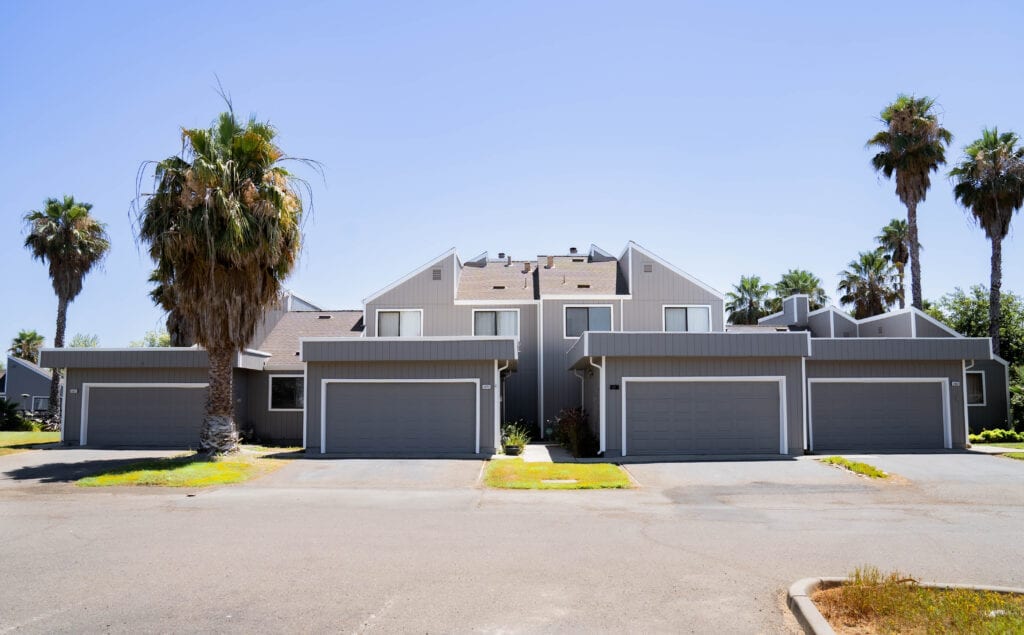
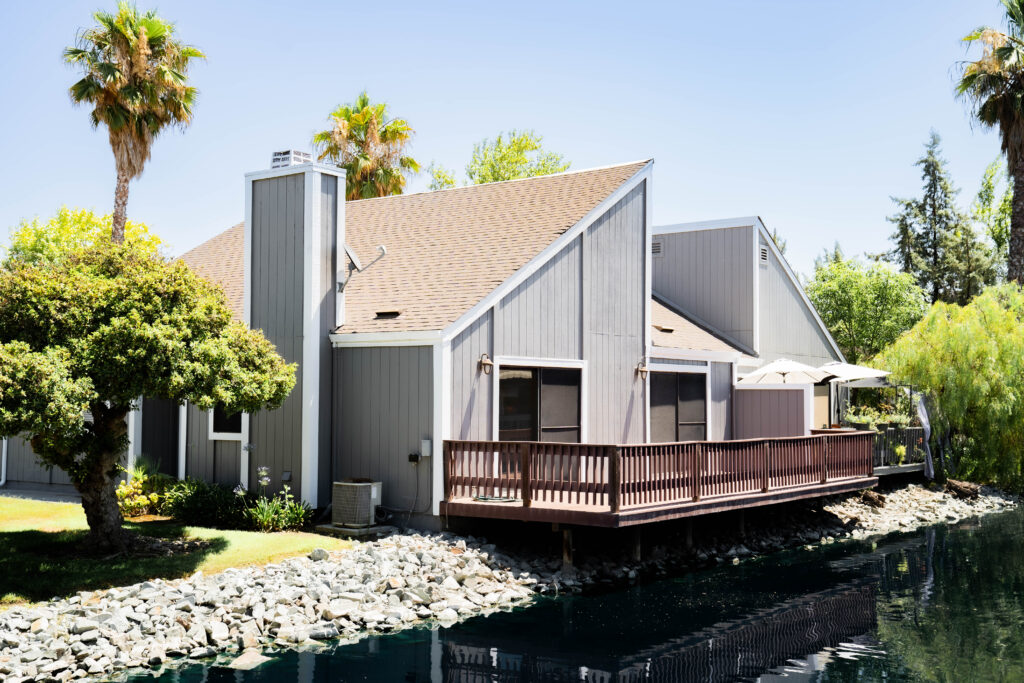
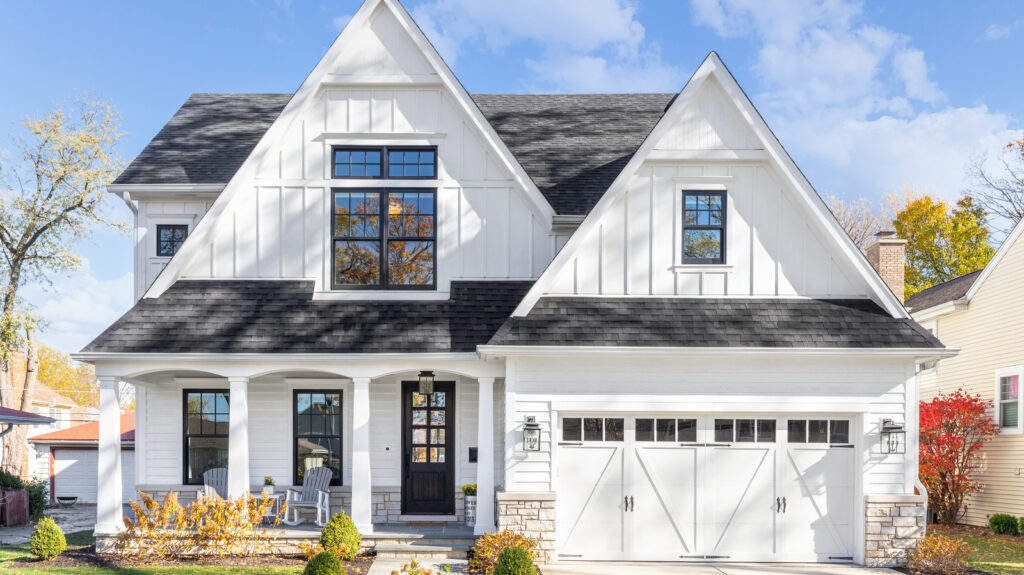
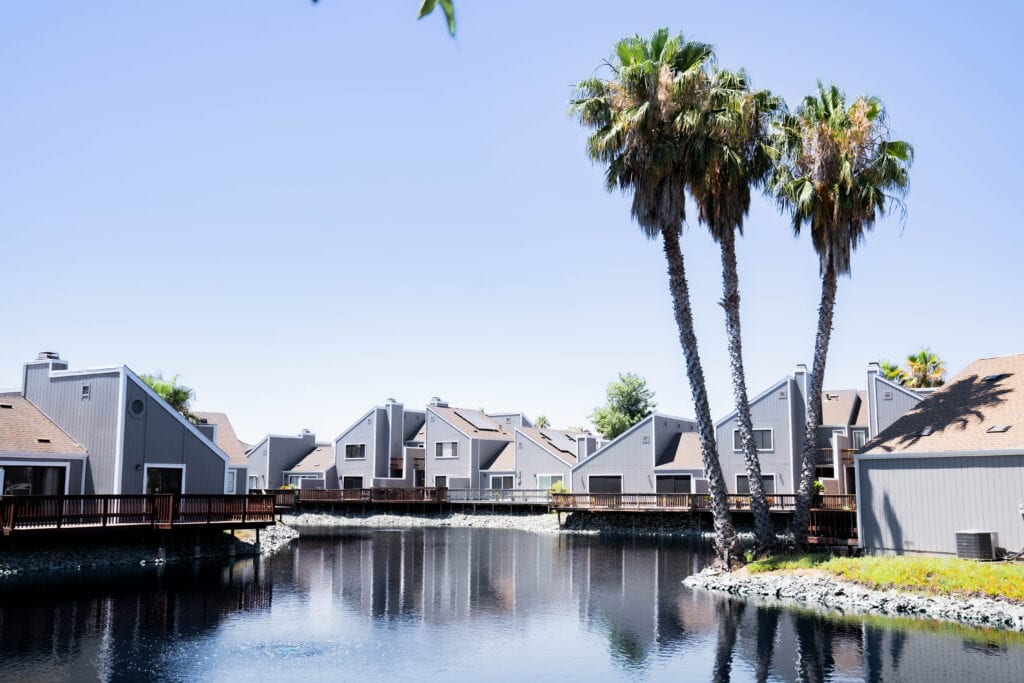
A look at homes we have re-sided and re-glazed across Sacramento, the Bay Area, and Lake Tahoe.



★★★★★ Rated 4.9 from 69 Google reviews
Heritage Exteriors is beyond exceptional. Very impressed with the timeliness, communication, and reasonable price of the whole project.
Heritage replaced my old crumbling wood siding and did a fantastic job. From the first interactions assessing the project and providing a quote, to the project itself, was all exceptional. My home looks brand new.
We recently had our house re-sided with Hardie product. We interviewed 3 companies, one of them being Heritage Exteriors. From our first meeting with David to the last day's work touching up paint, the experience was excellent.