★★★★★
Heritage Exteriors is beyond exceptional. Very impressed with the timeliness, communication, and reasonable price of the whole project.
Scott Doyen
Sacramento, CA · Google
Sacramento, CA · Google

The contract price is not the project price, and on exterior work the gap is wider than most homeowners expect. Siding conceals the one part of the house nobody can inspect until demolition starts, which makes a contingency less a cushion than a structural part of the budget.
Get a Free EstimateExterior renovation budgets fail in a specific and predictable way. The homeowner budgets the contract price, the crew opens the wall, and the wall is worse than anyone could see. This guide covers how to size a contingency for a siding or window project in Northern California, what actually drives overage, and how contingency interacts with the allowances and change orders in your contract.
On most home projects, uncertainty is about choices — which tile, which fixture. On exterior work, the uncertainty is structural. The cladding is covering sheathing, framing, flashing, and a weather barrier that no one has seen since the house was built, and the only way to inspect it properly is to remove the thing you are paying to remove.
That means an honest bid on an older home is provisional in one specific area: what is behind the wall. Everything else — material, labor, trim, disposal — can be priced tightly. So the contingency is not general nervousness about the contractor. It is a targeted reserve against one known unknown.
| Driver | How often it appears | What raises the risk |
|---|---|---|
| Dry rot and damaged sheathing | The most common by a wide margin | Age; any history of leaks; failed sealant; irrigation hitting the wall |
| Framing repair | Less common, more expensive when it appears | Long-standing water entry, especially at sills and window openings |
| Window opening rebuild | Common when windows are replaced at the same time | Original flashing done poorly or omitted; rot at the sill pan |
| Pest damage | Occasional | Wood siding, grade contact, prior untreated activity |
| Code-driven upgrades | Varies by jurisdiction and scope | Triggered at permit; ask what your scope will trigger before you sign |
| Access and staging | Predictable if surveyed | Multi-story, steep or hillside sites, tight setbacks, mature landscaping |
| Owner-requested changes | Very common | Entirely within your control — and the easiest overage to avoid |
Note the last row. A meaningful share of exterior-project overage is not discovery at all, it is decisions made mid-project once the scaffolding is up and the possibilities become visible. Deciding in advance how you will treat those requests is free, and it works.
A common planning practice is ten to twenty percent of the contract price. Where you sit in that range should be a judgment about your specific house, not a default:
Treat that as a convention for planning, not a forecast. The genuinely useful move is not picking a percentage — it is reducing how much you need in the first place.
Every dollar of uncertainty you resolve before signing is a dollar priced while you still have leverage. Before you sign, consider:
None of this is free, and on an older home it is close to always worth it. It converts contingency into scope, and scope is competitively priced while contingency is not.
These three are frequently confused and they do different jobs:
| Where it lives | Whose money | Covers | |
|---|---|---|---|
| Allowance | Inside the contract price | Committed to the contractor, reconciled both ways | Expected work of unknown quantity, at an agreed unit rate |
| Change order | An amendment to the contract | Additional, on signature | New or unforeseeable scope |
| Contingency | Your own budget, outside the contract | Yours, until you spend it | Overage beyond the allowance, plus anything genuinely unforeseen |
The healthy structure on an older home is all three: an allowance carrying the expected substrate repair at an agreed rate, a change-order process requiring written authorization, and a contingency in your own budget for what exceeds them. Our guide to allowances versus change orders covers the contract side in detail.
The same logic applies at larger scale but with a sharper edge: on a multifamily property the substrate condition varies building to building, so a contingency sized from the first building opened can be badly wrong for the rest. Phasing helps here — the first phase is genuinely informative about the others, and a well-structured project revisits its contingency assumption after it. See planning exterior repair reserves and the multifamily scope-of-work guide.
Heritage Exteriors (CSLB #1055919) scopes exterior projects across Sacramento, the Bay Area, and Lake Tahoe with the substrate uncertainty stated openly rather than buried — a defined allowance, an agreed unit rate, and photographs of anything we find. For financing options see our financing page, or request a free estimate and call (916) 546-2991.
Reviewed August 2026. Contingency ranges are a general planning convention, not a prediction for any specific property.
How much contingency should I hold for a siding project?
A common planning practice is to set aside somewhere in the range of ten to twenty percent of the contract price, with newer homes in known-good condition at the lower end and older homes, homes with any history of leaks, and homes where nobody has seen behind the cladding in decades at the higher end. This is a planning convention rather than a prediction — the right figure for your house depends on its age, its condition, and how much was investigated before you signed.
Is contingency the same as an allowance?
No. An allowance sits inside the contract price and is the contractor’s to spend against a defined scope at an agreed unit rate. Contingency sits outside the contract, in your own budget, and is yours. You can have both, and on an older home you probably should — the allowance absorbs expected substrate repair, and the contingency absorbs what exceeds it plus anything genuinely unforeseen.
What most often causes an exterior project to exceed its budget?
Substrate damage found after tear-off, by a wide margin. Dry rot, water-damaged sheathing, and pest damage around windows and at the sill are the recurring items. After that: framing repair, window openings that need rebuilding once exposed, and code-driven upgrades triggered by the permit.
Can I reduce the uncertainty before signing?
Yes, substantially. A moisture survey, a look at the wall through a small number of exploratory openings in the highest-risk locations, and a careful inspection of the areas that fail first — below windows, at deck and roof junctions, at grade — will convert a lot of unknown into known. It costs something and it is almost always worth it on an older home, because it moves cost out of the contingency and into the priced scope where you have leverage.
What happens to contingency I do not spend?
Nothing — it is your money and it stays yours. That is the difference between contingency and a padded contract price. It is worth deciding in advance that unspent contingency will not automatically be converted into upgrades mid-project, because the moment to make that call well is not while the scaffolding is up.
Does a fixed-price contract mean I do not need a contingency?
It reduces the need but does not remove it. A fixed price is fixed against the defined scope; discovered conditions outside that scope still generate change orders. Read what the fixed price is fixed against — that clause, not the word "fixed," is what determines your exposure.
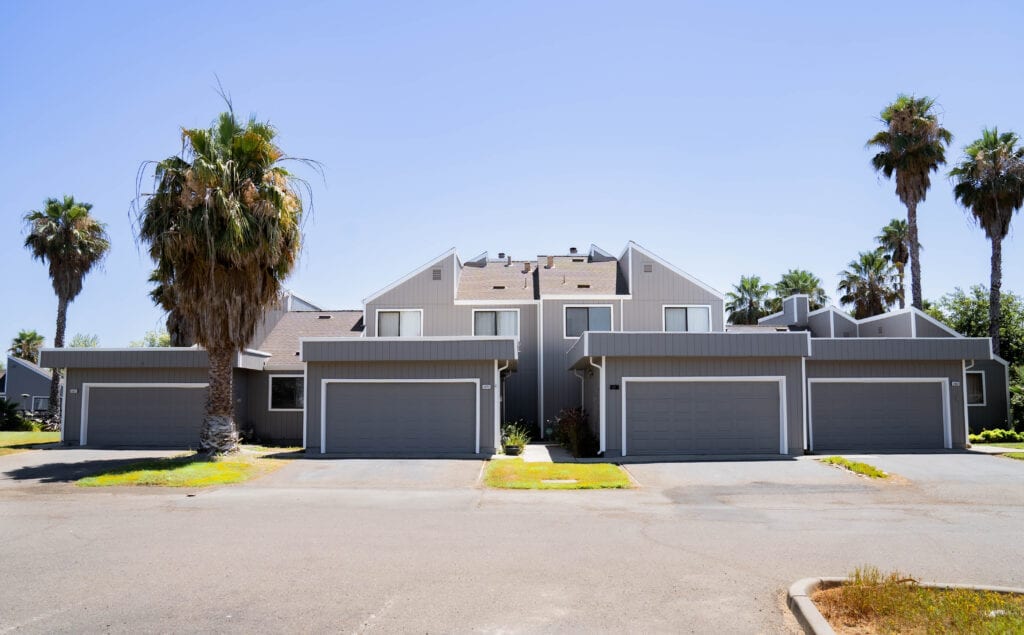
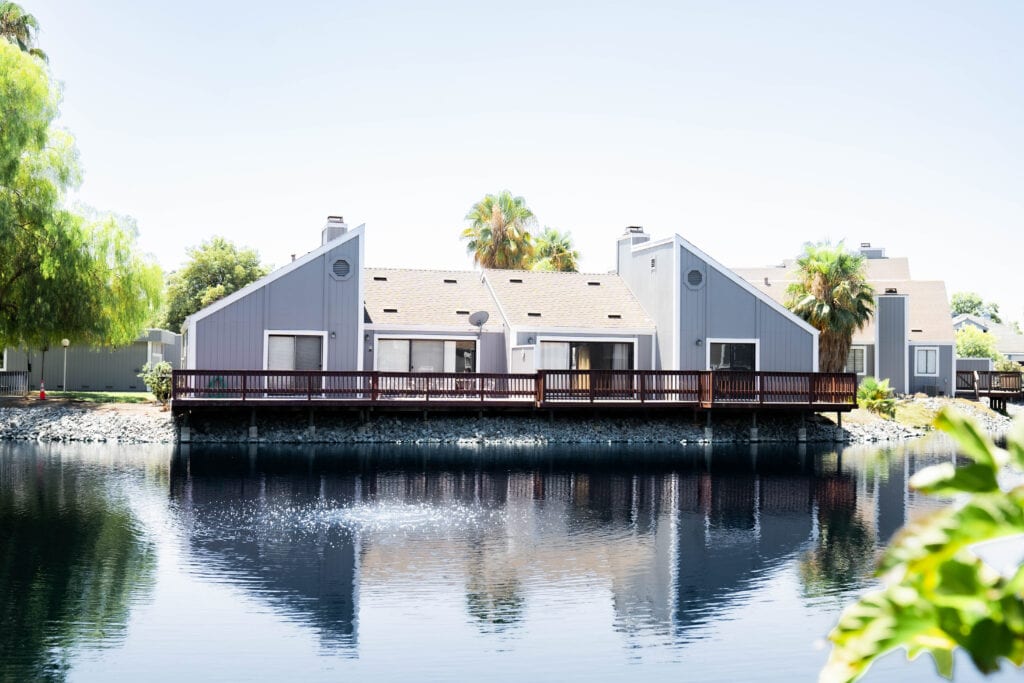
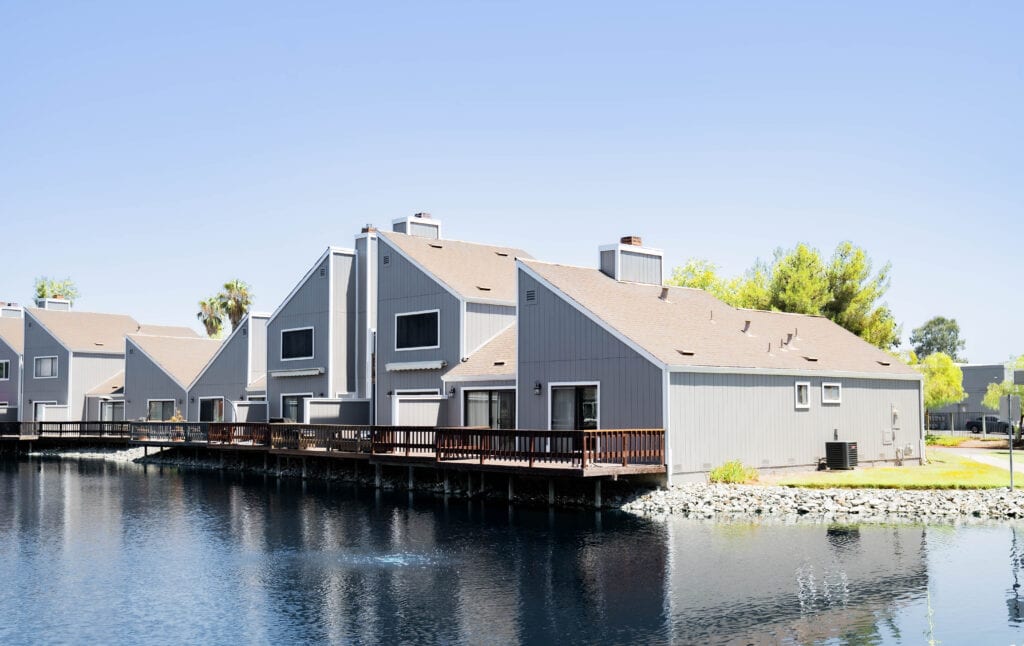
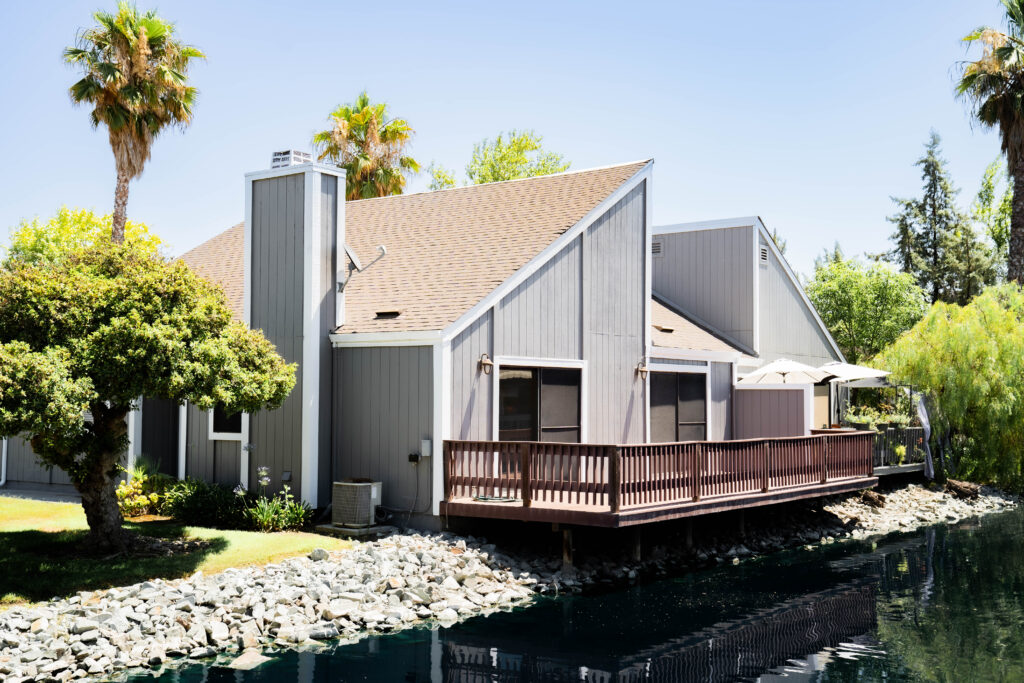
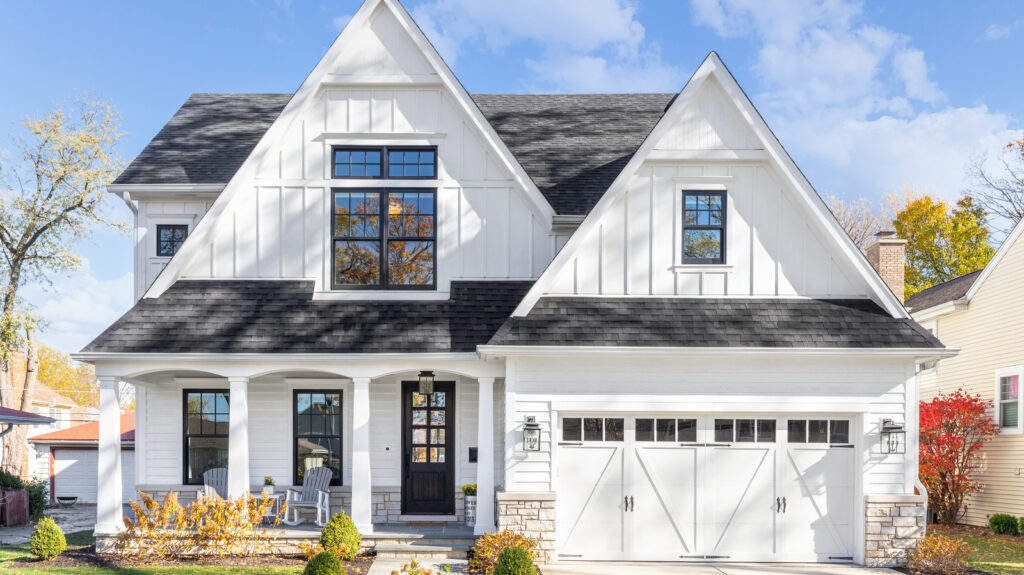
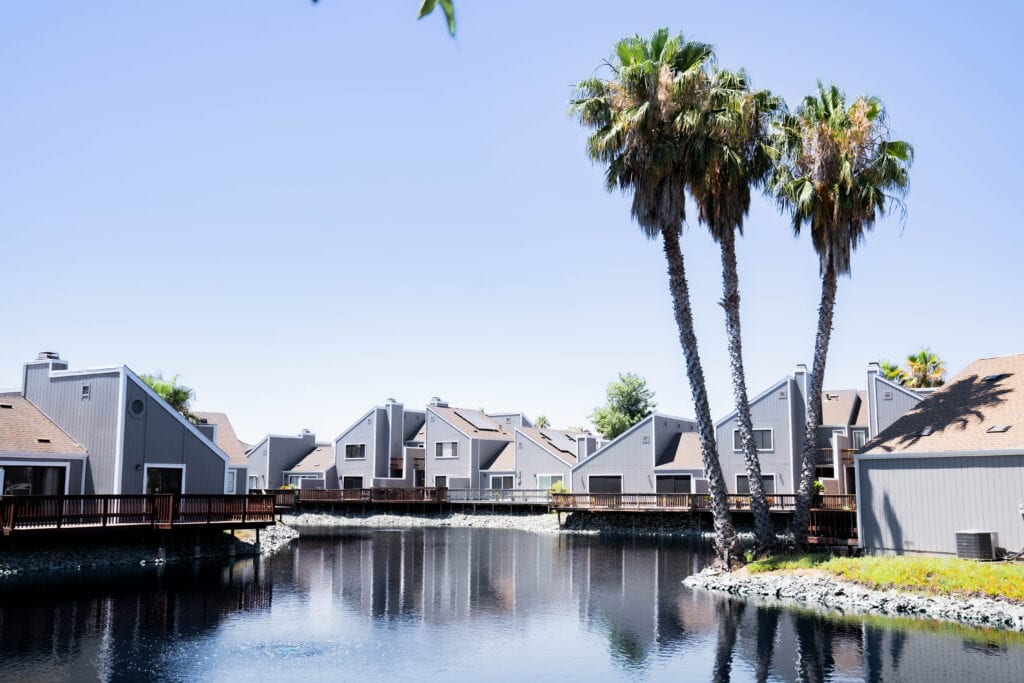
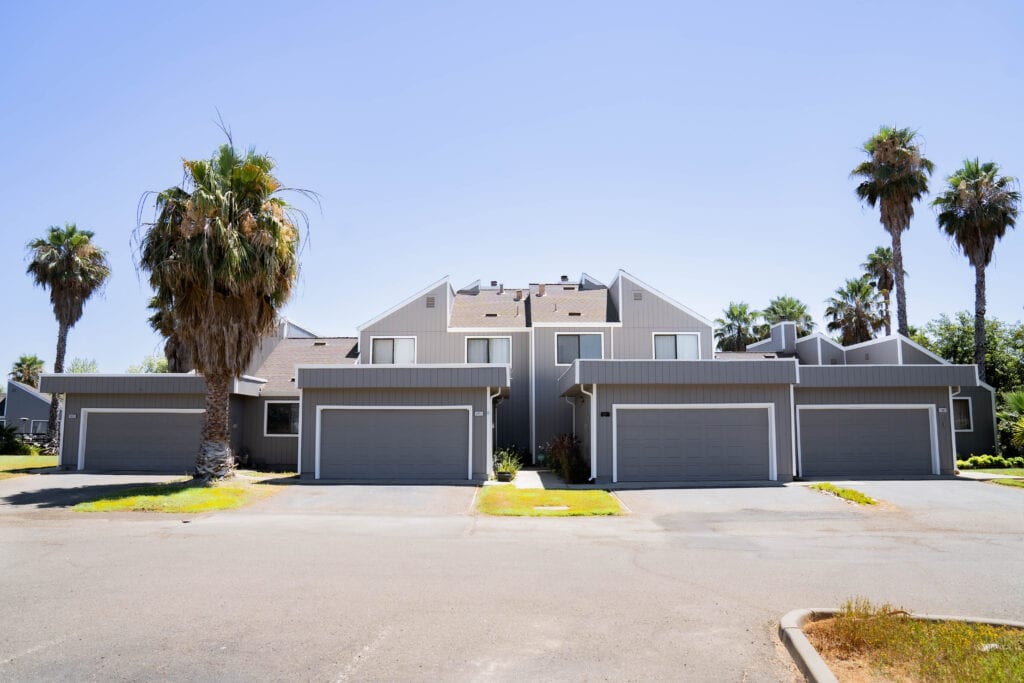
A look at homes we have re-sided and re-glazed across Sacramento, the Bay Area, and Lake Tahoe.

★★★★★ Rated 4.9 from 69 Google reviews
Heritage Exteriors is beyond exceptional. Very impressed with the timeliness, communication, and reasonable price of the whole project.
Heritage replaced my old crumbling wood siding and did a fantastic job. From the first interactions assessing the project and providing a quote, to the project itself, was all exceptional. My home looks brand new.
We recently had our house re-sided with Hardie product. We interviewed 3 companies, one of them being Heritage Exteriors. From our first meeting with David to the last day's work touching up paint, the experience was excellent.