★★★★★
Heritage Exteriors is beyond exceptional. Very impressed with the timeliness, communication, and reasonable price of the whole project.
Scott Doyen
Sacramento, CA · Google
Sacramento, CA · Google

Every siding contract has to handle the same awkward fact: nobody knows what is behind the old cladding until it comes off. Allowances and change orders are the two tools for that, they work very differently, and the difference between a contract that uses them well and one that does not is usually measured in thousands of dollars and one very bad conversation.
Get a Free EstimateTwo contracts for the same siding job can carry the same headline price and behave completely differently once the crew opens the first wall. The difference is in how they handle the unknown. This guide covers what an allowance is, what a change order is, when each is the right tool, and the specific wording worth insisting on before you sign.
Siding hides the wall. Until the old cladding comes off, nobody — however experienced — can tell you exactly how much of the sheathing beneath it is sound. On an older Sacramento or Bay Area home, some amount of damage is likely; how much is genuinely unknown.
A contractor has three ways to handle that. They can guess high and carry a padded price, which makes them look expensive against bidders who did not. They can guess low or ignore it, then raise change orders once the wall is open. Or they can carry a stated allowance with an agreed unit price, which is the honest version. Understanding the difference lets you tell those three apart while you are still comparing bids.
An allowance is money inside the contract price, set aside for foreseeable work of unknown quantity. To be worth anything it needs three components:
An allowance with no quantity and no unit price is not an allowance. It is a number in the bid that will be resolved later, in a conversation you will not be well positioned for.
A change order handles work genuinely outside the original scope — you decide to replace the windows too, or the wall turns out to need structural repair nobody could have anticipated. It should always contain:
The sequence is the whole point. A change order signed after the work is done is not an authorization, it is an invoice with a signature line.
| Allowance | Change order | |
|---|---|---|
| Covers | Expected work, unknown quantity | Genuinely new or unforeseeable scope |
| Set | Before signing, inside the contract price | During the project, as an amendment |
| Price basis | Unit price agreed in advance | Priced when raised — better if against pre-agreed rates |
| Can reduce the price | Yes, if under-used | No — only ever adds |
| Typical use | Sheathing and substrate repair, sometimes trim quantities | Added scope, structural repair, owner-requested upgrades |
| Your leverage | Strong — the rate was set while you were still choosing a contractor | Weak — the crew is on site and the wall is open |
That last row is the practical argument for pushing foreseeable work into allowances. Your negotiating position is never better than it is before you sign.
Here is the scenario that generates most of the disputes we hear about. The crew pulls the old siding on a 1970s home and finds dry rot at the sill and around two window openings. What happens next is decided entirely by paperwork signed weeks earlier.
With a proper allowance, the damage is measured, applied against the allowance quantity, and any excess billed at the agreed unit rate. There is a number, it was agreed to, and the crew keeps working.
Without one, everything stops for a pricing conversation you are having under pressure, with your house open to the weather and a crew standing on site. Some of that pressure is real and some of it is leverage, and it is very difficult to tell which is which from where you are standing.
For what rot behind siding actually looks like and why it is so common here, see preventing water damage behind siding.
A contractor who answers all five easily has run these projects before. For the wider bid comparison, see our guide to comparing siding quotes in California and what to ask before signing a contract.
Heritage Exteriors (CSLB #1055919) carries a stated substrate-repair allowance with a unit price on re-siding work where the wall condition is unknown, reconciles it in both directions, and does not perform additional work without written authorization. To get a scoped estimate on your home, request a free estimate or call (916) 546-2991.
Reviewed August 2026. This is general guidance on contract structure, not legal advice — have your contract reviewed by your own attorney before signing.
What is an allowance on a siding contract?
An allowance is money carried inside the contract price for work that is expected but cannot be measured until the wall is open — most often substrate or sheathing repair. A well-written allowance names a quantity and a unit price, so if the actual quantity comes in under, you are credited, and if it comes in over, the extra is priced at a rate you already agreed to.
What is a change order?
A change order is a written, priced amendment to the contract covering work outside the original scope. It should describe the work, state the price, state any schedule impact, and be signed by both parties before the work is performed. It is the mechanism for genuinely new scope — not a way to bill for something that should have been in the original bid.
Which one should cover dry rot?
An allowance, in almost every case. Dry rot behind siding is expected rather than exceptional in older Northern California homes, so it is foreseeable work of unknown quantity — exactly what an allowance is designed for. A contract that leaves rot entirely to change orders has moved a predictable cost off the bid and onto your future self, at a price nobody has agreed to yet.
Do I get money back if the allowance is not used?
You should, and the contract should say so explicitly. That is the test of a real allowance: it reconciles both ways. If the language only ever adjusts upward, it is not an allowance, it is a floor with an open ceiling.
Can a contractor start extra work before I sign a change order?
They should not, and your contract should require written authorization before any additional work proceeds. The common exception worth allowing is genuine emergency work needed to make the structure safe or weather-tight, and even then the contract should require that you are notified immediately and that the work is documented and priced straight after.
What is a reasonable way to price discovered work?
Agree unit prices up front for the items most likely to be found — sheathing per sheet, framing repair per linear foot, and so on. That converts the tense mid-project conversation into arithmetic, because the rate was set before anyone knew how much would be needed. Pricing discovered work only after it is discovered puts you in the weakest possible negotiating position.
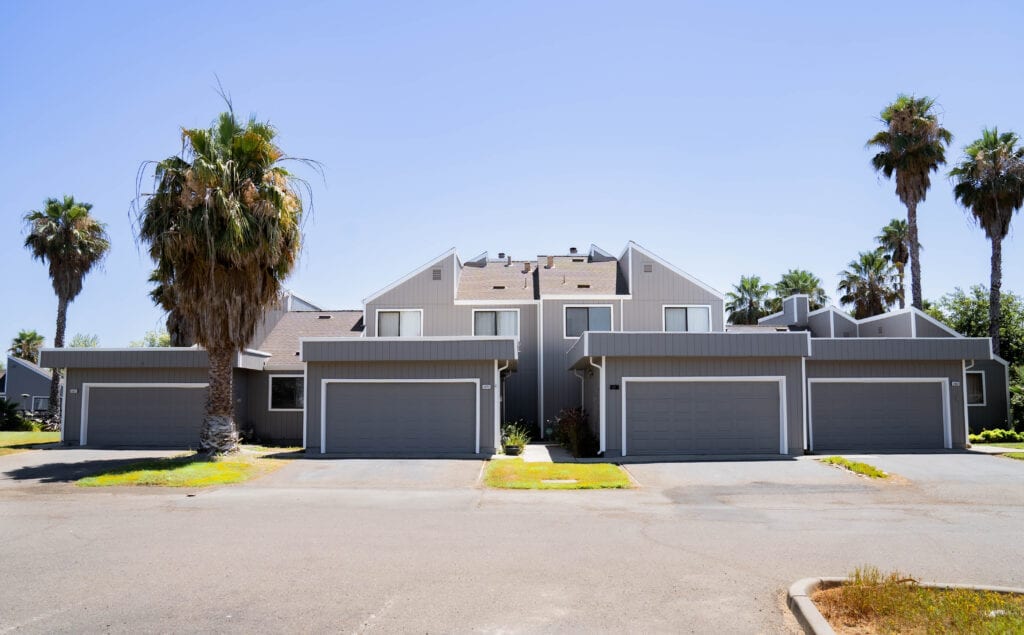
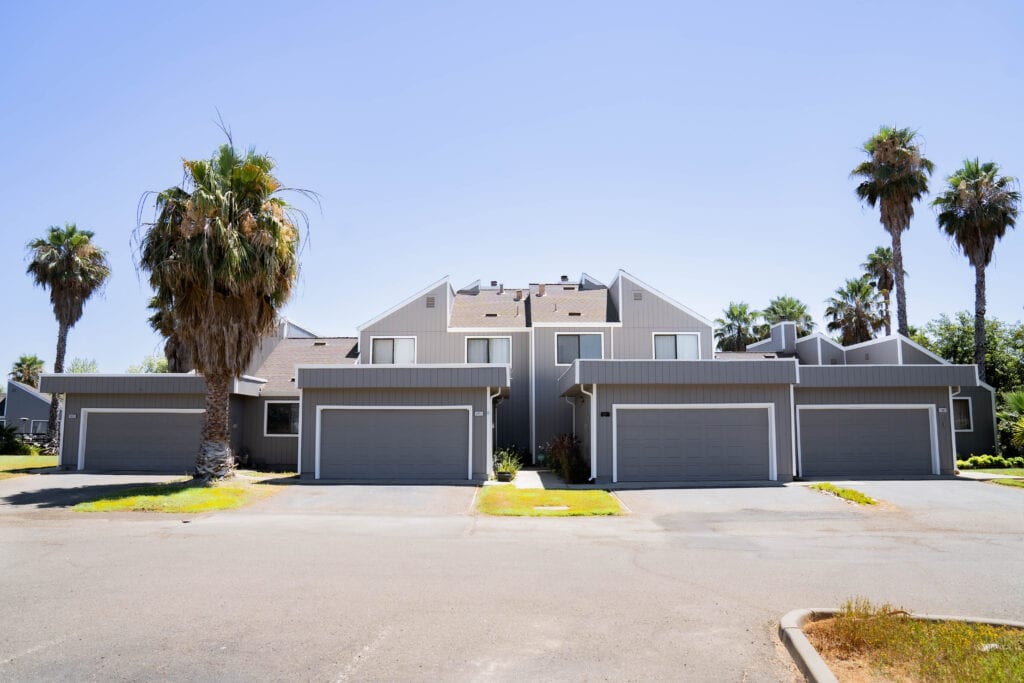
A look at homes we have re-sided and re-glazed across Sacramento, the Bay Area, and Lake Tahoe.






★★★★★ Rated 4.9 from 69 Google reviews
Heritage Exteriors is beyond exceptional. Very impressed with the timeliness, communication, and reasonable price of the whole project.
Heritage replaced my old crumbling wood siding and did a fantastic job. From the first interactions assessing the project and providing a quote, to the project itself, was all exceptional. My home looks brand new.
We recently had our house re-sided with Hardie product. We interviewed 3 companies, one of them being Heritage Exteriors. From our first meeting with David to the last day's work touching up paint, the experience was excellent.