
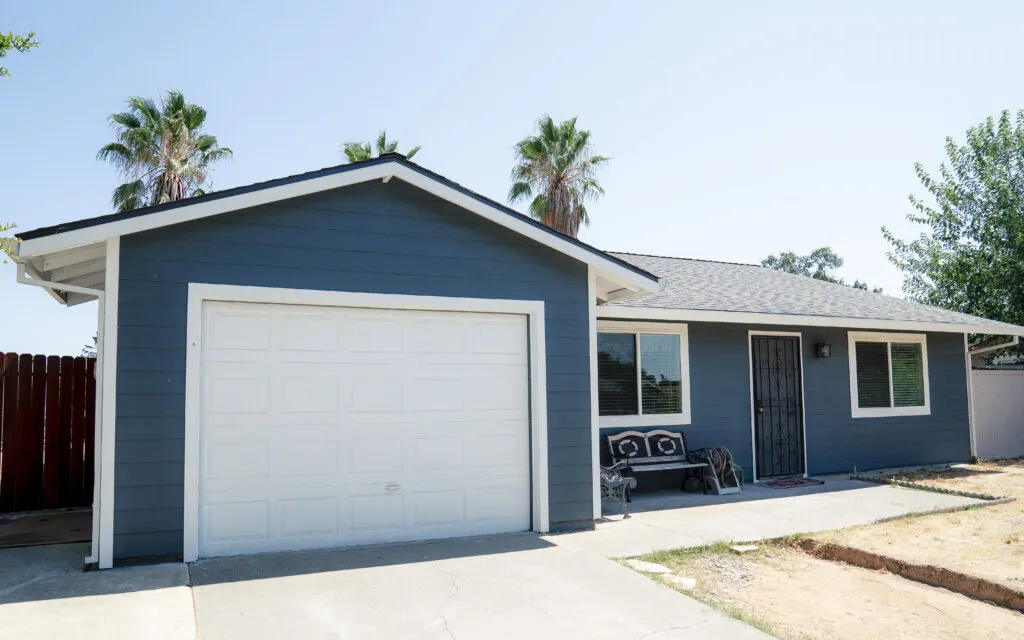
- Peeling paint on older wood-sided homes in Alameda and Albany is usually a moisture symptom—from failing caulk, leaky gutters, or interior vapor—rather than a fault of the paint itself.
- Homes built before 1978 may have lead-based paint, so any scraping or sanding must follow EPA RRP lead-safe practices and is best handled by certified professionals.
- Wood, vinyl, and fiber cement siding each need different care, but annual gentle cleaning and yearly caulk inspection are essential for all of them in the Bay Area’s fog-and-sun climate.
- A seasonal inspection routine—checking gutters, sealant, paint, and drainage as the year changes—catches small problems before they turn into costly rot or structural damage.
- Widespread paint failure, wood rot, significant cracking, or any lead-paint work signals it’s time to call a professional like Heritage Exteriors.
The historic and older homes of Alameda and Albany are a cherished part of our community’s character. From charming Victorian-era houses to classic mid-century bungalows, these properties have a story to tell. However, living in an older home also comes with a unique set of responsibilities, especially when it comes to maintaining the exterior. The siding on an aging home has withstood decades of Bay Area fog, sun, and rain. Proper maintenance is the key to preserving its integrity, protecting your home from the elements, and maintaining its historic charm and value.
At Heritage Exteriors, we have a deep appreciation for the architectural heritage of Alameda and Albany. We specialize in the unique challenges of older home exterior upkeep and provide homeowners with the knowledge and services needed to care for their properties. Whether you need to repair, restore, or simply maintain your siding, a proactive approach can save you from costly damage down the road. This guide offers practical siding maintenance tips Alameda and Albany homeowners can use to protect their investment and keep their older homes looking beautiful for generations to come.
Preserve the Beauty and Integrity of Your Older Home
Worried about cracking paint, rot, or other siding issues on your historic property? Our experts offer free, no-obligation inspections and detailed estimates.
Schedule Your Free Siding Evaluation Today!
Common Siding Issues in Historic and Aging Homes
The siding on an older home is exposed to a unique combination of environmental stress and age-related wear. Over the years, small issues can develop into significant problems if left unaddressed. Understanding the most common siding problems in Alameda and Albany is the first step toward effective maintenance and prevention.
Cracking, Warping, and Paint Peeling
These are the most visible signs of siding distress and are almost always symptoms of an underlying issue related to moisture, sun, and movement.
- Causes of Paint Failure: Peeling, bubbling, and cracking paint is the number one complaint for owners of older homes with wood siding. This is rarely the fault of the paint itself. More often, it’s a sign that moisture is getting into or behind the wood. This can happen from a failing caulk joint, a leaky gutter, or even from moisture vapor inside the home trying to escape. As the wood absorbs and releases this moisture, it swells and shrinks, a constant movement that breaks the bond of the paint film, causing it to peel away.
- Warping and Cracking: Wood siding that is repeatedly exposed to the cycle of wet fog and intense sun will eventually begin to warp, cup, or split. As the wood ages, it loses its natural oils and becomes more brittle. The stress from expansion and contraction can cause boards to crack, creating entry points for water and pests. On older vinyl siding, years of UV exposure can make the material brittle, leading to cracks from impacts that it might have resisted when new.
- Substrate Movement: The foundation of an older home may have settled over the decades. This subtle structural movement puts stress on the entire building envelope, which can cause siding seams to separate and boards to crack under the pressure.
Lead Paint Concerns in Pre-1978 Homes
For any home built before 1978, there is a strong possibility that the exterior was at one point coated with lead-based paint. This presents a significant health and safety concern that must be handled with care.
- EPA RRP Awareness: The U.S. Environmental Protection Agency (EPA) has specific regulations for work that disturbs lead-based paint, known as the Renovation, Repair, and Painting (RRP) Rule. The rule requires that individuals and firms performing such work be certified and follow specific work practices to prevent lead contamination. Lead is toxic, especially to children and pregnant women, and inhaling or ingesting lead dust from sanding, scraping, or demolition can cause serious health problems.
- Testing and Containment: You cannot tell if paint contains lead just by looking at it. The first step is to have the paint tested by a certified professional or by using an EPA-recognized home test kit. If lead is present, any maintenance work that disturbs the paint—like scraping or sanding in preparation for repainting—must be done using lead-safe practices. This involves setting up containment barriers to catch all paint chips and dust, using methods that minimize dust creation (like wet sanding), and wearing proper personal protective equipment (PPE). Due to the health risks and legal requirements, dealing with lead paint is a job best left to certified professionals.
Maintenance Strategies by Siding Type
The right maintenance approach depends entirely on the type of siding on your home. Wood, vinyl, and fiber cement each have different needs and vulnerabilities, especially on older homes in our coastal climate.
Caring for Wood and Vinyl Siding
- Wood Siding Maintenance: The key to preserving wood siding is to keep it dry and protected from the sun.
- Cleaning: Gently wash wood siding annually with a mild detergent and a soft-bristle brush to remove mildew, algae, and salt buildup. Avoid high-pressure washing, as it can force water into the wood and damage the fibers, a step many Alameda homeowners overlook when caring for or repairing wood siding.
- Caulking: Inspect caulk joints around windows, doors, and corner boards every year. If the caulk is cracked or pulling away, remove the old sealant, clean the joint, and apply a high-quality, flexible exterior caulk. This is one of the most effective ways to prevent water intrusion.
- Painting: A high-quality paint job is wood’s primary defense. Expect to repaint every 5 to 10 years, depending on the exposure and the quality of the previous paint job. When you see signs of chalking or peeling, it’s time to prepare for repainting. Proper preparation—thorough cleaning, gentle scraping of loose paint (using lead-safe methods if needed), and priming bare wood—is essential for a long-lasting finish.
- Vinyl Siding Care: While low-maintenance, older vinyl siding still needs attention to look its best and function properly.
- Cleaning: Vinyl siding care is straightforward. Wash it annually with a soft brush or cloth and a cleaning solution made from water and a mild detergent like dish soap. For stubborn mildew stains, a solution of one part white vinegar to two parts water can be effective. Rinse thoroughly.
- Inspection: Walk around the house and look for any cracked, chipped, or loose panels. The impact resistance of vinyl can decrease as it ages, making it more susceptible to damage from stray baseballs or lawn equipment. Damaged panels should be replaced to prevent water from getting behind the siding.
- Avoid Heat Damage: Be mindful that intense, reflected heat can warp vinyl. Be careful with the placement of barbecue grills, and be aware that energy-efficient windows on a neighbor’s house can sometimes reflect a concentrated beam of sunlight that can melt siding.
Repairing Fiber Cement Cracks
Fiber cement is incredibly durable, but it’s not indestructible. On older installations, you might encounter minor issues that can often be repaired without replacing the entire board.
- Repairing Small Cracks or Chips: For hairline cracks or small chips, the repair is often cosmetic.
- Clean the area thoroughly and let it dry.
- Apply a high-quality, paintable exterior caulk or a two-part epoxy filler specifically designed for cementitious materials.
- Use a putty knife to smooth the filler flush with the siding surface, feathering the edges.
- Once the filler is cured, you can lightly sand it smooth.
- Prime the repaired area and then touch it up with a matching paint color.
- When to Replace a Board: A board should be replaced if it has a large, full-depth crack, significant damage to the corners or edges, or if it has come loose from the wall. Proper fiber cement repair requires specialized tools for cutting the material and knowledge of the correct fastening techniques to ensure the replacement is secure and weather-tight. This is often a job best left to a professional.
How Regular Maintenance Extends Siding Lifespan
Proactive maintenance is the most powerful tool you have to protect your older home. By conducting regular inspections, you can catch small problems before they escalate into major, expensive repairs. A simple seasonal checklist can guide you through the process, helping you spot potential issues as the seasons change in Alameda and Albany.
Seasonal Inspection Checklist for Alameda Homeowners
This user-friendly checklist is tailored to the specific environmental pressures our homes face throughout the year.
- Late Spring (After the Rains Stop):
- [ ] Gutter Check: Clean out all gutters and downspouts. Ensure they are securely attached and that downspouts are directing water at least 3-5 feet away from the foundation.
- [ ] Mildew and Algae Scan: Walk around the entire house, paying close attention to the north side and areas shaded by trees. Look for any green or black discoloration, which indicates mildew or algae growth. Schedule a gentle cleaning if needed.
- [ ] Window and Door Sealant Inspection: Examine the caulk around all windows, doors, and other penetrations. Look for any cracks or gaps that could have opened up during the wet winter.
- Mid-Summer (During the Driest Period):
- [ ] Paint and Finish Inspection: Look for signs of paint failure, such as blistering, peeling, or significant fading, which are often most visible in the bright summer sun.
- [ ] Wood Siding Check: On wood siding, look for any new warping, cupping, or splitting, especially on the sun-drenched south and west sides of the house.
- [ ] Pest and Insect Activity: Check along the foundation and around decks for signs of termites (mud tubes) or other wood-boring insects.
- Early Fall (Before the Rains Begin):
- [ ] Final Sealant Check: Do one last check of all caulked joints and make any necessary repairs before the wet season arrives. This is your last, best chance to seal up the exterior.
- [ ] Secure Loose Items: Check for any loose trim boards, shutters, or sections of siding that could be damaged or torn off by winter storm winds.
- [ ] Vegetation Trim: Trim back any tree branches or overgrown shrubs that are touching or hanging over the siding. This improves airflow, helps the siding dry, and prevents branches from scraping the paint during a storm.
- Mid-Winter (During a Break in the Weather):
- [ ] Drainage Observation: During or just after a rainstorm, observe how water is behaving around your home. Are the gutters overflowing? Is water pooling against the foundation? This is the best time to spot drainage problems.
- [ ] Interior Scan: On a rainy day, do a quick check inside your home around windows and exterior walls for any signs of new water stains, which could indicate a leak.
When to Consider Professional Help
While routine cleaning and minor touch-ups are great DIY tasks, many aspects of siding maintenance and repair on an older home are best left to professionals. If you encounter widespread paint failure, evidence of rot, significant cracking, or any issues involving lead paint, it is time to call for an expert opinion.
A professional siding contractor can accurately diagnose the root cause of the problem—it’s often more than what’s visible on the surface. They have the tools, expertise, and safety equipment to handle complex repairs, lead-safe work, and full siding replacement. The team at Heritage Exteriors respects the unique character of older homes and has the skill to provide solutions that are both historically appropriate and built to last. To learn more about our comprehensive siding services, please visit our main installation page.
Protect Your Historic Home for Decades to Come.
From minor repairs to full restoration, our team has the expertise to handle the unique siding needs of older homes in Alameda and Albany.
Contact Us Today for a Free, In-Home Consultation
Frequently Asked Questions
Why does the paint on my older Alameda home keep peeling even after I repaint?
Peeling paint is almost always a sign of moisture getting into or behind the wood, not a failure of the paint itself. Common sources include cracked caulk joints, leaky gutters, or moisture vapor escaping from inside the home. As the wood swells and shrinks with that moisture, it breaks the bond of the paint film. Fixing the underlying moisture problem before repainting is the only way to get a lasting finish.
Do I need to worry about lead paint on my pre-1978 home?
Yes. Homes built before 1978 have a strong possibility of lead-based paint somewhere in their exterior coatings. You cannot tell if paint contains lead just by looking, so it should be tested by a certified professional or with an EPA-recognized test kit. If lead is present, any scraping or sanding must follow the EPA’s lead-safe RRP practices, which is why this work is best left to certified professionals.
How often should I repaint the wood siding on my historic Bay Area home?
Wood siding typically needs repainting every 5 to 10 years, depending on sun and weather exposure and the quality of the previous paint job. Watch for signs like chalking or peeling, which indicate it’s time to prepare for a fresh coat. Proper prep—thorough cleaning, gentle scraping of loose paint using lead-safe methods if needed, and priming bare wood—is essential for a long-lasting finish in our coastal climate.
Is pressure washing safe for cleaning my older wood siding?
No, high-pressure washing should be avoided on wood siding. The force can drive water into the wood and damage the fibers, creating the very moisture problems you’re trying to prevent. Instead, gently wash wood siding once a year with a mild detergent and a soft-bristle brush to remove mildew, algae, and salt buildup. This is one of the most commonly overlooked steps in caring for older homes.
Can cracked fiber cement siding be repaired, or does it need full replacement?
Small hairline cracks and minor chips in fiber cement can often be repaired cosmetically. Clean and dry the area, apply a paintable exterior caulk or a two-part epoxy filler made for cementitious materials, smooth it flush, then prime and touch up with matching paint. However, a board with a large full-depth crack, significant edge or corner damage, or one that has come loose from the wall should be replaced—a job that requires specialized tools and is best left to a professional.
What is the best way to maintain older vinyl siding?
Older vinyl siding is low-maintenance but still benefits from an annual wash with a soft brush or cloth and a mild dish-soap solution; a mix of one part white vinegar to two parts water helps with stubborn mildew. Walk the house each year to look for cracked, chipped, or loose panels, since vinyl becomes more brittle and impact-prone as it ages. Also be mindful of reflected heat from grills or a neighbor’s energy-efficient windows, which can warp or melt panels.
When should I stop doing DIY maintenance and call a professional siding contractor?
Routine cleaning and minor touch-ups are great DIY tasks, but you should call a professional when you see widespread paint failure, evidence of rot, significant cracking, or any issue involving lead paint. A siding contractor can diagnose the root cause—which is often more than what’s visible on the surface—and has the tools and safety equipment for complex repairs, lead abatement, and full replacement. Heritage Exteriors specializes in the older homes of Alameda and Albany and offers free, no-obligation inspections.
Our Services
Lock In a Free, No-Obligation Estimate
Get transparent pricing on siding, windows, or exterior repairs fast. No sales pressure. Just answers.
Get My Free Estimate


