★★★★★
Heritage Exteriors is beyond exceptional. Very impressed with the timeliness, communication, and reasonable price of the whole project.
Scott Doyen
Sacramento, CA · Google
Sacramento, CA · Google

Yes — it is physically possible to install James Hardie fiber cement over existing stucco using furring strips. But "possible" and "the right call" are not the same thing. In most cases we recommend removing the stucco first, and here is exactly why that decision matters for your walls, your warranty, and your wallet.
Get a Free EstimateIt is the number-one question we get from Sacramento and Bay Area homeowners looking to switch from stucco: "Can't you just put the James Hardie right over the stucco and skip the demolition?" The honest answer is yes, it can be done — but whether it should be done depends on what is behind that stucco, and you usually can't know until you look.
James Hardie can be installed over existing stucco by fastening furring strips through the stucco into the framing, then attaching the siding to those strips. This creates a flat, ventilated surface (a rainscreen gap) for the Hardie. It is a recognized method — but at Heritage Exteriors we recommend full stucco removal in the large majority of projects, for the reasons below.
Going over stucco is not as simple as screwing panels to the wall. To do it correctly, an installer has to:
Full removal costs more upfront in demolition and disposal, but it solves problems that going-over-the-top can hide or create:
We won't pretend it is never the right answer. Going over stucco can be reasonable when all of the following are true:
Even then, it should be assessed in person. This is the exception — not the default.
James Hardie products must be installed over a code-compliant water-resistive barrier with proper flashing and correct fastening into framing or approved sheathing. When you go over stucco, the burden is on the installer to prove that assembly still meets those requirements. If it can't be verified, removal is the responsible path. That is why choosing an experienced, factory-trained Hardie installer matters so much on a stucco conversion.
When Hardie does go over stucco, the furring strips do more than create a flat surface — they create a rainscreen, a small ventilated gap between the back of the siding and the wall behind it. That gap matters more than most homeowners realize. Any water that finds its way behind siding — wind-driven rain, a small flashing gap, everyday condensation — needs somewhere to drain and a path for air to dry it out. Without that gap, moisture sits against the wall and slowly does damage. With it, the wall can breathe and shed water the way a modern exterior is designed to.
The catch is that a rainscreen over stucco only works if what is behind the stucco is sound and properly drained in the first place. If the original stucco has no functioning weather-resistive barrier, or that barrier has failed with age, adding a ventilated layer on the outside does nothing for the layer that is actually leaking. This is the core reason we lean toward removal: we would rather build the entire wall assembly correctly from the sheathing out than gamble on the parts of your wall no one can see.
Before you decide between going over the top or removing, it helps to know what to look for. In our experience across Sacramento and the Bay Area, stucco that looks "fine" from the curb is often telling a different story up close. Watch for:
If you are seeing several of these, going over the top is almost certainly the wrong move — you would be sealing the problem in. A short on-site inspection tells us which situation you are actually in, and we will always tell you honestly whether removal is necessary or whether your stucco is a genuine candidate to build over.
Going over stucco can look like the budget-friendly choice on paper — you skip the demolition and the disposal fees. But if there is unseen moisture damage, those savings evaporate. Trapped water keeps working on your framing, and the repair you eventually face is far larger than the removal you avoided, because now the new siding has to come off too before anyone can even reach the problem. When we quote a stucco project, we weigh that risk openly with you rather than quietly steering you toward whatever looks cheapest today. The right answer is the one that protects your home for the next thirty years, not just the next thirty days.
Can you install James Hardie over stucco? Yes. Should you? Usually not — full removal protects your walls, keeps your warranty solid, and gives you a clean, correctly detailed result. If you are weighing a stucco conversion, start with our full guide on replacing stucco with James Hardie in Sacramento, or compare siding vs. stucco and the benefits of Hardie fiber cement over stucco.
The best way to know what your home needs is to have us look. Get a free estimate or call (916) 546-2991.
Can James Hardie legally be installed over stucco?
There is no code that outright bans it, and it can be done correctly with furring strips (a rainscreen gap) over a sound stucco wall with a working weather-resistive barrier behind it. The problem is you usually cannot verify that barrier without removing the stucco, which is why full removal is the safer default.
What are furring strips and why are they needed over stucco?
Furring strips are vertical strips fastened through the stucco into the framing to create a flat, ventilated plane for the Hardie to attach to. They provide a drainage and drying gap (a rainscreen) so any moisture that gets behind the siding can escape instead of being trapped against the wall.
Does installing Hardie over stucco void the warranty?
James Hardie has specific installation requirements, including a code-compliant water-resistive barrier and proper fastening. If installing over stucco prevents those requirements from being met, it can jeopardize warranty coverage. A qualified installer will confirm the assembly meets specification before proceeding.
Is it cheaper to install Hardie over stucco than to remove it?
It can save on demolition and disposal upfront, but it adds furring and can create trim, window-depth, and moisture issues that cost more to solve — or cost far more later if moisture gets trapped. The apparent savings often disappear once the wall is detailed correctly.
When does installing over stucco actually make sense?
It can make sense when the stucco is structurally sound, moisture-free, has a verified working barrier behind it, and removal would be unusually disruptive or expensive. Even then, it should be evaluated on-site by a professional — it is the exception, not the rule.
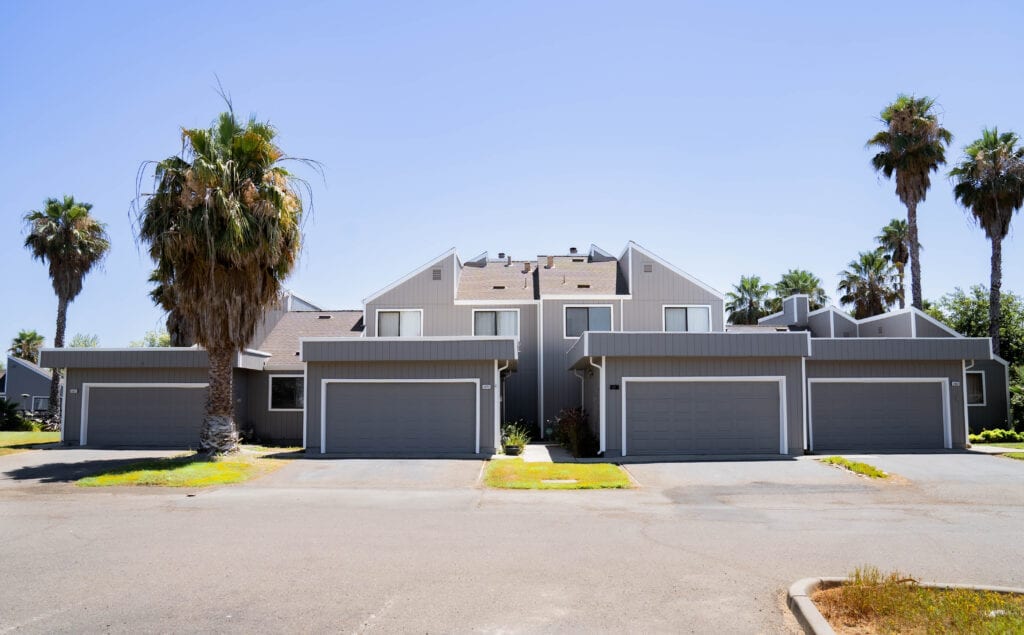
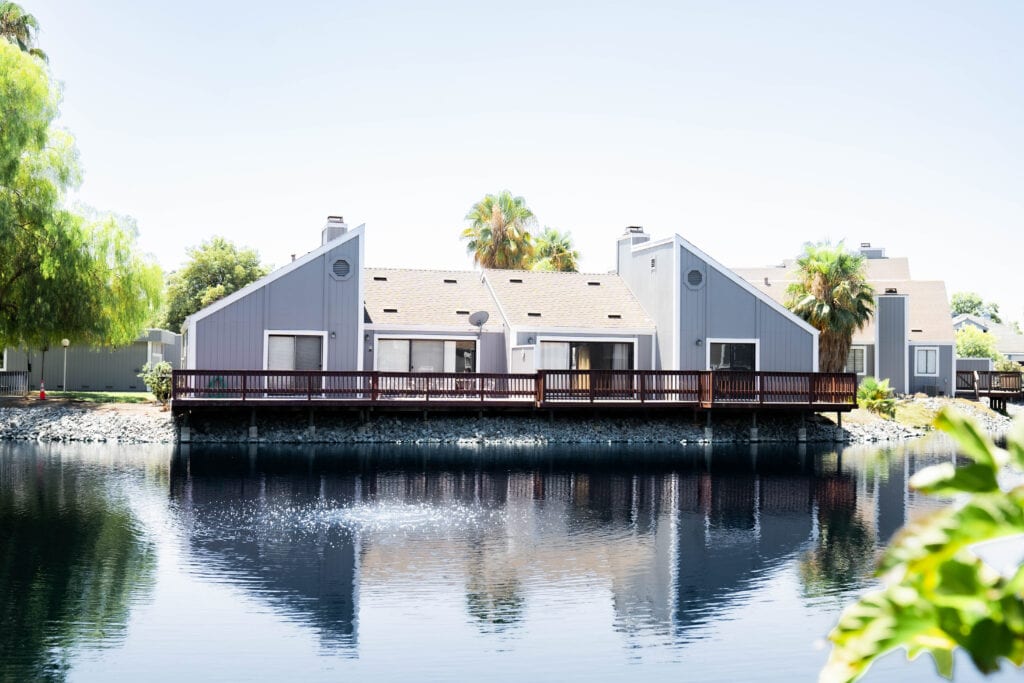
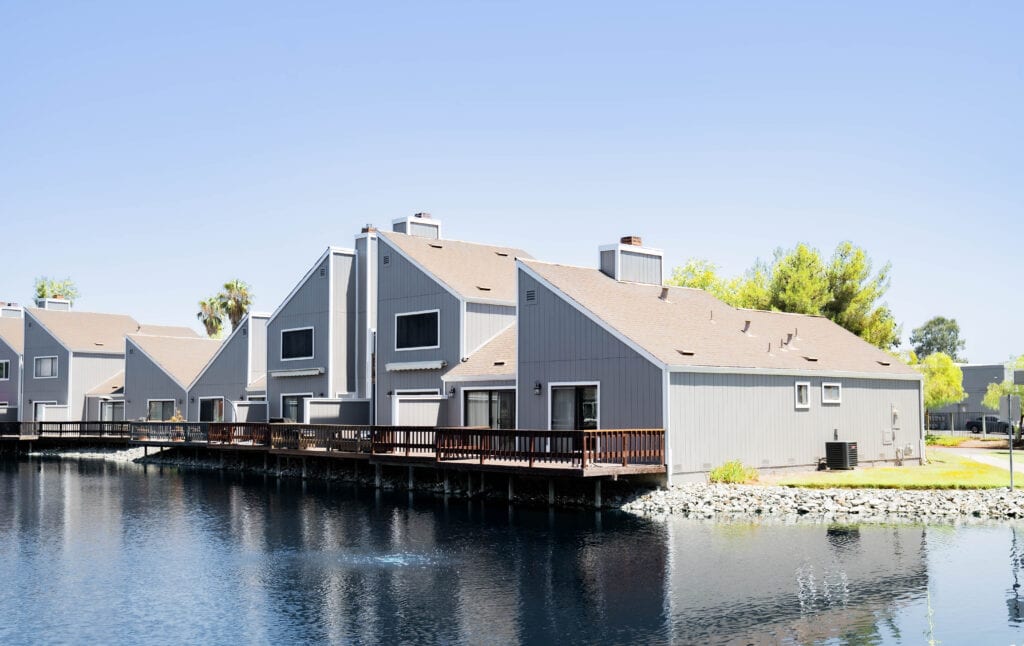
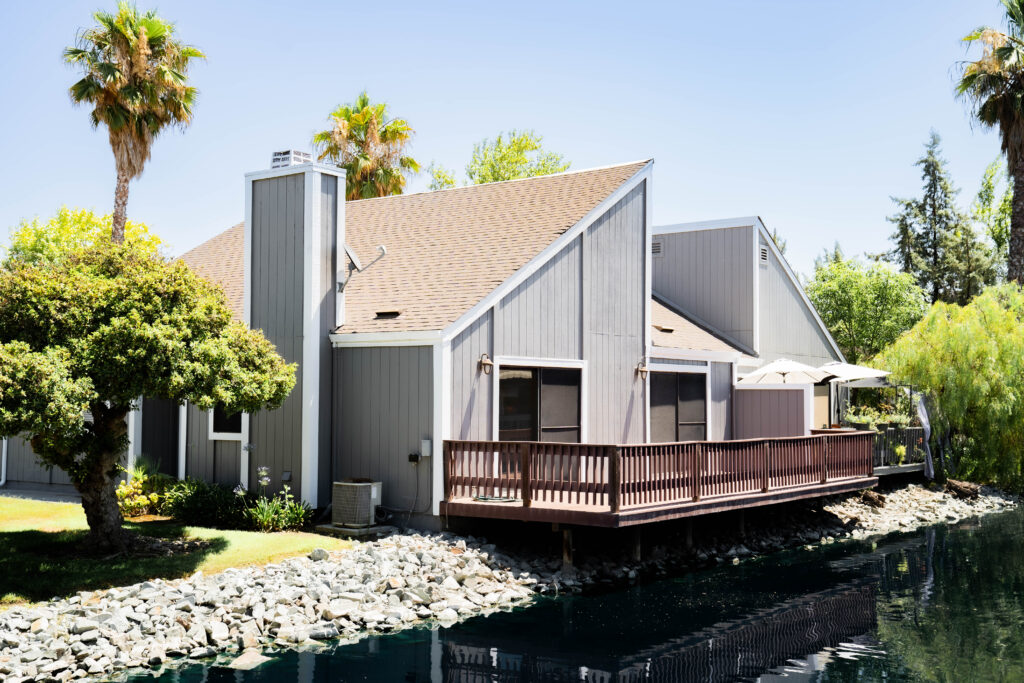
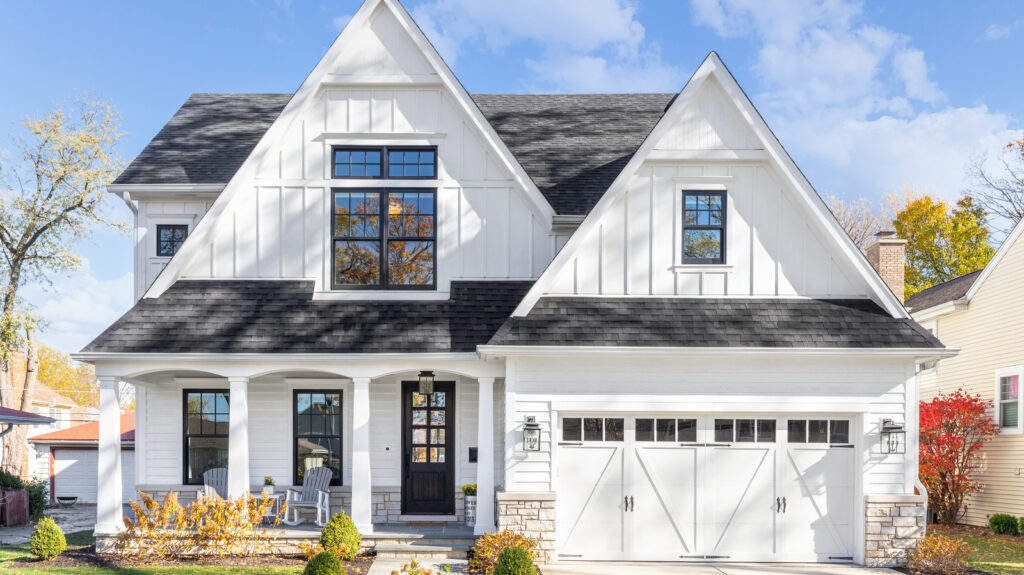
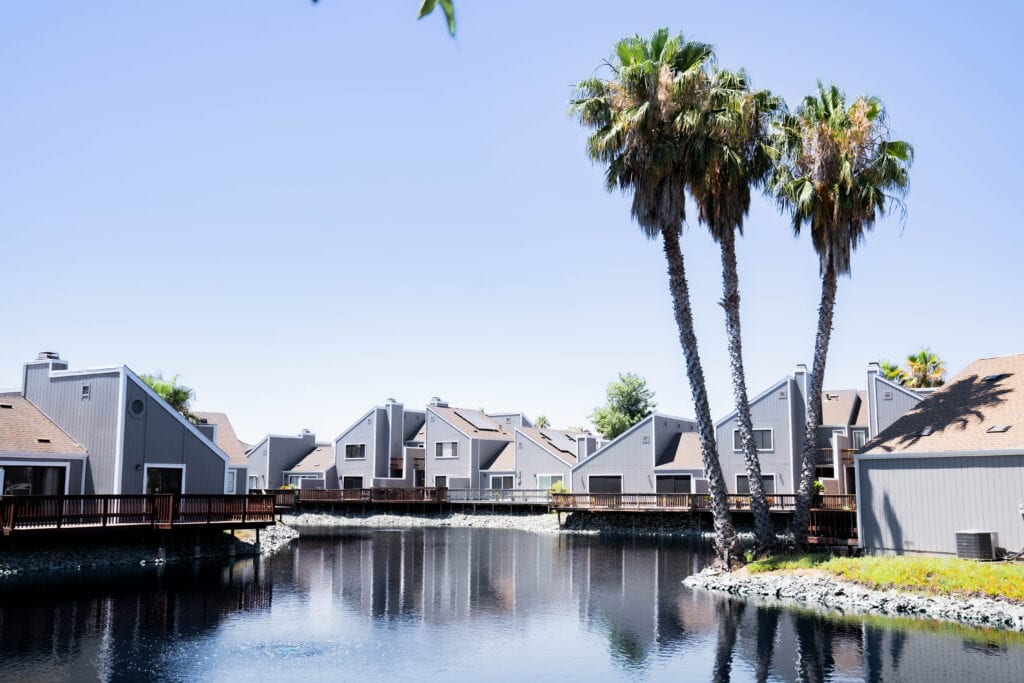
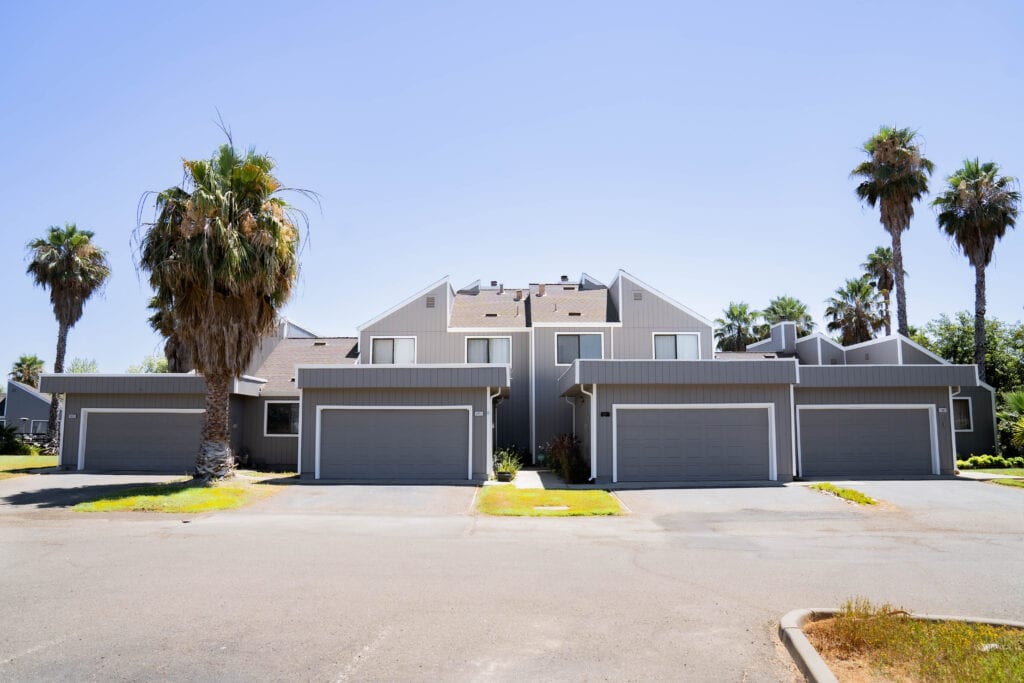
A look at homes we've re-sided across Sacramento, the Bay Area, and Lake Tahoe with James Hardie fiber cement.

★★★★★ Rated 4.9 from 69 Google reviews
Heritage Exteriors is beyond exceptional. Very impressed with the timeliness, communication, and reasonable price of the whole project.
Heritage replaced my old crumbling wood siding and did a fantastic job. From the first interactions assessing the project and providing a quote, to the project itself, was all exceptional. My home looks brand new.
We recently had our house re-sided with Hardie product. We interviewed 3 companies, one of them being Heritage Exteriors. From our first meeting with David to the last day's work touching up paint, the experience was excellent.