★★★★★
Heritage Exteriors is beyond exceptional. Very impressed with the timeliness, communication, and reasonable price of the whole project.
Scott Doyen
Sacramento, CA · Google
Sacramento, CA · Google

If your Sacramento-area home was built in the 1970s or 80s, there is a strong chance it wears T1-11 plywood siding — and if it has never been replaced, it is likely reaching the end of its life. Swapping aging T1-11 for James Hardie fiber cement gives you a rot-proof, fire-rated, low-maintenance exterior that will outlast the plywood by decades.
Get a Free EstimateDrive through any established Sacramento neighborhood built in the 70s or 80s and you will see it everywhere: T1-11 plywood siding, with its distinctive vertical grooves. It was cheap, fast, and gave homes a vertical, board-and-batten-style look. Decades later, a lot of that original T1-11 is quietly failing — and homeowners are replacing it with James Hardie fiber cement to be done with wood siding for good.
T1-11 is a wood product, and wood and Northern California weather are a slow-motion problem. The failure points are predictable:
Replacing T1-11 with fiber cement fixes the root problem — it is not wood, so it does not rot, swell, or feed pests. Homeowners choose Hardie for:
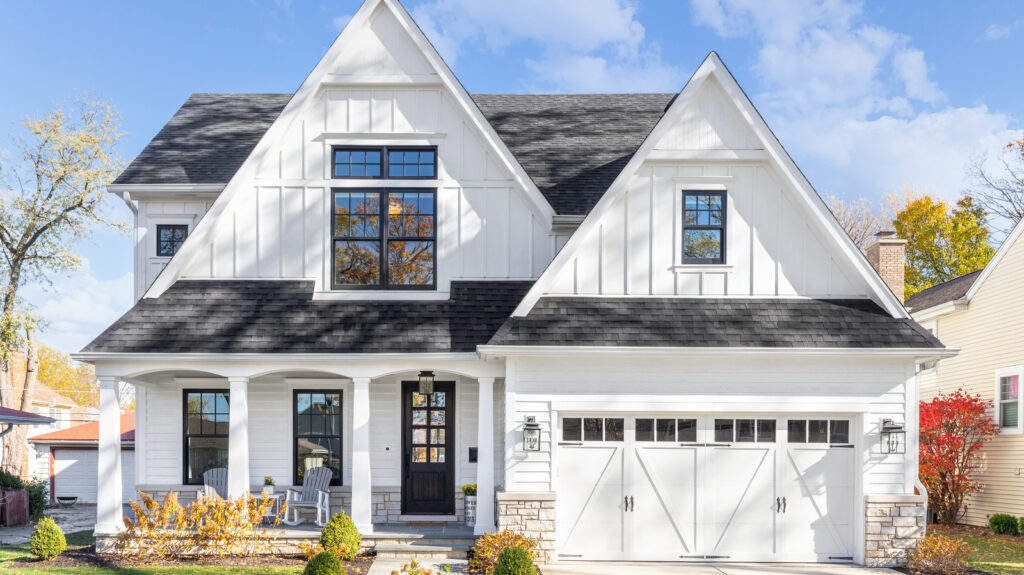
A lot of T1-11 owners actually like the vertical lines of their siding — they just hate maintaining it. The good news: HardiePanel with battens delivers that same modern-farmhouse vertical look in a material engineered for our climate. You can keep the character of the home and lose the rot, repainting, and swelling. Pair it with a fresh color from the California palette and the transformation is dramatic.
| T1-11 plywood siding | James Hardie fiber cement | |
|---|---|---|
| Material | Wood (plywood/OSB) | Fiber cement (noncombustible) |
| Moisture & rot | Swells, delaminates, rots | Rot-proof and moisture-resistant |
| Fire rating | Combustible | Class A, noncombustible |
| Maintenance | Frequent paint & caulk | Low — ColorPlus holds color for years |
| Lifespan | Often failing by 30–40 years | Engineered for decades of service |
For a deeper side-by-side, see T1-11 vs. James Hardie.
T1-11 rarely fails all at once — it deteriorates gradually, usually from the bottom up and around openings, so it is easy to miss until it is well advanced. Walk your walls and look for these tell-tale signs:
Because T1-11 often doubles as the home's sheathing, damage to it can mean damage to the structure behind it. That is why we treat a T1-11 inspection seriously rather than assuming a coat of paint will buy you meaningful time.
If only a small, isolated area is damaged and the rest of the siding is genuinely sound, a targeted repair can make sense as a short-term fix. But T1-11 has a hard truth built into it: the whole wall was installed at the same time, exposed to the same weather, and painted on the same schedule — so when one section fails, the rest is usually not far behind. Spending money to patch a panel here and a corner there, year after year, often adds up to more than a single clean replacement would have cost, and you still end up with an aging wood exterior at the finish line.
Our rule of thumb: if you are repairing T1-11 more than occasionally, or if the damage reaches the sheathing or framing, replacement with James Hardie is the better investment. You stop pouring money into a material that is on its way out and start with an exterior engineered to outlast the house's next several owners.
While board-and-batten is the natural match for a T1-11 home, it is not your only option. Switching to James Hardie is a chance to reconsider the whole look of the house. HardiePlank lap siding gives a clean, horizontal, updated profile; HardieShingle adds craftsman texture on gables and accents; and mixing profiles — lap on the main walls, board-and-batten on a gable, shingle on a dormer — creates the layered, custom look you see on new Northern California builds. Combined with a fresh ColorPlus color, the transformation from tired 1970s plywood to a modern fiber-cement exterior can be dramatic.
A T1-11 replacement is also the ideal moment to refresh everything the siding touches. Because we are already opening up the wall plane, it is efficient to update window and door trim, add crisp HardieTrim at the corners, and — if your windows are original to the home — coordinate a window replacement in the same project so flashing is integrated cleanly in one pass. Homeowners are often surprised how much more "finished" the house looks once the dated plywood grooves are gone and replaced with clean lines and proper trim details.
We have replaced T1-11 on homes all over the Sacramento region and know exactly what tends to hide behind it. As a licensed California contractor (CSLB #1055919) and dedicated James Hardie installer, we remove old plywood siding, repair what we find, and install fiber cement correctly so your warranty and your walls are protected.
Tired of repainting and patching T1-11? Get a free estimate or call (916) 546-2991.
What is T1-11 siding?
T1-11 is a plywood or OSB sheet siding with vertical grooves, hugely popular on homes built in the 1970s and 80s. It is inexpensive and gives a vertical board-and-batten-style look, but as wood-based sheet siding it is vulnerable to moisture, rot, delamination, and swelling over time.
Why does T1-11 need to be replaced?
Because it is a wood product, T1-11 absorbs moisture at its edges, grooves, and fastener holes. Over the years it swells, delaminates, rots, and can invite pests — especially where paint or caulk has failed. Once that starts, patching rarely keeps up, and replacement with a non-wood siding solves it permanently.
Can James Hardie be installed over T1-11?
In some cases Hardie can go over sound T1-11 that acts as sheathing, but because aging T1-11 is so often hiding moisture or rot damage, we usually recommend removing it (or at minimum a thorough inspection) so the wall can be repaired and properly protected before new siding goes on.
Can I get the same vertical look I have now with Hardie?
Yes — and better. HardiePanel with battens (board-and-batten) gives you the clean vertical look many T1-11 homeowners want, in a fiber cement that will not rot, warp, or need constant repainting. It is one of the most popular choices for former T1-11 homes.
Is replacing T1-11 with Hardie worth it?
For most Northern California homeowners, yes. You trade a maintenance-heavy wood product nearing end of life for a fire-rated, rot-proof exterior that modernizes the home and adds resale value — one of the highest-return exterior remodels you can make.
Can you match my existing trim and color when you replace T1-11?
Absolutely. James Hardie offers a wide ColorPlus palette plus field-paint options, so we can match your existing scheme closely or help you choose a fresh look. We also install HardieTrim around windows, doors, and corners to keep the detailing clean and consistent with your home's style.
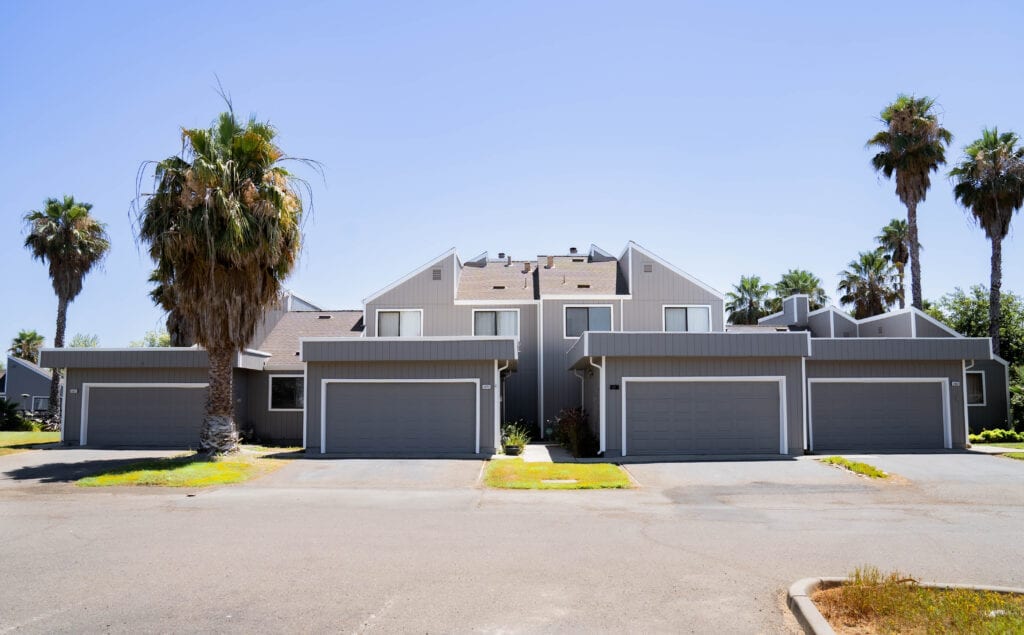
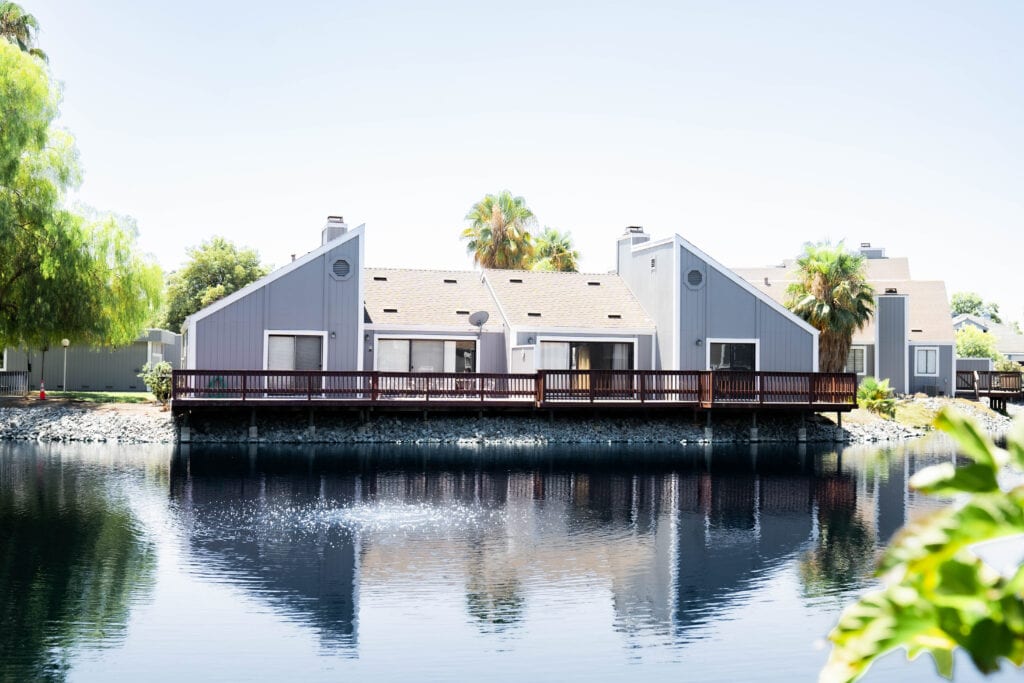
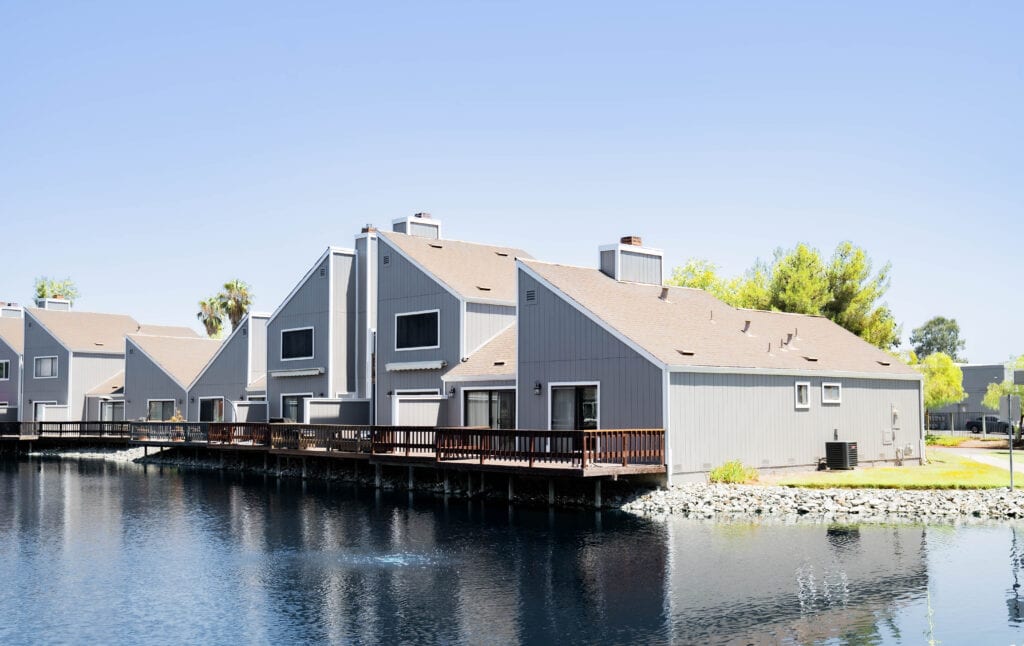
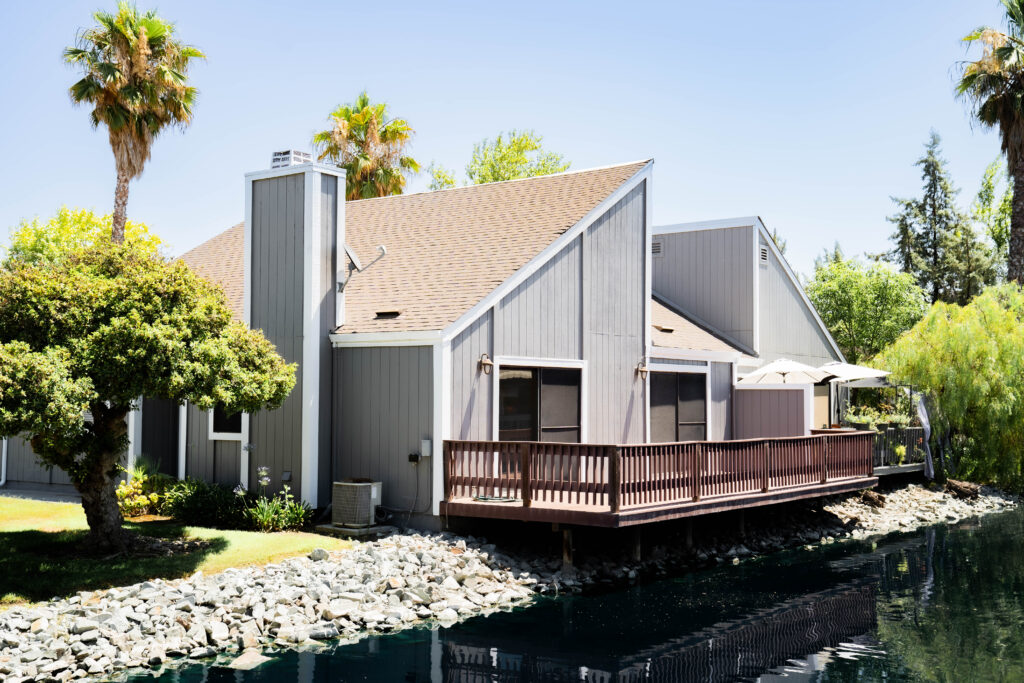
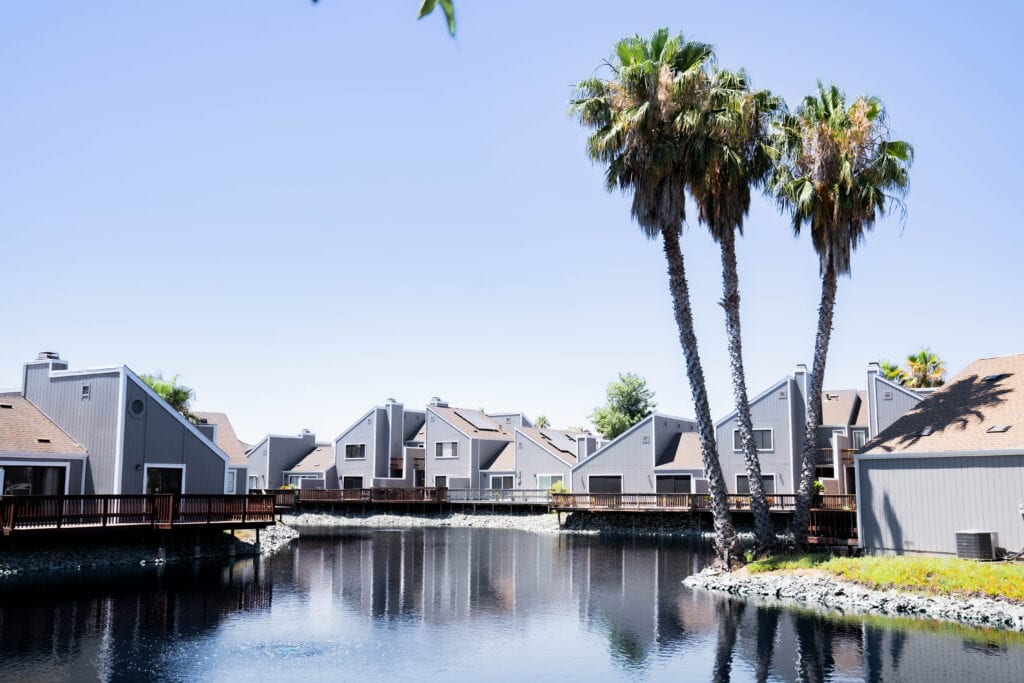
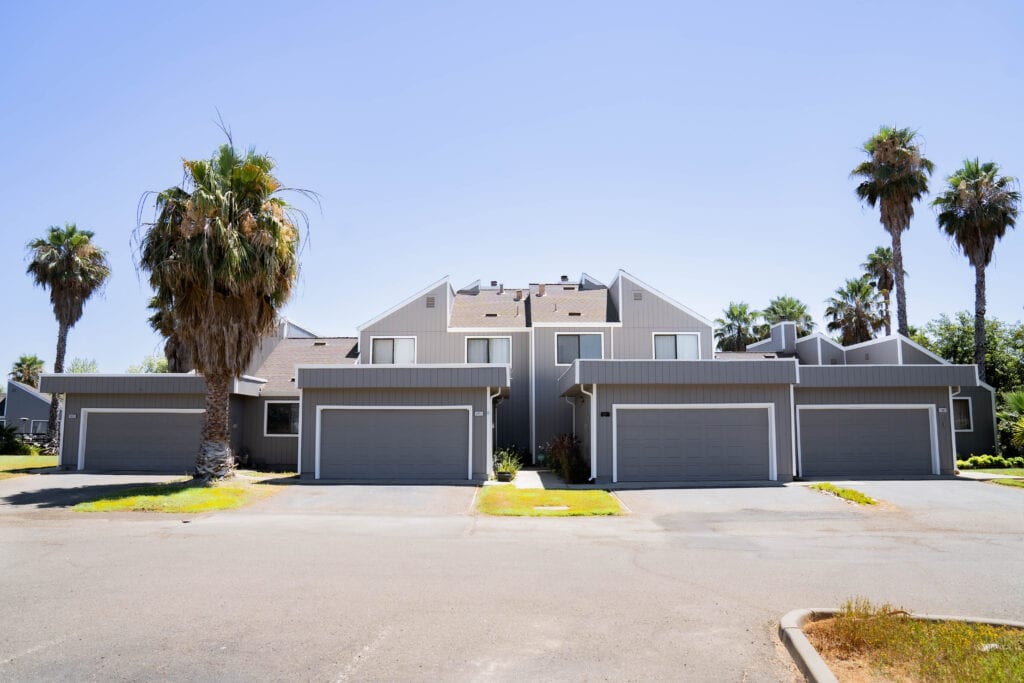
A look at homes we've re-sided across Sacramento, the Bay Area, and Lake Tahoe with James Hardie fiber cement.

★★★★★ Rated 4.9 from 69 Google reviews
Heritage Exteriors is beyond exceptional. Very impressed with the timeliness, communication, and reasonable price of the whole project.
Heritage replaced my old crumbling wood siding and did a fantastic job. From the first interactions assessing the project and providing a quote, to the project itself, was all exceptional. My home looks brand new.
We recently had our house re-sided with Hardie product. We interviewed 3 companies, one of them being Heritage Exteriors. From our first meeting with David to the last day's work touching up paint, the experience was excellent.