★★★★★
Heritage Exteriors is beyond exceptional. Very impressed with the timeliness, communication, and reasonable price of the whole project.
Scott Doyen
Sacramento, CA · Google
Sacramento, CA · Google

Replacing stucco with James Hardie fiber cement costs more than a straight re-side, because the old stucco has to be removed and the wall rebuilt underneath. Here is an honest look at what drives the price in Sacramento and the Bay Area, and how to budget for it — the only truly accurate number comes from an on-site estimate.
Get a Free Estimate"What will it cost?" is the question every homeowner leads with — and rightly so. Replacing stucco with James Hardie is a larger investment than a simple re-side, and understanding why helps you budget realistically and compare quotes fairly. Below is a straight explanation of what you are actually paying for.
A stucco-to-Hardie project is really three jobs in one: tearing off the old cladding, repairing and re-protecting the wall, and installing new siding. Each carries cost:
| Factor | Effect on cost |
|---|---|
| Home size (square footage of wall) | The largest single driver — more wall, more material and labor |
| Number of stories | Two-story homes need staging/scaffolding, raising labor |
| Hidden damage found after removal | Rot or moisture repair adds cost — but is essential to do right |
| Windows, doors, and corners | Each needs flashing and HardieTrim; more openings, more detail work |
| Hardie profile | Board-and-batten and shingle profiles cost more than standard lap |
| ColorPlus vs. field paint | Factory finish costs more upfront but lasts longer with less upkeep |
Re-stuccoing is cheaper today. But stucco keeps cracking, needs periodic sealing and repainting, and does nothing to fix the cracking and moisture problems that pushed you to look in the first place. James Hardie costs more upfront and then largely gets out of your way for decades. When you compare the total cost of owning the exterior — repairs, repaints, and peace of mind included — fiber cement is often the better financial decision, not just the better-looking one.
Not all "old siding" is equally expensive to remove, and stucco sits at the higher end. Vinyl and wood siding are fastened to the wall and come off in panels or boards relatively quickly. Stucco is a bonded, multi-layer system — a scratch coat, a brown coat, and a finish coat over lath and paper — that has to be broken up and pulled off in pieces. It is heavier, dustier, and slower to strip, and it fills a dumpster fast. That is the single biggest reason a stucco-to-Hardie conversion carries a higher tear-off line item than re-siding a wood or vinyl home of the same size. It is not a reason to avoid the project — it is simply a cost to plan for, and a good contractor will call it out clearly instead of burying it.
One of the best ways to protect your budget is to insist on a detailed written estimate — and to compare quotes line by line rather than on the bottom number alone. A thorough Heritage Exteriors estimate spells out:
If a quote is a single lump sum with no breakdown, you have no way to tell whether the low bid skipped the moisture barrier or the sheathing allowance — corners that cost you dearly later.
There are honest ways to manage cost on a stucco conversion without cutting the corners that matter:
What we never recommend is skipping the weather barrier, skimping on flashing, or leaving damaged sheathing in place to save money — those are the shortcuts that turn into expensive callbacks.
For most Northern California homeowners, the answer is yes — on two fronts. First, fiber cement siding consistently ranks among the highest return-on-investment exterior remodels in national cost-versus-value studies, often recouping a large share of its cost at sale. Second, and harder to put a number on, is buyer perception: a home wrapped in fresh, crisp James Hardie reads as move-in-ready and well cared for, while cracked or patched stucco reads as deferred maintenance a buyer will have to deal with. That perception influences both the offers you receive and how quickly the home sells.
There is also the fire-rating angle, which increasingly affects insurability in California. A noncombustible, Class A exterior can matter to buyers weighing insurance costs and availability in and near Wildland-Urban Interface zones — and unlike aging stucco, fiber cement won’t crack and trap moisture behind it. So while the upfront cost of a stucco conversion is real, it is not money that simply disappears into the walls: a meaningful portion comes back in resale value, marketability, and long-term risk reduction.
Ballpark ranges you find online rarely fit a specific home, because so much depends on what is behind the stucco. The best path is:
For the full picture on the switch itself, see our guide to replacing stucco with James Hardie in Sacramento.
Ready for real numbers on your home? Get a free estimate or call (916) 546-2991.
How much does it cost to replace stucco with James Hardie?
Our James Hardie cost guide budgets Hardie work at $10 to $25 per square foot depending on product and prep, and the added labor of removing stucco and rebuilding the wall pushes a conversion toward the higher end of that range. Because homes vary so much in size, stories, and condition, the responsible answer is a written on-site estimate rather than a single number.
Why is replacing stucco more expensive than replacing wood or vinyl siding?
Stucco removal is labor-intensive and generates a lot of debris to haul and dispose of, and once it is off we often find sheathing or moisture repairs that were hidden. That demolition-and-repair work is the main reason a stucco conversion costs more than re-siding over existing wood or vinyl.
What raises the price of a stucco-to-Hardie project the most?
The biggest cost drivers are home size and number of stories, the amount of hidden sheathing or moisture damage found after removal, the number of windows and doors (each needs flashing and trim), and premium choices like board-and-batten profiles or ColorPlus factory finish.
Does James Hardie cost more upfront than re-stucco?
Usually yes. But fiber cement lasts longer, resists cracking, needs far less maintenance, and carries a Class A fire rating — so over the life of the home it often costs less than repeatedly patching, sealing, and repainting stucco.
Do you offer financing for stucco replacement?
Yes. Heritage Exteriors offers financing options so you can spread the investment over time. See our financing page or ask about it during your free estimate.
Can I replace my stucco in phases to spread the cost?
It is sometimes possible to phase a project — for example, tackling the most weather-exposed or damaged elevations first — but it is usually less efficient than doing the whole home at once, since crews and staging have to mobilize more than once. During your estimate we can lay out both approaches with real numbers so you can decide what fits your budget and timeline best.
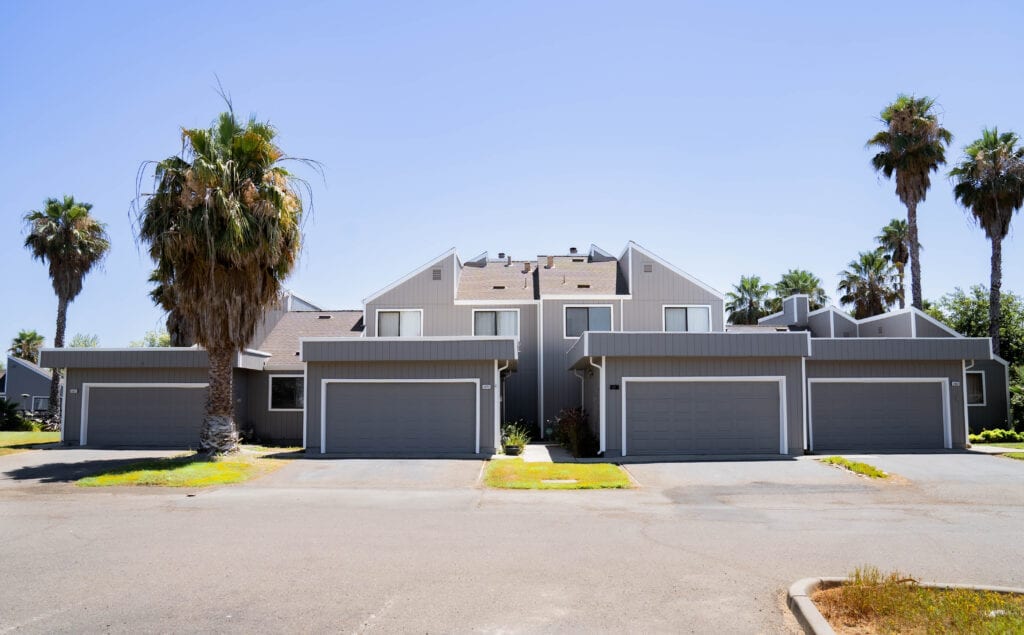
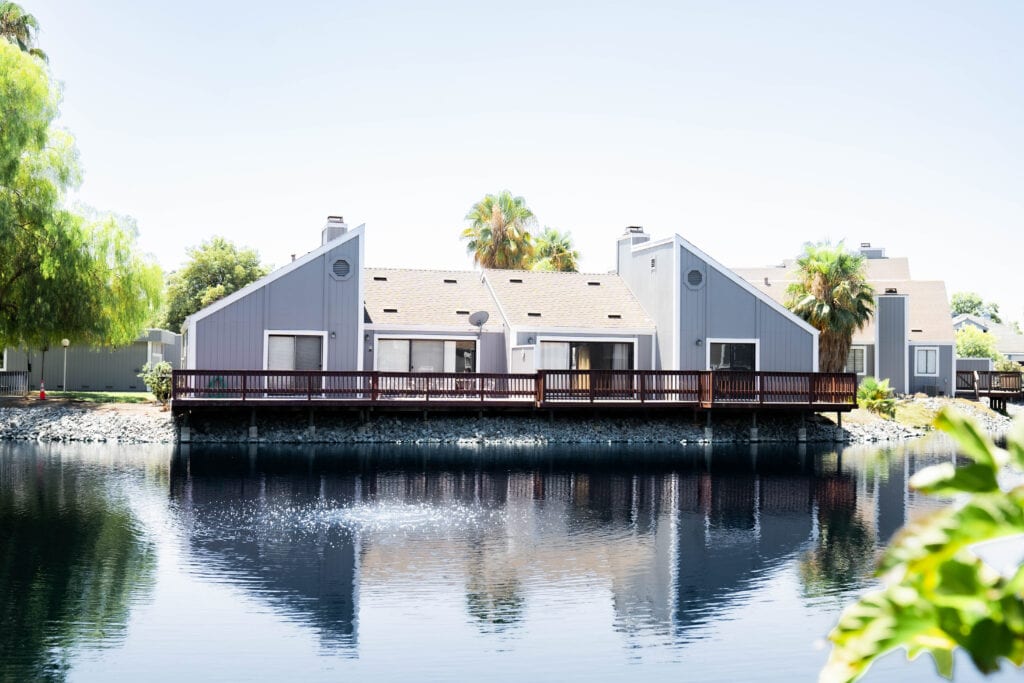
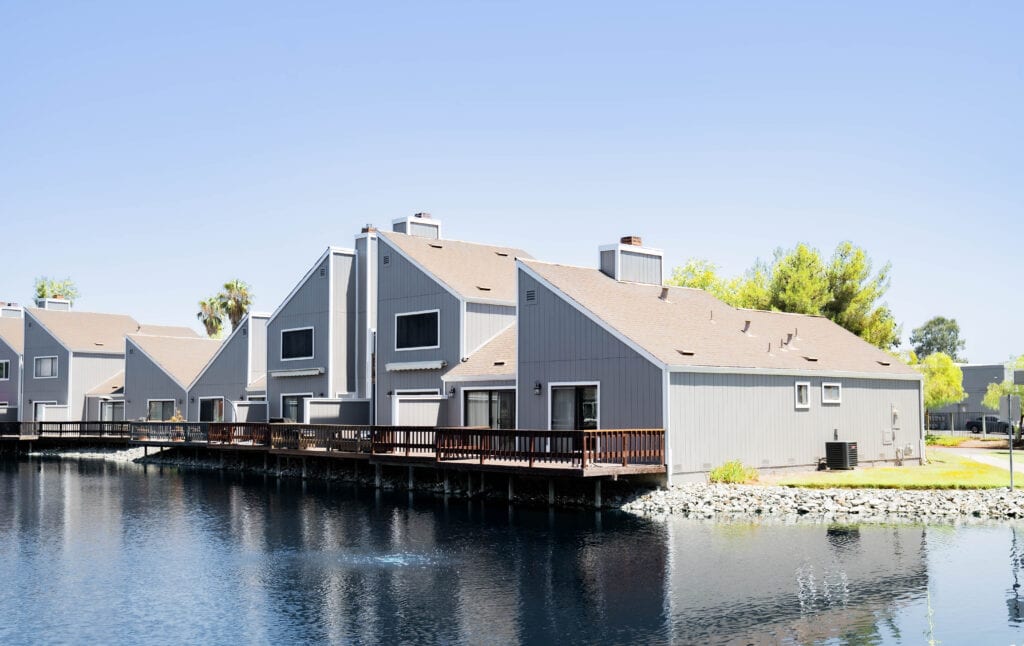
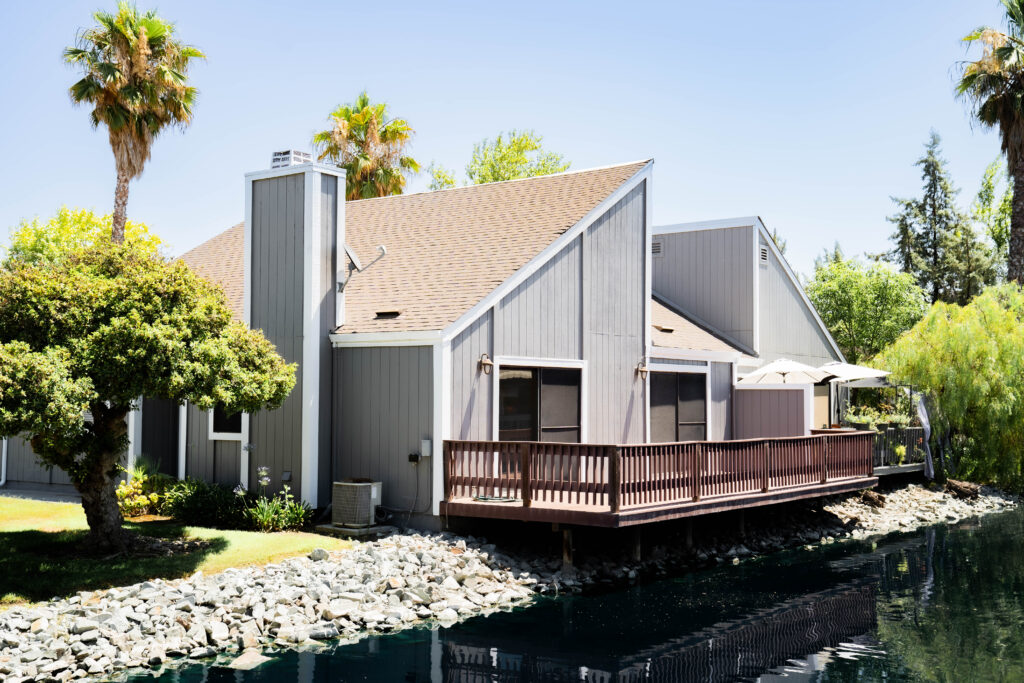
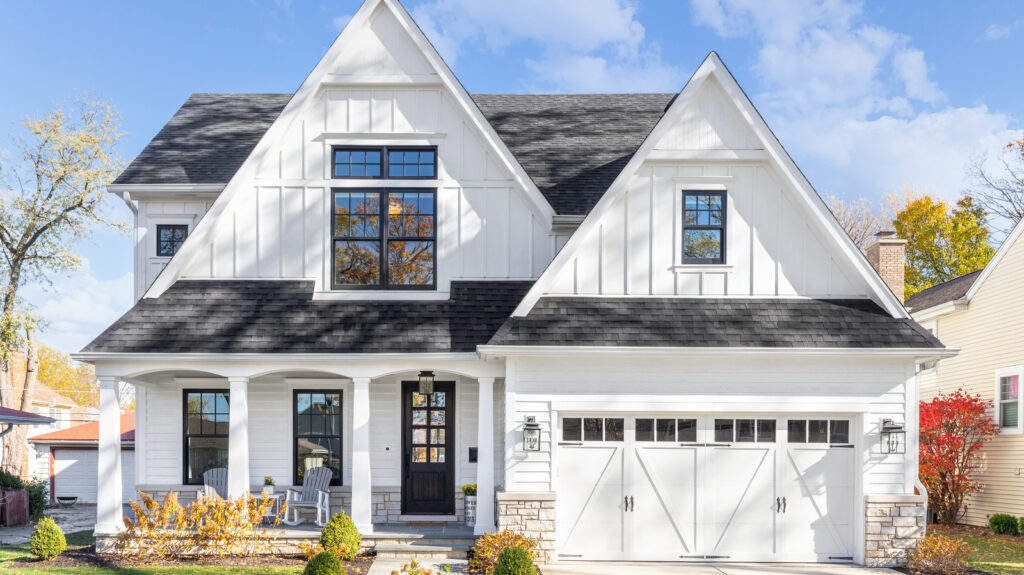
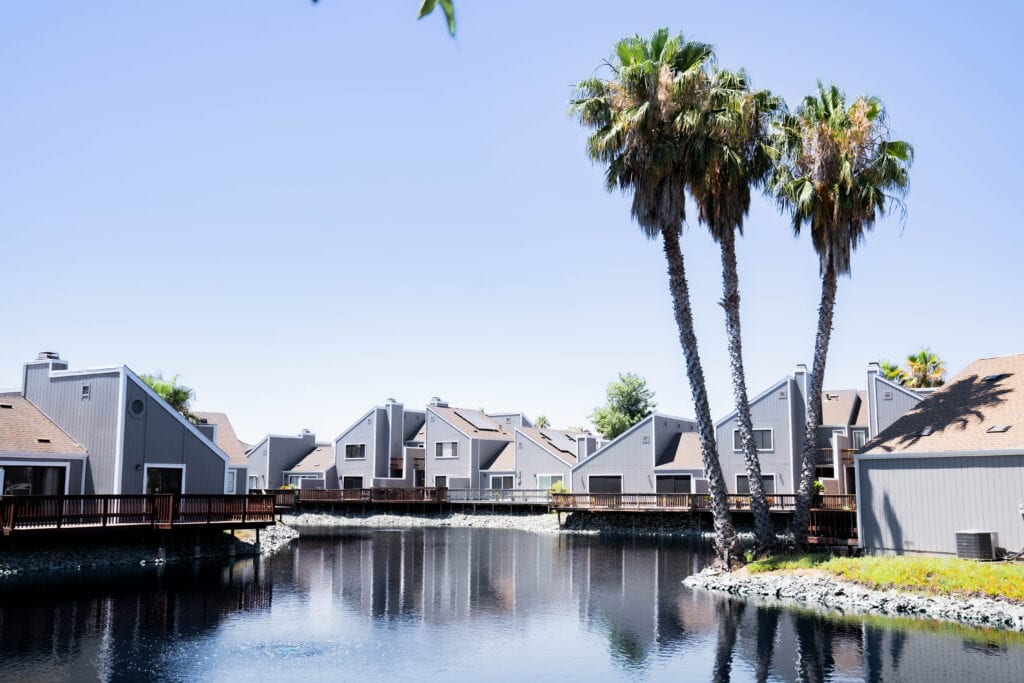
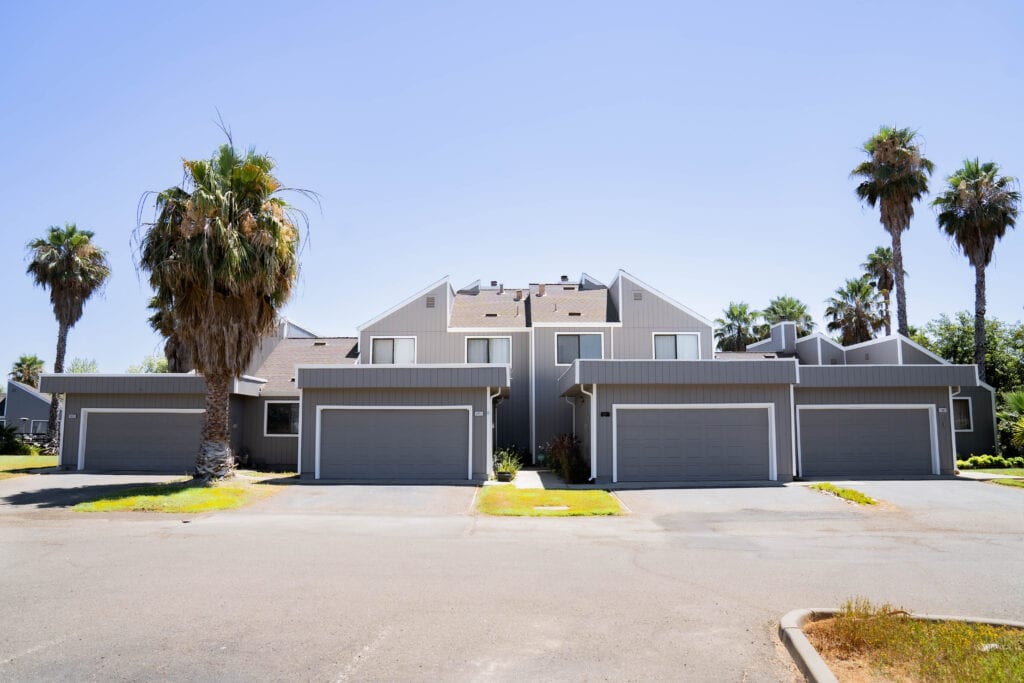
A look at homes we've re-sided across Sacramento, the Bay Area, and Lake Tahoe with James Hardie fiber cement.

★★★★★ Rated 4.9 from 69 Google reviews
Heritage Exteriors is beyond exceptional. Very impressed with the timeliness, communication, and reasonable price of the whole project.
Heritage replaced my old crumbling wood siding and did a fantastic job. From the first interactions assessing the project and providing a quote, to the project itself, was all exceptional. My home looks brand new.
We recently had our house re-sided with Hardie product. We interviewed 3 companies, one of them being Heritage Exteriors. From our first meeting with David to the last day's work touching up paint, the experience was excellent.