★★★★★
Heritage Exteriors is beyond exceptional. Very impressed with the timeliness, communication, and reasonable price of the whole project.
Scott Doyen
Sacramento, CA · Google
Sacramento, CA · Google

Vinyl siding is affordable and common, but many Sacramento and Bay Area homeowners eventually want the more substantial look, fire resistance, and durability of James Hardie fiber cement. Here is how the two compare on cost and performance, and what upgrading from vinyl to Hardie actually involves.
Get a Free EstimateVinyl siding earned its popularity honestly: it is inexpensive, low-maintenance, and easy to install. But as homeowners look for a more substantial look — and think harder about fire safety in California — many decide to upgrade to James Hardie fiber cement. If you are weighing that move, here is a clear-eyed comparison and what the switch involves.
| Vinyl siding | James Hardie fiber cement | |
|---|---|---|
| Upfront cost | Lower | Higher |
| Fire resistance | Combustible; can melt or warp in heat | Noncombustible, Class A rated |
| Durability & impact | Can crack, warp, or fade | Highly resistant to impact, heat, and UV |
| Look & feel | Lighter, more "plastic" | Thicker, more substantial, higher-end |
| Maintenance | Low | Low — ColorPlus holds color for years |
| Resale perception | Standard | Premium |
For a deeper feature-by-feature breakdown, see our full James Hardie vs. vinyl siding comparison.
We will be straight with you: if lowest upfront cost is the priority and fire exposure is minimal, quality vinyl is a reasonable choice. The upgrade to Hardie makes the most sense when you want long-term durability, fire resistance, and a higher-end appearance — and are comfortable investing more upfront to get them. Our cost guide and financing options can help you weigh it.
Vinyl performs best in mild, stable climates — and the Central Valley is neither. Our summers deliver long stretches of triple-digit heat and intense UV, and that is exactly where vinyl shows its limits. Dark-colored vinyl in particular can warp, buckle, or sag when it absorbs enough heat, and prolonged sun exposure fades the color over the years because vinyl's pigment runs through a relatively thin material. Radiant heat from a nearby barbecue, a reflective window, or even a neighbor's low-E glass has been known to distort vinyl panels. James Hardie fiber cement, by contrast, is dimensionally stable in heat and holds its factory ColorPlus finish far longer, which is a real advantage under a Sacramento sun.
Part of comparing vinyl and Hardie fairly is looking past the install day to the decades after it. Quality vinyl can last a long time, but it is more likely to need replacement sooner due to fading, cracking, or storm and impact damage. James Hardie is built for a longer service life, backed by a substantial manufacturer product warranty, with the ColorPlus finish carrying its own finish warranty. When you factor in how long the exterior actually lasts — and how good it still looks near the end of that life — the higher upfront cost of Hardie spreads across many more years of service. For homeowners planning to stay put, that math frequently favors fiber cement.
There is a resale dimension too. A prospective buyer walking up to a home with crisp, substantial Hardie siding reads "well-built and cared for," while dated or faded vinyl can read as a future expense. That perception shows up in both offers and days-on-market.
Siding itself is not your home's primary insulator — that job belongs to what is inside the wall — but the re-side is an ideal moment to improve the whole assembly. Because we remove the old vinyl and open the wall plane, a vinyl-to-Hardie project is the right time to add or upgrade a house wrap, seal air leaks, and address any gaps around windows and penetrations. Those improvements, done while the wall is accessible, are what actually move the needle on comfort and energy bills — and they are far cheaper to do now than to retrofit later. It is one more reason a planned upgrade beats waiting for the old siding to fail.
Stand next to a Hardie-sided home and then a vinyl one, and the difference is immediate. Fiber cement is thicker, with deeper shadow lines at each course and crisp, dimensional trim around windows and corners. It reads as a built-in part of the house rather than a wrap applied over it. Vinyl's thinner profile and visible seams — and the way panels have to "float" to allow for expansion — give it a lighter look that many buyers and homeowners associate with entry-level construction. With Hardie's ColorPlus palette, you also get rich, consistent, factory-applied color engineered for our sun, versus vinyl's through-body pigment that tends to lighten over the years. If the goal of your project is to make the home look meaningfully more upscale, that visual upgrade is one of the clearest reasons homeowners choose to switch.
Even for sellers, the upgrade often makes sense. Fiber cement is one of the top exterior remodels for resale return, and a fresh Hardie exterior can shorten days-on-market by removing an obvious objection — buyers don't look at it and mentally subtract a future re-side. In fire-conscious California markets, a noncombustible Class A exterior can also be a selling point tied to insurability. If a full re-side isn't in the cards before listing, we can talk through where the investment pays back most; but in many neighborhoods, arriving at the market with Hardie already installed is a genuine competitive edge over comparable vinyl-sided listings.
As a licensed California contractor (CSLB #1055919) and dedicated James Hardie installer, we handle vinyl-to-fiber-cement upgrades across Sacramento, the Bay Area, and Lake Tahoe — removing the old siding, prepping the wall correctly, and installing Hardie to manufacturer spec. See how we compare with other Hardie installers in Sacramento.
Thinking about the upgrade? Get a free estimate or call (916) 546-2991.
Is James Hardie better than vinyl siding?
For most homeowners who want a premium, long-lasting exterior, yes. James Hardie is noncombustible (Class A fire rating), far more impact- and heat-resistant, and reads as a higher-end material than vinyl. Vinyl wins on lowest upfront cost and simplicity; Hardie wins on durability, fire safety, and resale appeal.
How much more does James Hardie cost than vinyl?
Hardie generally costs more per square foot installed than vinyl, both in material and labor, because it is heavier and requires more skilled installation. Many homeowners find the added durability, fire rating, and curb appeal justify the difference — especially in fire-prone California.
Can James Hardie be installed over vinyl siding?
It is generally best to remove vinyl first so we can inspect the wall, install a proper weather-resistive barrier, and fasten the Hardie correctly into the framing. Removal also avoids trapping moisture and keeps trim and wall thickness correct.
Why upgrade from vinyl to Hardie in California?
Fire resistance is a major reason. Vinyl can melt, warp, or ignite under heat, while James Hardie is noncombustible — a meaningful advantage in Wildland-Urban Interface areas. Hardie also handles our intense sun and heat without the warping or fading vinyl can suffer.
Will upgrading to Hardie add resale value?
Fiber cement consistently ranks among the top exterior remodels for return on investment, and buyers generally perceive a Hardie exterior as more premium and durable than vinyl — so it tends to help both resale value and curb appeal.
How long does a vinyl-to-Hardie project take?
A typical single-story home takes about one to two weeks, depending on square footage, the number of windows and doors, and whether any wall repairs are needed once the vinyl is removed. Two-story homes and larger footprints take a bit longer because of staging. We give you a firm timeline with your written estimate so you know what to expect from start to finish. Much of that window is prep, removal, and careful flashing — the actual Hardie installation moves quickly once the wall is properly prepared.
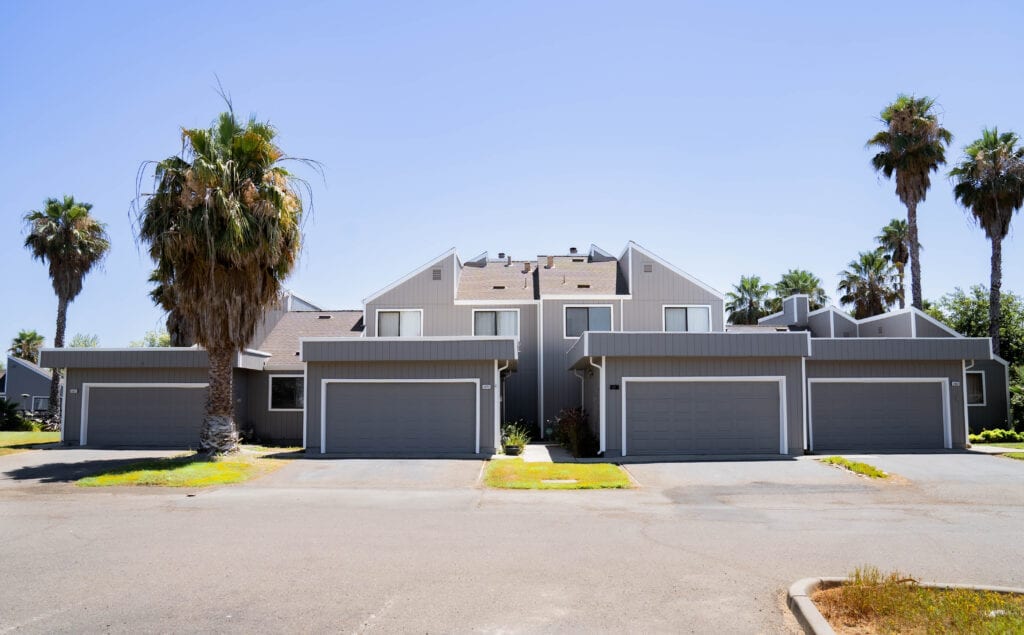
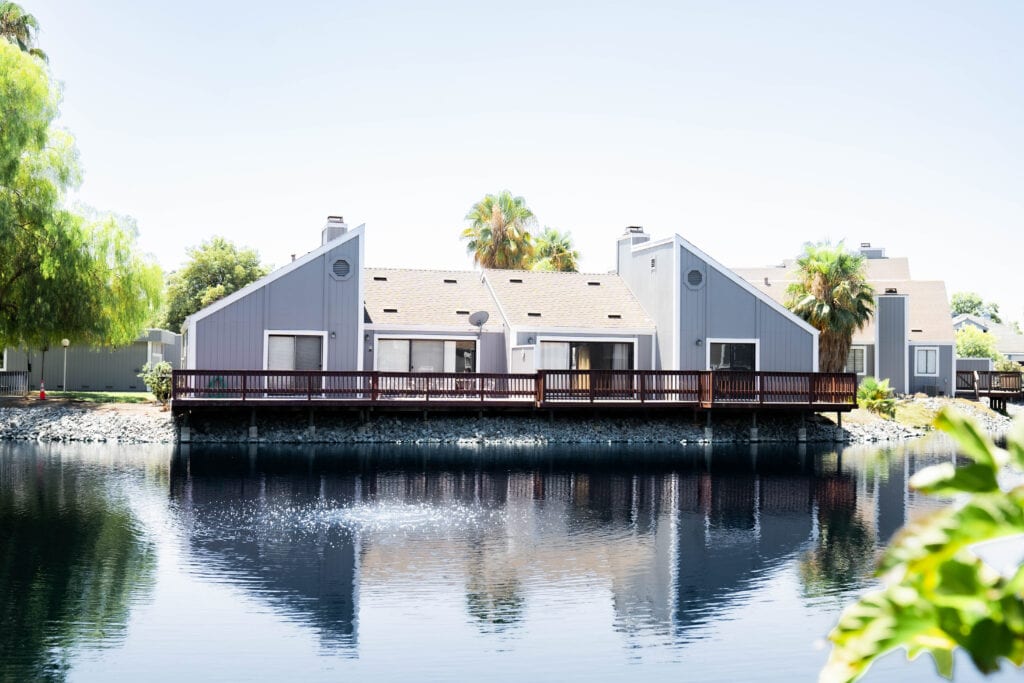
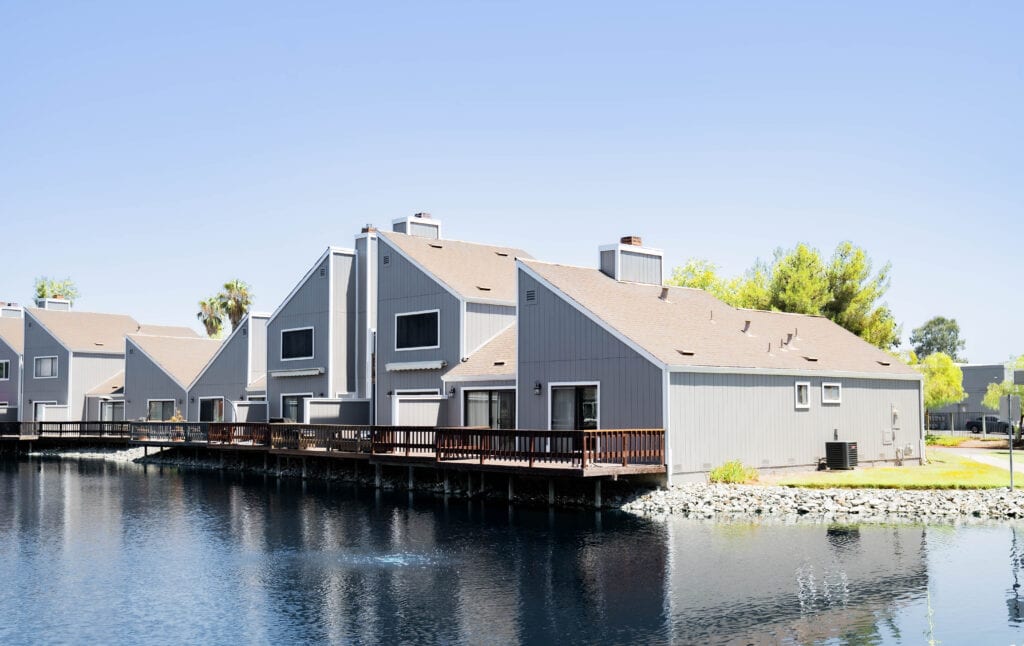
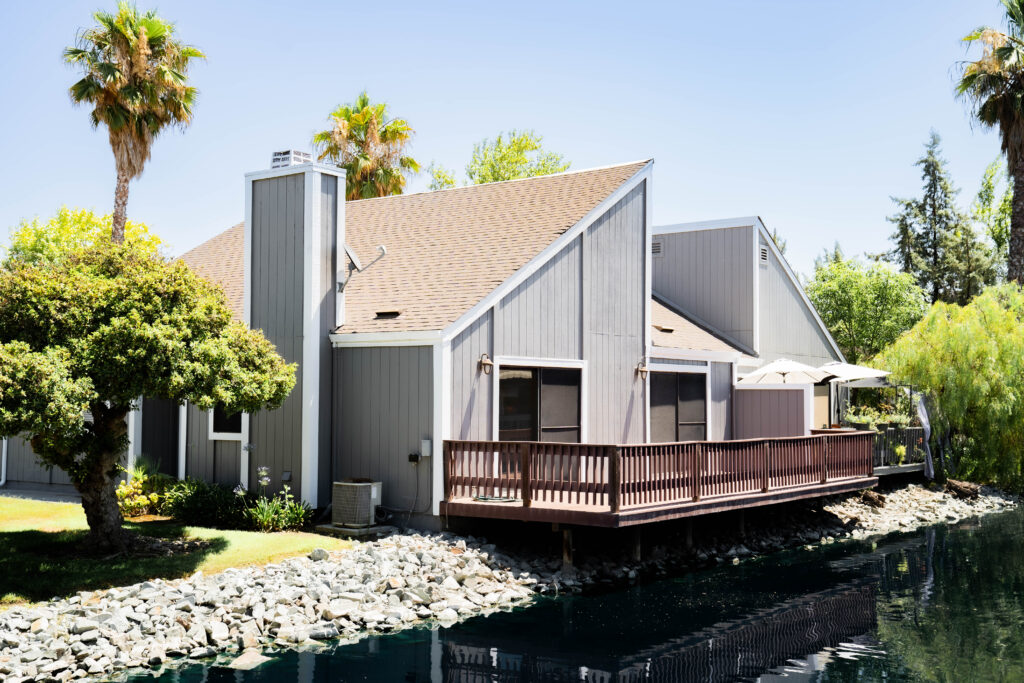
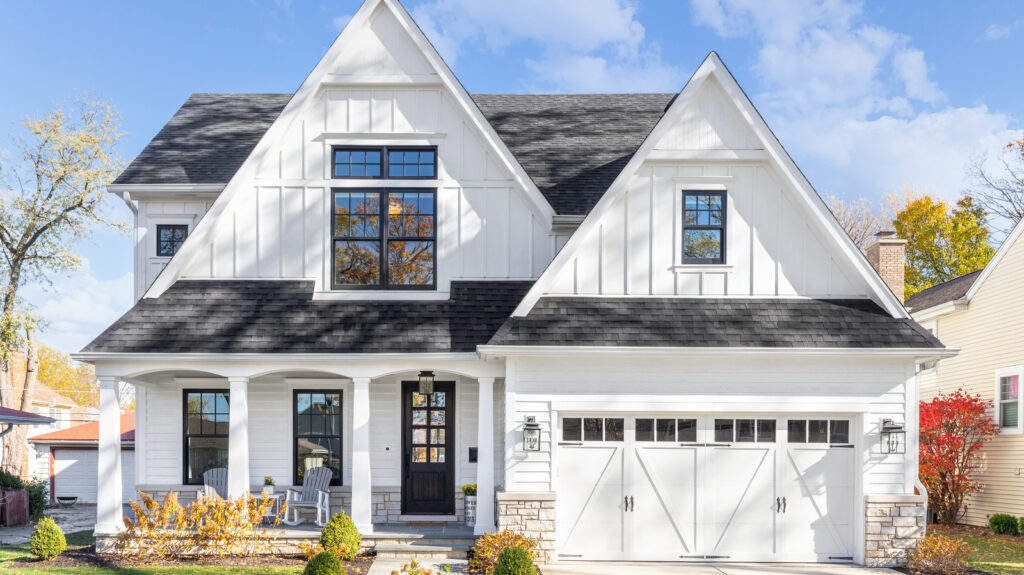
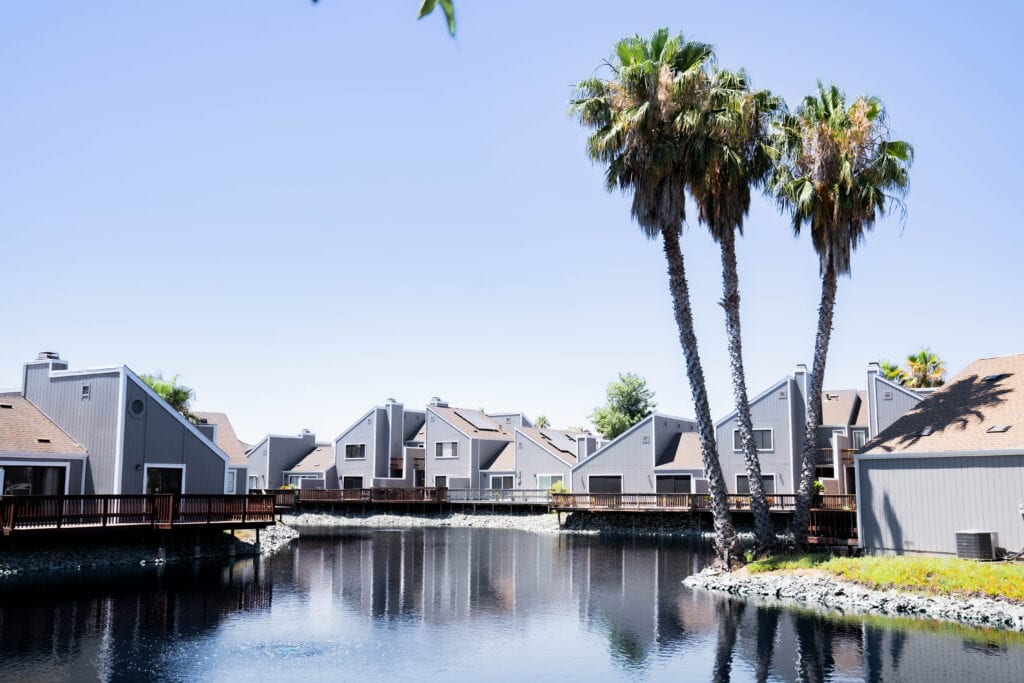
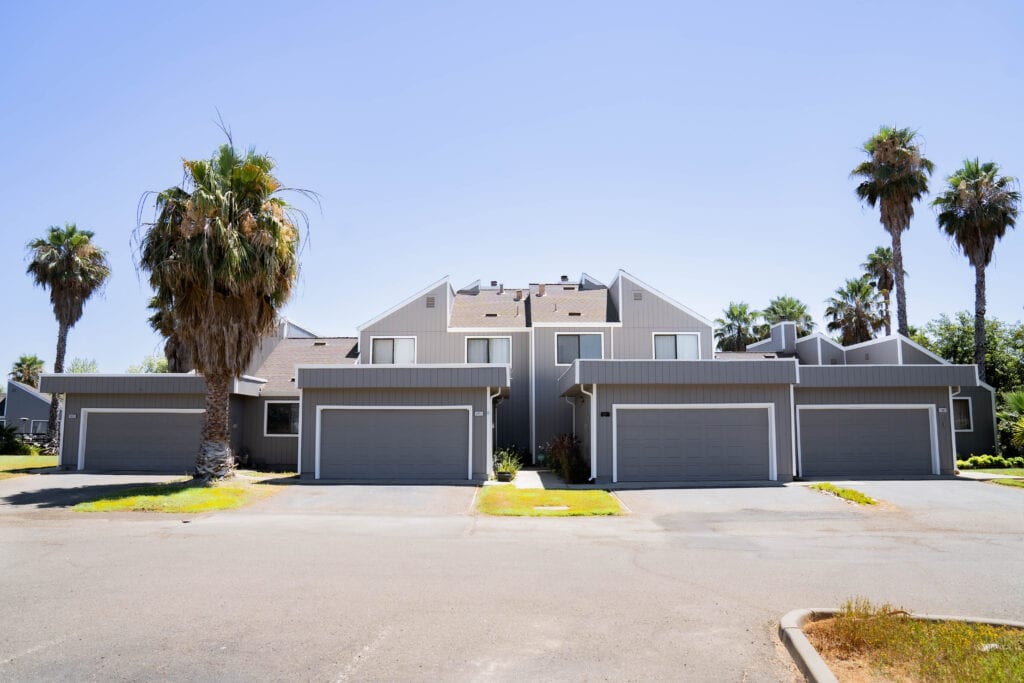
A look at homes we've re-sided across Sacramento, the Bay Area, and Lake Tahoe with James Hardie fiber cement.

★★★★★ Rated 4.9 from 69 Google reviews
Heritage Exteriors is beyond exceptional. Very impressed with the timeliness, communication, and reasonable price of the whole project.
Heritage replaced my old crumbling wood siding and did a fantastic job. From the first interactions assessing the project and providing a quote, to the project itself, was all exceptional. My home looks brand new.
We recently had our house re-sided with Hardie product. We interviewed 3 companies, one of them being Heritage Exteriors. From our first meeting with David to the last day's work touching up paint, the experience was excellent.