

- The HardieZone® System matches James Hardie siding to local conditions using two formulations: HZ5 for freeze-thaw, snow, and ice, and HZ10 for heat, humidity, and rain.
- Most of California, including Sacramento, the Bay Area, and the foothills, uses HZ10 products, while high-elevation areas like Lake Tahoe and Truckee call for HZ5.
- Choosing siding that fits your climate zone helps prevent premature wear, moisture damage, and costly repairs while extending the life of the installation.
- Beyond product selection, proper installation by a contractor experienced with the HardieZone® System is essential to long-term performance.
- Region-specific maintenance, regular cleaning, and routine inspections keep James Hardie siding looking and performing its best and catch small issues early.
When it comes to selecting the right siding for your home, there are many factors to consider. Durability, aesthetics, and cost are just a few of the important considerations that homeowners must weigh when making this important decision. However, one factor that is often overlooked is the climate in which the home is located. Different regions of North America experience vastly different weather conditions, and choosing siding that is not well-suited to these conditions can lead to premature wear and tear and expensive repairs, which is why working with a team that understands residential siding solutions for your specific climate is so important.
To help homeowners and contractors make the best possible choice for their specific climate, James Hardie, a leading manufacturer of fiber cement siding, has developed the HardieZone® System. Instead of one formula for every climate, James Hardie makes its siding in two climate-engineered formulations, HZ5 and HZ10, and maps which one is best suited to each region. By following the HardieZone® System, homeowners and contractors can ensure that they choose the right James Hardie siding products that can withstand the specific weather conditions in their area, leading to a more durable and long-lasting siding installation.
The HardieZone® System: An Overview
Before diving into the specifics of each individual HardieZone®, it’s important to understand the basics of the system as a whole. The HardieZone® System is based on a combination of factors that influence the performance of fiber cement siding, including temperature, humidity, rainfall, and snowfall. By analyzing these factors across North America, James Hardie determined which of its two formulations performs best in each region.
Rather than dividing the map into many separate zones, the HardieZone® System uses two climate-engineered product formulations:
- HZ5: for climates with freezing temperatures, snow, and ice
- HZ10: for climates without regular freezing, where heat, humidity, rain, and sun are the main stresses
Each region is matched to one of these two formulations. By selecting the product line designed for your area, you can ensure that your siding will be able to withstand the specific weather conditions it will face.
Understanding Your HardieZone®
Here is how the two formulations differ and where each one is used.
HZ5: Freeze-Thaw, Snow, and Ice
HZ5 products are engineered for regions with freezing winters, where snow, ice, and repeated freeze-thaw cycles put stress on exterior cladding. In Northern California, that means high-elevation mountain areas such as Lake Tahoe and Truckee.
HZ10: Heat, Humidity, and Rain
HZ10 products are engineered for regions that rarely see sustained freezing but face heat, humidity, heavy rain, and strong sun. Most of California, including Sacramento, the Bay Area, and the Sierra foothills, uses HZ10 products.
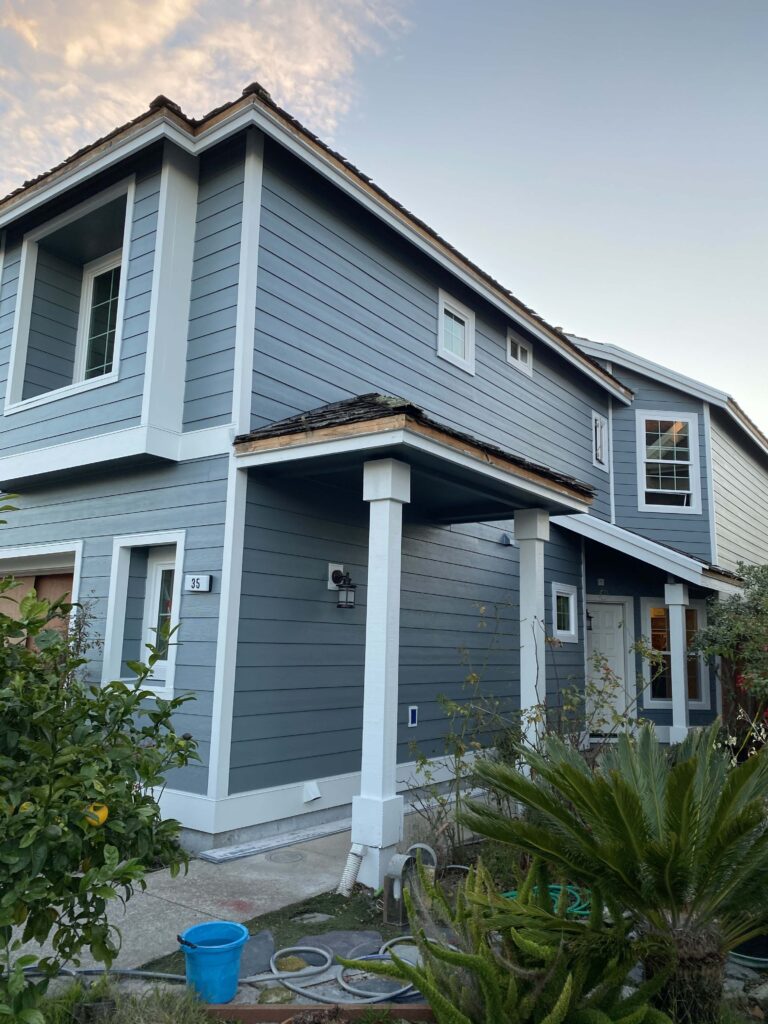
Choosing the right siding for your home is an important decision that should not be taken lightly, especially when evaluating different residential siding options based on your climate. By selecting siding products that are well-suited to your climate, you can ensure that your siding will be able to withstand the specific weather conditions in your area and provide long-lasting durability and protection. The HardieZone® System is a valuable tool that can help homeowners and contractors make the best siding choices based on their region’s climate. James Hardie’s HZ products have been specifically engineered to meet the unique needs of each region and are backed by industry-leading warranties.
In addition to choosing the right siding product, proper installation is also crucial to ensure the longevity and performance of your siding. It is recommended that you hire a professional contractor who is familiar with the HardieZone® System and has experience installing residential siding systems in your specific region.
Maintaining your siding is also important to ensure its longevity and performance. James Hardie provides specific maintenance guidelines for each region to help homeowners keep their siding looking and performing its best. Regular cleaning and inspections can also help prevent damage and identify any potential issues before they become major problems.
In conclusion, the HardieZone® System is a valuable tool for homeowners and contractors to use when selecting siding products that are well-suited to their region’s climate. By choosing James Hardie’s HZ products and following proper installation and maintenance guidelines, homeowners can ensure that their siding will provide long-lasting durability and protection for their homes.
Frequently Asked Questions
What is the HardieZone® System?
The HardieZone® System is a framework developed by James Hardie that matches its fiber cement siding to local climate. It uses two formulations: HZ5 for areas with freezing temperatures, snow, and ice, and HZ10 for areas without regular freezing that face heat, humidity, and rain. It helps homeowners and contractors pick siding suited to their specific weather conditions.
Why does climate matter when choosing siding?
Different regions experience vastly different weather, and siding that is not suited to those conditions can suffer premature wear, moisture damage, and expensive repairs. Matching your siding to your climate ensures it can withstand the heat, cold, rain, or snow it will actually face. That is why working with a team that understands siding solutions for your specific climate is so important.
Which HardieZone® does Sacramento and Northern California fall into?
Sacramento, the Bay Area, and the Sierra foothills fall in HZ10 territory, so HZ10 products are the standard choice there. High-elevation mountain areas such as Lake Tahoe and Truckee, where freeze-thaw cycles, snow, and ice are common, call for HZ5 products. At Heritage Exteriors, we help homeowners confirm the right formulation for their specific location.
How many climate zones does the HardieZone® System have?
There are two HardieZone® formulations rather than many separate zones: HZ5, for regions with freezing temperatures, snow, and ice, and HZ10, for regions without regular freezing that face heat, humidity, and rain. James Hardie maps each region to one of them so the siding can stand up to that region's climate.
Is fiber cement siding a good choice for our climate?
Yes. James Hardie fiber cement siding is engineered to resist moisture, heat, UV exposure, and temperature swings, and the HardieZone® System matches the right product to your region. For Sacramento and the Bay Area, that means siding built to handle both hot, sunny summers and damp winters. It is a durable, long-lasting option for Northern California homes.
Does the type of installer really affect siding performance?
Absolutely. Even the right siding product can underperform if it is not installed correctly. James Hardie recommends hiring a professional contractor who is familiar with the HardieZone® System and has experience installing siding in your specific region. Heritage Exteriors installs James Hardie products throughout Sacramento and Northern California with that regional expertise.
How do I maintain my James Hardie siding?
James Hardie provides region-specific maintenance guidelines to help homeowners keep their siding looking and performing its best. Regular cleaning and periodic inspections go a long way toward preventing damage and catching small issues before they become major problems. Following these guidelines helps protect the durability and appearance of your siding for years.
Our Services
Service Areas In This Article
Lock In a Free, No-Obligation Estimate
Get transparent pricing on siding, windows, or exterior repairs fast. No sales pressure. Just answers.
Get My Free Estimate


