★★★★★
Heritage Exteriors is beyond exceptional. Very impressed with the timeliness, communication, and reasonable price of the whole project.
Scott Doyen
Sacramento, CA · Google
Sacramento, CA · Google

If your roof and your siding are both near the end of their lives, the order you do them in matters more than most people are told — and the junction where they meet is the single most common place a re-clad house leaks afterwards.
Get a Free EstimateTwo of the most expensive things on a house wear out on similar timescales, and when both are due people usually treat them as two unrelated projects booked in whatever order the contractors are available. They are not unrelated. They share a weather barrier, and the place they meet is the place that leaks.
To be clear about our own position: Heritage Exteriors does not do roofing. We are a siding and window contractor. What follows is how we coordinate with a homeowner's roofer, and what we would want in both scopes.
The order is not arbitrary. At every point where a roof meets a wall — a dormer, a lower roof against an upper story, a porch roof, a chimney — the waterproofing is a layered assembly built from the bottom up. Step flashing is woven in as the roofing goes on. It then has to be integrated behind the wall's weather-resistive barrier and behind the siding.
Do the siding first and one of two things happens. Either the new cladding is cut back out so the flashing can be installed correctly, which wastes the work, or the flashing is surface-mounted over finished siding and sealed. The second is common, looks acceptable, and fails. Water gets behind the cladding at exactly the point where the most water is concentrated.
Individual pieces interleaved with each course of roofing where a sloped roof runs against a wall. It must go behind the wall covering, which means it is installed with the roof and integrated with the wall.
The small diverter at the bottom of that junction. It is the single most commonly omitted detail in residential exterior work, and it causes a disproportionate share of the concealed rot we find. When siding comes off a house and there is a column of damaged sheathing running down from a roof edge, this is almost always why. Our page on preventing water damage behind siding covers what that damage looks like once it has been there a while.
The wall's barrier has to lap correctly over the flashing so water is shed outward at every layer. Get the lap backwards and the assembly channels water inward. This is a detail nobody sees once the siding is on, which is precisely why it should be inspected before it is covered — see what house wrap does.
Where the roof edge meets the wall or the fascia, both trades have an opinion about who finishes what. Left unassigned, it is finished twice or not at all.
Honestly stated, because the savings are frequently overstated:
What it does not save: the roof and the cladding are separately specified, separately priced trades. There is no inherent material discount for combining them, so be wary of large bundle discounts.
If the roof is fine and only the siding is going, the siding contractor should still inspect the flashing at every roof-to-wall junction and tell you if it is wrong or missing. Correcting it while the wall is open costs very little; doing it later means opening the wall again. If we find a missing kick-out on your house, we will tell you, and we will tell you it is a roofer's item.
If siding and windows are both due, that is a different and easier combination — see why replacing siding and windows together saves money.
We coordinate with your roofer as a matter of course, and we will talk to them directly about sequencing and the junction detail rather than leaving it to you to relay. Licensed California siding and window contractor, CSLB #1055919. Call (916) 546-2991 for a free estimate.
Does Heritage Exteriors do roofing?
No. We are a siding and window contractor. What we do on a project like this is coordinate with your roofer so the flashing at the roof-to-wall junction is installed in the right order and by the right trade. If a contractor tells you they will handle both, check the license classification covers it — plenty of exterior companies subcontract roofing without saying so.
Which goes first, the roof or the siding?
Roof first, in almost every case. Step flashing and kick-out flashing at a roof-to-wall junction are installed as the roof goes on and then integrated with the wall’s weather barrier and cladding. Siding first means cutting it back out to install the flashing correctly, or — more commonly — the flashing being fudged over the top of finished siding, which is where the leaks come from.
What is kick-out flashing and why does it keep coming up?
It is a small diverter at the bottom of a roof-to-wall junction that throws water away from the wall and into the gutter. Without it, water runs down the roof edge and straight behind the siding at a concentrated point. It is inexpensive, frequently omitted, and one of the most common causes of hidden rot we find behind cladding on Northern California houses.
What does doing both together actually save?
One round of access and staging, one disposal mobilization, one set of permits to coordinate, and one disruption instead of two. It does not save on materials, and the two trades are priced separately — be wary of large bundle discounts on the materials. The real saving is on access and on doing the flashing once.
How far apart can the two jobs be before this stops mattering?
If they are within a year or so of each other, sequencing them together is usually worth the planning. Beyond a few years the argument weakens, and the practical answer is to make sure whichever job goes second is told to inspect and correct the flashing at the junction rather than build over it.
What should go in each contract?
Name the flashing explicitly and say which trade installs it, which inspects it, and at what point. That one sentence in both scopes prevents the most common dispute on a combined project — each contractor assuming the other handled the junction. We will put it in writing on our side and talk to your roofer directly. Call (916) 546-2991.
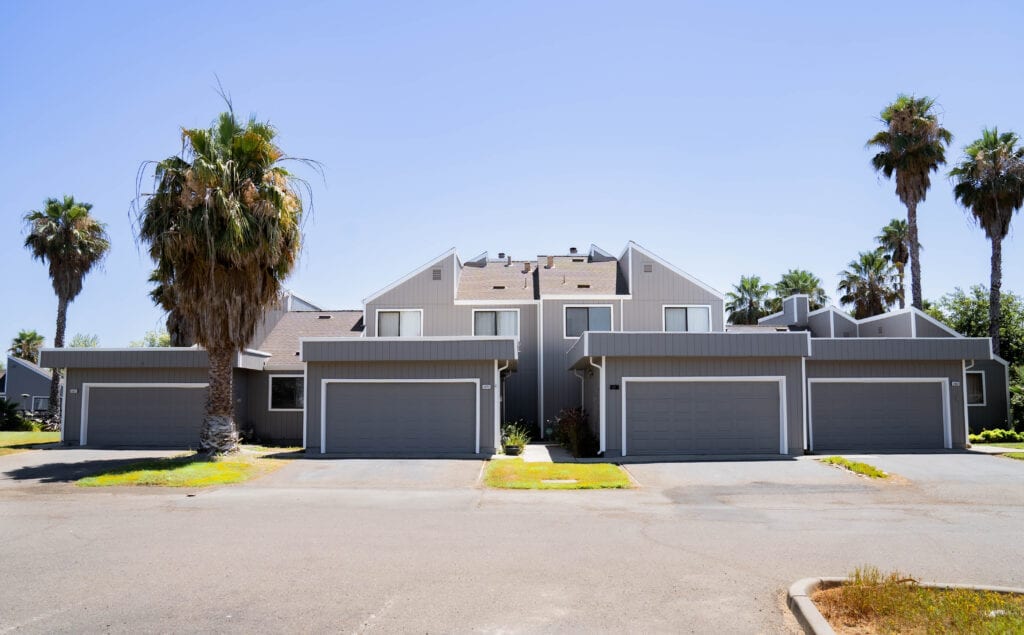
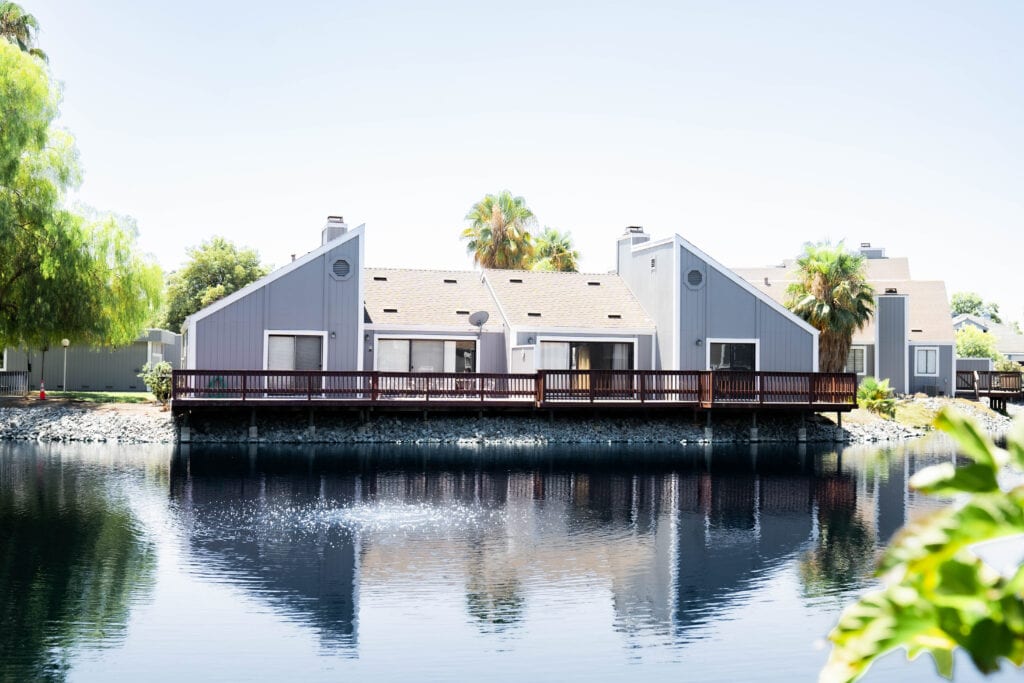
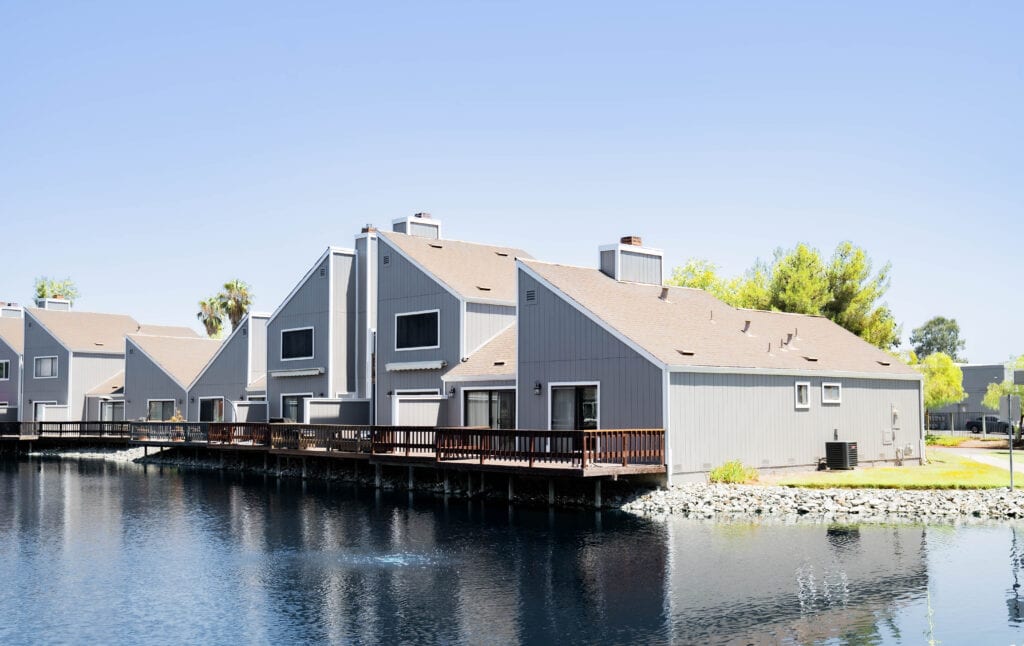
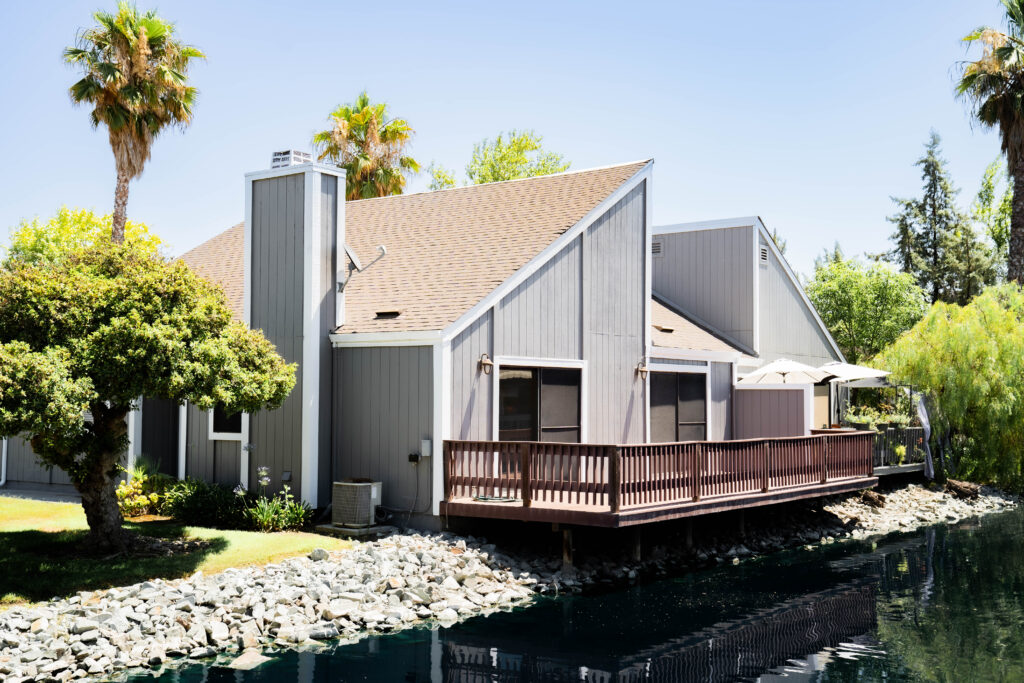
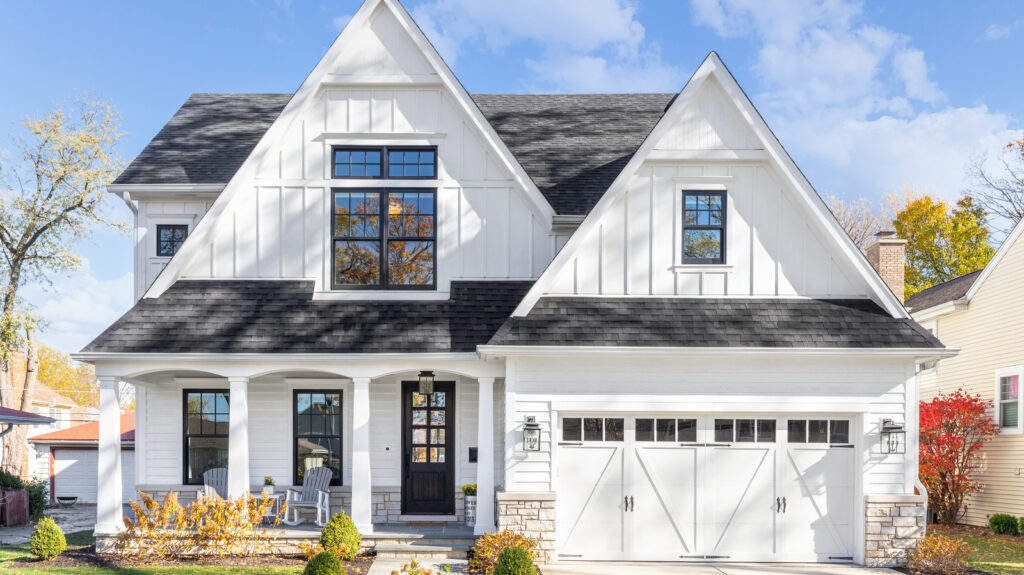
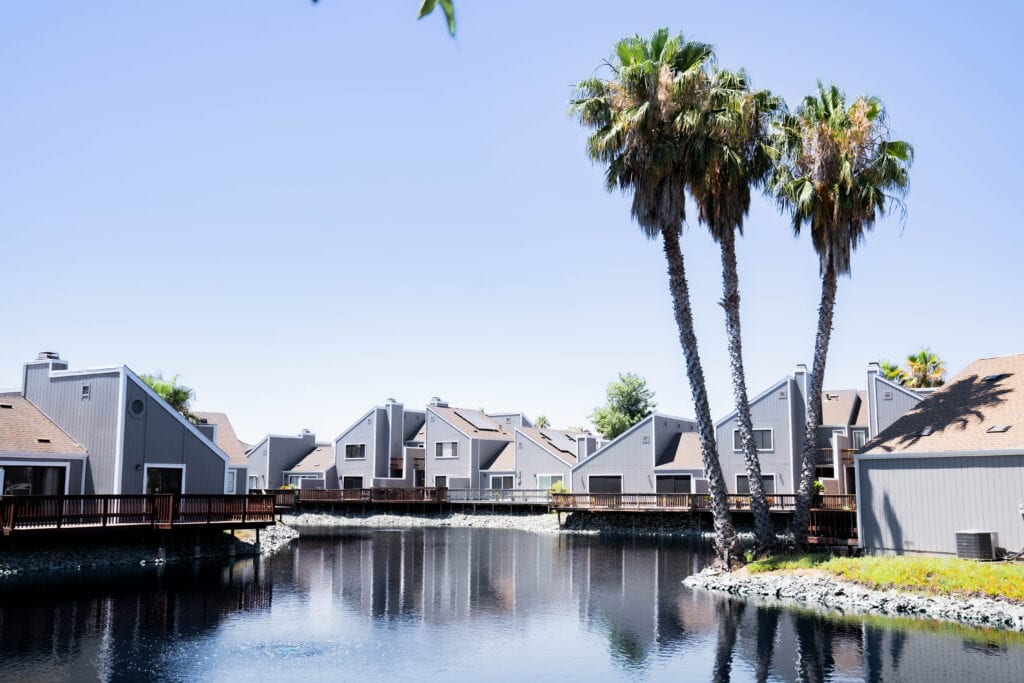
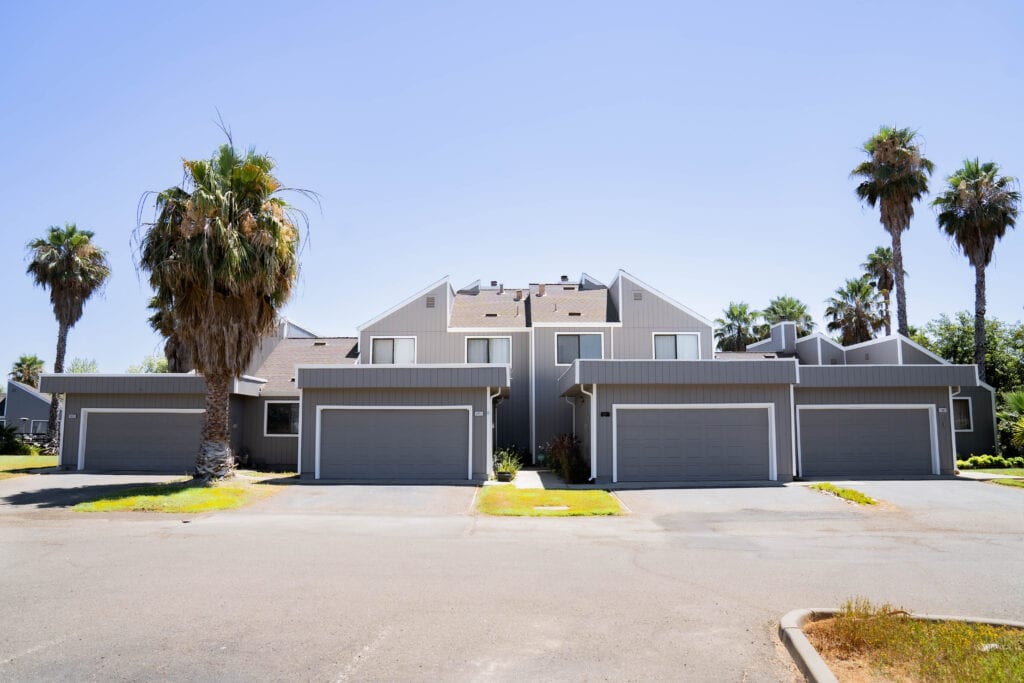
A look at homes we have re-sided and re-glazed across Sacramento, the Bay Area, and Lake Tahoe.

★★★★★ Rated 4.9 from 69 Google reviews
Heritage Exteriors is beyond exceptional. Very impressed with the timeliness, communication, and reasonable price of the whole project.
Heritage replaced my old crumbling wood siding and did a fantastic job. From the first interactions assessing the project and providing a quote, to the project itself, was all exceptional. My home looks brand new.
We recently had our house re-sided with Hardie product. We interviewed 3 companies, one of them being Heritage Exteriors. From our first meeting with David to the last day's work touching up paint, the experience was excellent.