

- Lap siding is a horizontal cladding made of overlapping boards, prized in Sacramento for its durability, aesthetic versatility, and low maintenance.
- The three main lap siding materials are wood (cedar/redwood), fiber cement (like James Hardie), and vinyl, each with its own cost and upkeep profile.
- Vinyl material runs about $2.50–$5.00 per sq. ft. and lasts 20–30 years, fiber cement material runs $4.50–$9.00 and lasts 30–50 years, and wood runs $6.50–$14.00 and lasts 20–40+ years.
- Proper installation involves preparing and moisture-barriering the surface, setting a starter strip, overlapping each row, adding trim, then caulking and painting — work best handled by professionals.
- Basic upkeep means inspecting regularly for cracks or rot, cleaning with a soft brush and mild soap (never a pressure washer), and repainting or staining wood every few years.
If you’re looking to improve the exterior of your Sacramento home, you may want to consider installing lap siding. This versatile siding material has become a popular choice among homeowners due to its durability, aesthetic appeal, and low maintenance requirements. In this article, we’ll take a closer look at lap siding and explore its benefits, types, installation process, and maintenance tips.
Benefits of Lap Siding
Lap siding, also known as horizontal siding, is a type of exterior cladding that consists of overlapping boards. Here are some of the benefits of lap siding:
1. Durability
Lap siding is known for its durability and resistance to weather damage. Most lap siding materials are made from wood, fiber cement, or vinyl, which are all known for their strength and longevity. This makes lap siding an excellent choice for homes in Sacramento, where the weather can be harsh at times.

2. Aesthetic Appeal
Lap siding is available in a variety of styles, textures, and colors, making it easy to find a design that complements your home’s architecture and personal style. Whether you prefer a traditional or modern look, lap siding can help enhance your home’s curb appeal and value.
3. Low Maintenance Requirements
Compared to other siding materials, lap siding requires minimal maintenance. Wood lap siding may need to be repainted or stained every few years, but this is a simple task that can be done quickly and easily. Vinyl and fiber cement lap siding, on the other hand, require little to no maintenance, making them a popular choice among busy homeowners.
Cost Comparison: Vinyl vs. Fiber Cement vs. Wood Lap Siding
When planning a siding installation in Sacramento, balancing upfront costs with long-term maintenance and durability is key. Below is a breakdown of how the three most common lap siding materials compare in terms of material costs, installation investment, and expected lifespan.
| Material Type | Average Material Cost (per sq. ft.) | Installation Complexity & Cost | Lifespan (with proper care) | Long-Term Maintenance |
| Vinyl Lap | $2.50 – $5.00 | Low to Moderate | 20 – 30 Years | Very Low (Occasional washing) |
| Fiber Cement Lap (e.g., James Hardie) | $4.50 – $9.00 | High (Requires special tools/skills) | 30 – 50 Years | Low (Repaint every 15+ years) |
| Wood Lap (Cedar/Redwood) | $6.50 – $14.00 | Moderate to High | 20 – 40+ Years | Higher (repaint or re-stain every few years) |
Budget Note: Exact pricing depends on your home’s square footage, architectural layout, and current material market rates. For a comprehensive breakdown of budgeting for an exterior remodel in our region, check out our guide onnew siding costs in Northern California.
Best Lap Siding for the Sacramento Climate
There are several types of lap siding available, each with its own unique features and benefits. Here are the most common types of lap siding:
1. Wood Lap Siding
Wood lap siding is a popular choice among homeowners due to its natural beauty and durability. Cedar and redwood are two of the most common types of wood used for lap siding, as they are both resistant to rot and decay. However, wood lap siding requires regular maintenance to prevent moisture damage and insect infestations.
2. Fiber Cement Lap Siding
Fiber cement lap siding is a durable and low-maintenance option that has become increasingly popular in recent years. It is made from a mixture of cement, sand, and cellulose fibers, which gives it the look of wood without the maintenance requirements. Fiber cement lap siding is also resistant to fire, insects, and rot, making it a great choice for homeowners who want a siding material that can withstand harsh weather conditions.
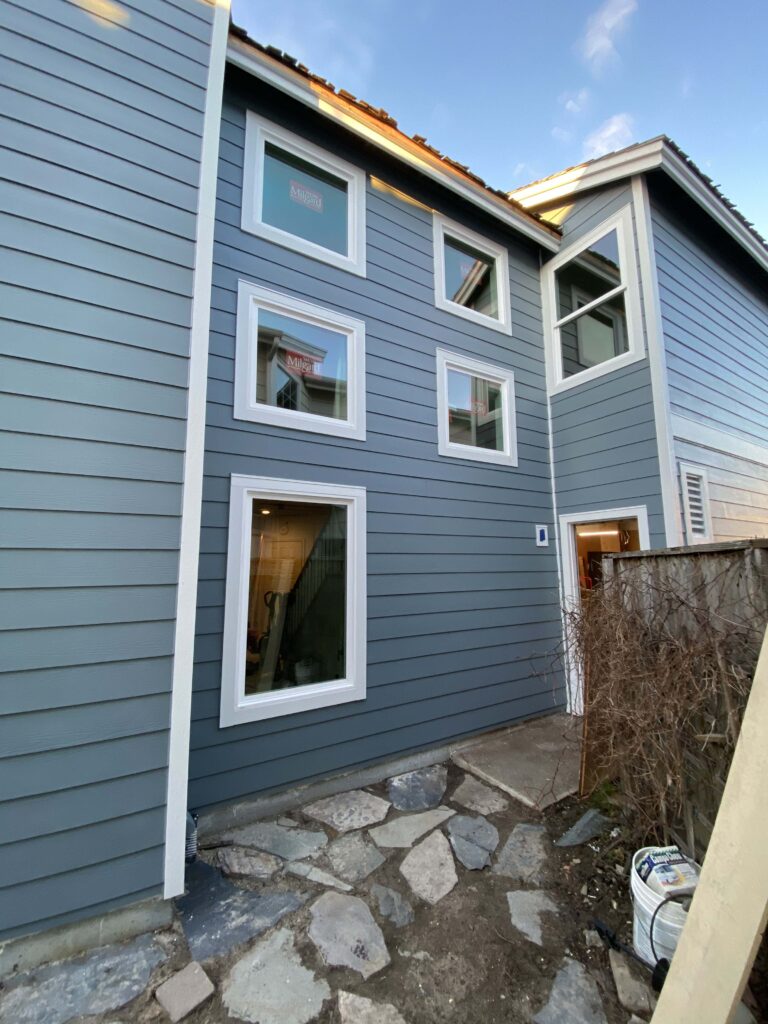
3. Vinyl Lap Siding
Vinyl lap siding is an affordable and low-maintenance option that is available in a variety of colors and textures. It is made from PVC, which makes it resistant to rot, insects, and moisture damage. Vinyl lap siding is also easy to install and requires no painting or staining.
Installation Process
Installing lap siding is a job best left to professionals, as it requires specialized tools and skills. Here are the basic steps involved in installing lap siding:
1. Prepare the Surface
Before installing lap siding, the surface of the house must be properly prepared. This may involve removing old siding, repairing any damage, and applying a moisture barrier.
2. Install the Starter Strip
The starter strip is a narrow strip installed along the bottom of the wall that sets the angle and level of the first course of siding.
3. Install the First Row of Siding
The first row of lap siding is installed above the starter strip. Each board is nailed into place, with the top of the board overlapping the bottom of the previous board.
4. Continue Installing
The subsequent rows of lap siding are installed in a similar manner, with each board overlapping the previous one. It’s important to ensure that each board is level and properly aligned to create a seamless look.
5. Cut and Install Trim Pieces
Trim pieces, such as corner pieces and window trim, are cut to size and installed around the edges of the siding to create a finished look.
6. Caulk and Paint
After the lap siding is installed, any gaps between the siding and the trim pieces are caulked to prevent moisture from seeping in. Finally, the siding is painted or stained to protect it from the elements and enhance its aesthetic appeal.
Maintenance Tips
Lap siding requires minimal maintenance, but there are a few things you can do to ensure that it stays in good condition:
1. Inspect Regularly
Periodically inspect your lap siding for any signs of damage, such as cracks, warping, or rot. Address any issues as soon as possible to prevent further damage.
2. Clean as Needed
Lap siding can be cleaned with a soft-bristled brush and mild soap and water. Avoid using a pressure washer, as this can damage the siding.
3. Repaint or Stain as Needed
Wood lap siding may need to be repainted or stained every few years to maintain its appearance and protect it from moisture damage.
Conclusion
Lap siding is a popular choice among homeowners in Sacramento due to its durability, aesthetic appeal, and low maintenance requirements. Whether you choose wood, fiber cement, or vinyl lap siding, you can enjoy a long-lasting and beautiful exterior for your home. Remember to have your lap siding installed by a professional and maintain it regularly to ensure that it stays in great condition for years to come.
FAQs
- How long does lap siding last?
Lap siding can last anywhere from 20 to 50 years, depending on the material and maintenance.
- Can lap siding be installed over existing siding?
In some cases, lap siding can be installed over existing siding, but it’s important to consult with a professional to ensure that it’s done correctly.
- Can lap siding be painted?
Yes, lap siding can be painted or stained to enhance its appearance and protect it from the elements.
- Is lap siding energy-efficient?
Lap siding itself adds little insulation, but a re-side with a new weather barrier (or insulated siding) can improve your home’s energy efficiency.
- What is the cost of lap siding?
The cost of lap siding varies depending on the material, size of the house, and installation fees. It’s best to consult with a professional for an accurate estimate.
Frequently Asked Questions
What is lap siding and why is it popular in Sacramento?
Lap siding, also called horizontal siding, is exterior cladding made from overlapping boards that shed water as they layer down the wall. Sacramento homeowners favor it for its durability, wide range of styles and colors, and low maintenance. It holds up well against the harsh weather our Northern California region can experience.
Which lap siding material is best for the Sacramento climate?
All three common materials — wood, fiber cement, and vinyl — perform well in Sacramento. Fiber cement, such as James Hardie, is especially popular because it resists fire, insects, and rot while mimicking the look of wood. Wood offers natural beauty but needs more upkeep, and vinyl is the most affordable and lowest-maintenance option.
How much does lap siding cost?
Material costs vary by type: vinyl runs roughly $2.50–$5.00 per square foot, fiber cement $4.50–$9.00, and wood (cedar or redwood) $6.50–$14.00. Exact pricing depends on your home’s square footage, architectural layout, and current material rates. It’s best to have Heritage Exteriors provide an accurate estimate for your Sacramento home.
How long does lap siding last?
Lap siding can last anywhere from 20 to 50 years depending on the material and how well it’s maintained. Vinyl typically lasts 20–30 years, wood 20–40+ years, and fiber cement the longest at 30–50 years. Regular inspection and upkeep will help you reach the upper end of those ranges.
Can lap siding be installed over existing siding?
In some cases lap siding can be installed over existing siding, but it isn’t always the right approach. It’s important to consult a professional to confirm the surface is sound and the job is done correctly. Heritage Exteriors can inspect your walls and recommend the best path for your project.
How much maintenance does lap siding require?
Lap siding is low maintenance overall. Vinyl and fiber cement need little more than occasional washing, while wood lap siding should be repainted or stained every few years to protect against moisture damage. In all cases, inspect periodically for cracks, warping, or rot and address issues promptly.
What’s the right way to clean lap siding?
Clean lap siding with a soft-bristled brush and mild soap and water. Avoid using a pressure washer, since the high pressure can damage the siding and force water behind it. Gentle, regular cleaning keeps the surface looking great without risking harm.
Our Services
Service Areas In This Article
Lock In a Free, No-Obligation Estimate
Get transparent pricing on siding, windows, or exterior repairs fast. No sales pressure. Just answers.
Get My Free Estimate


