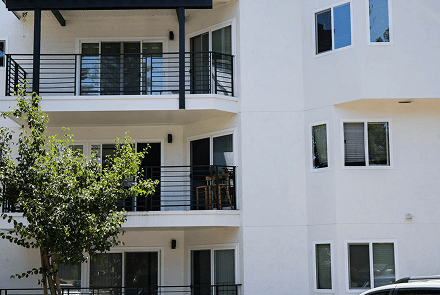
Best Vinyl Siding Brands for Northern California — 2026 Guide

By

Heritage Exteriors

— 

June 14, 2026

SHARE   —

    Get In Touch

    BLOG / Sidings / Best Vinyl Siding Brands for Northern California — 2026 Guide

    Introduction: Is Vinyl Siding Right for Your Northern California Home?

    Vinyl siding remains America’s most popular exterior cladding by installed volume — and for good reason. It’s affordable, low-maintenance, and available in a wide range of colors and styles. But for Northern California homeowners, choosing vinyl requires an honest assessment of what it does well and where it falls short compared to premium alternatives like fiber cement.

    Let’s be upfront: vinyl siding is the budget option. It doesn’t match fiber cement (James Hardie) in durability, fire resistance, or resale value, and it’s not approved for use in California’s WUI (Wildland-Urban Interface) fire zones. However, for homeowners on a tight budget, rental property owners, or those planning to sell within a few years, quality vinyl siding can be a cost-effective solution that looks great and protects your home.

    In this 2026 guide, we compare the six best vinyl siding brands for Northern California: CertainTeed, Ply Gem (Mastic), Alside, Georgia-Pacific, Norandex, and Kaycan. We evaluate each on product quality, thickness options, insulated versus non-insulated choices, color selection, warranty, and price to help you find the right brand for your project and budget.

    Important California note: Before choosing vinyl, check with your local building department about fire zone restrictions. Homes in designated WUI zones may be required to use non-combustible siding (fiber cement, stucco, or metal), which disqualifies standard vinyl. [LINK → /the-best-siding-types-for-northern/]

    Vinyl vs. Fiber Cement: A Quick Honest Comparison

    Before ranking vinyl brands, Northern California homeowners should understand how vinyl stacks up against the region’s most recommended siding material — fiber cement (James Hardie):

    FactorVinyl SidingFiber Cement (James Hardie)
    Installed Cost$3–$8/sq ft$10–$16/sq ft
    Lifespan20–30 years40–50+ years
    Fire RatingMelts (not fire-rated)Class A (non-combustible)
    WUI Zone ApprovedNoYes
    MaintenanceVery lowLow (ColorPlus); moderate (field-painted)
    Wind ResistanceModerate (can blow off)Excellent (nailed through)
    Resale Value ImpactNeutral to slight negativeStrong positive
    Heat ResistanceCan warp at 160°F+No heat distortion
    AppearanceGood (can look plastic)Excellent (looks like real wood)
    EnvironmentalPVC-based (not recyclable)Cement-based (inert)

    Bottom line: If budget isn’t your primary constraint, we recommend fiber cement (specifically James Hardie) for Northern California homes. But if you need siding at $3–$8 per square foot, quality vinyl is a far better choice than doing nothing or choosing the cheapest contractor with the cheapest product. [LINK → /james-hardie-siding/]

    The 6 Best Vinyl Siding Brands for Northern California — Ranked

    1. CertainTeed — Best Overall Quality in Vinyl Siding

    CertainTeed, a subsidiary of Saint-Gobain, is widely regarded as the premium name in vinyl siding. Their product range spans from budget-friendly MainStreet to the ultra-premium Cedar Impressions line, which is arguably the most realistic wood-look vinyl product on the market.

    Key Product Lines

    • Cedar Impressions® — Premium polymer shake and shingle siding that mimics real cedar with remarkable accuracy; individual shingle panels for authentic staggered look; thickness up to .115″ (double-thick)
    • Monogram® — CertainTeed’s flagship horizontal lap siding; .046″ thickness (premium grade); TrueTexture™ finish for realistic woodgrain
    • MainStreet® — Budget-friendly .042″ thickness horizontal siding; good color selection at a lower price point
    • CedarBoards™ — Insulated siding option that adds R-value and eliminates the hollow-backing issue of standard vinyl
    • Northwoods® — Mid-range .044″ thickness with a realistic woodgrain texture

    Pros

    • Widest product range — From budget to ultra-premium, CertainTeed covers every price point
    • Cedar Impressions is exceptional — The most realistic shake/shingle vinyl product available; routinely mistaken for real cedar
    • Strong color selection — 40+ colors across product lines, including dark colors with their SureStart™ PLUS color protection
    • Lifetime limited warranty — Transferable, with SureStart™ covering full replacement for 10 years, then prorated
    • Insulated options — CedarBoards and CedarBoards XL add meaningful insulation value
    • Widely available — Stocked at major distributors throughout Northern California

    Cons

    • Premium pricing — Cedar Impressions and Monogram cost significantly more than entry-level vinyl; approaching fiber cement territory at the high end
    • Still vinyl — Even premium CertainTeed vinyl can warp in extreme heat exposure (e.g., reflected sunlight from a neighbor’s window) and will melt in a fire
    • MainStreet line is thin — At .042″, the budget option feels flimsy compared to premium lines

    Pricing

    Installed cost: $4–$9 per square foot, depending on product line. Cedar Impressions runs $7–$9; MainStreet runs $4–$5.

    Best For

    Homeowners who want the highest-quality vinyl available, especially those drawn to the Cedar Impressions shake look. Also excellent for insulated siding upgrades (CedarBoards).

    2. Ply Gem (Mastic) — Best Value for the Money

    Ply Gem, now part of Cornerstone Building Brands, acquired the Mastic brand and combined it into one of the largest vinyl siding portfolios in North America. Their products offer a solid balance of quality and price, making them a go-to for contractors who need reliable vinyl at competitive costs.

    Key Product Lines

    • Mastic Quest™ — Premium .046″ horizontal siding with deep woodgrain texture
    • Mastic Structure® Home Insulated Siding — Insulated panels with contoured foam backing for energy efficiency and rigidity
    • Ply Gem Board & Batten — Vertical siding panels popular for modern farmhouse designs
    • Mastic Cedar Discovery® — Shake-look vinyl panels at a moderate price point
    • Ply Gem Mastic Carvedwood•44™ — Mid-range .044″ siding with double-nail hem for wind resistance

    Pros

    • Excellent value — Mastic products deliver good quality at prices typically 10–15% below CertainTeed equivalents
    • Strong wind resistance — Double-nail hem and SolarDefense Reflective Technology™ on premium lines
    • Insulated options — Structure Home Insulated Siding adds both R-value and panel rigidity
    • Good color selection — 30+ colors across lines, with fade-resistant technology
    • Lifetime limited warranty — Comparable to CertainTeed’s coverage terms

    Cons

    • Brand confusion — The Ply Gem/Mastic/Cornerstone merger has created confusion about product naming and availability
    • Mid-range aesthetics — Even premium Mastic products don’t quite match Cedar Impressions’ realism
    • Regional availability varies — Some product lines are better stocked on the East Coast than in California

    Pricing

    Installed cost: $3.50–$7.50 per square foot. Structure insulated siding runs $6–$7.50; standard lines run $3.50–$5.

    Best For

    Budget-conscious homeowners who want solid quality without paying CertainTeed premium prices. Also great for rental properties and multi-unit projects where per-unit cost matters.

    3. Alside — Best Insulated Vinyl Siding Options

    Alside, also now part of Cornerstone Building Brands (same parent as Ply Gem/Mastic), has carved out a strong niche with its Prodigy® insulated siding line, which is one of the thickest, most energy-efficient vinyl siding products available.

    Key Product Lines

    • Prodigy® Insulated Siding — Up to 1.5″ thick with contoured EPS foam backing; R-value of 2.0–3.0; the thickest vinyl siding on the market
    • Charter Oak® — Popular .044″ premium non-insulated siding with PermaPaint™ finish and deep woodgrain texture
    • Charter Oak Energy Elite — Insulated version of Charter Oak with foam backing
    • Conquest® — Entry-level .042″ siding for budget projects
    • Board & Batten — Vertical panel option for modern design applications

    Pros

    • Prodigy is outstanding — The thickest, most rigid vinyl siding available; feels more like a solid panel than typical vinyl
    • Best insulation values — Prodigy’s R-value outperforms all other vinyl insulated options
    • Reduced energy costs — The foam backing significantly reduces thermal bridging through wall studs
    • Good wind resistance — Thick, rigid panels resist wind uplift better than standard vinyl
    • Lifetime warranty — Non-prorated for original owner

    Cons

    • Prodigy is expensive — At $6–$9/sq ft installed, it approaches fiber cement pricing without the fire or resale value benefits
    • Entry-level products are unremarkable — Conquest at .042″ is thin and not competitive with CertainTeed or Mastic equivalents
    • Color selection is moderate — Fewer color choices than CertainTeed or Ply Gem across most lines
    • California availability — Alside distribution is stronger in the Midwest and East; some products may need special ordering in Northern California

    Pricing

    Installed cost: $3.50–$9 per square foot. Prodigy runs $6–$9; Charter Oak runs $4–$6; Conquest runs $3.50–$4.50.

    Best For

    Homeowners prioritizing energy efficiency and insulation who are committed to vinyl over fiber cement. Prodigy is the best insulated vinyl product on the market.

    4. Georgia-Pacific — Best Budget Option

    Georgia-Pacific is best known for building products like plywood and OSB, but they also produce a line of affordable vinyl siding. Their products are positioned squarely in the budget category — no premium lines, no insulated options, but solid basic siding at the lowest price point.

    Key Product Lines

    • Shadow Ridge™ — Mid-range .044″ horizontal siding with realistic woodgrain
    • Forest Ridge™ — .042″ economy horizontal siding
    • Vinyl Soffit and Accessories — Matching soffit, trim, and accessories

    Pros

    • Lowest cost — Georgia-Pacific vinyl is typically the cheapest name-brand option available
    • Readily available — Stocked at Home Depot and most building supply stores
    • Simple product line — Easy to select; no overwhelming number of choices
    • Lifetime limited warranty — Standard coverage comparable to other brands

    Cons

    • Thin materials — .042″–.044″ thickness feels flimsy compared to premium options
    • Limited color selection — Fewer colors than any competitor on this list
    • No insulated options — No foam-backed products available
    • No premium profiles — No shake, shingle, or board-and-batten options
    • Basic aesthetics — Less realistic texture and color depth than CertainTeed or Mastic
    • Heat vulnerability — Thinner vinyl is more susceptible to warping in Northern California’s Central Valley heat

    Pricing

    Installed cost: $3–$5 per square foot.

    Best For

    Maximum budget constraint situations — rental properties, investment flips, or homes being sold soon where curb appeal needs a quick, inexpensive refresh.

    5. Norandex — Solid Mid-Range Performer

    Norandex is a vinyl siding brand distributed primarily through independent contractors and remodeling companies. It’s a mid-range product that doesn’t aim to compete with CertainTeed’s premium lines but offers better quality than Georgia-Pacific’s budget offerings.

    Key Product Lines

    • Sagebrush® — Premium .046″ horizontal siding with a deep, realistic woodgrain finish
    • Great Barrier™ — Mid-range .044″ horizontal siding with good wind resistance
    • Sagebrush Shake — Shake-look vinyl panels for accent applications

    Pros

    • Good mid-range quality — .046″ thickness on premium lines is competitive with CertainTeed Monogram
    • Decent color selection — 20+ colors across primary lines
    • Contractor-friendly — Well-known in contractor circles; reliable installation characteristics
    • Lifetime warranty — Standard coverage

    Cons

    • Limited consumer awareness — Most homeowners haven’t heard of Norandex, which can be a concern for resale
    • No insulated options — No foam-backed products in the lineup
    • Limited availability — Not stocked at big-box retailers; must source through distributors
    • Smaller product range — Fewer profile options than CertainTeed or Ply Gem

    Pricing

    Installed cost: $3.50–$6 per square foot.

    Best For

    Homeowners working with a contractor who recommends Norandex and can source it at competitive pricing. A solid ‘middle of the road’ choice.

    6. Kaycan — Best for Varied Climate Performance

    Kaycan is a Canadian-based vinyl siding manufacturer with a strong reputation for producing products that perform well in diverse climate conditions — hot summers, cold winters, and everything in between. Their Canadian engineering heritage translates to products designed for temperature extremes.

    Key Product Lines

    • Davinci™ — Premium .046″ horizontal siding with realistic cedar texture and UV-resistant color formulation
    • Presidential Shake™ — Shake-style panels with individual panel look for accent areas
    • Harbour Ridge™ — Mid-range .044″ siding with double-nail hem and wind-lock design
    • Vinyl Board & Batten — Vertical panel option for modern aesthetics

    Pros

    • Climate-tested — Designed and tested for Canadian extremes, which translates well to Northern California’s hot valley summers and cold Sierra winters
    • Good UV resistance — Kaycan’s premium lines use a UV-stabilized color compound that performs well in sun-intense regions
    • Competitive pricing — Generally 5–10% below CertainTeed for equivalent thickness/quality
    • Decent color range — 25+ colors across primary lines
    • Lifetime warranty — Includes a limited color-fade guarantee

    Cons

    • Limited U.S. distribution — California availability is thinner than East Coast/Midwest; may require special ordering
    • Brand recognition — Most California homeowners haven’t encountered Kaycan, which can complicate resale conversations
    • No insulated options — No foam-backed products in the standard lineup
    • Smaller dealer network — Finding a contractor experienced with Kaycan in Northern California may be challenging

    Pricing

    Installed cost: $3.50–$6.50 per square foot.

    Best For

    Homeowners in areas with significant temperature swings (Sacramento Valley to Sierra foothills) who want a vinyl product engineered for climate extremes. Also good for homeowners who can source it at competitive pricing.

    Vinyl Siding Brands: Side-by-Side Comparison

    BrandPrice/sq ftThicknessInsulated?WarrantyColorsBest For
    CertainTeed$4–$9.042″–.115″Yes (CedarBoards)Lifetime40+Best overall quality
    Ply Gem (Mastic)$3.50–$7.50.042″–.046″Yes (Structure)Lifetime30+Best value
    Alside$3.50–$9.042″–1.5″*Yes (Prodigy)Lifetime25+Best insulation
    Georgia-Pacific$3–$5.042″–.044″NoLifetime15+Lowest budget
    Norandex$3.50–$6.044″–.046″NoLifetime20+Mid-range
    Kaycan$3.50–$6.50.044″–.046″NoLifetime25+Climate versatility

    *Alside Prodigy is 1.5″ total panel thickness including foam backing; the vinyl skin is standard gauge.

    Northern California Vinyl Siding Considerations

    Before finalizing your vinyl siding choice, keep these Northern California-specific factors in mind:

    Heat and UV Exposure (Central Valley)

    Sacramento and the Central Valley regularly see 100°F+ temperatures. Standard vinyl siding can warp at sustained temperatures above 160°F — and reflected sunlight from windows or metal surfaces can push localized temperatures well above that. If you’re in the valley, choose premium-thickness panels (.046″ or thicker) and lighter colors that absorb less heat. Avoid installing dark vinyl on west-facing walls that receive intense afternoon sun. [LINK → /siding-installations-sacramento/]

    Fire Zone Restrictions

    Vinyl siding is not approved for California WUI (Wildland-Urban Interface) zones. If your property is in a designated fire zone — common in the Sierra foothills, parts of El Dorado and Placer counties, and the Tahoe basin — you’ll need non-combustible siding such as fiber cement (James Hardie), stucco, or metal. Check your property’s fire zone designation at cal-fire.com or with your local building department before committing to vinyl.

    Energy Efficiency

    Standard vinyl siding provides virtually no insulation value (R-0.6). In Northern California’s climate — where you’re heating in winter and cooling in summer — insulated vinyl siding (CertainTeed CedarBoards, Ply Gem Structure, or Alside Prodigy) can make a meaningful difference in energy costs, adding R-2 to R-3 to your wall assembly.

    Resale Value Considerations

    In Northern California’s real estate market, fiber cement siding (especially James Hardie) is increasingly seen as a premium feature that adds measurable value to a home. Vinyl siding is perceived as a budget choice. If resale value is important to you, consider the long-term ROI of investing in fiber cement over vinyl — the upfront cost difference may be recovered at sale. [LINK → /residential-siding-replacement/]

    Expert Recommendation from Heritage Exteriors

    Heritage Exteriors installs both vinyl AND fiber cement siding across Sacramento, the Bay Area, and Tahoe/Truckee. We believe in giving homeowners honest guidance — not pushing the most expensive option when it isn’t right for their situation.

    Our honest recommendation:

    • For primary residences and long-term homeowners: We recommend James Hardie fiber cement for its superior durability, fire resistance, and resale value in Northern California [LINK → /james-hardie-siding/]
    • For budget-constrained projects: Quality vinyl siding (CertainTeed Monogram or Cedar Impressions, Ply Gem/Mastic Quest) is a legitimate option that provides good protection and curb appeal at a lower price point
    • For rental properties and investment homes: Vinyl siding makes practical financial sense — low upfront cost and virtually zero maintenance
    • For fire zone properties: Vinyl is not an option — fiber cement, stucco, or metal are your choices

    Why homeowners trust Heritage Exteriors:

    • 4.8★ Google Rating with 150+ verified reviews
    • Diamond Certified — fewer than 5% of contractors qualify
    • A+ BBB Rating (Accredited Business)
    • Certified James Hardie Installer and experienced vinyl siding contractor
    • Family-owned since 2014 — not a franchise or national chain

    Not sure whether vinyl or fiber cement is right for your home? We provide free in-home consultations where we assess your home, discuss your budget and goals, and give you an honest recommendation — even if that means recommending a less expensive option.

    📞 Call (916) 546-2991 or visit hexteriors.com to schedule your free siding consultation. [LINK → /siding-installations-sacramento/]

    Frequently Asked Questions About Vinyl Siding in Northern California

    Does vinyl siding warp in Sacramento heat?

    Standard vinyl siding can warp or distort at sustained temperatures above 160°F. In Sacramento’s Central Valley heat (regularly 100°F+), this is primarily a concern on west-facing walls exposed to intense afternoon sun, or near surfaces that reflect concentrated heat (like energy-efficient windows). Choosing premium-thickness panels (.046″ or higher) and lighter colors significantly reduces this risk. Insulated vinyl siding (with foam backing) is also more resistant to heat distortion.

    Can I use vinyl siding in a California fire zone?

    No. Standard vinyl siding is not approved for WUI (Wildland-Urban Interface) fire zones in California. Vinyl melts and can contribute to fire spread. If your property is in a designated fire zone, you must use non-combustible materials like fiber cement (James Hardie), stucco, stone, or metal siding. Heritage Exteriors can help you determine your fire zone status and recommend compliant siding options.

    How long does vinyl siding last in Northern California?

    Quality vinyl siding lasts 20–30 years in Northern California with minimal maintenance. Premium brands (CertainTeed, Ply Gem) tend to last longer than budget options. However, Northern California’s intense UV exposure can accelerate color fading, especially with darker colors. Fiber cement siding, by comparison, lasts 40–50+ years. [LINK → /how-long-does-james-hardie-siding-last/]

    Is vinyl siding a good investment for resale value?

    Vinyl siding provides a moderate return on investment — typically recovering 60–70% of installed cost at resale, according to Remodeling Magazine’s Cost vs. Value Report. However, in Northern California’s competitive real estate market, fiber cement siding (James Hardie) consistently delivers a higher ROI and is perceived as a premium feature by buyers. If resale value is a primary goal, fiber cement is the better investment.

    What thickness of vinyl siding should I choose?

    For Northern California, we recommend a minimum of .044″ thickness for standard vinyl and .046″ or higher for premium installations. Thinner panels (.040″–.042″) are more susceptible to heat warping in Central Valley temperatures, impact damage, and a ‘hollow’ feel when touched. If budget allows, insulated vinyl siding (CertainTeed CedarBoards, Alside Prodigy) provides the best performance by adding rigidity, insulation, and wind resistance.

    Can Heritage Exteriors help me decide between vinyl and fiber cement?

    Absolutely. Heritage Exteriors installs both vinyl and fiber cement siding and provides unbiased guidance based on your home’s specific needs, your budget, and your long-term goals. We offer free in-home consultations throughout Sacramento, the Bay Area, and Tahoe/Truckee. Call (916) 546-2991 to schedule yours. [LINK → /siding-installations-sacramento/]

    Conclusion: Choose Quality Vinyl — Or Consider Upgrading to Fiber Cement

    If you’ve decided vinyl siding is right for your Northern California home, CertainTeed is our top brand recommendation for its exceptional product range, realistic aesthetics (especially Cedar Impressions), and strong warranty. Ply Gem/Mastic offers the best value, and Alside Prodigy is the clear winner for insulated vinyl.

    That said, we encourage every Northern California homeowner to at least get a quote for James Hardie fiber cement siding alongside their vinyl options. The price gap is narrower than many people expect, and the long-term benefits in durability, fire safety, and resale value often make fiber cement the smarter 20-year investment — especially in California’s demanding climate.

    No matter which material you choose, Heritage Exteriors provides expert installation backed by 150+ five-star reviews, Diamond Certification, and a family-owned commitment to quality that franchises and national chains simply can’t match.

    📞 Get your free siding consultation: (916) 546-2991 | hexteriors.com [LINK → /residential-siding-replacement/]

    Lock In a Free, No-Obligation Estimate

    Get transparent pricing on siding, windows, or exterior repairs fast. No sales pressure. Just answers.

    Get My Free Estimate
    Blog post Image
    Blog post Image
    Blog post Image

    Table of Contents

    Lock In a Free, No-Obligation Estimate

    Get transparent pricing on siding, windows, or exterior repairs—fast. No sales pressure. Just answers.

    Get My Free Estimate

      Get In Touch

      Learn More