Window Replacement Cost in Sacramento & Bay Area 2026: What to Actually Expect

By

Heritage Exteriors

— 

May 9, 2026

SHARE   —

    Get In Touch

    BLOG / Windows / Window Replacement Cost in Sacramento & Bay Area 2026: What to Actually Expect

    Replacing windows is one of the smartest upgrades you can make to a Northern California home — but figuring out the real cost can be maddening. Online estimates range from laughably low to heart-attack-inducing, and most of them are based on national averages that have nothing to do with Sacramento or Bay Area pricing.

    This guide breaks down actual 2026 window replacement costs for homeowners in Sacramento, the Bay Area, Lake Tahoe, and surrounding communities. We’ll cover every major window type, popular brands like Milgard and Ply Gem, California’s Title 24 energy requirements, and realistic whole-home project estimates. No vague ranges — just the numbers you need to plan your budget.

    Key Takeaways

    💰 Vinyl windows: $400–$800 per window installed (most popular budget option) 💰 Fiberglass windows: $700–$1,200 per window installed (best long-term value) 💰 Wood windows: $800–$1,500+ per window installed (premium aesthetics) 🏠 Whole-home replacement (10–15 windows): $5,000–$18,000 depending on material 📍 Bay Area pricing runs 10–20% higher than Sacramento due to labor costs ⚡ California Title 24 compliance is mandatory — budget for dual-pane low-E glass minimum 💵 Federal tax credits up to $600/year available for Energy Star–qualified windows 📅 Best pricing: Schedule installation in fall or winter for off-season discounts

    Window Replacement Costs at a Glance (2026)

    Before we dive into the details, here’s the big picture. These figures represent fully installed costs — materials, labor, and basic trim work — based on current pricing across the Sacramento metro and Bay Area markets.

    New window installation on a residential home — a common upgrade for Sacramento and Bay Area homeowners.

    Window TypeCost Per Window (Installed)10-Window Project15-Window Project
    Vinyl$400–$800$4,000–$8,000$6,000–$12,000
    Fiberglass$700–$1,200$7,000–$12,000$10,500–$18,000
    Aluminum$500–$1,000$5,000–$10,000$7,500–$15,000
    Wood$800–$1,500+$8,000–$15,000+$12,000–$22,500+

    Important note: Bay Area pricing (San Jose, Oakland, Walnut Creek, San Francisco) typically runs 10–20% above Sacramento metro pricing. This is driven primarily by higher labor rates and permitting costs in Bay Area jurisdictions. The Lake Tahoe and Truckee market also commands a premium of 15–25% due to remote location logistics and specialized mountain building codes.

    Cost by Window Type

    The window frame material is the single biggest factor in your per-unit cost. Here’s what each option actually costs in Northern California in 2026 — and who each one is best for.

    Vinyl Windows ($400–$800 Per Window Installed)

    Vinyl windows are the most popular choice in Sacramento and account for roughly 60–70% of residential window replacements in the region. They’re affordable, energy-efficient, and virtually maintenance-free — which matters a lot in Sacramento’s hot summers where UV exposure takes a toll on painted surfaces.

    A standard single-hung or double-hung vinyl replacement window from brands like Milgard or Ply Gem runs $400–$600 installed for a basic model, and $600–$800 for a premium vinyl with upgraded hardware, better glass packages, and improved frame reinforcement.

    Vinyl is ideal for homeowners in Elk Grove, Roseville, Folsom, and Rancho Cordova who want maximum value. The ROI on vinyl window replacement is strong — you’ll typically recoup 70–75% of the cost at resale while enjoying lower energy bills immediately.

    • Best for: Budget-conscious homeowners, rental properties, tract homes
    • Lifespan: 20–30 years
    • Maintenance: None — never needs painting or staining
    • Energy efficiency: Excellent insulator; meets Title 24 easily
    • Downside: Limited color options; can warp in extreme heat if low-quality

    Fiberglass Windows ($700–$1,200 Per Window Installed)

    Fiberglass windows are the fastest-growing segment in the NorCal market, and for good reason. They’re stronger than vinyl, expand and contract less with temperature changes, and can be painted to match any exterior color. For Sacramento homes that bake in 100°F+ summers, fiberglass holds up exceptionally well.

    Milgard’s Trinsic and Ultra series fiberglass windows are extremely popular in the Bay Area and Sacramento. Expect to pay $700–$900 for a standard fiberglass replacement window and $900–$1,200 for larger or specialty configurations like casement or awning windows.

    If you’re comparing fiberglass vs vinyl windows, the premium of $200–$400 per window buys you a significantly longer lifespan, better structural rigidity, and a slimmer frame profile that lets more glass (and more light) into your home.

    • Best for: Mid-range to high-end homes, design-conscious homeowners
    • Lifespan: 30–50 years
    • Maintenance: Minimal — can be repainted
    • Energy efficiency: Superior; lowest thermal expansion of any frame material
    • Downside: Higher upfront cost than vinyl

    A professional installer fitting a new replacement window — proper installation is critical for energy performance and longevity.

    Aluminum Windows ($500–$1,000 Per Window Installed)

    Aluminum windows are less common in residential projects than they used to be, but they still have a place — especially in modern and mid-century modern homes across the Bay Area (think Eichler homes in Palo Alto and Sunnyvale). They’re strong, slim-profiled, and offer a sleek contemporary aesthetic.

    The downside? Aluminum conducts heat readily, making it a poor insulator on its own. Modern aluminum windows use thermal breaks to address this, but they still don’t match vinyl or fiberglass in energy efficiency. In Sacramento’s climate, this matters — your HVAC system will work harder with aluminum frames.

    • Best for: Modern/contemporary homes, commercial-look aesthetics
    • Lifespan: 25–40 years
    • Maintenance: Low — may oxidize over time
    • Energy efficiency: Good with thermal break; weaker without
    • Downside: Conducts heat; condensation risk in cooler climates

    Wood Windows ($800–$1,500+ Per Window Installed)

    Wood windows are the premium option, delivering unmatched aesthetics and natural insulation. They’re the go-to choice for historic homes in Midtown Sacramento, older Craftsman-style homes in Berkeley and Oakland, and custom builds in the Tahoe region where HOAs and design guidelines often require wood.

    Expect to pay $800–$1,200 for a standard wood replacement window and $1,200–$1,500+ for clad wood options (wood interior with aluminum or fiberglass exterior cladding). Andersen and Pella dominate this segment. Clad wood is strongly recommended for California’s climate — it gives you the warmth of wood inside without the exterior maintenance headache.

    • Best for: Historic homes, luxury builds, Tahoe cabins
    • Lifespan: 30–50+ years (with proper maintenance)
    • Maintenance: High — requires periodic painting, staining, and sealing
    • Energy efficiency: Excellent natural insulator
    • Downside: Most expensive; requires ongoing maintenance

    Retrofit vs. New Construction Windows

    This is one of the most misunderstood topics in window replacement — and getting it wrong can cost you thousands. Understanding the difference between retrofit vs new construction windows is essential before you get quotes.

    Retrofit windows (also called replacement or insert windows) are designed to fit inside your existing window frame. The old sashes and hardware are removed, but the original frame stays in place. This is faster, less invasive, and significantly cheaper — typically $200–$400 less per window than new construction.

    New construction windows replace the entire unit — frame, nailing fins, and all. The surrounding siding or stucco must be cut back, and new flashing and exterior trim are installed. This is the right choice when your existing frames are damaged, rotted, or when you’re changing window sizes.

    For most Sacramento and Bay Area homes built after 1970 with frames in decent condition, retrofit is the way to go. It’s less expensive, takes half the time (a crew can retrofit 10–15 windows in a day), and avoids disrupting your exterior siding or stucco.

    FactorRetrofit WindowsNew Construction Windows
    Cost per window$400–$1,200$600–$1,600+
    Installation time1–2 hours per window2–4 hours per window
    Exterior disruptionMinimalSignificant (siding/stucco removal)
    Best forFrames in good conditionRotted frames, size changes
    Permit required?Usually no (like-for-like)Yes — structural change

    Permit note: In Sacramento County, like-for-like retrofit window replacements typically don’t require a building permit. However, if you’re changing window sizes, adding windows, or doing new construction installs, you’ll need a permit ($150–$400 depending on the jurisdiction). Bay Area cities like San Jose and Oakland have stricter permitting requirements — always check with your local building department.

    Popular Window Brands in Sacramento & Bay Area

    Not all window brands are created equal, and availability matters. Here are the four most popular brands you’ll encounter when shopping for replacement windows in Northern California.

    Milgard

    Milgard is the dominant window brand in Northern California, and it’s not even close. Headquartered in Tacoma, Washington, Milgard has a major manufacturing facility in Sacramento — which means shorter lead times (typically 2–4 weeks), lower shipping costs, and easy warranty service for local homeowners.

    Heritage Exteriors is a certified Milgard dealer, and Milgard windows in Sacramento are our most-requested product. Their Trinsic fiberglass series and Tuscany vinyl series cover the sweet spot of quality and value. Milgard’s Full Lifetime Warranty — which transfers to subsequent homeowners — is one of the best in the industry.

    • Price range: $400–$1,200+ per window installed (varies by series and material)
    • Lead time: 2–4 weeks from order
    • Best series: Tuscany (vinyl), Trinsic (fiberglass), Ultra (fiberglass)
    • Warranty: Full Lifetime Warranty, transferable

    Ply Gem

    Ply Gem windows offer strong value for budget-conscious homeowners. They’re a solid mid-tier brand with a good selection of vinyl and aluminum options. If you’re replacing 15–20 windows and need to keep costs down without sacrificing quality, Ply Gem is worth serious consideration.

    • Price range: $350–$900 per window installed
    • Lead time: 2–3 weeks
    • Best for: Whole-home replacements on a budget
    • Warranty: Limited Lifetime Warranty

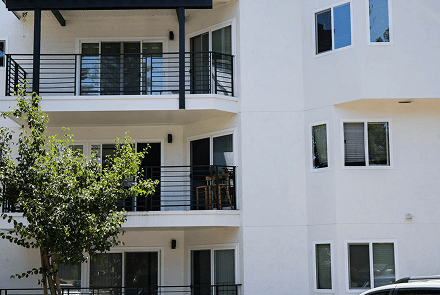
    Modern home exterior showcasing clean window lines — the right windows transform your home’s curb appeal.

    Andersen

    Andersen is the most recognized name in windows nationally, and their products are widely available in Sacramento and the Bay Area. Their 400 Series and Renewal by Andersen line are premium options with excellent build quality. However, you’ll pay for the name — Andersen windows typically cost 20–40% more than comparable Milgard products.

    • Price range: $700–$1,500+ per window installed
    • Lead time: 3–6 weeks
    • Best for: Premium builds, brand-conscious buyers
    • Warranty: 20-year limited warranty (varies by series)

    Pella

    Pella competes directly with Andersen in the premium segment. Their wood and fiberglass lines are well-regarded, and they offer integrated blinds and shades on some models. Pella has showrooms in the Sacramento and Bay Area markets, which is helpful for homeowners who want to see and feel products before purchasing.

    • Price range: $650–$1,400+ per window installed
    • Lead time: 3–6 weeks
    • Best for: Design-focused homeowners, wood window enthusiasts
    • Warranty: Limited Lifetime Warranty

    What Affects Your Total Cost

    Per-window pricing is a starting point, but your actual project cost depends on several additional factors. Here’s what can push your final number up — or bring it down.

    Number of windows: More windows mean better per-unit pricing. Most contractors offer volume discounts starting at 8–10 windows. Replacing all your windows at once is almost always cheaper per unit than doing them in batches.

    Window size and style: A standard 3′ × 4′ double-hung window is the baseline price. Larger windows, picture windows, bay or bow windows, and specialty shapes (arches, circles) cost significantly more. Casement windows run 10–15% more than single-hung. Sliding windows are typically the most affordable style.

    Floor level: Second-story windows cost $50–$150 more per unit due to ladder work, safety requirements, and slower installation. For homes with three stories or difficult access, expect an even higher premium.

    Frame condition: If your existing frames are rotted, water-damaged, or out of square, the installer may need to do repair work before fitting new windows. This can add $100–$300 per window. Severely damaged frames may require new construction windows instead of retrofit.

    Permit costs: Where required, permits run $150–$400 in most Sacramento and Bay Area jurisdictions. Your contractor should pull the permit — be wary of any installer who suggests skipping this step.

    Energy efficiency upgrades: Triple-pane glass, argon or krypton gas fills, Low-E coatings, and warm-edge spacers all add cost but improve performance. In Sacramento’s climate, dual-pane Low-E with argon fill is the sweet spot — triple-pane is overkill unless you’re in Tahoe or a very noise-sensitive area.

    Custom sizes: Non-standard window sizes require custom manufacturing, adding $100–$300 per window and 1–2 weeks to your lead time. Many older Sacramento homes (pre-1960) have non-standard openings.

    California Title 24 Energy Requirements

    If you’re replacing windows in California, you need to understand Title 24. It’s not optional — it’s state law, and it directly affects which windows you can install and how much they’ll cost.

    Title 24 is California’s building energy efficiency standard, updated on a three-year cycle. The current 2022 code (effective January 2023) sets minimum performance requirements for replacement windows based on your climate zone. Sacramento falls in Climate Zone 12, while the Bay Area spans Zones 3–4, and Tahoe/Truckee is Zone 16.

    Energy-efficient windows are essential for meeting California’s Title 24 requirements and reducing utility bills.

    For most Northern California homes, replacement windows must meet these minimum standards:

    • Maximum U-factor: 0.30 (measures heat transfer — lower is better)
    • Maximum SHGC (Solar Heat Gain Coefficient): 0.23 (Climate Zone 12, Sacramento)
    • SHGC requirements vary by climate zone — Bay Area zones are slightly different

    In practical terms, this means single-pane windows are a non-starter, and even basic dual-pane windows may not qualify. You need at minimum dual-pane glass with Low-E coating — which is standard on any quality replacement window from Milgard, Ply Gem, Andersen, or Pella.

    Energy Star vs. Title 24: Don’t confuse these. Title 24 is the legal minimum for California. Energy Star is a federal voluntary program with its own criteria. A window can meet Title 24 without being Energy Star certified, and vice versa. For federal tax credits (more on that below), you need Energy Star certification — so look for windows that meet both standards.

    Whole-Home Window Replacement Examples

    Abstract per-window pricing is useful, but most homeowners want to know: what’s my total project going to cost? Here are three realistic scenarios based on common Northern California home types.

    A well-maintained home exterior with classic window shutters — window style dramatically impacts your home’s character.

    Example 1: 10-Window Ranch House (Elk Grove / Roseville)

    A typical 1,400–1,800 sq ft single-story ranch home built in the 1980s–90s, common throughout Elk Grove, Roseville, and Citrus Heights. Standard-sized double-hung and sliding windows, all on the first floor.

    • Vinyl (Milgard Tuscany or Ply Gem): $5,000–$7,500
    • Fiberglass (Milgard Trinsic): $8,000–$11,000
    • Timeline: 1–2 days installation
    • Notes: Retrofit installation. No permits typically needed for like-for-like.

    Example 2: 15-Window Two-Story (Folsom / Walnut Creek)

    A 2,000–2,500 sq ft two-story home built in the 1990s–2000s, typical of neighborhoods in Folsom, El Dorado Hills, Walnut Creek, and Pleasanton. Mix of double-hung, casement, and picture windows across two floors.

    • Vinyl (Milgard Tuscany or Ply Gem): $8,000–$12,000
    • Fiberglass (Milgard Trinsic): $12,000–$17,000
    • Timeline: 2–3 days installation
    • Notes: Second-story premium adds $750–$2,000 to total. Consider scaffolding costs.

    Example 3: 20+ Window Larger Home (Bay Area / Tahoe)

    A 3,000+ sq ft home in San Jose, Oakland hills, or a Lake Tahoe property. Often includes oversized windows, specialty shapes, and high-performance glass requirements (especially in Tahoe’s Zone 16 climate).

    • Vinyl: $12,000–$18,000
    • Fiberglass: $16,000–$25,000+
    • Wood/clad-wood (premium): $20,000–$35,000+
    • Timeline: 3–5 days installation
    • Notes: Tahoe properties may require triple-pane for energy code. Bay Area labor premium applies. Custom sizes common in older homes.

    How to Save on Window Replacement

    Window replacement is a significant investment, but there are legitimate ways to reduce your out-of-pocket cost. Here are the most impactful options available to Northern California homeowners in 2026.

    Federal Tax Credits (Inflation Reduction Act)

    The Inflation Reduction Act (IRA), signed in 2022, extended and expanded the Energy Efficient Home Improvement Credit through 2032. For qualifying Energy Star–certified windows, you can claim a tax credit of 30% of the product cost, up to $600 per year. This is a direct tax credit — not a deduction — so it reduces your tax bill dollar for dollar.

    To qualify, your windows must be Energy Star Most Efficient certified and installed in your primary residence. Keep all receipts and manufacturer certification statements for your tax records.

    Utility Company Rebates

    Local utilities offer additional incentives. SMUD (Sacramento Municipal Utility District) periodically offers rebates for energy-efficient window upgrades — check smud.org for current programs. PG&E, which serves the Bay Area and much of the surrounding region, also offers rebates through their energy efficiency programs. Rebate amounts change quarterly, so check before you commit.

    Off-Season Scheduling

    Window installers are busiest in spring and summer. Scheduling your project for fall or winter (October through February) can save 5–15% on labor costs. You may also benefit from shorter lead times and more flexible scheduling. The windows themselves perform identically regardless of installation season — don’t let anyone tell you windows can’t be installed in winter.

    Bundle with Siding

    If you’re also considering new siding, bundling both projects together is one of the best ways to save. When siding is being removed or replaced, it creates an ideal opportunity to install new construction windows at a lower marginal cost. Heritage Exteriors frequently handles combined window and siding projects, and the economies of scale can be significant — often saving 10–20% compared to doing the projects separately.

    Frequently Asked Questions

    Q: How long does window replacement take?

    For a standard retrofit installation, each window takes about 1–2 hours. A 10-window home can typically be completed in one day. A 15–20 window project takes 2–3 days. New construction installations take roughly twice as long due to exterior work involved.

    Q: Do I need a permit to replace windows in Sacramento?

    For like-for-like retrofit replacements (same size, same location), most Sacramento-area jurisdictions do not require a building permit. If you’re changing window sizes, adding new openings, or doing structural modifications, a permit is required. Always confirm with your local building department — requirements vary by city and county.

    Q: Are Milgard windows worth the price?

    Yes, for Northern California homeowners, Milgard is hard to beat. Their local manufacturing means shorter lead times and lower costs than nationally shipped brands. The Full Lifetime Warranty (which transfers to new owners) adds real value at resale. Their fiberglass and vinyl lines cover a wide range of budgets. That said, Ply Gem offers comparable quality at a lower price point if budget is your primary concern.

    Q: How much can I save on energy bills with new windows?

    Replacing single-pane windows with modern dual-pane Low-E windows can reduce your heating and cooling costs by 15–25%, depending on your home’s size and your current windows’ condition. In Sacramento, where summer AC bills can be substantial, the savings are meaningful — typically $200–$500 per year for a whole-home replacement. Payback period for energy savings alone is usually 8–15 years, but the comfort improvement is immediate.

    Q: Should I replace all my windows at once or do it in phases?

    Replacing all windows at once is almost always the better financial decision. You’ll get volume pricing from your contractor (often 10–15% less per window), pay for only one round of setup and cleanup, and ensure a consistent look across your entire home. Phased replacement makes sense only if budget constraints are severe or if some windows are in significantly worse condition than others.

    Get Your Free Window Replacement Estimate

    Ready to Replace Your Windows? Let’s Talk. Heritage Exteriors installs Milgard and Ply Gem windows across Sacramento, the Bay Area, and Lake Tahoe. Get a free, no-pressure window replacement estimate — we’ll measure, assess your current windows, and provide an itemized quote so you know exactly what you’re paying for. Visit hexteriors.com or call (916) XXX-XXXX to schedule your free estimate today.

    Lock In a Free, No-Obligation Estimate

    Get transparent pricing on siding, windows, or exterior repairs fast. No sales pressure. Just answers.

    Get My Free Estimate
    Blog post Image
    Blog post Image
    Blog post Image

    Table of Contents

    Lock In a Free, No-Obligation Estimate

    Get transparent pricing on siding, windows, or exterior repairs—fast. No sales pressure. Just answers.

    Get My Free Estimate

      Get In Touch

      Learn More