The rhythmic drumming of a woodpecker might seem like a natural, even pleasant, sound in your neighborhood. However, when that sound is coming from the side of your house, it’s a sign of a significant problem. Woodpeckers, while fascinating birds, can cause substantial damage to your home’s exterior, particularly your siding. Those small, seemingly innocent holes are more than just a cosmetic issue; they are gateways for moisture, pests, and rot, which can lead to costly structural repairs down the line.
For homeowners in areas like Sacramento, Rocklin, and the broader Bay Area, protecting your home’s exterior is crucial. Understanding why woodpeckers target your siding and what to do about it is the first step toward safeguarding your investment. This guide will explore the hidden dangers of woodpecker damage, the types of siding most at risk, and the most effective solutions, from professional siding repair to long-term replacement. At Heritage Exteriors, we believe in empowering homeowners with the knowledge to protect their property, combining our family values with award-winning expertise to deliver lasting solutions.
Why Do Woodpeckers Drill into Siding? Understanding the Motive
To effectively stop woodpeckers from damaging your siding, you first need to understand their behavior. It’s not a random act of destruction; there are specific reasons why these birds choose your house as their target. These motives fall into three main categories: foraging for food, creating nests, and communication.
The Search for Food: Is Your Siding a Buffet?
The primary driver for a woodpecker’s pecking is often the search for insects. If your siding has an existing pest problem, it essentially rings a dinner bell for local woodpeckers. Carpenter bees, ants, and termites burrow into wood siding to create their own nests and galleries. Woodpeckers have exceptional hearing and can detect the vibrations and movements of these insect larvae deep within the wood.
When a woodpecker starts drilling into your siding, it might be an early warning sign of a hidden pest infestation. The damage they cause while excavating these insects can be extensive. They create small, irregular holes as they follow insect tunnels, compromising the integrity of your siding boards. If left unaddressed, this not only worsens the siding damage but also allows the underlying pest problem to grow. Addressing the source—the insects—is a critical part of preventing future woodpecker issues.
Building a Home: Nesting and Roosting Cavities
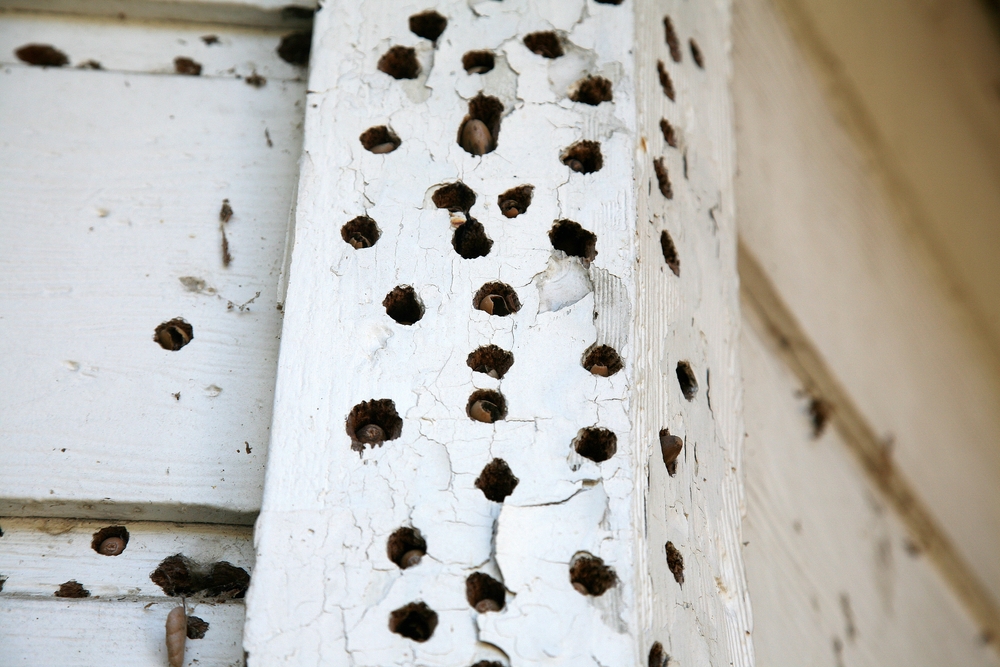
Beyond looking for a meal, woodpeckers drill larger, more uniform cavities to create nests for raising their young or to roost in during colder months. These nesting holes are typically much larger and more perfectly round than feeding holes. A single woodpecker can excavate a cavity several inches deep in just a few days, creating a significant breach in your home’s protective envelope.
This type of damage is particularly common in homes with wood or composite siding, which can mimic the feel of a dead or decaying tree—the woodpecker’s natural nesting environment. Once a cavity is established, it becomes a major entry point for water, leading to siding rot, mold on siding, and potential water damage to your home’s structural framework. Protecting your home means making your siding an unattractive nesting option. For homeowners considering a siding upgrade, this is a perfect time to explore durable siding replacement options that are less appealing to these birds.
Drumming and Communication: The Sound of a Territory
Woodpeckers also engage in a behavior called “drumming.” This is a rapid, rhythmic pecking on a resonant surface to attract a mate, establish territory, and communicate with other woodpeckers. Unfortunately, the hollow spaces behind siding, along with features like fascia boards, gutters, and chimney caps, can produce a loud, satisfying sound that these birds love.
Drumming damage usually consists of many small, shallow dents or holes in a concentrated area. While it may not penetrate the siding as deeply as nesting holes, it still mars the surface and can compromise the paint or protective finish. This superficial damage can still allow moisture to seep in over time, weakening the material and making it more susceptible to further damage from pests and weather.
The Consequences of Ignoring Woodpecker Damage
A few holes might not seem like a major concern, but they are symptoms of a larger vulnerability. Ignoring woodpecker damage can lead to a cascade of problems that are far more expensive and difficult to fix than the initial holes.
Water Intrusion and Siding Rot Repair
The most immediate and severe consequence of woodpecker holes is water intrusion. Your siding is your home’s first line of defense against rain, snow, and humidity. Every hole, no matter how small, is a breach in this armor. Water can seep behind the siding, where it gets trapped against your home’s structural sheathing.
This trapped moisture creates the perfect environment for wood rot and mold growth. Siding rot can spread quickly, weakening the siding panels and compromising their ability to protect your home. If the moisture reaches the wall studs and frame, it can lead to serious structural decay, requiring extensive and costly repairs that go far beyond a simple siding patch. Prompt siding repair in Sacramento is essential to prevent minor holes from turning into major structural failures.
The Invitation for More Pests
Woodpecker holes are an open invitation for other pests. Once a cavity exists, it can become a home for insects like carpenter ants and wasps, or even larger creatures like rodents, bats, and other birds. These new tenants can cause further damage of their own, chewing through wires, destroying insulation, and creating unsanitary conditions within your walls.
This turns a single woodpecker problem into a multi-faceted infestation. What started as a few holes can escalate into a full-blown pest control issue, compounding the cost and complexity of the necessary repairs.
Reduced Energy Efficiency and Higher Bills
Your siding plays a role in your home’s insulation system. Holes and cracks in your siding allow air to leak in and out of your home. This air leakage, known as drafts, makes it harder for your HVAC system to maintain a consistent indoor temperature.
During hot Sacramento summers or chilly Lake Tahoe winters, your heating and cooling systems will have to work harder to compensate for this energy loss. The result is higher energy bills every month. Sealing these breaches through professional siding repair or a residential siding replacement can help improve home insulation, reduce energy bills, and make your living space more comfortable.
Siding Types and Their Vulnerability to Woodpeckers
Not all siding is created equal when it comes to standing up to woodpeckers. The material your home is clad in plays a huge role in whether you’ll face this problem.
High-Risk Siding Materials: Wood and Wood Composites
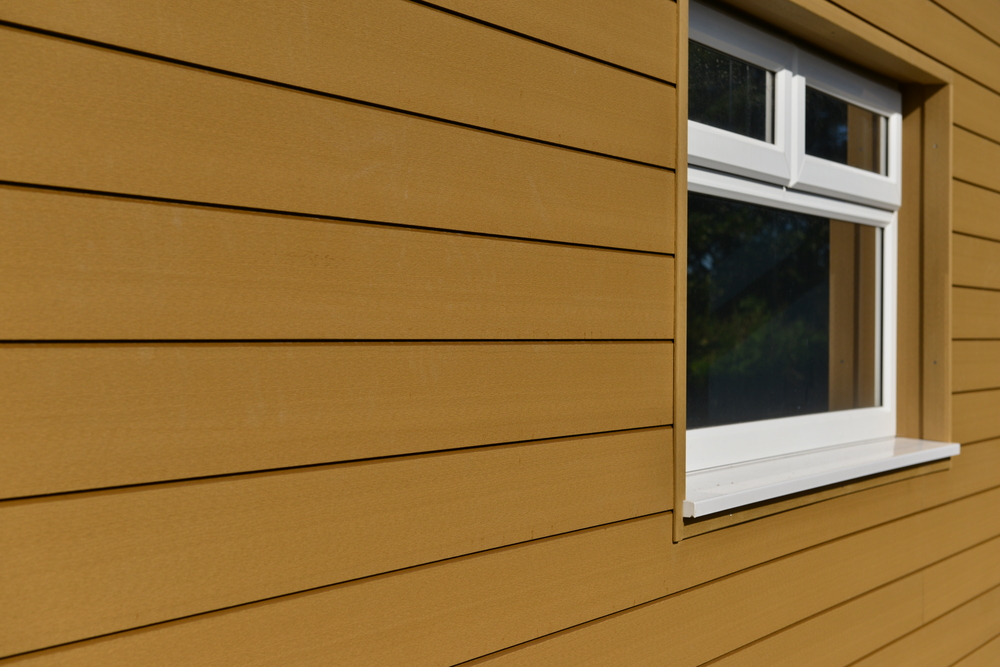
Natural wood siding, such as cedar siding, is the most common target for woodpeckers. Its soft texture is easy for them to excavate, and it closely resembles their natural habitat. Cedar is also prone to insect infestations, which, as we’ve learned, attracts woodpeckers looking for a meal.
Engineered wood and composite siding can also be susceptible, especially if the material is older or has a softer composition. While more durable than natural wood in some respects, these materials can still be penetrated by a determined woodpecker, particularly if they are trying to create a nesting cavity. If you have old siding made from these materials, you are at a higher risk.
Lower-Risk Siding Solutions: Fiber Cement and Vinyl
If you’re tired of dealing with woodpecker damage, upgrading to a more resistant material is the best long-term solution.
- James Hardie Fiber Cement Siding: This is arguably the top choice for homeowners looking for a woodpecker-proof solution. Fiber cement siding is a composite material made from cement, sand, and cellulose fibers. It is incredibly hard, durable, and completely unappealing to woodpeckers. They simply cannot drill into it. As a James Hardie Elite Preferred Contractor, Heritage Exteriors specializes in the expert siding installation of this superior product. This prestigious recognition, awarded to us in 2023, is a testament to our unwavering commitment to quality and adherence to the highest industry standards. It assures our clients in areas from the Bay Area to Rocklin that their siding project is handled with unparalleled expertise.
- Vinyl Siding: While vinyl siding is also resistant to woodpeckers—they can’t grip the slippery surface easily and the material isn’t suitable for nesting—it comes with its own set of vulnerabilities. Vinyl can become brittle in cold weather and crack upon impact, and it is not as fire-resistant or as aesthetically versatile as fiber cement. However, for a budget-conscious choice, it remains a viable option for deterring birds.
Solutions: From Deterrents to Full Siding Replacement
Once you have woodpecker damage, you have two goals: repair the existing damage and prevent it from happening again. This can involve a combination of deterrents and professional siding services.
Temporary Fixes and Woodpecker Deterrents
If you’re dealing with an active woodpecker, there are several methods you can use to scare it away.
- Visual Deterrents: Hanging reflective objects like mylar tape, old CDs, or small mirrors can frighten birds. The flashing lights disorient them and make the area feel unsafe. Faux predators, like plastic owls or hawks, can also be effective, but you must move them regularly, or the woodpeckers will realize they are not a real threat.
- Netting: For persistent problems, you can install lightweight bird netting over the affected area. The netting should be mounted a few inches away from the siding to prevent the birds from being able to perch and peck through it.
- Noise Deterrents: Wind chimes or ultrasonic devices that emit sounds unpleasant to birds can also help drive them away from your home.
It is important to remember that these are temporary solutions. They may scare off the current bird, but they don’t fix the underlying damage or prevent another woodpecker from showing up next season.
The Importance of Professional Siding Repair
Patching woodpecker holes is not a simple DIY job. Improperly sealed holes can trap moisture, leading to the very rot and mold you’re trying to prevent. A professional siding contractor will ensure the repair is done correctly.
The process involves more than just filling the hole. A professional will:
- Inspect the Damage: Assess the extent of the damage, checking for hidden moisture or rot behind the siding.
- Clean and Prepare: Remove any debris or splintered wood from the cavity.
- Fill and Seal: Use a high-quality, weather-resistant filler appropriate for your siding material to completely seal the hole.
- Sand and Finish: Sand the repair smooth and then prime and paint it to match the rest of your siding, creating a seamless and protected finish.
At Heritage Exteriors, our team approaches every repair with meticulous attention to detail. As a close-knit, family-oriented company, we never use subcontractors. This ensures that every project, whether it’s a small repair in Richmond, CA, or a larger installation, receives the dedicated care it deserves from our in-house experts.
The Ultimate Solution: Residential Siding Replacement
For homes with extensive damage, recurring woodpecker problems, or old, vulnerable siding, a full residential siding replacement is the most effective and permanent solution. This allows you to upgrade to a durable, low-maintenance siding material like James Hardie fiber cement, eliminating the problem for good.
Replacing your siding offers numerous benefits beyond just woodpecker prevention:
- Increased Curb Appeal: New siding dramatically improves your home’s appearance, boosting its value.
- Enhanced Durability: Modern materials like fiber cement are fire-resistant, weather-resistant, and built to last for decades.
- Improved Home Insulation: When paired with new house wrap and insulation, new siding can significantly reduce energy bills.
- Peace of Mind: Knowing your home is protected by a long-lasting, durable exterior provides invaluable peace of mind.
Choosing the right contractor for your siding installation is just as important as choosing the right material. Our status as an Installation Masters certified team highlights our expertise and deep understanding of industry best practices. This certification isn’t just a badge; it’s a promise of superior craftsmanship and precision in every installation we undertake, ensuring your new siding performs flawlessly for years to come.
Heritage Exteriors: Your Partner in Protecting Your Home
At Heritage Exteriors, we’re more than just a siding contractor; we are a family dedicated to transforming exteriors and protecting our clients’ homes. Our recognition as a James Hardie Elite Preferred Contractor and our Installation Masters certification are reflections of our relentless pursuit of excellence. These honors signify a level of trust and reliability that sets us apart.
We understand the unique challenges homeowners face, from woodpecker damage in the Bay Area to the need for weather-resistant materials in Lake Tahoe. Our dedicated, in-house team brings a personal touch and unmatched expertise to every project. We don’t believe in shortcuts or subcontractors—we believe in providing superior craftsmanship and unparalleled service from start to finish.If you’re seeing the telltale signs of woodpecker damage on your home, don’t wait for the problem to get worse. Contact Heritage Exteriors today. Whether you need a professional siding repair or are considering a complete siding replacement with durable, beautiful James Hardie products, our team is ready to help you secure and beautify your home for the long term. Let us show you how our commitment to quality and family values can make all the difference for your home.