Your home’s siding is its first line of defense against the elements. It shields your structure from rain, wind, and the hot Sacramento sun. But what happens when that shield is breached? Water leaking behind your siding is more than just a minor annoyance; it’s a serious threat that can lead to widespread structural damage, mold growth, and costly repairs. Spotting the signs of a leak early and understanding the root cause are crucial to protecting your investment.
Many homeowners don’t realize their siding is failing until significant damage has already occurred. Water stains on interior walls, peeling paint, or a musty smell are often the first clues, but by then, the problem has likely been developing for some time. This guide will walk you through the common causes of siding water leaks, how to identify them, and what professional repairs are necessary to fix the issue for good. We’ll explore everything from installation errors to material-specific vulnerabilities, giving you the knowledge to act decisively.
Understanding the “why” behind leaking siding is the first step toward a solution. Whether you’re dealing with aged materials or the aftermath of a storm, knowing what you’re up against helps you partner with professionals to restore your home’s integrity.
The Critical Role of Siding in Protecting Your Home
Before diving into the problems, it’s important to appreciate what siding does when it’s working correctly. Siding is not just about curb appeal; it’s a multi-functional system designed to keep your home safe, dry, and energy-efficient. It works in tandem with other exterior components, like the weather-resistant barrier (WRB) and flashing, to create a comprehensive protective envelope.
A Barrier Against Moisture
The primary job of siding is to shed water. In Northern California, where we experience everything from heavy winter rains to intense summer heat, siding must be able to manage moisture effectively. It directs rainwater down and away from the walls, preventing it from penetrating the underlying structure. When siding is properly installed and maintained, it ensures that the wooden frame, insulation, and sheathing of your home remain dry.
Energy Efficiency and Insulation
Siding also contributes to your home’s thermal performance. By providing an additional layer of protection, it helps reduce air leakage and stabilize indoor temperatures. This means your HVAC system doesn’t have to work as hard, potentially lowering your energy bills. Some siding systems even incorporate integrated insulation for enhanced energy efficiency, a significant benefit during Sacramento’s hot summers.
Structural Integrity and Pest Defense
Beyond weather, siding helps defend against pests like termites, carpenter ants, and rodents that could otherwise find their way into your home’s framework. It also adds a degree of rigidity to the wall structure. A well-maintained exterior is a sign of a healthy home, signaling that the underlying components are shielded from the elements that cause decay and degradation. When this protective layer fails, it creates a cascade of problems that can compromise the safety and value of your property.
Common Culprits: Why Your Siding Is Leaking Water
Siding leaks rarely happen for a single, dramatic reason. More often, they are the result of smaller, compounding issues that worsen over time. Understanding these common causes can help you diagnose a potential problem before it escalates.
1. Improper or Failed Caulking
Caulk is the flexible sealant used around windows, doors, trim, and at the seams between siding panels. Its purpose is to create a waterproof seal in areas where siding meets other materials. Over time, caulk can dry out, crack, and pull away from the surface due to sun exposure and temperature fluctuations.
- Why It Causes Leaks: When caulk fails, it creates a direct pathway for water to seep behind the siding. These gaps, no matter how small, can channel a surprising amount of water into your wall cavity during a rainstorm.
- Signs to Look For: Visibly cracked, peeling, or missing caulk around windows, doors, and corner trim. You might also notice discoloration or water stains on the siding directly below these areas.
2. Poor or Damaged Flashing
Flashing is a thin, waterproof material (usually metal) installed at critical junctures to direct water away from vulnerable areas. You’ll find it around windows, doors, roof-to-wall intersections, and at the bottom of walls. Proper flashing installation is an art, and mistakes are a leading cause of siding water damage.
- Why It Causes Leaks: If flashing is missing, incorrectly installed, or damaged, it can’t do its job. Instead of directing water over the front of the siding, it can channel it directly behind it. For example, improperly installed window flashing can lead to leaks that appear far from the actual entry point.
- Signs to Look For: Rusted or bent flashing, gaps between the flashing and the wall, or visible water stains originating from windows, doors, or where a roofline meets a wall.
3. Faulty Siding Installation
Even the highest-quality siding will fail if not installed according to the manufacturer’s specifications. Installation errors are a frustratingly common source of leaks and can void your material warranty.
- Common Mistakes:
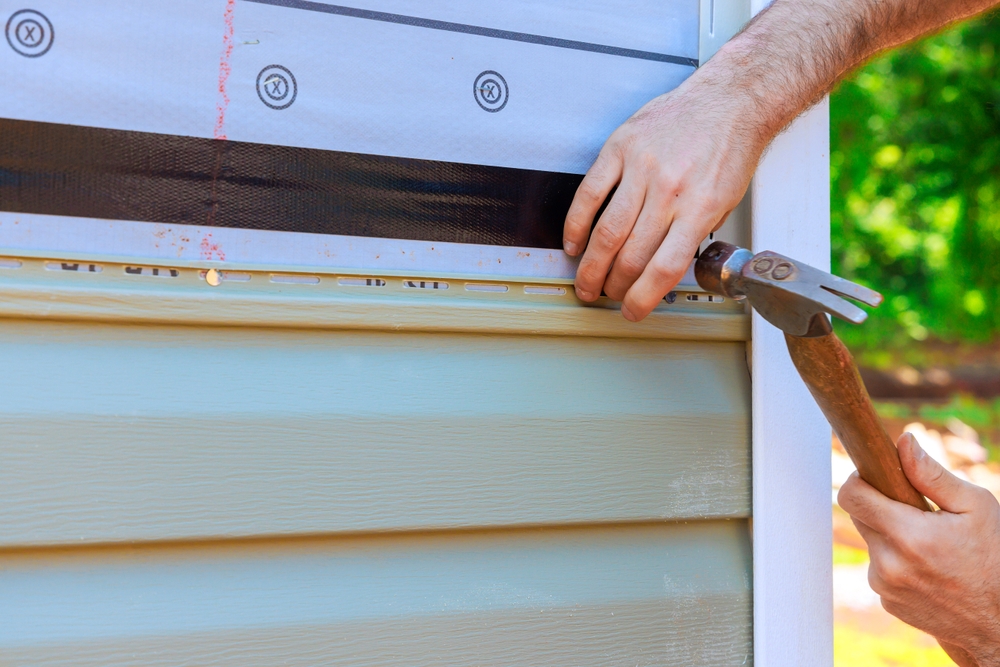
- Improper Nailing: Over-driving nails can crack the siding, while under-driving them can leave panels loose. Nails must also be placed in the correct locations to allow for natural expansion and contraction.
- Inadequate Overlap: Siding panels must overlap sufficiently to prevent wind-driven rain from getting behind them.
- Ignoring the Weather-Resistant Barrier (WRB): The WRB (like house wrap) is a secondary line of defense. If it’s torn, improperly taped, or missing, any water that gets past the siding will soak directly into the sheathing.
- Signs to Look For: Loose or rattling panels, visible cracks around nail heads, and siding that appears wavy or buckled. These are all red flags that may point to underlying siding water damage.
4. Physical Damage to Siding Panels
Your siding can be damaged by a variety of external forces. From a stray baseball to a severe hailstorm, any impact that creates a crack, hole, or chip can compromise its water-shedding ability.
- Why It Causes Leaks: A breach in a siding panel is an open invitation for water. Even small cracks can widen over time, allowing moisture to penetrate the wall system and become trapped.
- Signs to Look For: Obvious cracks, holes, or deep gouges in the siding. Pay close attention after severe weather events or any known impacts to your home’s exterior. Timely siding repair in Sacramento is essential to prevent these small issues from causing major damage.
5. Issues with Gutters and Downspouts
Your home’s gutter system is designed to collect rainwater from the roof and direct it safely away from the foundation. When gutters are clogged, damaged, or improperly sized, they can become a major source of siding leaks.
- Why It Causes Leaks: Clogged gutters will overflow, sending a concentrated sheet of water cascading down your siding. This constant saturation overwhelms the siding’s ability to shed water, forcing moisture into seams and cracks. Downspouts that terminate too close to the house can also saturate the lower sections of siding.
- Signs to Look For: Visible debris in gutters, water spilling over the sides during rain, and water stains or discoloration on the siding directly below the roofline.
Material-Specific Vulnerabilities to Water Damage
Different siding materials have unique strengths and weaknesses when it comes to moisture resistance. The type of siding on your home can influence where and why leaks occur.
Wood Siding
Wood siding offers a classic, beautiful look but requires the most maintenance. It is naturally susceptible to moisture-related issues if not properly cared for.
- Vulnerabilities: Wood is porous and will absorb water if its protective finish (paint or stain) is compromised. This can lead to rot, warping, and swelling. Knots in the wood can also shrink and fall out, leaving behind holes.
- Signs of Leaks: Peeling or bubbling paint, soft or spongy spots, dark streaks (which can indicate rot), and warped or split boards. Regular painting and sealing are non-negotiable for protecting wood siding.
Vinyl Siding
Vinyl is a popular, low-maintenance choice known for its durability. However, it’s not invincible and improper installation can create significant problems.
- Vulnerabilities: Vinyl siding is designed to allow any water that gets behind it to drain out. However, if panels are nailed too tightly, they can’t expand and contract with temperature changes, leading to buckling or cracking. Seams can also separate, and extreme weather can cause panels to become loose or dislodged.
- Signs of Leaks: Wavy or buckled panels, panels that are visibly loose or flapping in the wind, and cracks or holes from impact. A professional siding installation is key to preventing these issues.
Fiber Cement Siding (James Hardie)
Fiber cement siding, like that from James Hardie, is a highly durable and water-resistant material. It’s designed to withstand the harsh weather conditions common in Northern California. However, even this robust material can leak if installed incorrectly or damaged.
- Vulnerabilities: While the material itself is rot-resistant, cracks from impact can still allow water intrusion. The most common failure point is improper sealing at joints and gaps. Flashing and caulking details are absolutely critical for a successful fiber cement siding installation.
- Signs of Leaks: Cracked or chipped panels, failing caulk at butt joints or around trim, and any signs of water getting behind the system. Because fiber cement is so durable, leaks are almost always tied to installation details rather than material failure. This is why choosing an experienced team of Sacramento siding experts is so important.
The Hidden Dangers: What Happens When Water Gets Behind Siding
A siding leak is not a problem that resolves itself. The longer water is allowed to penetrate your walls, the more severe and widespread the damage becomes. The consequences go far beyond a simple stain.
Structural Rot and Decay
The framing and sheathing of your home are typically made of wood. When this wood is persistently exposed to moisture, it begins to rot. Wood rot compromises the structural integrity of your walls, weakening your home from the inside out. Repairing rotted framing is an invasive and expensive process that involves removing both interior and exterior wall coverings.
Mold and Mildew Growth
Trapped moisture combined with the organic materials in your walls (wood, paper-faced drywall, insulation) creates the perfect breeding ground for mold and mildew. Mold can begin to grow in as little as 24-48 hours.
- Health Risks: Mold spores can become airborne and circulate through your home, triggering allergic reactions, asthma attacks, and other respiratory problems.
- Detection: A musty odor inside your home is a major red flag for hidden mold. You might also see discoloration on interior walls or ceilings.
Damage to Insulation and Reduced Energy Efficiency
When insulation gets wet, it becomes compressed and loses its insulating properties (its R-value). Wet insulation is ineffective at preventing heat transfer, leading to higher energy bills as your HVAC system struggles to maintain a consistent temperature. In some cases, saturated insulation needs to be completely removed and replaced.
Pest Infestations
Moisture-damaged wood is highly attractive to pests like termites and carpenter ants. These destructive insects seek out soft, damp wood to build their nests. A siding leak can essentially create a welcome mat for an infestation that can cause catastrophic damage to your home’s structure.
Professional Siding Repair: The Only Lasting Solution
When you discover a siding leak, the temptation might be to attempt a quick DIY fix, like applying a dab of caulk over a crack. While this might offer a temporary patch, it rarely addresses the root cause of the problem and can often trap moisture, making the situation worse. Professional leaking siding repair is essential for a permanent solution.
Step 1: Thorough Inspection and Diagnosis
The first thing a professional contractor will do is perform a comprehensive inspection. This goes beyond just looking at the visible damage. An expert will:
- Identify All Entry Points: Trace the path of the water to find out exactly how it’s getting in. This might involve using specialized tools like a moisture meter.
- Assess the Extent of the Damage: Determine how far the water has spread. This includes checking the sheathing, framing, and insulation behind the siding.
- Determine the Root Cause: Figure out why the leak started. Was it failed caulk, improper flashing, or storm damage? The repair strategy will depend on this diagnosis.
Step 2: Removing Damaged Materials
Effective repair requires removing all compromised materials. This isn’t just about replacing the damaged siding panel.
- Siding and Trim: Any cracked, rotted, or warped siding and trim must be carefully removed.
- Underlying Components: The contractor will then inspect the sheathing underneath. Any soft, swollen, or moldy sheathing will be cut out and replaced with new material.
- Framing and Insulation: If the rot or mold has reached the wall studs or insulation, those sections will also need to be removed and replaced to ensure the structural integrity and health of the wall system.
Step 3: Correcting the Underlying Problem
This is the most critical step. A professional won’t just cover up the problem; they will fix what caused it in the first place.
- Flashing and WRB Repair: If improper flashing was the culprit, the old flashing will be removed and new, correctly integrated flashing will be installed. Any tears or holes in the weather-resistant barrier will be repaired or replaced.
- Caulking and Sealing: Old, failed caulk will be completely removed, and new, high-quality sealant will be applied to create a durable, waterproof barrier.
- Addressing Installation Errors: If the leak was due to improper nailing or other installation mistakes, the contractor will correct these issues as they reinstall the siding.
Step 4: Siding Installation and Finishing
Once the underlying structure is sound and dry, new siding can be installed. A professional ensures that:
- Materials Match: The new siding is matched as closely as possible to the existing siding for a seamless appearance.
- Proper Installation: The new panels are installed according to manufacturer specifications, with correct nailing, overlap, and gapping to allow for expansion and contraction.
- Finishing Touches: The repair is completed with any necessary painting or finishing to blend the new work with the rest of your home’s exterior.
Choosing a qualified team for your siding repair in Sacramento ensures that the job is done right, preventing future leaks and protecting your home for years to come.
Choose Hexteriors for Expert Leaking Siding Repair
Dealing with siding water damage can be stressful, but you don’t have to handle it alone. At Hexteriors, we are Sacramento siding experts with years of experience diagnosing and repairing leaks in all types of siding, including wood, vinyl, and James Hardie fiber cement.
Our process is built on quality, transparency, and a commitment to solving the problem permanently. We don’t believe in quick fixes that will fail in the next storm. We conduct thorough inspections to uncover the true source of the leak and assess the full extent of the damage. Our in-house crews are trained in the latest installation techniques and follow manufacturer best practices to the letter, ensuring your repair is not only effective but also upholds your material warranties.
From replacing a single damaged panel to a full-scale siding replacement, we treat every project with the same level of care and professionalism. If you suspect your siding is leaking, don’t wait for the problem to get worse. Contact Hexteriors today for a free estimate and let our team restore the protection and beauty of your home.