Your home’s siding is more than just a decorative feature; it’s a critical shield that provides essential home protection. It stands guard against rain, wind, sun, and pests, preserving the comfort and safety of everything within. When this shield is breached, even by a small crack or a single loose panel, the consequences can extend far beyond a minor cosmetic issue. Delaying repairs can set off a chain reaction that leads to significant and costly structural damage.
Many homeowners might put off a small siding issue, thinking it’s not an urgent problem. However, what seems insignificant today can quickly become a major threat to your home’s framework. Understanding the risks associated with damaged siding is the first step toward appreciating why fast siding repair is not just a recommendation but a necessity. This guide will explore the critical reasons why addressing siding problems promptly is essential for preventing structural damage and safeguarding your most valuable asset.
Your Siding: The First Line of Defense
To understand why prompt repairs are so vital, it’s important to recognize the role siding plays in your home’s overall structure. Think of your home as having layers of protection. The siding is the outermost layer, designed to bear the brunt of environmental stressors. Beneath it lies a weather-resistant barrier (often called a house wrap), followed by sheathing (like plywood or OSB), the structural frame, insulation, and finally, your interior drywall.
This layered system is designed to work in harmony. When the siding is compromised, it exposes the more vulnerable layers beneath it to elements they were never meant to handle directly. A small crack, a warped board, or a loose panel is like a crack in a dam—it may start small, but the constant pressure will inevitably lead to a bigger failure.
What Happens When Siding Fails?
When siding is damaged, it creates an open invitation for a host of destructive forces. Here’s a breakdown of the immediate and long-term threats that a breach in your home’s exterior can introduce.
- Water Intrusion: This is the most immediate and dangerous threat. Water can seep behind the siding and become trapped, leading to a cascade of problems.
- Pest Infestation: Termites, carpenter ants, rodents, and other pests see a gap in your siding as an easy entry point to build their nests within your walls.
- Reduced Energy Efficiency: Gaps and cracks allow air to flow freely, creating drafts that make your HVAC system work harder, leading to higher energy bills.
- Decreased Curb Appeal and Value: Damaged siding is an eyesore that can significantly lower your property’s value and make it difficult to sell.
While all these are serious, the risk of water intrusion stands out as the primary catalyst for structural decay.
The Domino Effect: How Minor Siding Damage Leads to Major Structural Problems
The journey from a small crack in a siding panel to a rotted structural beam is a gradual but predictable process. Understanding this progression highlights the urgency of fast siding repair.
Stage 1: The Initial Breach and Water Intrusion
It all starts with a seemingly minor issue. A siding panel cracks due to age, a hailstone causes a dent and a fissure, or high winds loosen a board. Rainwater, which should be sheeting off the exterior, now has a path to get behind the siding.
At first, the weather-resistant barrier may hold it back. However, this barrier isn’t designed for constant water exposure. Over time, water will find its way through seams or tiny tears, eventually reaching the wooden sheathing underneath.
Stage 2: Saturation and the Onset of Rot
Once water reaches the sheathing, it begins to soak into the wood. This is where the real damage begins. Wood sheathing, when persistently damp, becomes a breeding ground for mold, mildew, and wood rot.
- Mold and Mildew: These fungi can cause discoloration and unpleasant odors, but more importantly, they can pose health risks to your family, especially for those with allergies or respiratory conditions. Mold spores can travel through wall cavities and into your living space.
- Wood Rot: This is the decomposition of wood by certain species of fungi. The fungi break down the components of the wood that give it strength and stiffness. The sheathing becomes soft, spongy, and weak, losing its ability to provide structural support.
At this stage, the problem is still hidden behind your siding. You might not see anything wrong from the outside, but the destructive process is well underway.
Stage 3: The Spread to the Structural Frame
The sheathing is attached directly to your home’s structural frame—the studs, joists, and beams that form its skeleton. As the sheathing becomes saturated and rots, the moisture and decay spread to these critical components.
This is the most dangerous phase. When structural timbers begin to rot, they lose their load-bearing capacity.
- Wall Studs: Rotted studs can weaken the walls, causing them to sag or bulge.
- Floor Joists: If the damage is near the base of the house, floor joists can rot, leading to soft, bouncy, or sloping floors.
- Window and Door Frames: Moisture around windows and doors can rot the framing, making them difficult to open and close and causing further leaks.
Repairing rotted structural elements is an invasive, complex, and extremely expensive process. It often involves removing large sections of both interior and exterior walls, replacing the damaged lumber, and then rebuilding the entire wall system. This is the outcome that every homeowner wants to avoid, and it is entirely preventable with timely siding repair in Sacramento and other regions.
Stage 4: Pest Infestation and Compounded Damage
Moist, rotting wood is a magnet for pests. Termites and carpenter ants are particularly drawn to these conditions.
- Termites: These insects consume wood, creating tunnels and galleries that compromise its integrity. A termite infestation on top of existing rot can accelerate the destruction of your home’s frame exponentially.
- Carpenter Ants: Unlike termites, carpenter ants don’t eat wood, but they excavate it to create their nests. They prefer damp wood, so a moisture problem behind your siding creates a perfect environment for them.
The presence of pests adds another layer of damage and another expensive remediation process, which can include chemical treatments and further structural repairs.
Common Siding Problems That Demand Fast Repair
To prevent structural damage, you need to be able to identify the warning signs. Regular inspection of your home’s exterior can help you catch problems early. Here are some of the most common siding issues that require immediate attention.
Cracks and Holes
Whether from impact, age, or temperature fluctuations, cracks and holes are direct pathways for water. Even a hairline crack can allow a surprising amount of moisture to penetrate your wall system over time.
Warping and Bulging
If you see siding panels that are warped, bulging, or pulling away from the wall, it’s often a sign that moisture is already trapped behind them. The siding material itself may be expanding and contracting due to water absorption, or the sheathing underneath may be swelling and pushing the siding outward. This is a red flag that hidden damage is occurring.
Loose or Missing Panels
A panel that has been loosened by wind or has fallen off completely leaves a large section of your home’s underbelly exposed. This is an emergency situation that requires immediate repair to prevent massive water intrusion during the next rainstorm.
Rot and Disintegration (Wood Siding)
For homes with wood siding, any sign of rot, crumbling, or softness is a clear indication that the wood is failing. The rot you can see on the outside is often just the tip of the iceberg.
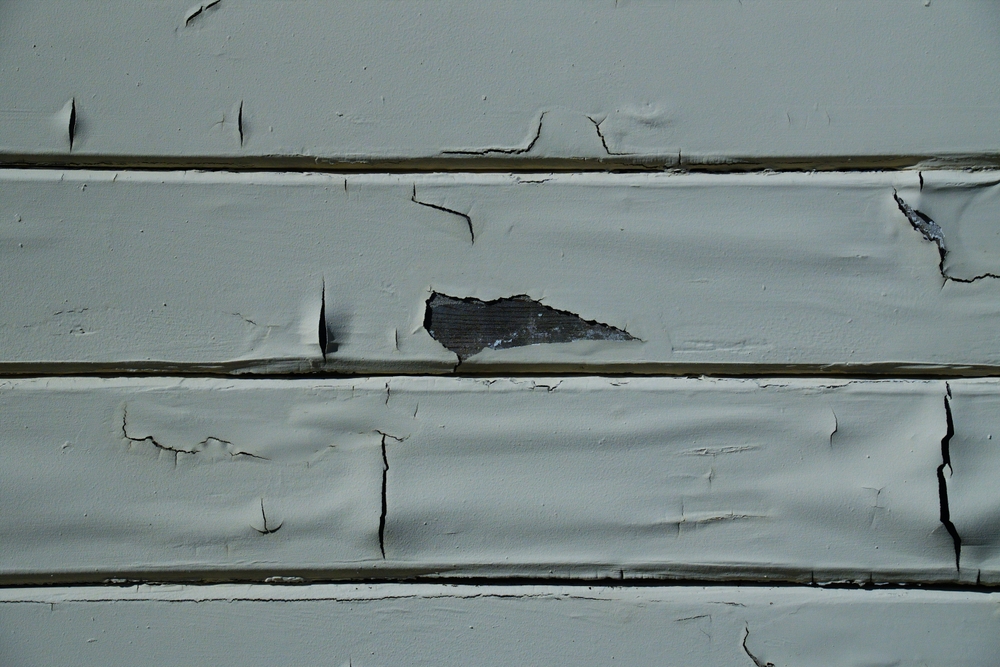
Faded or Peeling Paint
While often seen as a cosmetic issue, peeling paint on wood or fiber cement siding can be a sign of a deeper problem. Paint is a protective layer. When it fails, the siding material is exposed to moisture, which can lead to faster degradation.
High Energy Bills
If you’ve noticed an unexplained spike in your heating or cooling costs, it could be related to your siding. Gaps and cracks not only let in water, but they also let in outside air, compromising your home’s insulation and forcing your HVAC system to work overtime.
The Cost of Delay: Repair Now vs. Rebuild Later
It can be tempting to postpone a repair to avoid the immediate cost. However, this is a financially short-sighted approach. The cost difference between a prompt, minor repair and a major structural remediation is staggering.
- Cost of a Minor Siding Repair: A professional siding repair to fix a few cracked or loose panels is a relatively small investment. It involves a few hours of labor and a small amount of material.
- Cost of Major Structural Repair: If that same issue is left unaddressed and leads to rotted sheathing and structural framing, the cost can skyrocket into the tens of thousands of dollars. This type of project involves multiple trades (carpenters, siding installers, painters, and possibly mold remediation specialists), extensive demolition and reconstruction, and can take weeks to complete.
Investing in a fast siding repair is not spending money; it’s saving money. It is a proactive measure that protects you from the catastrophic expense of a major structural failure. It is an essential part of responsible homeownership and critical for long-term home protection.
Choosing a Professional for Your Siding Repair
Given what’s at stake, siding repair is not a DIY project for the inexperienced. A professional contractor brings the expertise, tools, and materials needed to do the job correctly and ensure the repair is both durable and seamless. When looking for a company for your siding repair in Sacramento, consider the following:
Look for Expertise in Diagnosis
A true professional doesn’t just patch the problem; they diagnose the root cause. They will assess the condition of the sheathing and weather-resistant barrier behind the damaged siding and address any underlying issues. This comprehensive approach is what ensures the problem doesn’t return. Leading companies may use tools like moisture meters or infrared cameras to detect hidden water damage.
Prioritize Matching Materials and Aesthetics
A good repair should be unnoticeable. An experienced contractor will have access to a wide range of siding products and will take the time to find a perfect or near-perfect match for your existing siding’s color, texture, and profile. This is crucial for maintaining your home’s curb appeal.
Insist on Proper Installation Techniques
Siding must be installed according to the manufacturer’s specifications for it to perform correctly and for the warranty to be valid. This includes using the right type of fasteners, proper nailing patterns, and correct flashing around windows, doors, and corners. A professional crew understands these technical requirements.
Verify Licensing and Insurance
Always hire a contractor who is fully licensed and insured. This protects you from liability in case of accidents and ensures the company is legitimate and accountable.
Ask for a Workmanship Warranty
A reputable company will stand behind its work. In addition to the manufacturer’s warranty on the material, the contractor should offer a workmanship warranty that covers any defects in the installation. This gives you peace of mind that the repair is built to last.
Take Action Today to Protect Your Home Tomorrow
Your home’s siding is a vital system, and its integrity is directly linked to the health of your home’s structure. The message is simple: do not wait. At the first sign of cracking, warping, or looseness, take immediate action. A small investment in a fast siding repair today is your best insurance policy against the enormous cost and stress of a major structural rebuild tomorrow.
Regularly inspect your siding, be vigilant for the warning signs, and partner with a trusted professional to keep your home’s first line of defense strong and secure. By doing so, you will not only prevent structural damage but also preserve your home’s value, comfort, and safety for many years to come. If you have concerns about your home’s exterior, consulting with a professional for residential siding services is a wise and proactive step.